Low-Maintenance Perennials That Practically Take Care of Themselves
Dreaming of a garden that looks stunning but does not demand all your free time? Low-maintenance perennials might be exactly what you need. These plants keep your outdoor space lively and colorful with very little effort on your part.
Once established, most just need a bit of sun and water to keep coming back year after year. You get to enjoy your yard more and work in it less.
Daylilies (Hemerocallis)
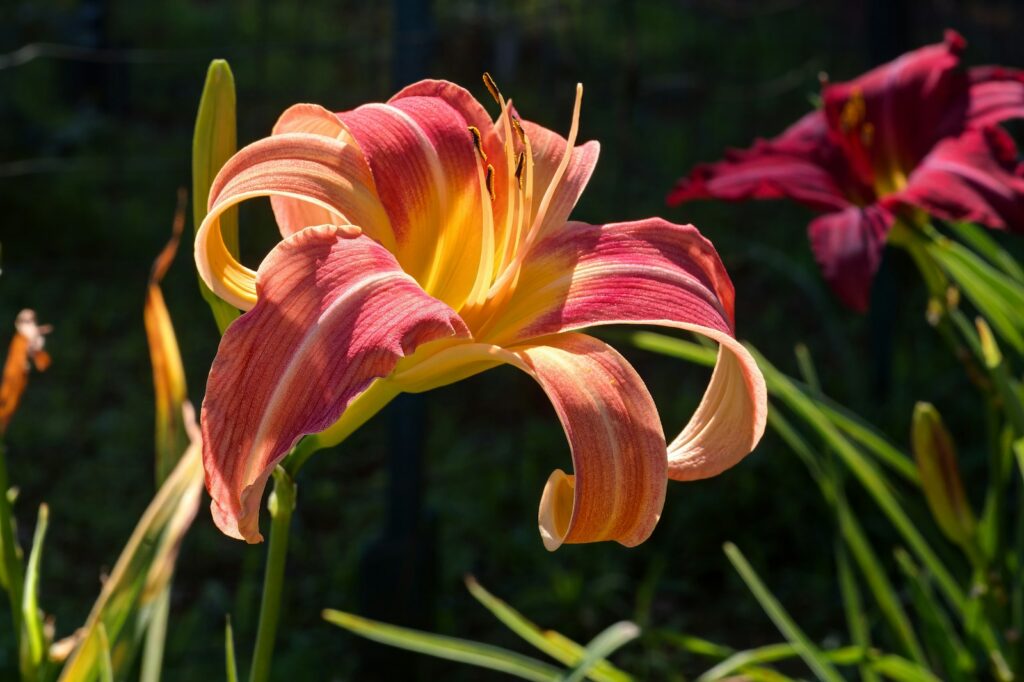
Daylilies are perfect if you want lots of color without much hassle. Their flowers appear from late spring through fall, with new blooms opening every day.
With so many colors and patterns available, it is easy to match your style. Daylilies grow in many climates, handling heat, drought, and different soils.
They are not fussy about pests or diseases, so you can relax and enjoy their beauty. It is simple to divide and spread them around your garden or share with neighbors.
Their grass-like leaves and bold blooms give your garden a fresh, lively look. Daylilies really make gardening feel effortless.
Sedum (Stonecrop)
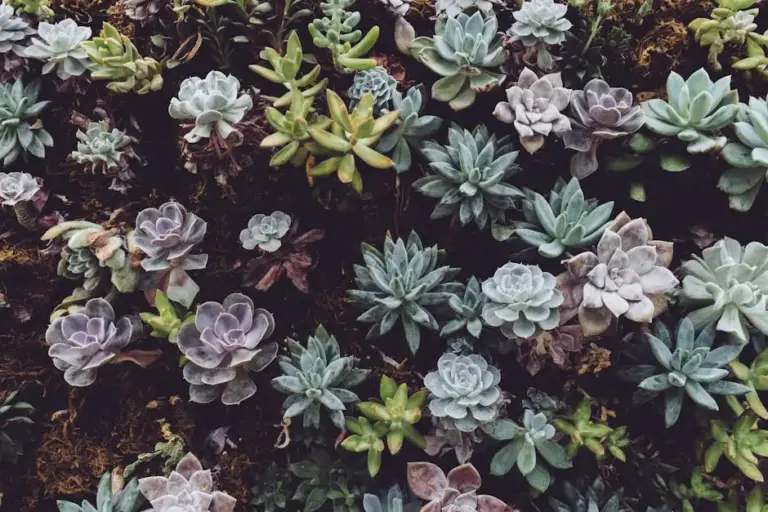
If you want a plant that can handle tough conditions, sedum is a great pick. Its thick, succulent leaves store water, so it survives dry spells with ease.
Sedum comes in many shapes, from ground covers to upright varieties topped with bright flower clusters. These blooms attract butterflies and bees, bringing extra life to your yard.
Caring for sedum is straightforward. It prefers sunny spots and soil that drains well.
Watering is rarely needed, and too much can actually harm it. Sedum stays interesting all season long, even after blooming.
If you want something that looks good with almost no attention, sedum is a solid choice.
Lavender

Lavender brings beauty and fragrance to your garden with very little work. It thrives in full sun and well-drained soil, so pick a spot that does not stay soggy.
The scent is amazing and fills your yard with a calming vibe. Bees and butterflies love the purple blooms, which add a lovely splash of color in summer.
Lavender can handle drought and does not need much watering. Give it some space, and it will reward you with flowers for years to come.
If you are after charm and easy care, lavender fits right in.
Coneflower (Echinacea)
Coneflowers are tough and simple to care for, making them a favorite for busy gardeners. Their bright petals in pink, purple, or white draw in bees and butterflies.
Once these plants are settled in, they do not need much water. The sturdy stems stand tall without any support.
Deer tend to leave them alone, which means fewer worries. Deadheading spent blooms can help them flower even longer.
Plant coneflowers in full sun, and they will spread and return year after year. They are perfect for borders or wildflower areas.
Black-Eyed Susan (Rudbeckia)
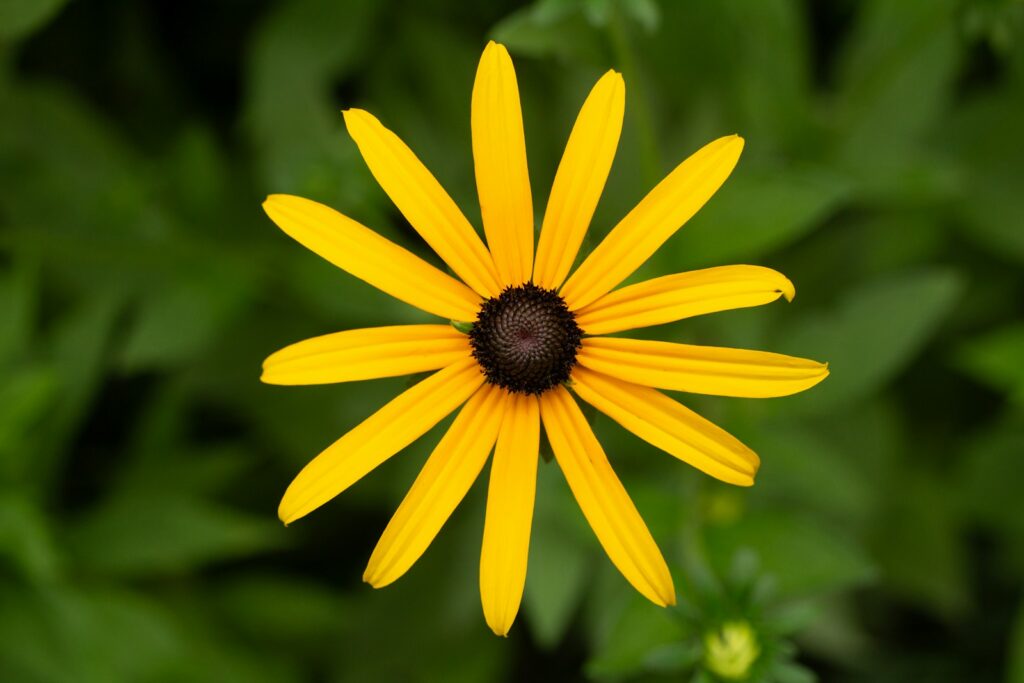
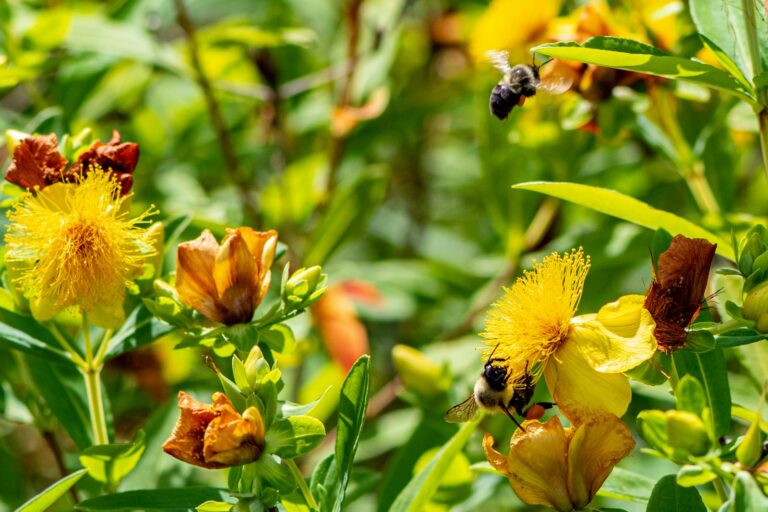
Black-Eyed Susans bring instant cheer with their golden-yellow petals and dark centers. They bloom for weeks, keeping your garden bright from summer into fall.
These flowers are easygoing and only need a sunny spot to thrive. They grow in many soils and do not require much water after they are established.
Bees and butterflies flock to them, and pests usually leave them alone. You can plant them in spring or fall, and cutting them back after blooming helps them return strong.
They might even spread on their own, making your garden feel fuller with no extra effort.
Hosta
Hostas are a go-to for shady spots where other plants struggle. Their big, lush leaves come in many colors and patterns, brightening up any dark corner.
You do not need to fuss over hostas much. They do well in shade and only need watering during dry spells.
Hostas are forgiving and do not need frequent feeding. Their thick leaves bring rich texture and depth to your garden.
Just keep an eye out for slugs, but otherwise, they are easy to grow and dependable.
Bee Balm (Monarda)
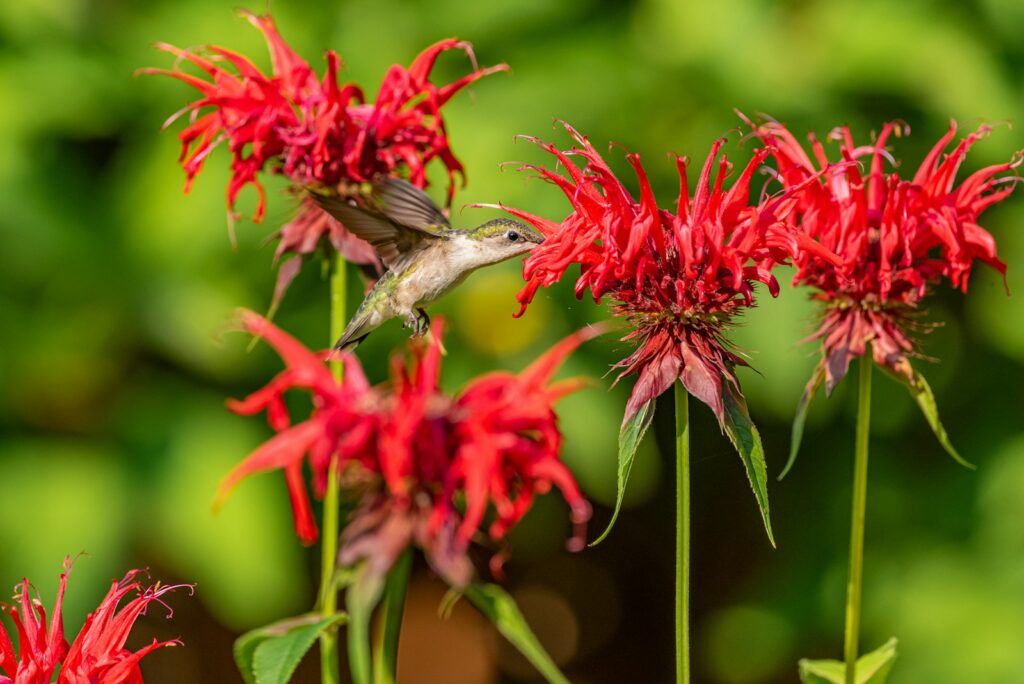
Bee balm adds a burst of color with its red, pink, or purple flowers that bloom from summer to early fall. These blooms attract bees, butterflies, and hummingbirds, making your garden lively.
It grows well in full sun and well-drained soil, and once planted, it does not need much care. Bee balm can handle a range of climates and looks great in borders or containers.
The spicy scent of the leaves adds an extra touch. Strong stems mean you can cut flowers for your home without hurting the plant.
If you want a plant that brings both color and pollinators, bee balm is a winner.
Russian Sage (Perovskia)
Russian Sage is perfect for anyone who wants a low-effort, high-impact plant. It features silvery leaves and tall spikes of lavender-blue flowers from midsummer to fall.
Pollinators love Russian Sage, so your garden will be buzzing with bees and butterflies. It thrives in full sun and well-drained soil, making it ideal for dry or rocky spots.
Once established, it barely needs watering. Russian Sage is also deer-resistant, so you do not have to worry about wildlife.
A light prune in early spring keeps it looking neat. It is a great way to add soft color and texture to your garden with minimal effort.
Coral Bells (Heuchera)
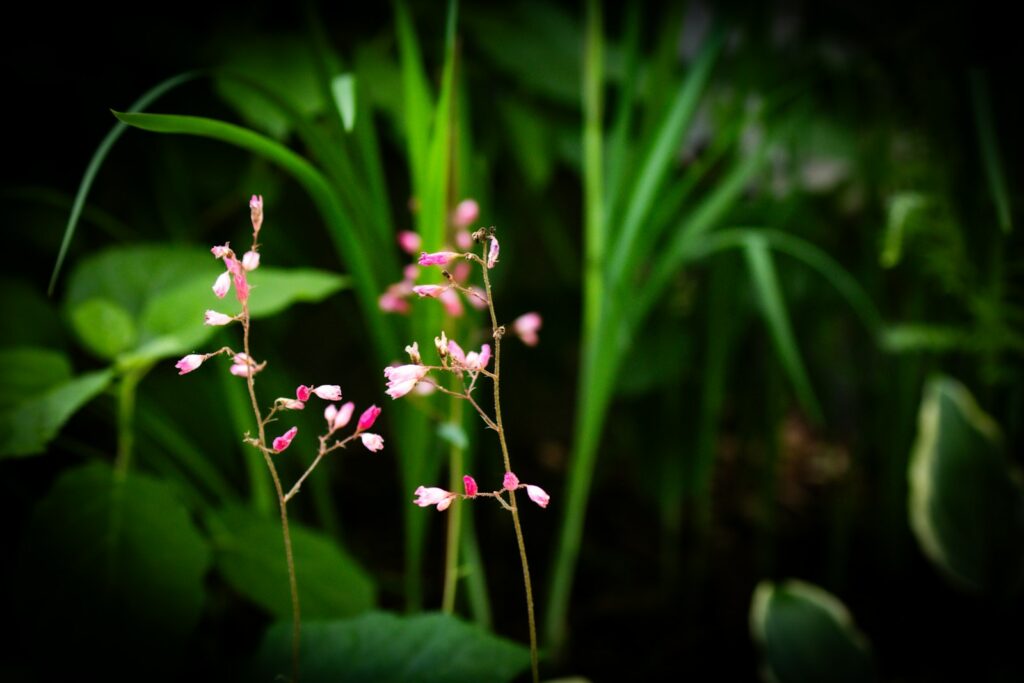
Coral bells are a fun way to add color to shady spaces. Their leaves come in shades from deep purple to bright green, and they look great in beds or containers.
In late spring and early summer, they send up stems with small, bell-shaped flowers that attract hummingbirds and butterflies. You get a long season of interest from both the foliage and the blooms.
Coral bells are undemanding and only need occasional watering if the soil dries out. Divide them every few years to keep them healthy and fresh.
They are a simple, colorful choice for anyone who wants a lively, low-maintenance garden.
Shasta Daisy (Leucanthemum)
Shasta daisies are a classic, easy-care perennial. Their white petals and yellow centers bring a fresh look to any garden.
These plants are tough and adapt to many conditions, thriving in full sun or partial shade. They do not need perfect soil and can handle both hot and cool weather.
Water Shasta daisies during dry spells, but otherwise, they are very hands-off. Bees and butterflies love them, and the blooms last a long time.
They are also great for cutting and bringing inside. If you want a cheerful, low-maintenance flower, Shasta daisies are a great pick.
Why Low-Maintenance Perennials Thrive
Low-maintenance perennials work well in many gardens because they are adaptable and resilient. They can handle different weather and soil types, making them easy for anyone to grow.
Many of these plants have natural defenses against pests and diseases. This means you do not have to spend time spraying or treating them.
Their deep roots help them survive drought and tough conditions. You can plant them once and enjoy their beauty year after year.
Smart Tips for Effortless Garden Success
A thriving garden starts with a few smart habits. Focus on healthy soil and good watering routines to keep your plants strong.
These simple steps help your perennials do their best with very little extra work from you.
Soil Preparation and Mulching Magic
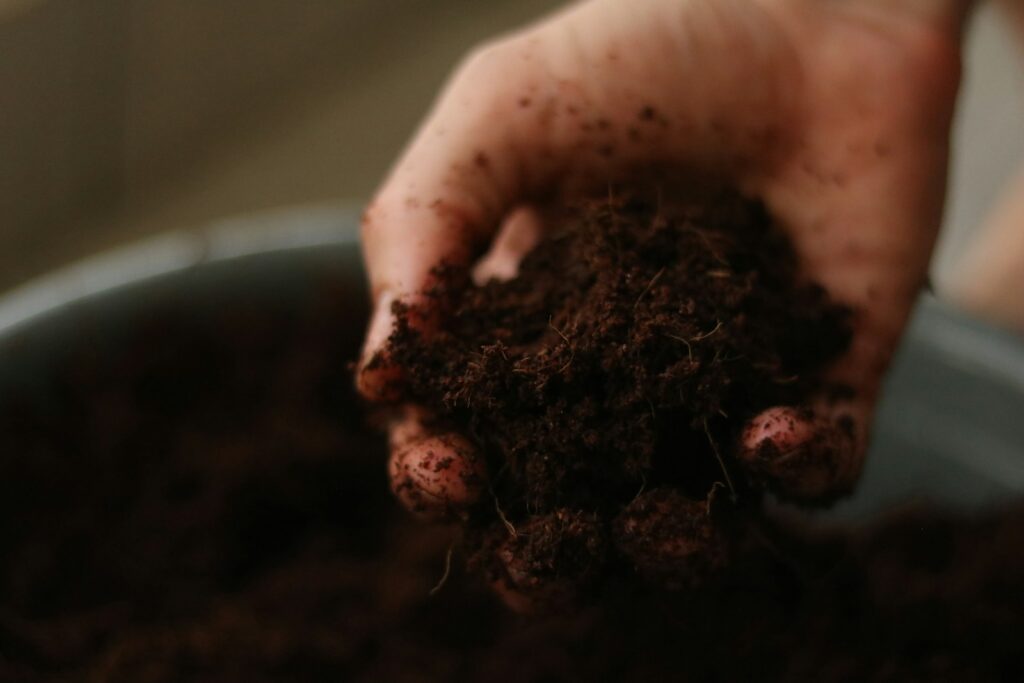
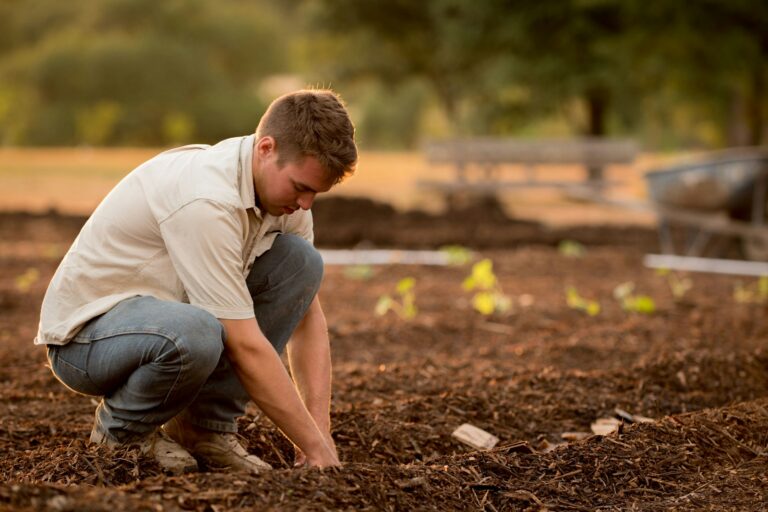
Getting your soil ready is a game changer for any gardener. Loosen the dirt and mix in some compost or aged manure.
This adds nutrients and helps your soil hold onto water, which your perennials need. Once that’s done, it’s time to mulch.
Spread a layer about two to three inches thick around your plants. Mulch keeps the ground cool, stops weeds from popping up, and helps lock in moisture.
You can use bark chips, straw, or shredded leaves. Just make sure not to push the mulch right up against the plant stems so you don’t risk rot.
Watering Strategies for Minimal Upkeep
Finding ways to water your garden without spending hours outside can make life a lot easier. Deep, occasional watering is better than a quick splash every day.
This method helps plants grow stronger roots and handle dry periods. Early morning is the ideal time to water since the soil absorbs moisture before the sun gets too hot.
Try to avoid watering at night to keep plant diseases at bay. Drip irrigation and soaker hoses are great for getting water right to the roots.
These tools help conserve water and keep leaves dry. Once your perennials are established, you will notice you do not have to water nearly as often.