The Most Overrated Plants Gardeners Regret Planting
Ever started a garden project with high hopes, only to find out some plants cause more headaches than happiness? It’s easy to fall for a plant that looks amazing in photos or at the nursery, but once it’s in your yard, reality sets in. Some plants grow too fast, need constant attention, or attract more pests than pollinators.
If you want to avoid digging up mistakes later, it helps to know which plants are more trouble than they’re worth. Here’s a look at some of the most overrated choices that can turn your garden dreams into extra work.
Invasive Bamboo
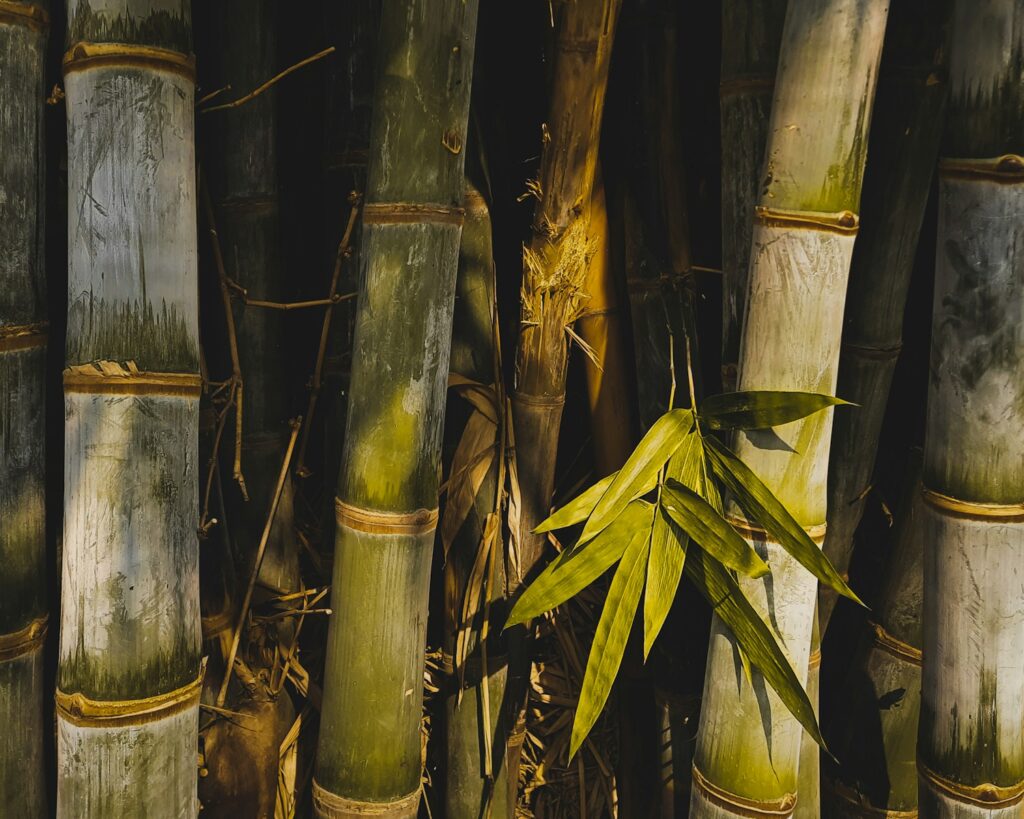
Bamboo might seem like a fast way to get privacy and a lush, green vibe. At first, those tall stalks look perfect for screening out neighbors.
But bamboo is notorious for spreading aggressively and ignoring property lines. Its roots can snake under fences and pop up in places you never expected.
Once it gets going, bamboo is tough to control. Without strong barriers, it’s easy for your yard to turn into a bamboo jungle.
If you’re set on bamboo, stick with non-invasive varieties and install root barriers. Otherwise, you may spend more time fighting it than enjoying it.
English Ivy
English ivy has that classic, old-world charm and covers walls or fences in no time. It’s tempting to let it run wild for a romantic look.
The problem is, it runs wild a little too well. Ivy can smother other plants and even sneak into cracks in your home’s exterior.
It’s not just about looks, ivy can damage brickwork and roofs, leading to repairs you didn’t plan for. The dense growth also blocks sunlight from your other garden favorites.
If you decide to plant it, be ready for regular trimming and vigilance. Otherwise, your garden might end up looking more haunted than charming.
Hybrid Tea Roses
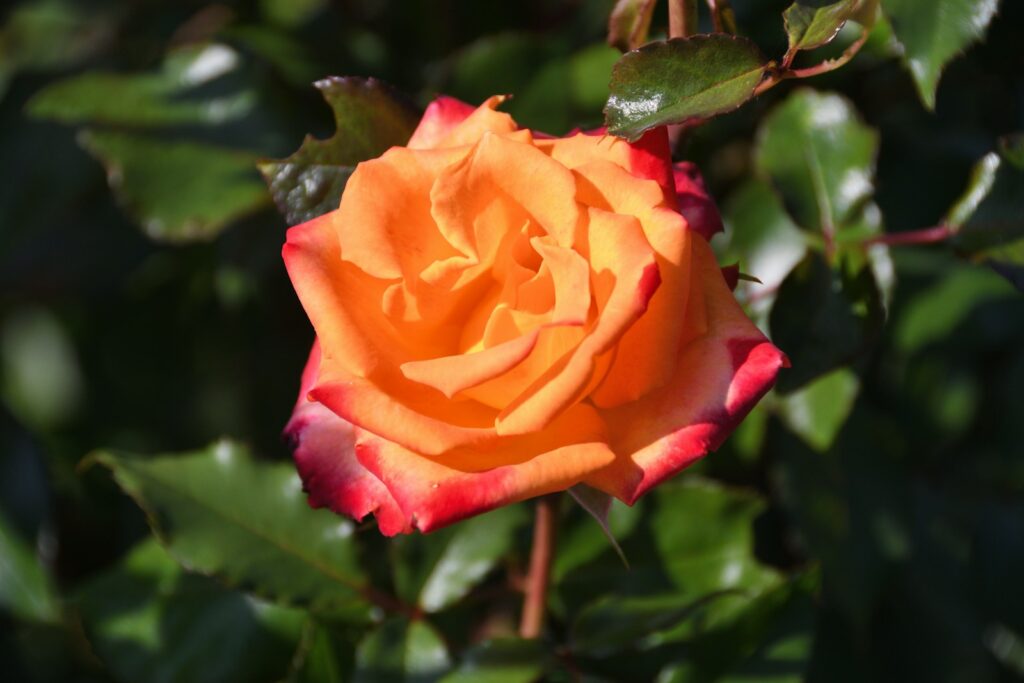
Hybrid tea roses are the poster child for classic beauty with their long stems and big blooms. They’re popular for bouquets and add elegance to any garden.
Underneath all that beauty is a diva. These roses are fussy, needing constant pruning, disease prevention, and just the right amount of water.
They’re prone to issues like black spot and pests, and the plants themselves can look sparse with only one bloom per stem. If you don’t keep up, you might end up disappointed with their performance.
If you love a challenge and want to show off your gardening skills, go for it. Otherwise, there are easier rose varieties that look great with less hassle.
Japanese Knotweed
Japanese knotweed might look innocent with its pretty summer blooms. But don’t let looks fool you. Once it’s in your garden, it’s almost impossible to get rid of.
This plant thrives in damp soil and can send roots deep underground. Digging it up rarely works, and even a small piece left behind can regrow.
Trying to mow or cut it just encourages more growth. It spreads fast and can choke out native plants, making your garden less welcoming to wildlife.
If you spot knotweed, act quickly and use strong barriers. It’s one of those plants best left out of your landscape plans.
Lily of the Valley
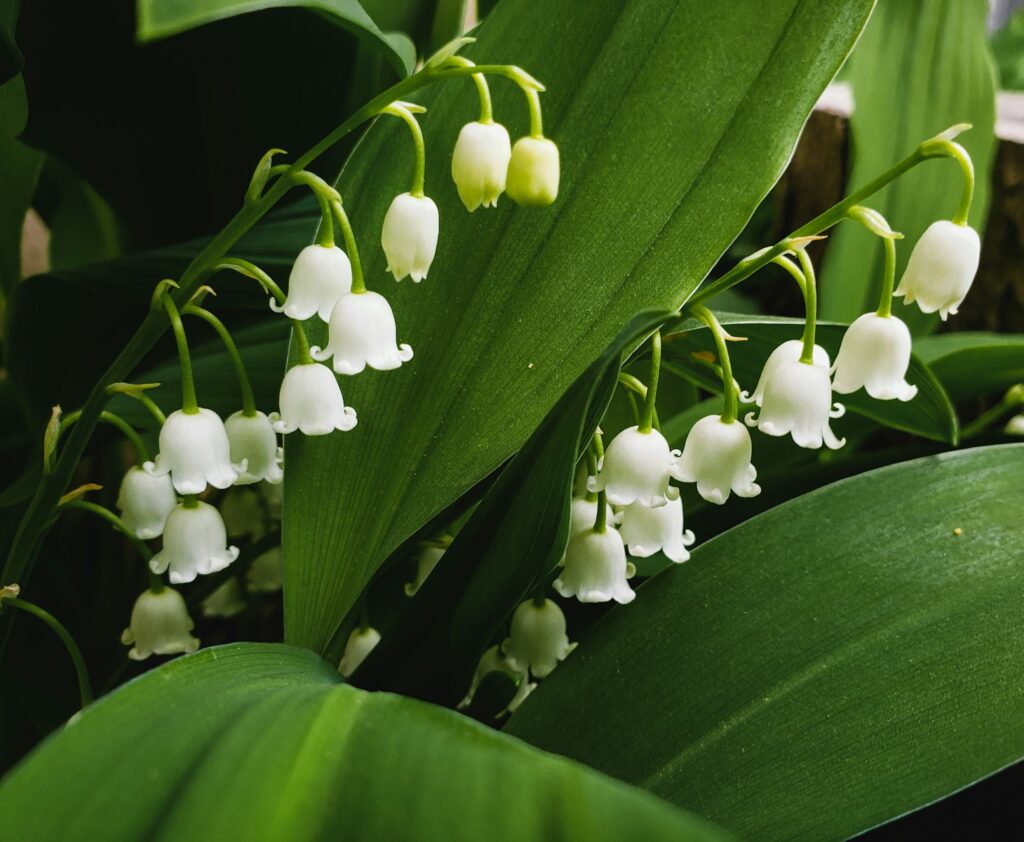
Lily of the valley has a sweet scent and cute white flowers that pop up in shady spots. It’s easy to see why gardeners love it.
But this plant spreads like wildfire. Once established, it forms thick mats that are hard to dig out.
Its underground rhizomes move quickly, popping up where you least expect. If you want a tidy garden, lily of the valley might test your patience.
It’s also toxic if eaten, so think twice if you have kids or pets. Pretty as it is, this one comes with strings attached.
Monday Glory (Ipomoea lobata)
Monday Glory is a showstopper with its flame-colored flowers and rapid growth. It’s perfect if you want to cover a fence in record time.
The trouble is, it doesn’t know when to stop. Left unchecked, it can smother other plants and take over your garden beds.
This vine is also sensitive to cold, so it might not survive winter in cooler climates. You’ll likely need to replant it each year.
If you want a quick burst of color, it’s a fun option. Just be prepared for the maintenance and possible replanting every season.
Mint (Spearmint)
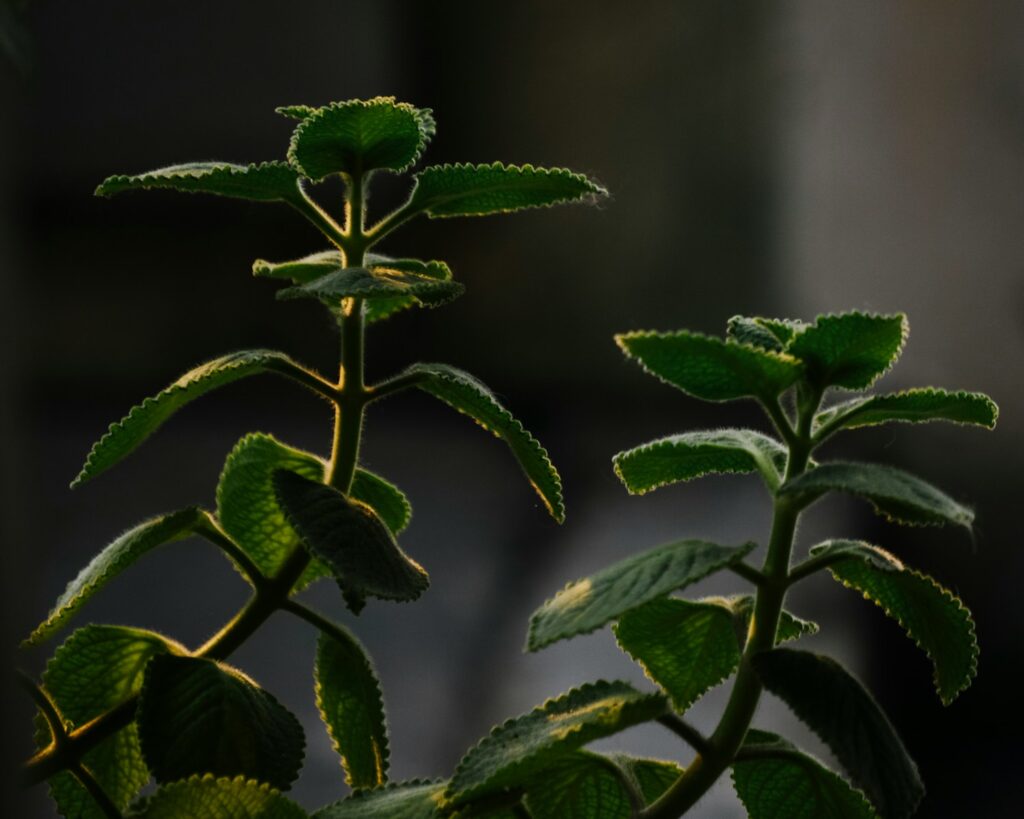
Mint is one of those herbs everyone wants for fresh teas and summer drinks. It smells amazing and is easy to grow.
The catch? Mint spreads underground and can quickly overrun your garden. Shoots pop up far from where you planted it, crowding out other plants.
It’s best to grow mint in containers to keep it in check. Otherwise, you’ll spend hours pulling it out of places you never wanted it.
Mint is great if you keep it contained. Just don’t let it loose in your main garden beds.
Gardenia
Gardenias are famous for their glossy leaves and intoxicating scent. They’re a favorite for anyone who wants a fragrant garden.
These beauties are picky about their environment. They need just the right amount of sunlight and prefer acidic, well-drained soil.
Watering can be tricky, too much or too little and the plant suffers. They’re also magnets for pests like aphids and whiteflies.
If you’re up for a gardening challenge and love the scent, gardenias can be worth it. Just be ready for some trial and error.
Norway Maple
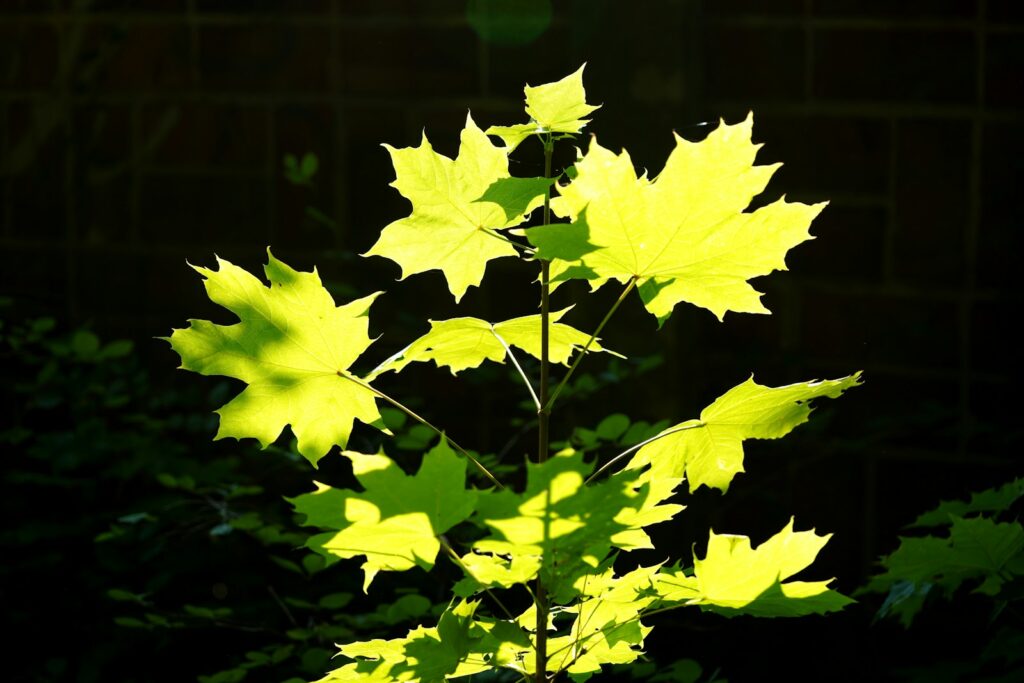
Norway maples grow fast and provide dense shade, making them seem like a great choice for a quick landscape fix. Their colorful leaves can really brighten up a yard.
Unfortunately, their shade is so dense that grass and other plants struggle to grow underneath. The roots can also make planting nearby a nightmare.
These trees are tough to remove once established, and they don’t play well with native plants. They can crowd out local trees and reduce garden diversity.
If you want a low-maintenance, eco-friendly garden, you might want to skip the Norway maple.
Azaleas
Azaleas are loved for their vibrant blooms in shades of pink, white, and purple. They can really make a garden pop in spring.
They need the right spot to thrive, partial sun and moist, well-drained soil. Too much sun or heavy shade, and they’ll struggle.
Azaleas also like slightly acidic soil, which can be a hassle to maintain. Planting them near the wrong shrubs can also cause problems.
If you’re willing to put in the work, azaleas can be stunning. Just know they’re not as easygoing as they look.
The Trap of Trendy and Exotic Plants
It’s easy to get swept up by a plant that’s all over social media or looks unique at the garden center. Sometimes, these trendy or exotic plants sound perfect until you realize how much care they need.
Unusual plants often require special soil, more watering, or protection from local pests. They might not handle your climate well, which means extra work to keep them healthy.
Jumping on the latest trend can lead to disappointment if the plant turns out to be high-maintenance. Local favorites and tried-and-true varieties are usually a safer bet.
Before buying, check if a plant fits your climate and lifestyle. You’ll save yourself a lot of frustration and still have a beautiful garden.
| Factor | What to Consider |
|---|---|
| Climate Fit | Can the plant handle local weather? |
| Soil Requirements | Does it need special soil types? |
| Maintenance Level | How much time can you spend? |
| Pest and Disease Risk | Is it vulnerable to common problems? |
This quick checklist can help you avoid overrated plants and pick winners for your yard.
Choosing Plants You Won’t Regret
Picking the right plants isn’t just about what looks good at the store. Think about your space, climate, and how much time you want to spend on upkeep.
When you match plants to your lifestyle and local conditions, you’ll enjoy your garden more and spend less time fixing problems. Your future self will thank you for making smart choices now.
Tips to Assess Plant Suitability
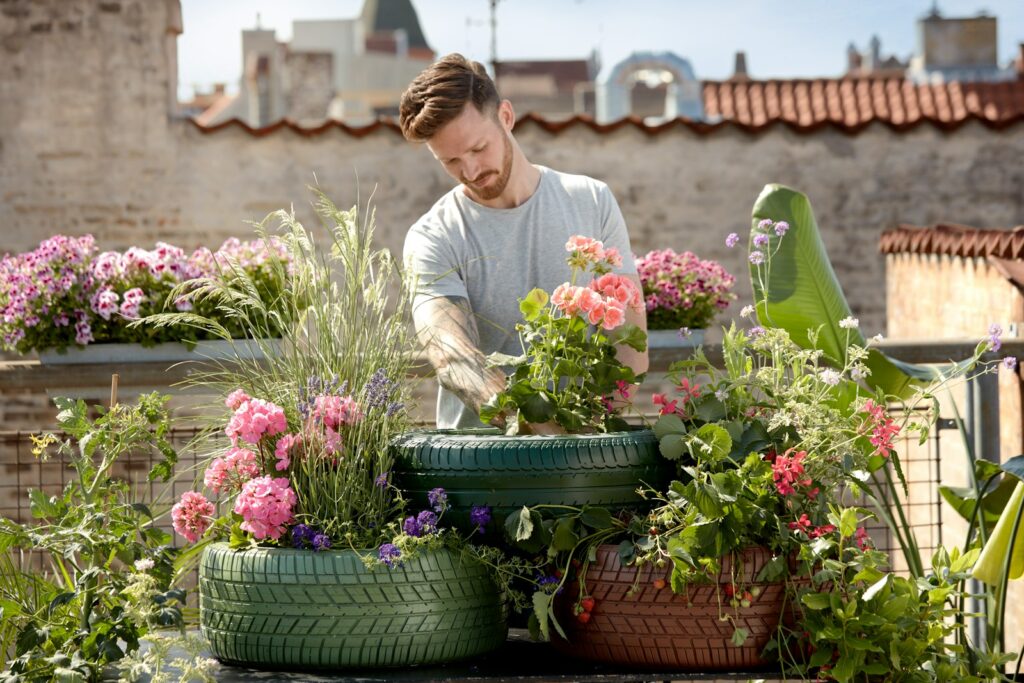
Take a good look at your garden before picking out any plants. Notice whether your outdoor space gets lots of sun or stays mostly in the shade.
Check the soil to see if it drains quickly or stays soggy after a rain. Some plants thrive in wet soil, while others do better when it’s dry.
Think about how much time you want to spend caring for your plants. If you don’t want to be out there every weekend, avoid plants that need constant trimming or attract lots of pests.
Be careful with plants known for spreading fast. They can quickly take over more space than you expect.
Before you head to the nursery, keep this checklist in mind:
- Sunlight needs (full, part, shade)
- Soil type (sandy, clay, loam)
- Water requirements
- Growth size and spread
- Maintenance level needed
Keeping these points in mind makes it easier to choose plants that will actually work for your space.
How to Research Beyond the Hype
Scrolling through garden inspiration online can be fun, but it’s easy to get caught up in the latest trends. Sometimes the prettiest plants aren’t the best fit for your yard.
Talk to gardeners in your area and check out local reviews. This helps you find out which plants actually thrive nearby.
Some plants look amazing but end up being invasive or needing constant attention. It’s worth checking if your favorites are easy to care for or if they could become a headache.
Look for plants that naturally resist pests. This can save you trouble down the line.
Try using gardening forums and advice from local experts. Comparing tips from several places gives you a better idea of what will really work for you.