The Best Plants for Attracting Beneficial Insects
Ever notice how some gardens seem to thrive with fewer pests and more blooms? The secret often lies in attracting the right insects. Beneficial bugs can be your garden’s best friends, helping you control pests and boosting pollination naturally.
Choosing plants that provide food, shelter, and breeding spots for these insects makes a big difference. With the right mix, you can enjoy a healthier, more productive garden without reaching for chemicals.
Fennel: a favorite for ladybugs and parasitic wasps!
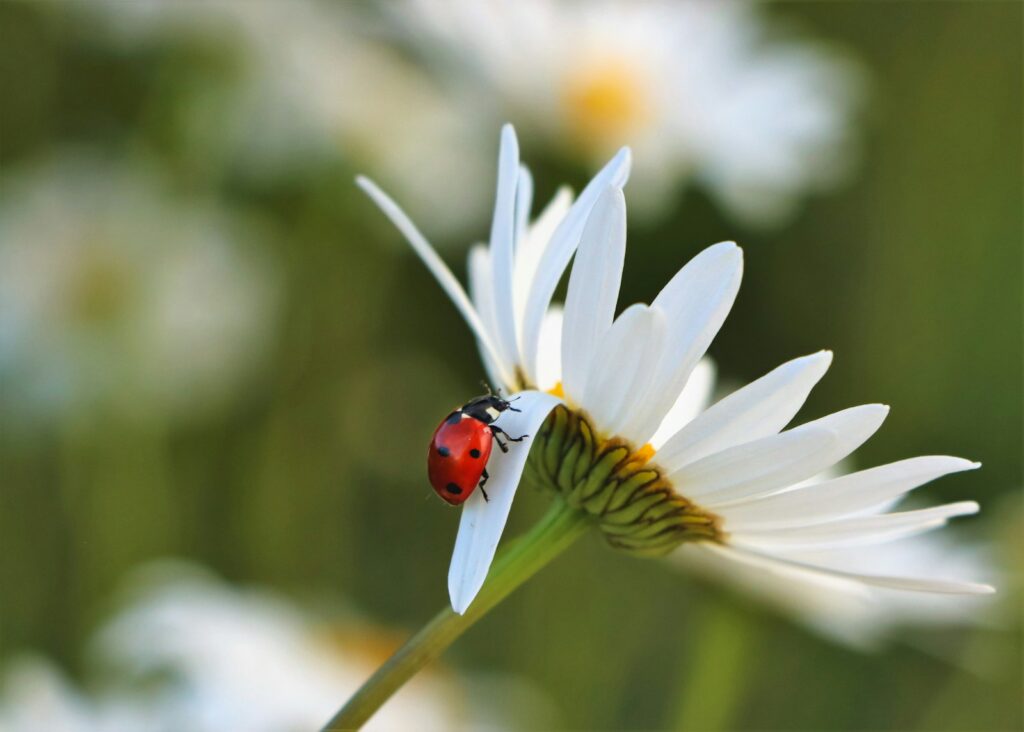
Fennel is one of those plants that brings life to your garden in more ways than one. Its large, flat flowers are loaded with nectar, attracting ladybugs and parasitic wasps.
These insects help keep pest populations down by feeding on harmful bugs. Fennel also draws in hoverflies and lacewings, both of which play a part in protecting your plants.
Its deep roots help loosen the soil and improve water flow. Just keep in mind that fennel can interfere with the growth of some nearby plants, so choose its spot carefully.
Common Yarrow: attracts lacewings and hoverflies with its flat flowers
If you want a plant that brings in the bug squad, try common yarrow. Its flat, umbrella-like flowers are a magnet for lacewings and hoverflies.
These helpful insects love the nectar and stick around to eat pests like aphids. Yarrow blooms for a long time, giving beneficial bugs a reason to return all summer.
The fern-like leaves also offer shelter for insects to rest or lay eggs. Yarrow not only looks pretty but also helps keep your garden naturally balanced.
Buckwheat: irresistible to ladybugs and beneficial predatory insects

Buckwheat is a fast-growing plant that’s perfect for drawing in ladybugs, hoverflies, and minute pirate bugs. These insects help tackle aphids and mites, saving your plants from damage.
Even if your soil isn’t great, buckwheat can thrive as a cover crop between main crops. Its flowers are packed with nectar and pollen, giving beneficial insects plenty to eat.
Buckwheat also attracts parasitic wasps and native bees, both of which pollinate and control pests. With buckwheat, your garden becomes a busy hub of helpful insect activity.
Marigolds: vibrant and loved by many pest-eating bugs
Marigolds bring a pop of color and a lot of benefits to any garden. Their bright blooms attract ladybugs, hoverflies, and parasitic wasps.
These insects are natural pest controllers, feeding on aphids and whiteflies. Marigolds can also lure some pests away from your veggies, offering extra protection.
They’re known to repel nematodes and mosquitoes as well. Marigolds are easy to grow and need little care, making them a solid choice for gardeners who want both beauty and function.
Cosmos: blooms all summer, drawing in helpful pollinators

Cosmos are a go-to if you want a garden buzzing with life. Their open-faced flowers attract bees, butterflies, and even hummingbirds.
These blooms last all summer, so pollinators keep coming back. Cosmos come in a range of colors, adding variety and energy to your garden.
They grow well in poor soil and need little fuss. Plus, hoverflies love cosmos and help control pests like aphids.
Cosmos support pollinators that help your veggies and flowers thrive. With these cheerful blooms, your garden stays lively and productive.
Dill: an Apiaceae family star that welcomes parasitic insects
Dill does more than flavor your food. Its yellow, umbrella-shaped flowers attract a crowd of beneficial insects.
Parasitic wasps often visit dill and help keep aphids and whiteflies in check. Ladybugs and lacewings are also frequent visitors, feeding on destructive bugs.
Hoverflies love dill flowers too, and their larvae eat aphids and mealybugs. Dill’s feathery leaves and tall stems add beauty and provide a home for these helpful insects.
Queen Anne’s Lace: perfect for attracting small parasitic wasps
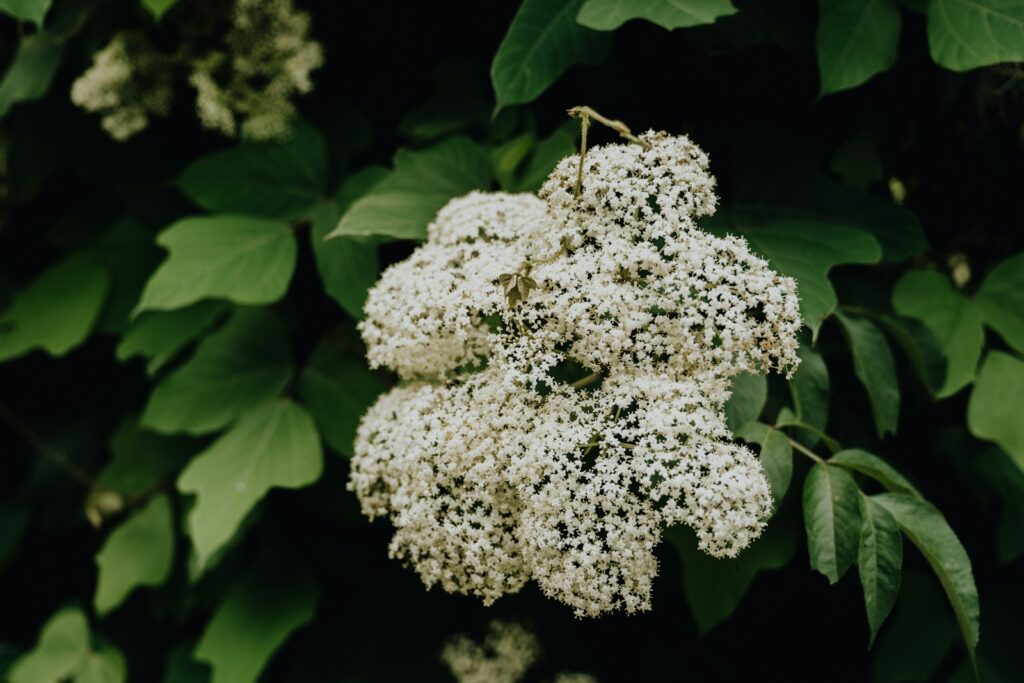
Queen Anne’s Lace is a classic for drawing in small parasitic wasps. These tiny wasps are effective at keeping harmful bugs away from your plants.
The plant’s flat clusters of tiny white flowers are easy landing pads for beneficial insects. Bees and butterflies also enjoy the nectar, sticking around to help your garden.
Queen Anne’s Lace is a simple way to bring more helpful insects into your space without chemicals.
Sweet Alyssum: great for hoverflies and tiny beneficial flies
Sweet alyssum is a low-growing plant with small, fragrant flowers. It’s a favorite for hoverflies and other tiny beneficial flies.
These insects are great at eating aphids and other pests. Sweet alyssum blooms for most of the season, making it a steady source of nectar.
It works well along the edges of beds or in pots, and its sweet scent draws in pollinators. Hoverflies lay eggs near pests, and their larvae help keep your plants safe.
Borage: a magnet for native bees and pollinators
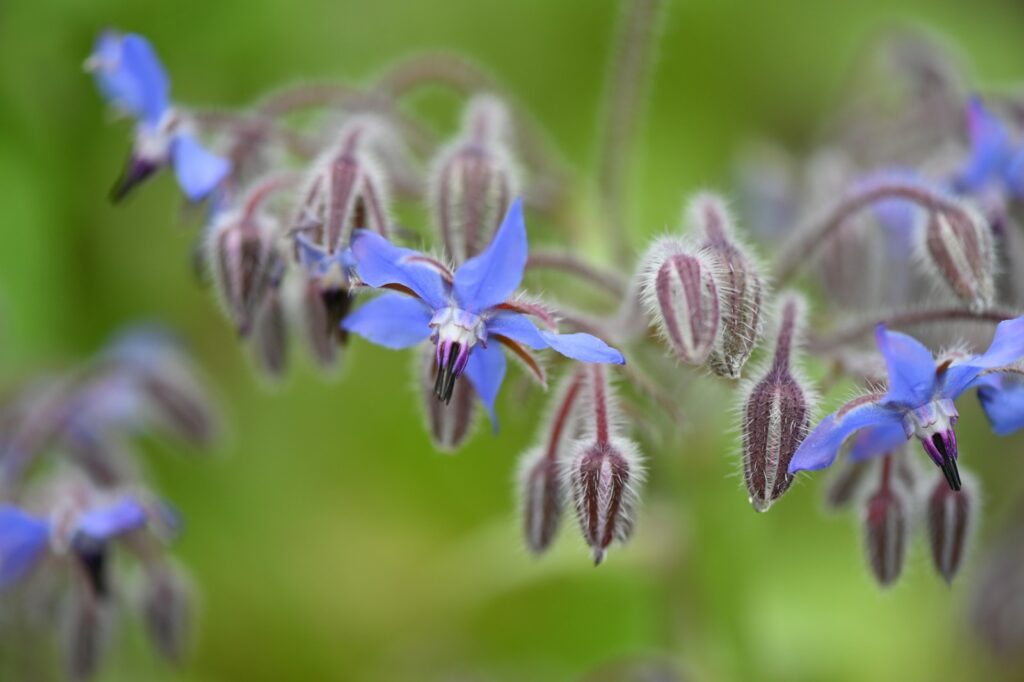
Borage stands out for its star-shaped blue flowers that bees can’t resist. Native bees and bumblebees flock to borage for its abundant nectar.
Planting borage near vegetables can boost pollination and improve yields. The flowers refill with nectar several times a day, so pollinators keep coming back.
Borage also attracts beneficial wasps that help with pest control. It’s easy to grow and often comes back every year with minimal effort.
Sunflowers: dazzling and adored by pollinators and predatory bugs
Sunflowers are a favorite for attracting a wide range of helpful insects. Their tall, bright blooms draw in bees and butterflies from summer through fall.
They also bring in predatory bugs like ladybugs and lacewings, which help control pests. Spiders often take shelter on sunflowers, adding another layer of pest protection.
Sunflowers create a lively garden environment where insects work together to boost pollination and keep pests in check.
How Beneficial Insects Support Garden Health
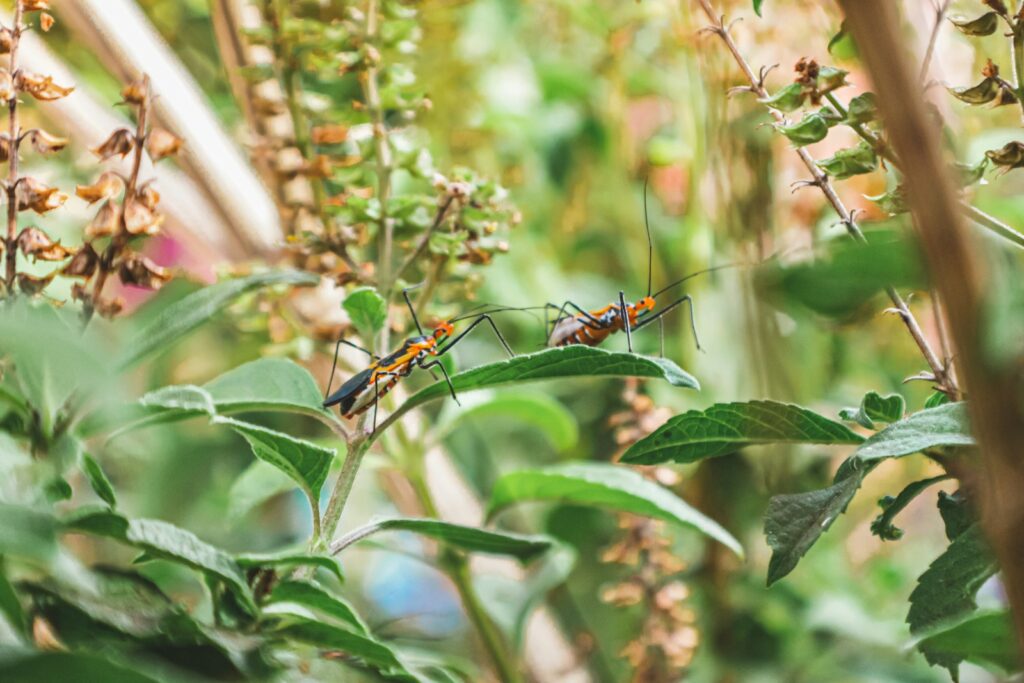
Beneficial insects play a big role in keeping your garden healthy. They help control pest populations and support pollination, making your plants stronger.
Ladybugs, lacewings, and parasitic wasps feed on harmful bugs like aphids and mites. Attracting these insects means less need for chemical pesticides.
Pollinators like bees and butterflies transfer pollen as they feed, helping fruits and vegetables develop. More pollinators mean bigger crops and more flowers.
Design Tips for an Insect-Friendly Garden
Making your garden welcoming for beneficial insects is easier than you might think. Choose a variety of plants and provide places for bugs to hide and access water.
Mix flowers, herbs, and shrubs that bloom at different times to supply food all season. Plants like dill, fennel, cilantro, and parsley have umbrella-shaped flowers that attract many insects.
Add bright blooms like marigolds and sunflowers to draw in pollinators. Mixing plant shapes and colors offers more spots for insects to rest and feed.
A diverse garden attracts more types of beneficial insects, helping your plants thrive naturally.
Providing Shelter and Water Sources

Think about what it takes to make your garden a welcoming place for beneficial insects. They need more than just food to stick around.
Safe spots to hide and lay eggs are important. Try adding small shrubs, leaf piles, or even an insect hotel to give them a cozy shelter.
A shallow water source can make a big difference too. Place a little dish with stones or a birdbath with ramps so bugs can get a drink.
Keep the water fresh and shallow so insects can reach it easily. These little changes can help turn your garden into a favorite hangout for helpful bugs.