How to Build a Garden That Blooms From Spring to Fall
Imagine stepping outside and seeing fresh blooms for months instead of just a few short weeks. A garden that keeps changing from early spring to late fall is possible with a bit of planning and the right plant choices.
Watching your yard shift with the seasons adds excitement and a sense of accomplishment. You don’t need to be an expert to create a space that stays colorful and lively for most of the year.
Plan Bloom Succession with Early Tulips, Summer Daylilies, and Fall Asters
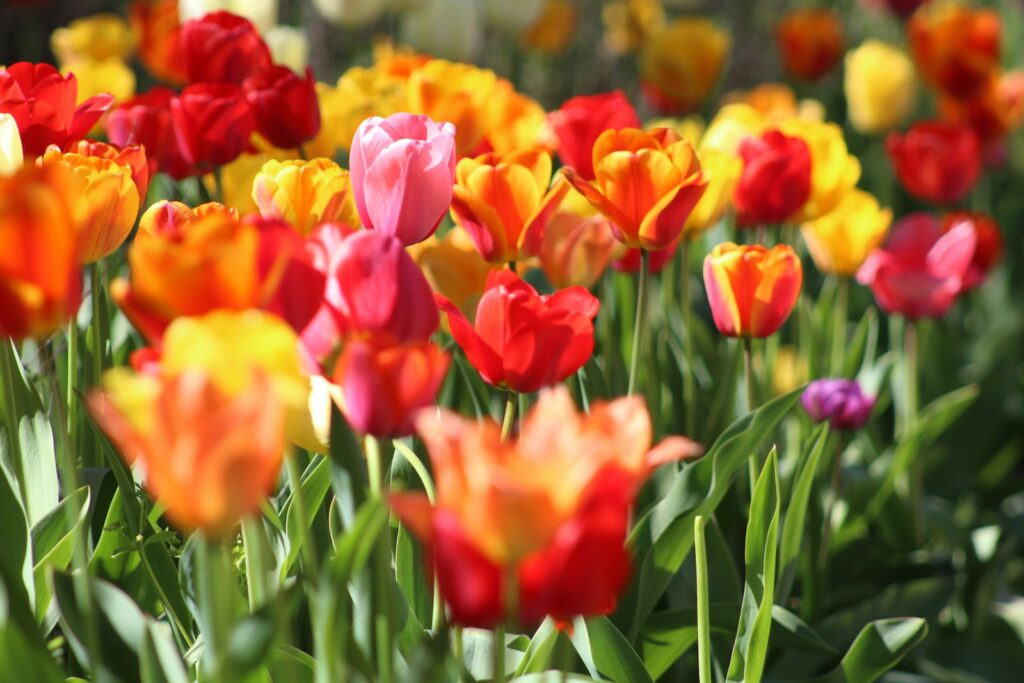
Choose flowers that take turns blooming to keep your garden interesting. Start with tulips in early spring for a burst of color.
Once tulips fade, summer daylilies step in. Their strong blooms last through the heat and keep your garden feeling full.
As summer winds down, fall asters bring in beautiful purple and pink shades. This keeps your garden looking fresh even as the season changes.
Choose Long-Blooming Perennials Like Coneflowers and Black-Eyed Susans
Long-blooming perennials make things easier and more beautiful. Coneflowers and Black-Eyed Susans are reliable choices that keep their color going for months.
Coneflowers come in purple, pink, and white, and they stand up to tough weather. Deadheading spent blooms will help them last even longer.
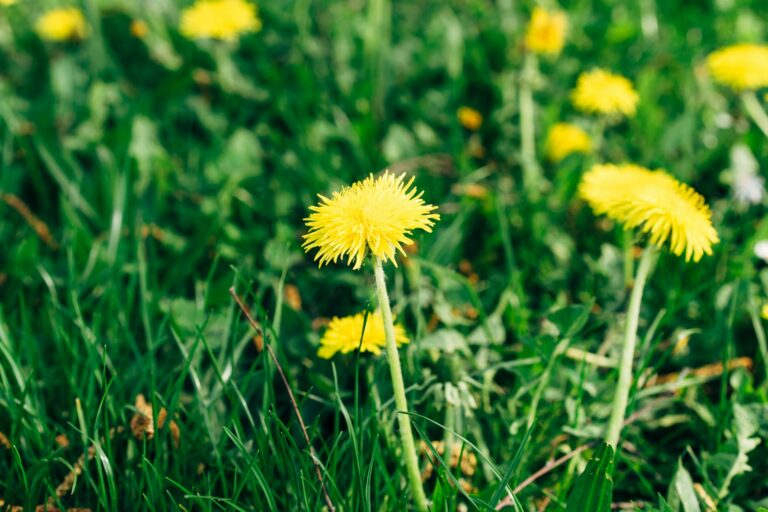
Black-Eyed Susans add sunny yellow with bold centers. If you deadhead them, they often bloom twice in a season.
These plants are low-maintenance and fit well with others, creating a garden that’s always putting on a show.
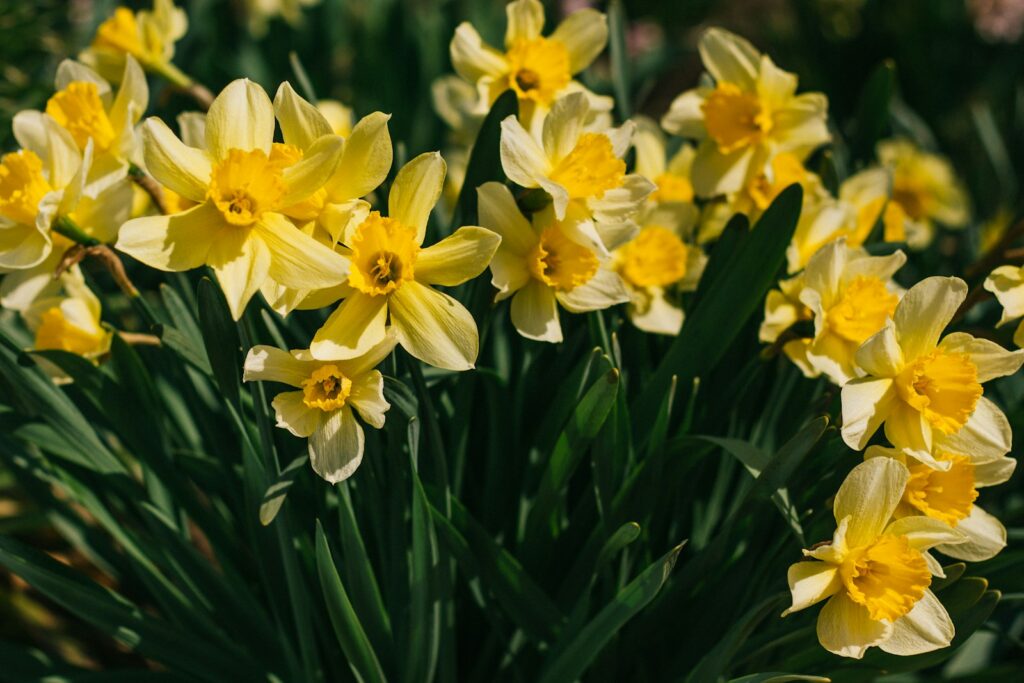
Include Spring Bulbs such as Crocuses and Daffodils for Early Color
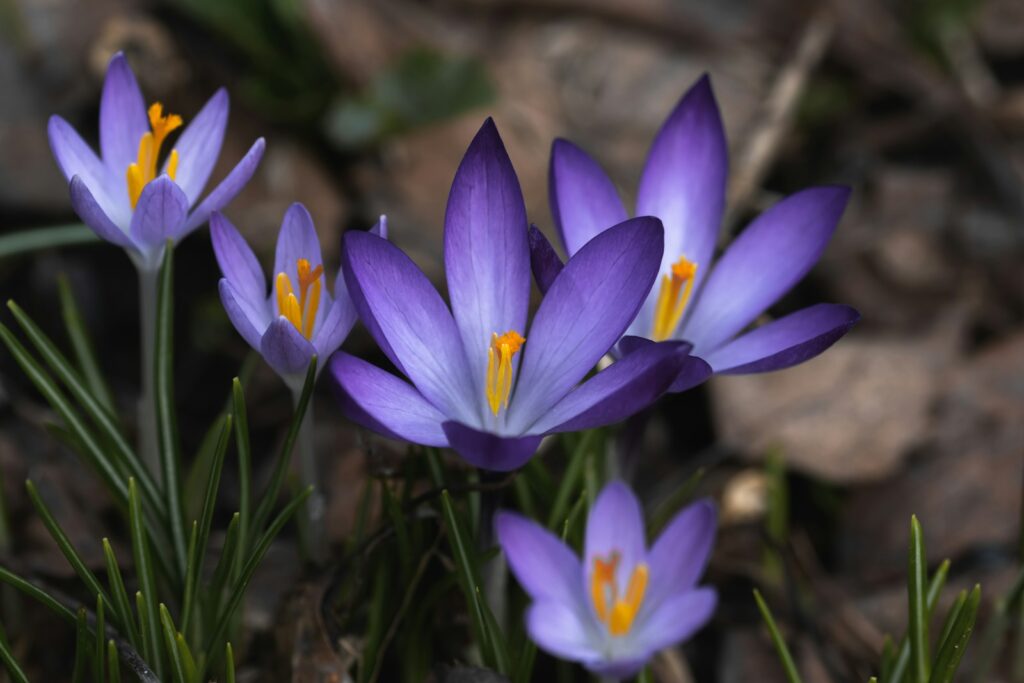
Spring bulbs like crocuses and daffodils bring life to your garden when everything else is still waking up. Plant the bulbs in fall to give them time to grow strong roots.
These flowers are easy to care for and come back year after year. They’re perfect for lawns, flower beds, or even pots.
Mix different bulbs to stretch the blooming period over several weeks. This way, you get an early start to the season with cheerful color.
Add Summer Favorites like Sunflowers and Bee Balm
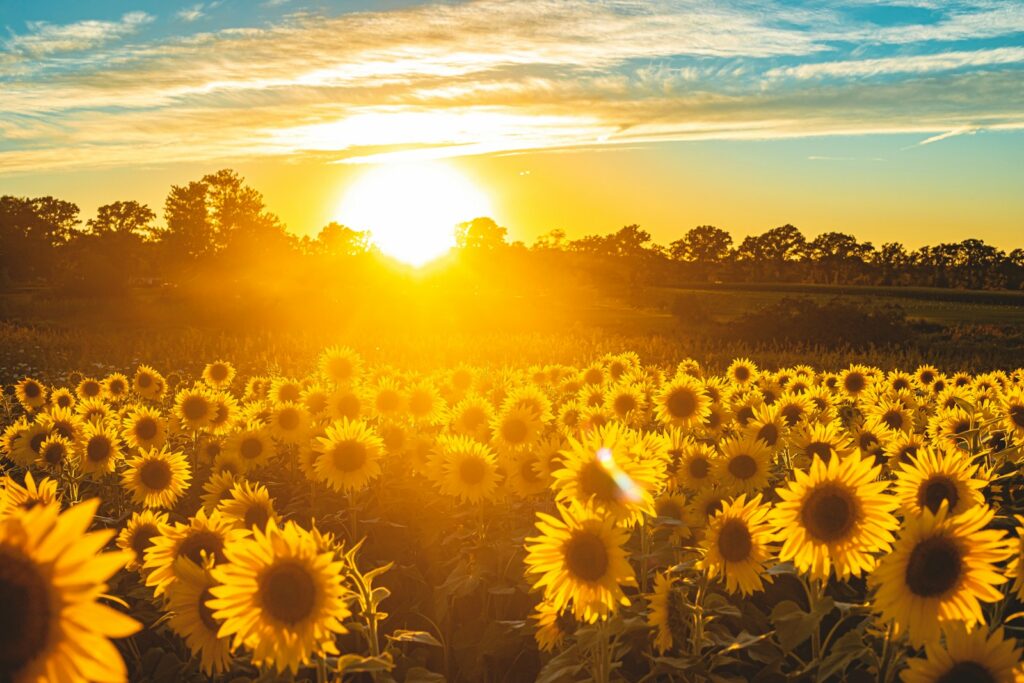
Summer is the time for bold, fun flowers. Sunflowers stand tall and bring bright yellow to your space.
Bee balm adds pops of red, pink, or purple and attracts bees, butterflies, and hummingbirds. It also smells great and gives your garden a wild, energetic look.
Both are easy to grow and love the warmth. Give bee balm room to spread and enjoy sunflowers’ seeds and nectar for wildlife.
Incorporate Fall Bloomers like Sedum and Chrysanthemums

As the weather cools, sedum and chrysanthemums keep your garden lively. Sedum has fleshy leaves and clusters of flowers that look great in autumn.
Chrysanthemums, or mums, offer bright colors and fluffy blooms that last into the cooler months. Pair them for a mix of textures and colors.
Both plants are tough and don’t need much care. Just plant them in good soil and give them enough light for a garden that shines through fall.
Plant Evergreens and Ornamental Grasses for Year-Round Structure
Evergreens keep your garden from looking empty when flowers aren’t blooming. They provide a steady green backdrop in every season.
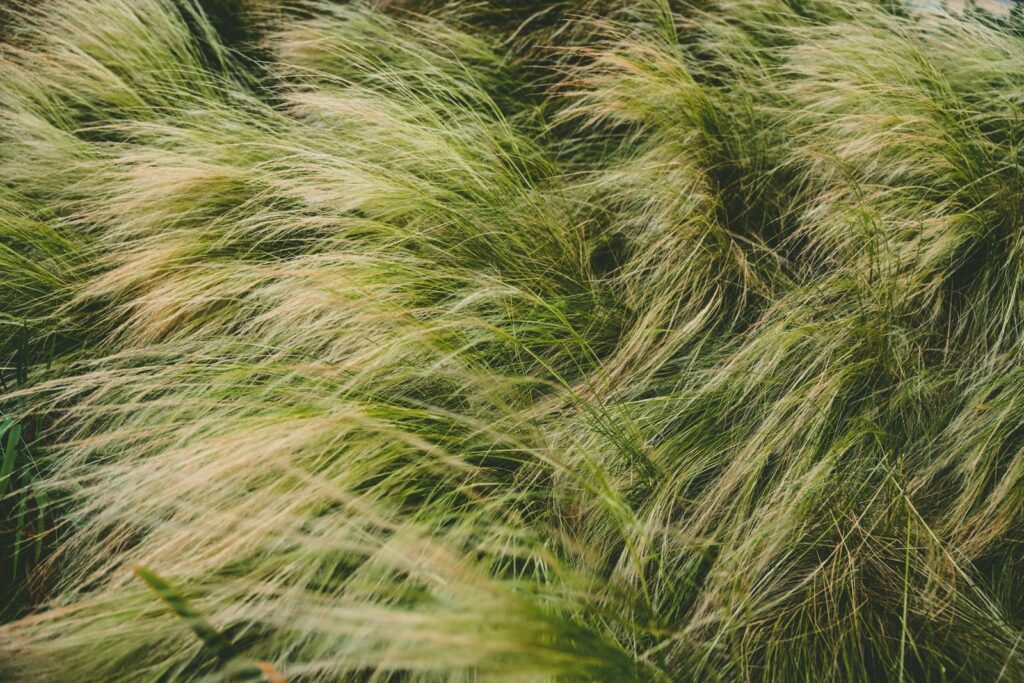
Ornamental grasses add movement and texture. Their plumes and swaying leaves give your garden a dynamic look.
Mixing evergreens and grasses creates a strong foundation. Use them for borders, privacy screens, or to fill empty spots.
Plant grasses in spring or fall and use mulch to help them thrive. Both evergreens and grasses are easy to care for and work for any level of gardener.
Use Companion Planting to Extend Blooming Times
Companion planting lets you stretch your garden’s color across the seasons. Place early bloomers next to summer flowers so there’s always something happening.
Mix vegetables, herbs, and flowers that benefit each other. Some plants keep pests away or improve the soil.
Try herbs with strong scents to help your garden thrive. Experiment with different combinations to find what works best in your space.
Deadhead Flowers Regularly to Encourage New Blooms
Deadheading is a simple way to keep your garden looking fresh. Removing faded flowers helps plants put energy into new blooms.
Snip off wilted flowers just above a set of leaves or buds. This encourages more blossoms and keeps your garden lively.
Make deadheading a regular habit. You’ll notice more flowers and a longer blooming season.
Select Native Plants Adapted to Your Hardiness Zone
Native plants are a smart pick because they’re used to your local climate and soil. They need less water and fewer chemicals, making them easier to care for.
These plants also support bees, butterflies, and birds in your area. Look up your hardiness zone and choose natives that thrive there.
Your garden will be easier to maintain and more resilient. Plus, you’ll help local wildlife right in your backyard.
Include Berry Bushes like Blueberries for Late Season Interest
Berry bushes like blueberries add color and interest as the season winds down. Their leaves turn bright shades in fall, and the berries are tasty and fun to pick.
Plant blueberries in the fall so their roots get established before winter. They’ll reward you with fresh leaves and fruit in spring and summer.
Keep watering even after harvest to help them stay healthy. Blueberry bushes add beauty and enjoyment year after year.
Understanding Seasonal Bloom Cycles
Knowing how your local weather affects plants helps you plan for continuous blooms. Pick the right flowers and plant them at the right times to keep your garden colorful.
How Climate and Zone Impact Flowering
Your climate and hardiness zone decide which plants will thrive. Zones are based on the coldest temperatures in your area.
If you plant flowers that aren’t suited to your zone, they might not survive or bloom well. For example, tulips need a cold period, while sunflowers love the heat.
Check your zone before choosing plants. This helps ensure your garden blooms strong and lasts.
Timing Tips for Continuous Color
Mix plants with early, mid, and late bloom times to avoid gaps. Spring bloomers like daffodils and tulips start the season.
Summer flowers such as coneflowers and daylilies keep things going. Fall bloomers like asters and sedum finish the year.
Add shrubs or evergreens for structure when flowers aren’t blooming. This keeps your garden looking good all year.
Caring for Your Blooming Garden
A little attention goes a long way. Water, feed, and protect your plants so they stay healthy and keep blooming.
Watering and Fertilizing Strategies
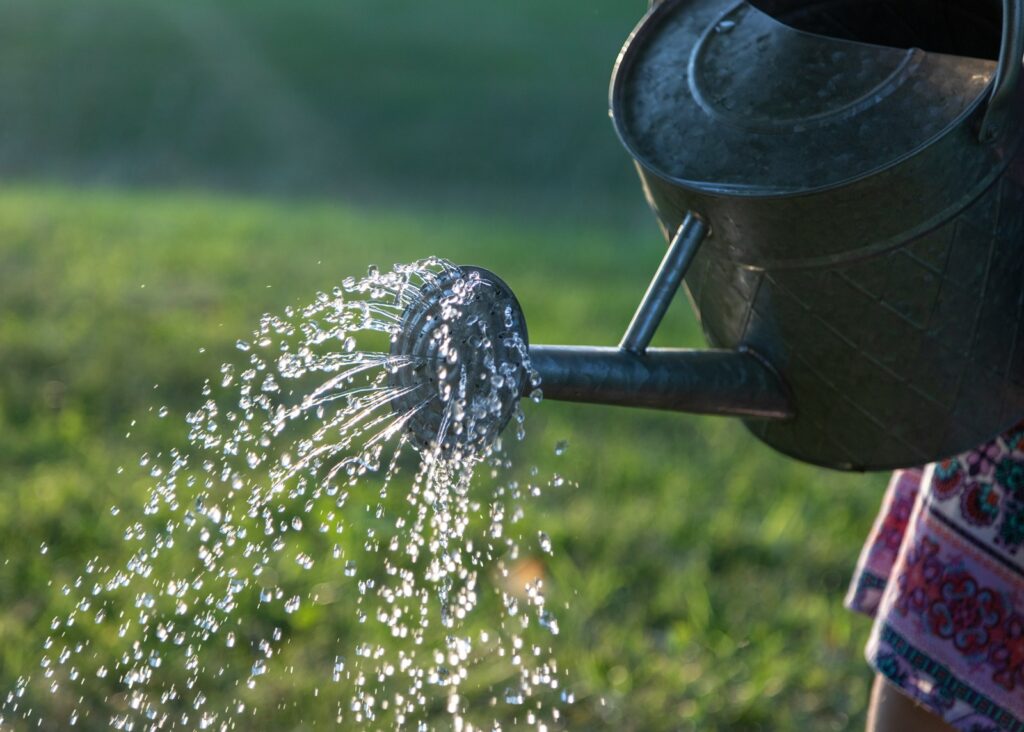
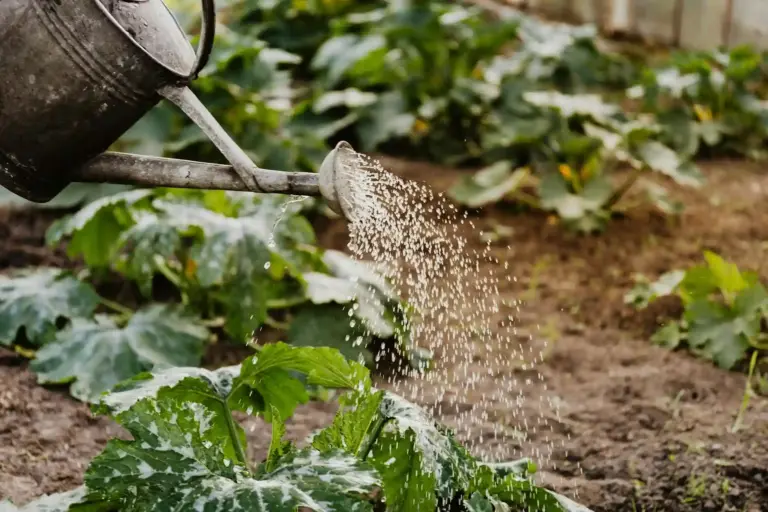
Water deeply but not too often to help roots grow strong. Early morning is the best time to water so leaves dry out during the day.
Mulch helps keep soil moist and cool while reducing weeds. Use a balanced fertilizer for flowering plants every few weeks during the growing season.
Check soil moisture and adjust as the weather changes. Hot, dry days mean your plants might need a little extra care.
Integrated Pest Management for Long-Term Health
It is frustrating to see pests undo all your gardening efforts. One way to fight back is by attracting helpful insects such as ladybugs and lacewings.
These beneficial bugs will naturally eat the pests that threaten your plants. Make it a habit to check your plants regularly for any signs of trouble.
If you notice damage or disease, remove affected leaves right away. Sometimes insecticidal soap is enough to tackle the issue without resorting to harsh solutions.
Certain flowers can help keep unwanted bugs at bay. Marigolds and nasturtiums are especially useful for deterring pests.
Switch up where you plant each year to confuse pests. Cleaning up dead leaves and debris also reduces hiding spots for bugs.