Beautiful Plants That Deer Hate to Keep Your Garden Thriving and Pest-Free
Deer can be a real headache for anyone who loves spending time in the garden. You put in the work, only to find your favorite plants nibbled down overnight.
Instead of fighting a losing battle or putting up unsightly barriers, you can fill your garden with gorgeous plants that deer usually steer clear of. These plants not only add beauty and color but also help keep your garden thriving and pest-free.
You can protect your garden naturally by choosing plants that deer don’t like to eat. These plants add color and life to your yard while helping keep those hungry visitors at bay.
Lavender with fragrant purple spikes
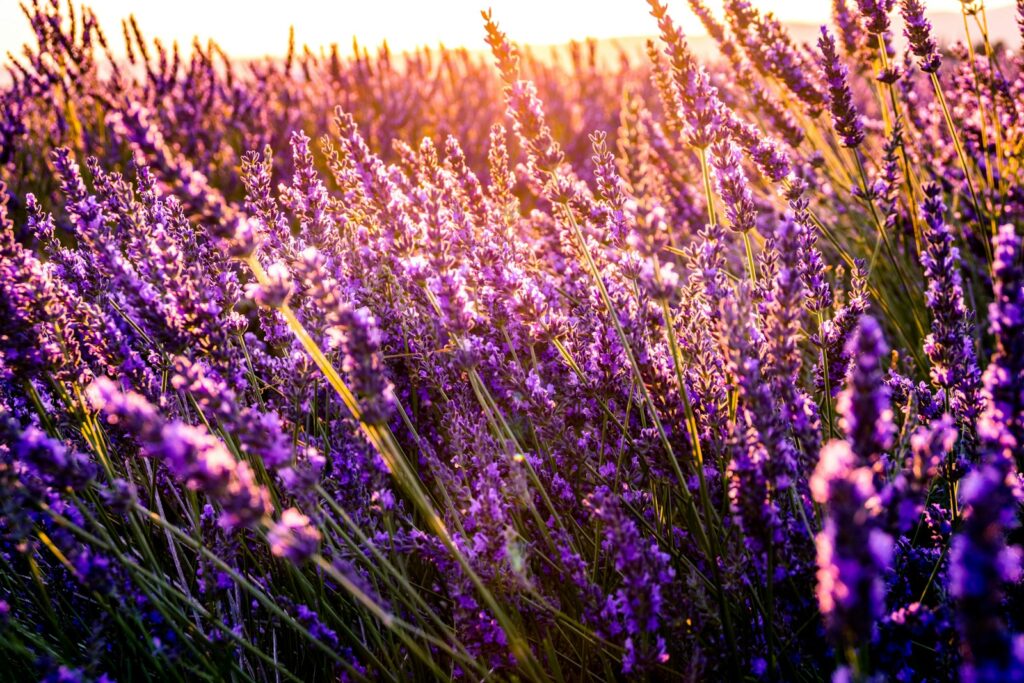
Lavender is a fantastic choice for anyone who wants a garden that smells amazing and stays safe from deer. Its tall, purple flower spikes fill the air with a scent that deer find unpleasant.
This plant does well in sunny, well-drained spots and doesn’t need much care. Lavender also makes a great border or accent plant.
Besides keeping deer away, lavender attracts bees and butterflies. The gray-green leaves bring a soft, soothing look to your garden all year.
Allium’s bold violet or white globe flowers
Alliums make a statement with their large, globe-shaped violet or white flowers. These blooms rise above the rest on tall stems, adding height and drama to any garden bed.
Alliums are easy to grow and don’t need much attention. They thrive in full sun and well-drained soil.
Deer usually avoid alliums because of their strong scent and taste. Plus, they bring in bees and butterflies for extra garden activity.
Just plant the bulbs in fall and watch them pop up in spring. Their unique look makes any garden feel more lively.
Marigolds brightening sunny spots
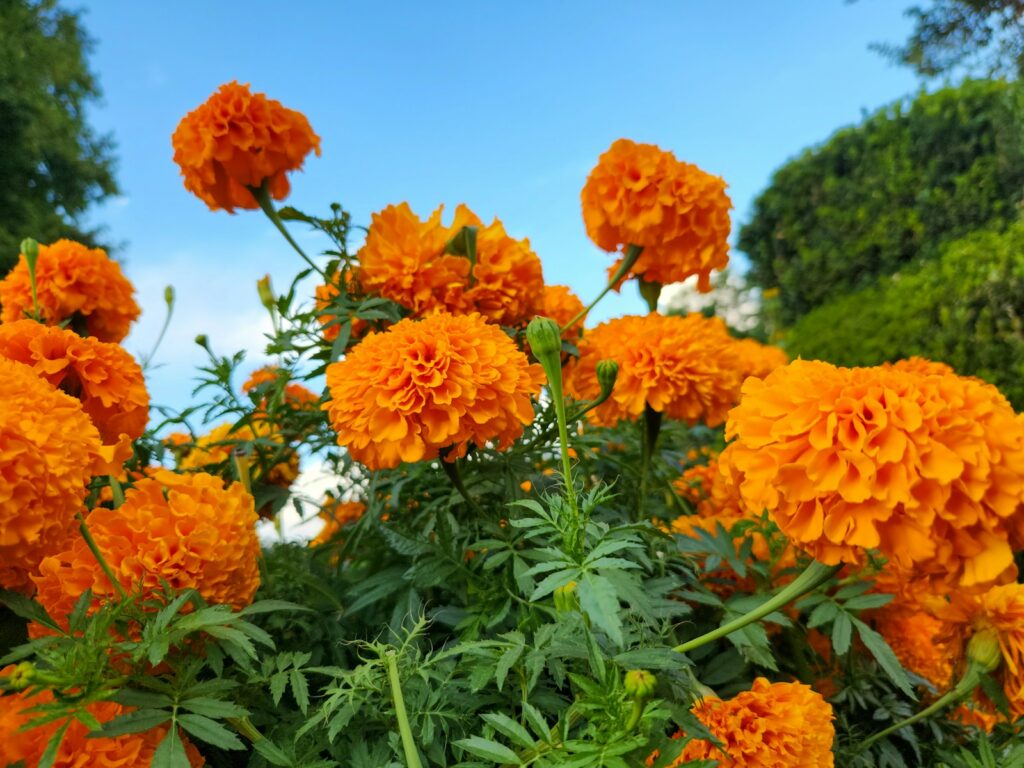
Marigolds are a cheerful addition to any sunny spot. Their gold and orange blooms make gardens feel bright and welcoming.
These flowers have a spicy scent that deer dislike. Planting marigolds along borders can help protect more vulnerable plants.
Marigolds are easy to care for and bloom throughout the season. They’re a simple way to keep your garden looking happy and safe.
Try adding them to your beds or containers for a burst of color and natural deer resistance.
Spiky Barberry shrubs adding texture
Barberry shrubs stand out with their sharp, thorny leaves and bold colors. They add texture and structure to your landscape.
Deer tend to avoid barberries because of their spines and bitter flavor. These shrubs come in shades of red and yellow that brighten up any space.
Barberries are low maintenance and work well in small gardens. Their neat shape makes them easy to manage.
If you want a plant that looks good and keeps deer away, barberry is a solid pick.
Fuzzy, aromatic Lamb’s Ear foliage

Lamb’s Ear is loved for its soft, velvety leaves that feel like a gentle touch. The silvery foliage stands out in garden beds and borders.
Deer don’t like the fuzzy texture or the mild scent of Lamb’s Ear. This makes it a reliable choice for natural pest control.
In early summer, you might see delicate lavender flower spikes. Even when not in bloom, Lamb’s Ear adds a special look to your garden.
It’s a gentle but effective way to protect your plants.
Strong-scented Rosemary bushes
Rosemary brings a fresh, herbal scent to your garden and keeps deer at bay. The oils in its leaves are what make it so unappealing to deer.
This plant is easy to grow in sunny, dry spots. Rosemary’s needle-like leaves look great year-round, and it sometimes produces small flowers in white, pink, purple, or blue.
You can snip some stems for cooking, too. Rosemary is a win for both your kitchen and your garden’s safety.
Thriving Russian Sage with silver leaves

Russian sage shines with silvery leaves and soft lavender-blue flowers. The plant glows in the sun and adds a dreamy look to any garden.
It’s tough and grows well even in poor, rocky soil. Russian sage is deer-resistant thanks to its strong smell and fuzzy leaves.
Once it’s established, you won’t need to fuss over it much. It pairs well with other plants and stays looking good even in dry weather.
Russian sage is a smart choice for anyone tired of deer damage.
Colorful Salvia blooms
Salvia brings bold color and energy to your garden with its tall spikes of blue, purple, red, and more. These flowers stand out and draw the eye.
The strong, fragrant scent of salvia keeps deer away. Bees and butterflies, on the other hand, love it.
This plant thrives in sunny, dry spots and blooms for a long stretch of the season. Salvia is both beautiful and practical for a deer-resistant garden.
Drought-tolerant Yarrow clusters
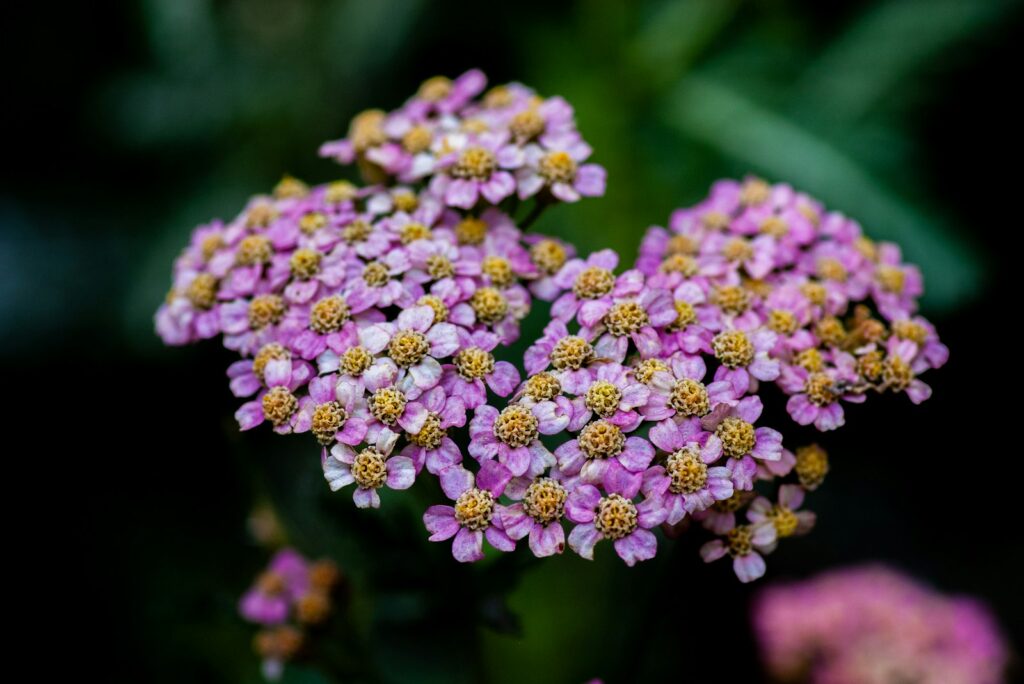
Yarrow is a hardy plant that offers clusters of small flowers in white, pink, yellow, or red. Its blooms add color and charm all season.
This plant thrives in full sun and doesn’t mind dry soil. Yarrow’s fern-like leaves give a soft texture to your beds.
Deer don’t like yarrow’s bitter taste and strong scent. Plus, it attracts butterflies to keep your garden buzzing with life.
If you want a plant that’s easy to grow and stands up to both deer and drought, yarrow is a great option.
Tough, bitter-tasting Ferns
Ferns bring lush greenery and a wild, natural vibe to your garden. Many types have a bitter taste and rough texture that deer find unappealing.
They do especially well in shady spots where other plants struggle. Ferns are a good pick if you want greenery without constant worry about deer.
Their feathery leaves add depth and movement to garden beds. Ferns help fill in spaces and keep your garden feeling full and fresh.
Why Deer Avoid Certain Plants
Deer are picky about what they eat, and some plants are just not worth the trouble for them. The way a plant smells, tastes, or feels can make all the difference.
Scent-Based Deterrents
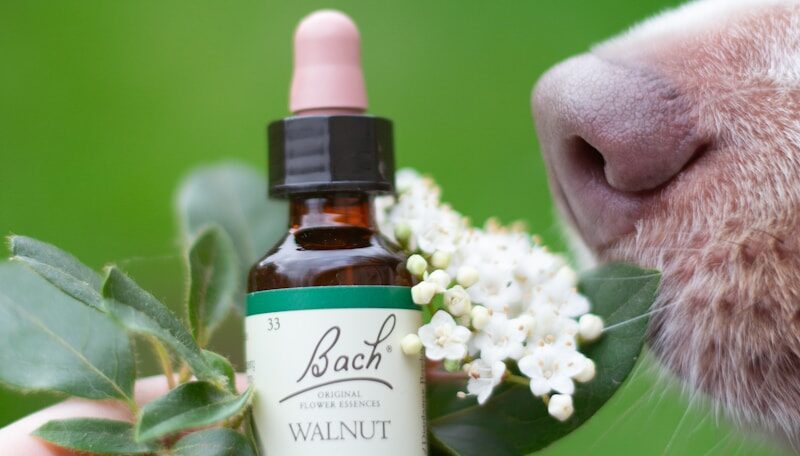
Strong scents are one of the best natural ways to keep deer away. Herbs like lavender and rosemary give off smells that deer avoid.
Planting these aromatic varieties near garden edges or entry points can help protect more delicate flowers and veggies.
Texture and Taste Factors
Plants with rough, prickly, or hairy leaves are not a favorite snack for deer. Fuzzy leaves or spiky stems make eating uncomfortable.
Bitter or spicy flavors, like those found in sage or yarrow, can also send deer searching for something tastier.
Natural Defense Mechanisms
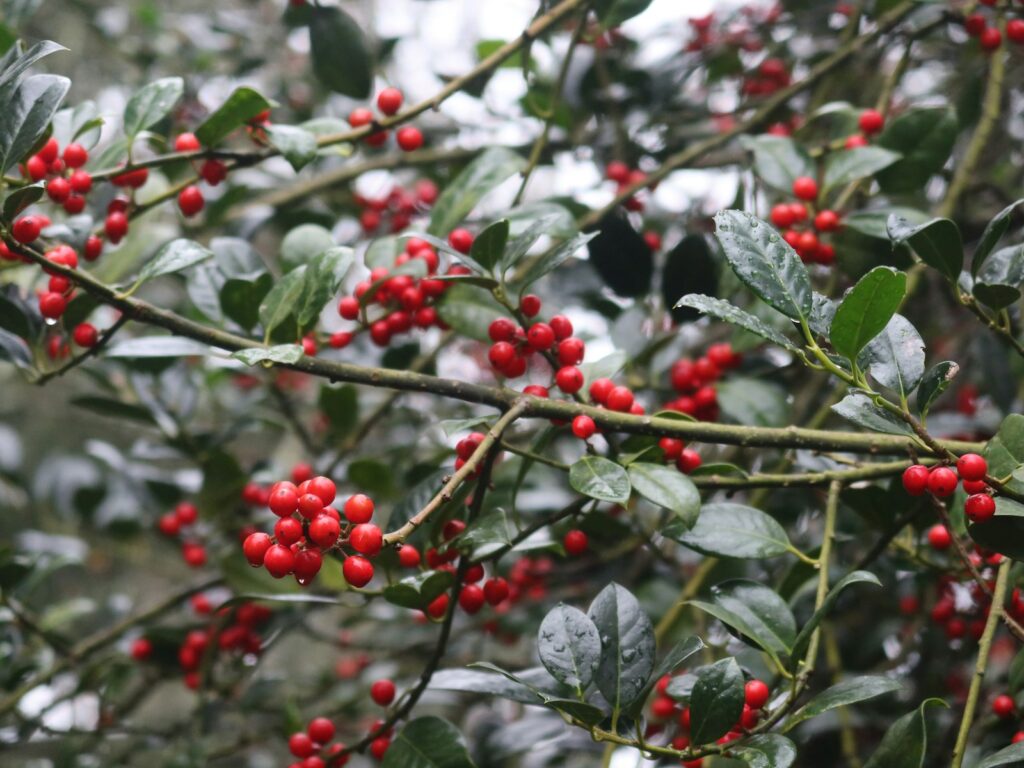
Some plants have thorns, toxins, or chemicals that make them less appealing or even harmful to deer. Holly bushes, for example, use sharp thorns as a physical barrier.
Choosing plants with these natural defenses can help keep your garden looking good and feeling safe.
How to Design a Deer-Resistant Garden
Making your garden less attractive to deer doesn’t mean you have to sacrifice beauty. Smart plant choices and thoughtful placement can go a long way.
Strategic Plant Placement
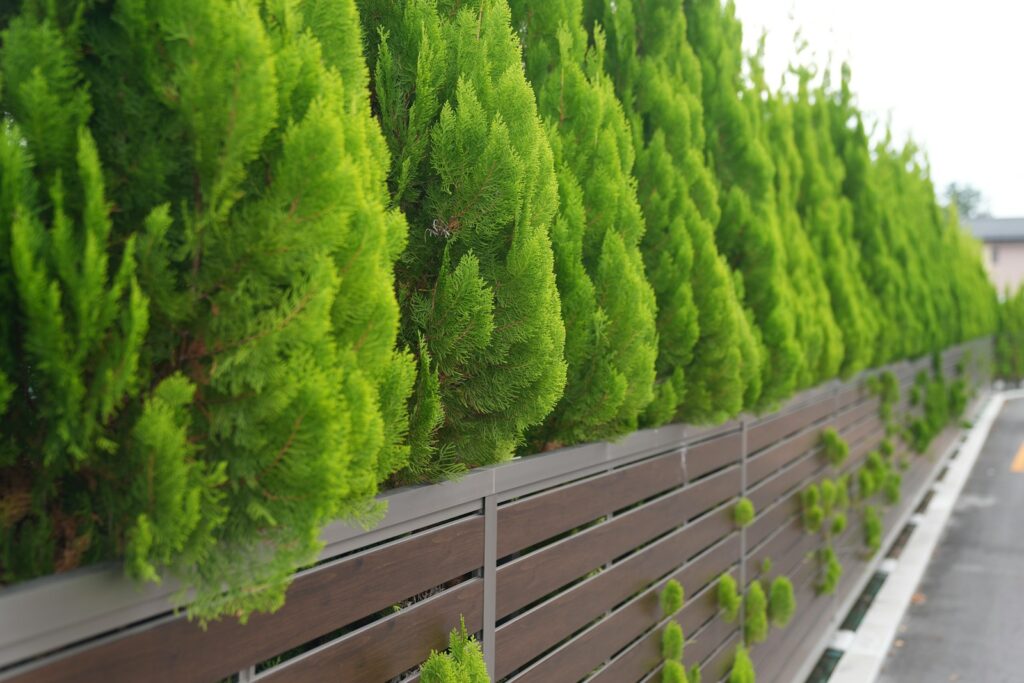
Place deer-resistant plants at the borders where deer are most likely to enter. This creates a protective layer around more vulnerable plants.
Group strong-smelling plants near paths and entry points. Mixing textures and heights can also make it harder for deer to move through your garden.
Adding a variety of these plants together helps create a lively, colorful, and safe garden space.
Companion Planting Tips
Ever notice how deer seem to always find your favorite plants first? Mixing different species together can help keep them guessing and protect your garden.
Try planting fuzzy lamb’s ear or spicy rosemary next to delicate flowers that deer usually love. This combination can make your garden less appealing to them.
Plants with unique textures and strong scents are your friends. Deer usually avoid leaves that are fuzzy, prickly, or have a bold smell.
Keep these types of plants close to your more vulnerable ones. It gives those tender shoots a better chance to thrive.
Some gardeners also use plants that taste bitter or are toxic to deer. Just double-check that these options are safe for any pets or children who might wander through your yard.
Creating a Multi-Layered Barrier
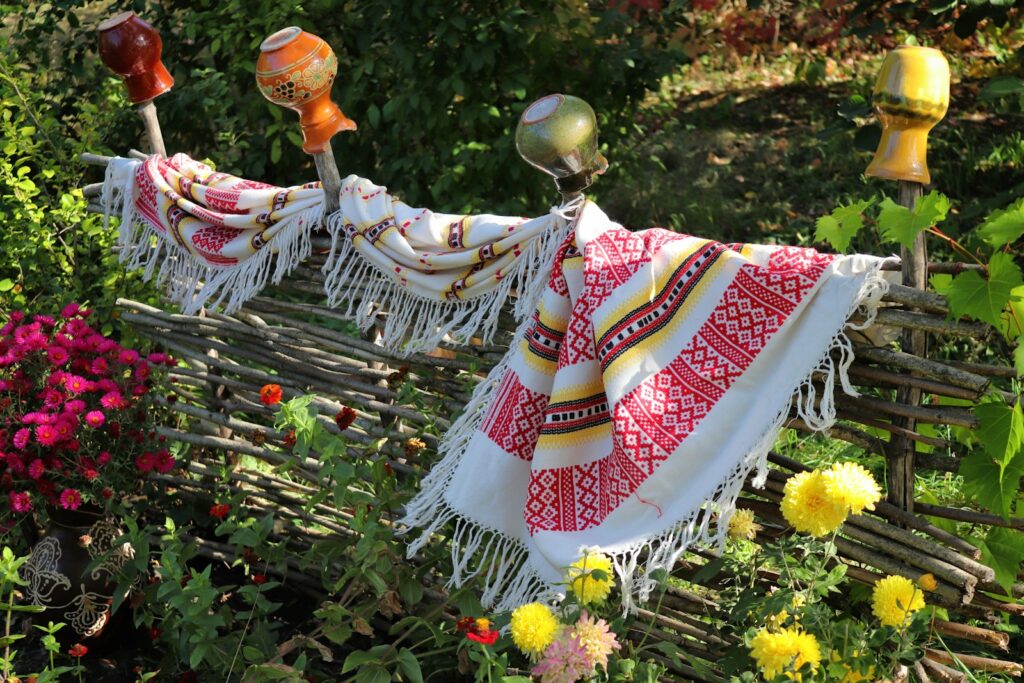
Ever notice how some gardens seem untouched while others get raided by deer? The secret is often in how the plants are arranged.
Try building your garden in layers by combining groundcovers, shrubs, and taller plants. This setup acts like a natural fence that deer struggle to cross.
Begin with low, dense groundcovers along the edge. Next, add thorny shrubs or spiky plants a little further in.
Finish things off with tall, deer-resistant trees or bushes at the back. The difference in height can confuse deer and make your garden feel like a solid wall.
Consider placing motion-activated lights or sound devices near the outer layers for extra protection. Not only does this approach keep your garden safer, but it also adds unique style and interest to your outdoor space.