Backyard Plants That Save You Money on Groceries
Ever feel like your grocery bill is climbing every week? If you love the idea of fresher meals and a little more cash in your pocket, growing your own food at home might be the answer.
You don’t need a huge yard to get started. Small patios, balconies, or even sunny windowsills can become mini gardens with the right plants.
Here’s how adding a few edible favorites to your outdoor space can help you cut costs and keep your kitchen stocked with the freshest ingredients.
Tomatoes: Juicy, versatile, and save tons on store-bought cans!
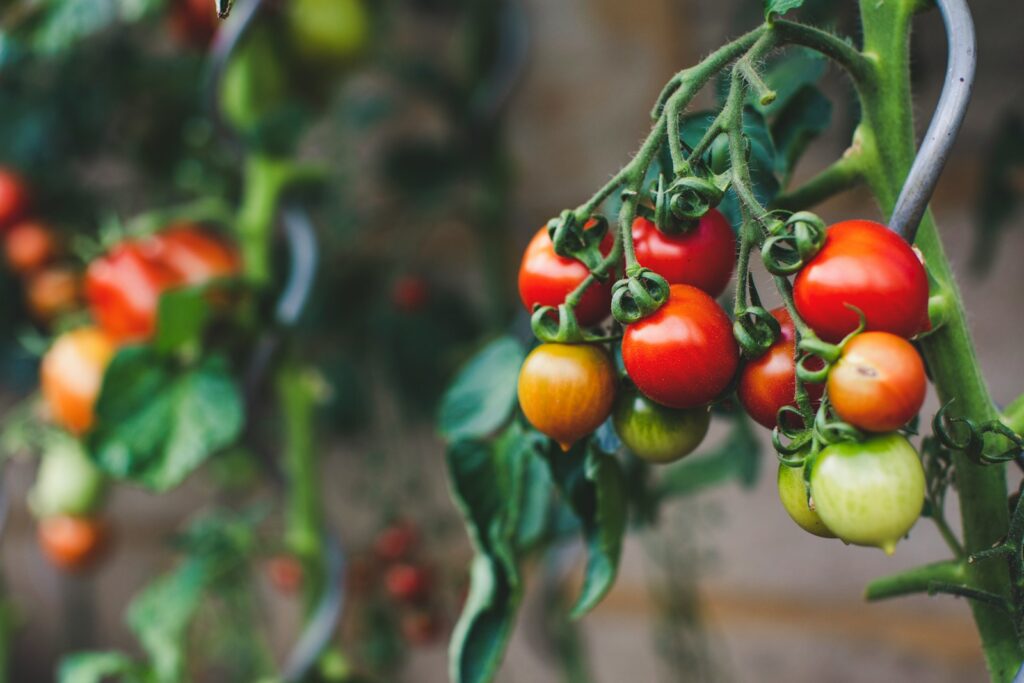
Tomatoes are a classic garden favorite and surprisingly easy to grow. All you need is a sunny spot and some basic supplies.
Nothing beats the taste of a tomato picked fresh from the vine. Homegrown tomatoes have a sweet, rich flavor that store-bought ones just can’t match.
These fruits are incredibly versatile. Enjoy them raw in salads, cook them into sauces, or preserve them for later.
Growing your own tomatoes means you’ll spend less on canned products and get to enjoy the pride of eating something you grew yourself.
Bell Peppers: Crisp, colorful, and perfect for any dish!
Bell peppers bring color and crunch to your meals and garden. They come in shades of red, yellow, orange, and green, each with its own unique taste.
These peppers are easy to grow and thrive in containers or garden beds. Freshly picked, they add a burst of flavor to salads, snacks, and cooked dishes.
Mini bell peppers are especially sweet and perfect for eating raw. Having your own supply on hand means you won’t need to buy pricey peppers at the store.
With just a little care, your bell pepper plants will keep producing all season. You’ll love the variety and savings they bring to your table.
Zucchini: Prolific and super easy to grow veggies!
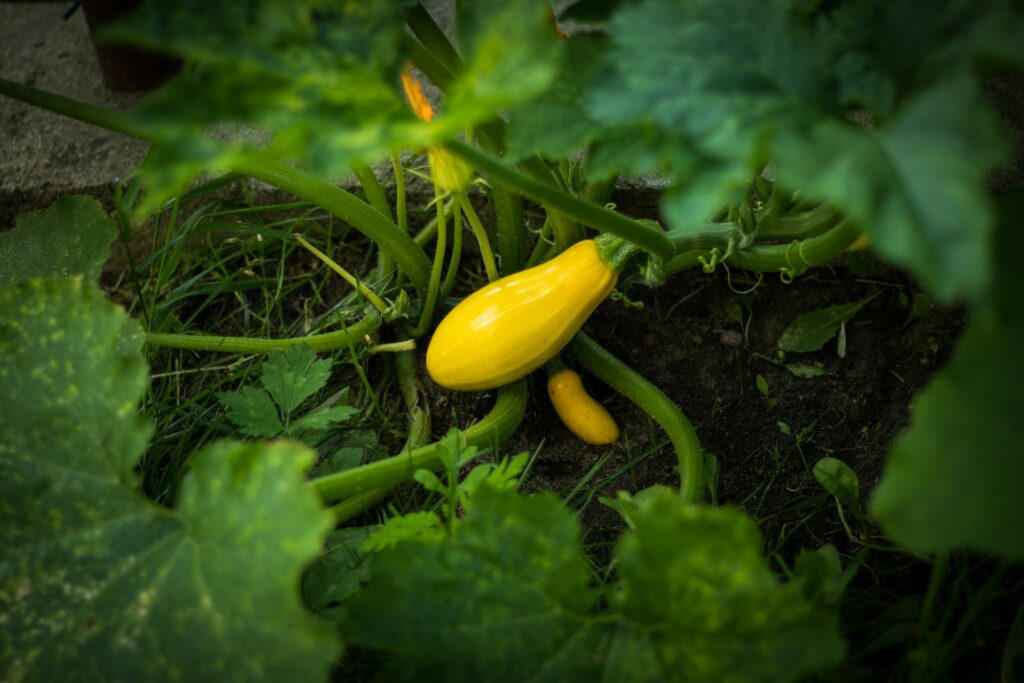
Zucchini is famous for being a beginner-friendly plant that produces a lot. Even one plant can give you plenty of squash for months.
It grows quickly and doesn’t need much fuss. Just water and sunlight, and you’ll have fresh zucchini for sautéing, baking, or tossing into bread.
Growing your own zucchini means fewer trips to the store and fresher, tastier veggies in your meals. It’s a rewarding choice for any backyard.
Lettuce: Fresh greens right in your backyard all season!
There’s nothing like the crunch of just-picked lettuce. You can grow it almost anywhere, and it’s ready to harvest in about a month.
Lettuce is perfect for salads, sandwiches, and wraps. No more limp greens from the store when you can pick your own any time.
Try “cut and come again” varieties for a steady supply. You harvest a few leaves, and the plant keeps growing more.
Lettuce grows well in small spaces or greenhouses, making it easy to enjoy fresh greens throughout the year.
Spinach: Nutritious and fast-growing leafy powerhouses!
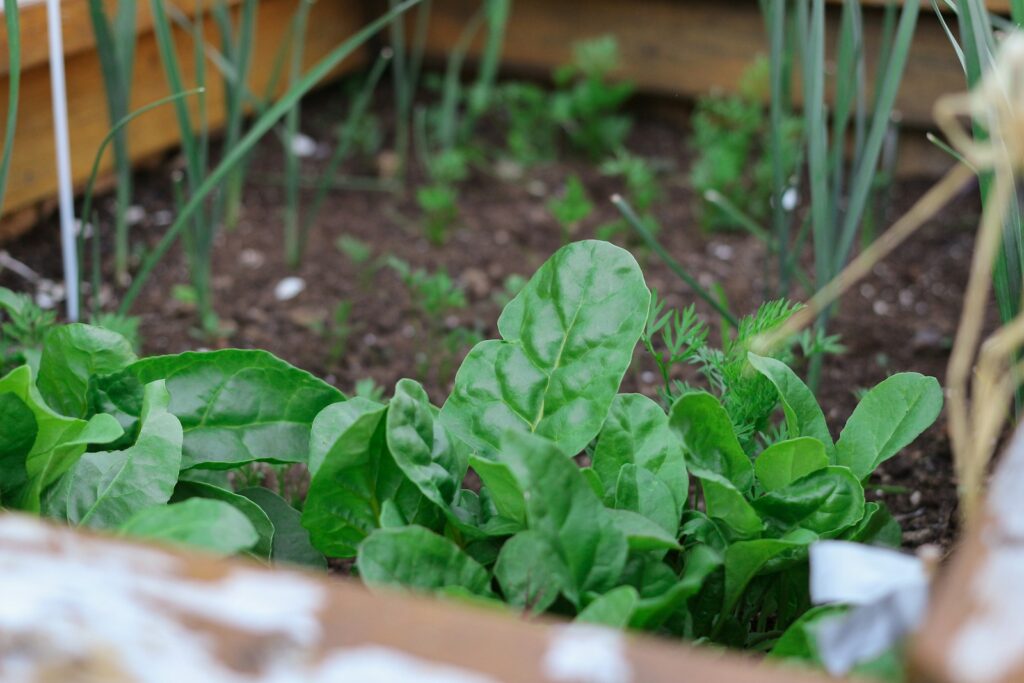
Spinach is a fast grower and delivers a big nutrition boost. You can grow it in your backyard or even in pots if you’re short on space.
It’s packed with vitamins and minerals. Toss it in salads, smoothies, or cooked dishes for a healthy addition to any meal.
Spinach loves cool weather, so plant it in early spring or fall. With a bit of care, you could be harvesting for weeks.
Green Beans: Delicious and great yield per plant!
Green beans are a reliable garden staple. Each plant gives you a generous harvest, making them a great way to stretch your grocery budget.
Bush beans are compact and easy to manage, while pole beans keep producing as they climb. Both are simple to grow and perfect for containers or garden beds.
The pods are ready to eat quickly, and you can enjoy them fresh, steamed, or in stir-fries. Homegrown beans taste sweeter and crisper than store-bought ones.
Strawberries: Sweet fruits that beat store prices!

Strawberries are a treat to grow and pick. Homegrown berries are juicier and more flavorful than anything you’ll find at the store.
These plants are low-maintenance and can thrive in pots, hanging baskets, or garden beds. Many varieties produce fruit all summer, giving you a steady supply.
Even if you’re short on space, you can grow strawberries on a balcony or windowsill. Pick everbearing or day-neutral types for more fruit throughout the season.
Herbs like Basil and Parsley: Flavor boosters and money-savers!
Fresh herbs like basil and parsley bring dishes to life and are easy to grow. They don’t need much space, just a sunny spot and regular watering.
Having these herbs at home means you can snip what you need, when you need it. No more buying expensive bunches that wilt in the fridge.
Basil and parsley thrive together and make your meals brighter and healthier. They’re a simple way to cut grocery costs and add flavor.
Carrots: Crunchy, homegrown, and packed with flavor!
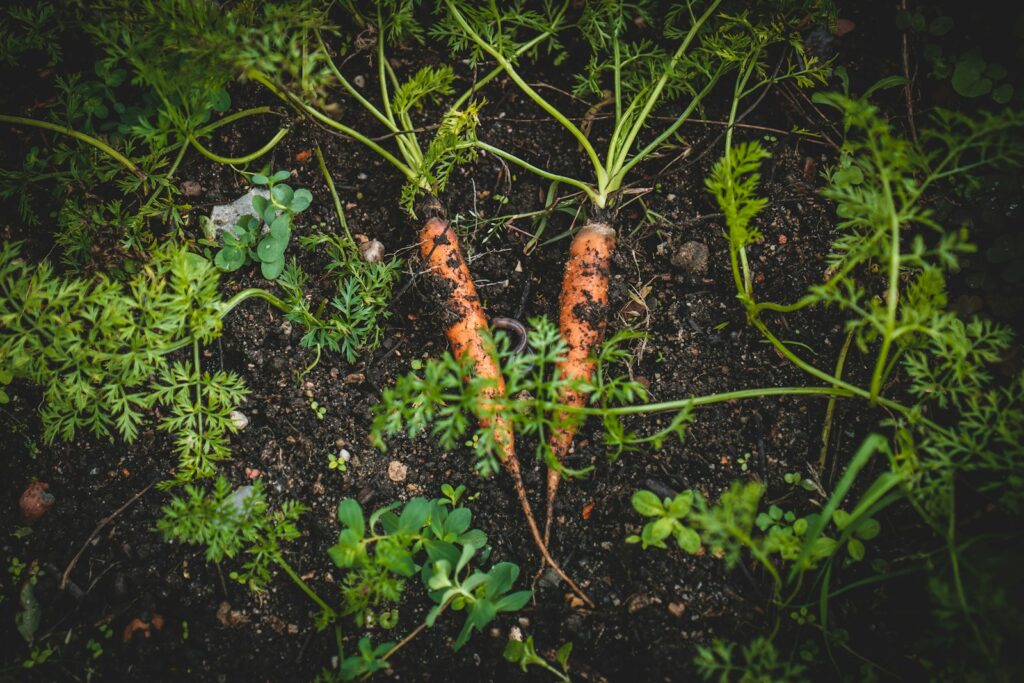
Pulling up your own carrots is a satisfying experience. They taste sweeter and have more crunch than store-bought ones.
Carrots need loose, well-drained soil and regular watering. Thin the seedlings so each one has room to grow big and healthy.
Try planting them near herbs or onions to help keep pests away. You can experiment with different varieties to find your favorites.
Homegrown carrots are great for snacks, meals, or preserving. You’ll notice the savings when you skip buying carrots every week.
Cucumbers: Refreshing and perfect for salads or pickling!
Cucumbers are a refreshing addition to any garden and are easy to grow. They’re perfect for slicing into salads or enjoying as a crunchy snack.
If you love pickles, fresh cucumbers are ideal for homemade batches. Just soak slices in a vinegar brine for a tangy, crisp treat.
Try layering cucumber slices with salt and ice before pickling to keep them extra crunchy. They stay fresh for a while in the fridge, making them a handy snack.
Cucumbers thrive in containers or garden beds and can help you cut down on grocery trips.
How Backyard Plants Can Cut Grocery Bills
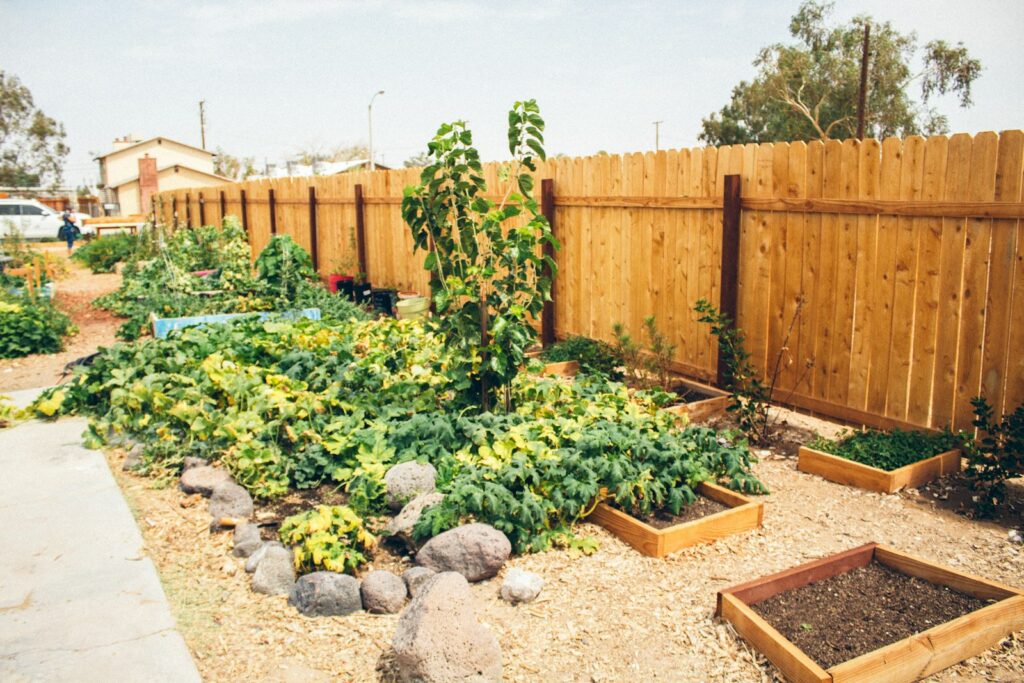
There’s real money to be saved by growing your own food. Every tomato, pepper, or handful of herbs you pick means one less thing to buy at the store.
Grocery prices keep going up, but a small investment in seeds and soil can provide fresh produce for months. You only pick what you need, so nothing goes to waste.
A single tomato plant can yield pounds of fruit, easily saving you $10 or more. Some gardens provide hundreds of dollars in produce for just a small upfront cost.
Fewer trips to the store and less packaged food add up to real savings over time.
Benefits of Growing Your Own Produce
Homegrown food is fresher, tastier, and often healthier. You control what goes into your plants, so you can avoid unwanted chemicals.
Fresh herbs can replace expensive packaged seasonings, and leafy greens mean you’ll buy fewer salad mixes. Produce picked at its peak lasts longer, too.
Having a garden means you’re always just a step away from a healthy snack or ingredient. It’s a simple way to upgrade your meals and save money at the same time.
Maximizing Your Grocery Savings with Smart Garden Planning
A little planning can help you get the most from your garden. Planting the right crops at the right time means more produce and fewer gaps in your harvest.
Seasonal Planting Strategies

Focus on cool-weather crops like lettuce, spinach, and broccoli in early spring or fall. These mature quickly and don’t need much care.
In summer, switch to heat-loving plants like tomatoes, peppers, squash, and cucumbers. They give you big harvests and replace expensive grocery items.
Making a planting calendar helps you keep fresh food coming for months. Starting seeds indoors can give you a jump on the season, so your backyard stays productive.
Companion Planting for Abundance
Ever noticed how some plants just seem to thrive when they’re side by side? Companion planting taps into those natural partnerships to help your garden flourish.
Some plants boost each other’s growth by sharing nutrients, keeping pests away, or offering a little extra shade. Take basil and tomatoes for example.
Basil can make tomatoes taste even better and help keep pests at bay. Beans and corn are another classic pairing.
Beans add nitrogen to the soil, which helps corn grow strong. These smart combinations mean less work and fewer chemicals needed in your garden.
Your harvest can be bigger and tastier, and you might even save some money along the way.