Why Some Gardeners Are Giving Up Raised Beds in 2025
If you’ve spent any time chatting with fellow gardeners lately, you might have picked up on a new shift. Raised beds, once the darling of backyard plots, are starting to lose their shine as people look for easier, more flexible ways to grow.
It turns out raised beds can be expensive, tough to maintain, or just not the right fit for some yards and climates. This has opened the door to fresh gardening ideas that help you grow healthy plants without as much hassle.
Soil Quality Declines Rapidly in Raised Beds
It’s surprising how quickly soil quality can drop in a raised bed when it isn’t maintained. Many gardeners start out by filling beds with basic dirt that lacks nutrients and structure.
Over time, plants use up the good stuff in the soil, leaving it tired and less able to support growth. If you forget to add compost or organic matter, the soil can become dense and hard.
Dense soil makes it tough for roots to spread and water to drain. You might notice weaker plants or smaller harvests as a result.
A simple fix is mixing in compost and quality topsoil, aiming for a balanced blend. Checking your soil’s pH helps too, since plants struggle if the soil is too acidic or alkaline.
Raised Beds Drain Water Too Quickly
Have you noticed your raised beds dry out faster than you’d like? This can be especially frustrating during hot spells.
Loose, well-draining soil is great for avoiding soggy roots, but it can mean water escapes before plants can use it. If your soil mix is heavy on sand or coarse material, it doesn’t hold moisture for long.
The height of your bed and what’s underneath can also affect drainage. A gravel layer or open bottom lets water move through quickly, which can leave your plants thirsty.
To help, try adding compost or mulch to hold moisture. Drip irrigation or early morning watering can make a real difference in keeping soil damp.
High Maintenance Effort Over Time
At first, raised beds seem like a simple way to garden. Over time, though, you’ll realize they need quite a bit of upkeep.
The soil settles and breaks down, so you have to add fresh soil or compost every season. If your beds are made from wood, you’ll also be dealing with rot, especially in damp weather.
Fixing or replacing parts of the bed takes extra time and money. If you want to change your layout, raised beds can make that tough since you’re locked into what you built.
Expensive Setup and Material Costs
Starting with raised beds can hit your wallet hard. Durable materials like cedar or redwood cost more, but they’re needed if you want your beds to last.
Larger beds mean more wood, soil, and supplies, and costs add up quickly. Even small beds can be surprisingly pricey once you factor in quality soil.
Pre-made kits are convenient but usually come with a higher price tag. The popularity of raised beds has pushed prices up for kits and supplies.
You’ll also need to budget for soil and amendments to keep plants healthy. These ongoing costs can add up, especially if you’re just starting out or working with a limited budget.
Nutrient Imbalance Requires Constant Attention
Raised bed soil might look perfect at first, but nutrients can disappear faster than you think. Plants can start to show stress if you don’t keep an eye on things.
Since raised beds drain quickly, nutrients can wash away more easily. You’ll need to add compost, organic matter, or fertilizers regularly to keep your plants happy.
Balancing nutrients isn’t a one-time job. Testing your soil each season helps you spot what’s missing and fix it before your plants suffer.
Root Restriction Limits Plant Growth
It’s easy to forget that roots need room to spread out. In a raised bed, space can be limited, and cramped roots mean smaller, weaker plants.
If your beds aren’t deep or wide enough, roots will hit the bottom or sides and stop growing. This can lead to smaller harvests and more work to keep plants watered and fed.
Old roots or compacted soil from past seasons can also make it tough for new plants to thrive. Watching for root restriction is key if you want big, healthy crops.
Increased Pest and Disease Concentration
Some gardeners expect raised beds to keep pests away, but that’s not always the case. When plants are close together, pests and diseases can spread quickly.
If you don’t manage your beds well, larger pests like rabbits or birds might find easy food. Raised beds can also make it easier for them to reach your plants.
Diseases can build up if you don’t rotate crops or use disease-resistant varieties. Over time, this can stunt your garden’s growth and leave you frustrated.
Keep an eye out for early signs of pests and disease. Integrated pest management and crop rotation can help keep things under control.
Beds Can Overheat in Hot Weather
Raised garden beds can get hotter than ground-level soil, especially in full sun. Being above ground makes them more exposed to heat.
Metal beds can make this worse by absorbing and holding onto heat. You might notice wilting leaves or dry soil, even with regular watering.
Adding mulch or using shade cloths helps block some heat. Watering regularly and choosing heat-tolerant plants can also make a big difference.
If you live somewhere with intense summers, raised beds might overheat faster than you expect.
Challenging to Manage in Semi-Arid Climates
Gardening in semi-arid areas comes with its own set of challenges. Raised beds in these regions dry out quickly, so you’ll need to water more often.
High heat and low rainfall mean you have to be extra careful about soil moisture. Raised beds lose water faster than in-ground options, which makes daily checks important.
The soil itself can be poor or hard, needing lots of compost or amendments to support healthy plants. This can make raised beds feel like a lot of work in dry climates.
Traditional Beds Waste Water
Traditional raised beds often waste more water than you’d expect. Quick drainage means much of the water you add escapes before plants can use it.
In dry places, this can be a big problem. You might find yourself watering more often just to keep up.
Some gardeners are moving to systems that hold water below the soil, helping plants stay hydrated longer. These changes can cut water use and keep your garden thriving.
Emerging Gardening Trends in 2025
Gardening is changing fast this year as people look for smarter, more sustainable ways to grow. Many are shifting to eco-friendly practices and adapting to new weather patterns.
Shifts in Sustainable Practices
Sustainability isn’t just a buzzword in 2025. Gardeners are cutting back on raised beds because they require extra materials like wood or plastic.
Native plants are gaining popularity since they need less water and care. Edible landscapes are also trending, where herbs, veggies, and fruit trees are part of the garden design.
Composting and natural pest control are replacing chemicals for many. These choices build healthier soil and attract pollinators, making gardens thrive naturally.
Impact of Climate Changes on Garden Design
Changing weather affects what you can grow and how you plan your garden. Drought-tolerant plants are becoming more common, and some gardeners are redesigning spaces to handle heavy rain or heat.
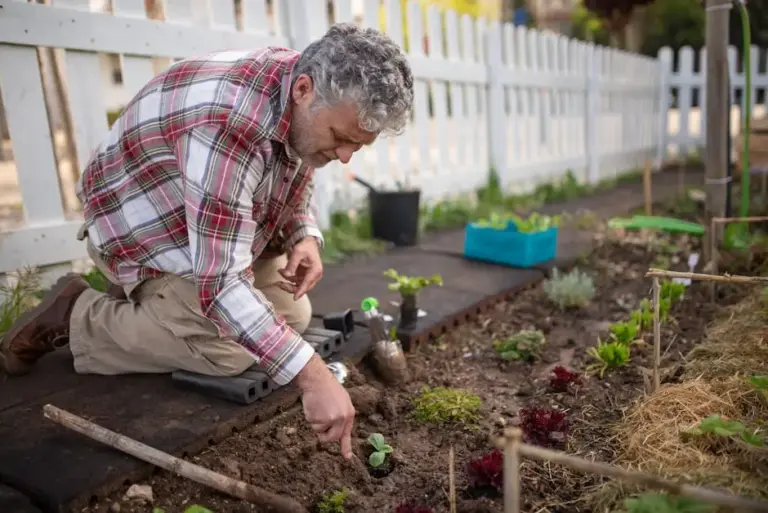
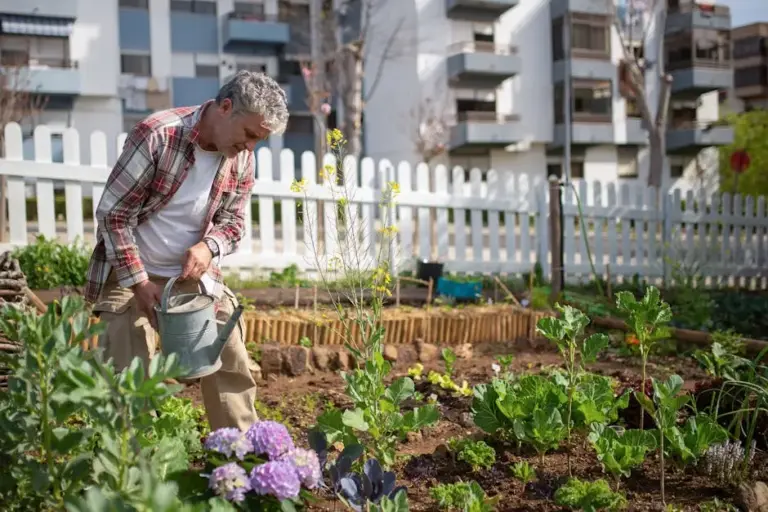
In-ground beds or keyhole gardens are being used more because they balance moisture better than raised beds. Wildlife-friendly gardens are also on the rise, with more plants to support bees, butterflies, and birds.
Common Challenges With Raised Beds
Raised beds have benefits, but they aren’t always easy to manage. Keeping soil healthy and working comfortably are two big challenges for many gardeners.
Soil Health and Maintenance Concerns
You might notice raised bed soil gets tired quickly. Nutrients drain away fast, leading to poor plant growth after just one season.
Refreshing soil with compost or organic matter is a must. Raised beds also dry out faster than ground soil, so you’ll need to water more often.
Watch for soil compaction, too. Small beds can get packed down from regular gardening, so tools like fork aerators can help keep soil loose and roots happy.
Accessibility and Ergonomics Evolution
Gardening is supposed to be relaxing, but raised beds can sometimes surprise you with unexpected aches. Even though they are meant to help your back and knees, some designs still leave you stretching too far or bending more than you’d like.
If your bed is too low or too narrow, you might notice it gets uncomfortable. Those small annoyances can add up and make you less excited to get outside.
Lately, more gardeners are paying attention to the height and width of their raised beds. Taller beds with wider tops can let you work while standing or even sitting.
Some people add benches or try vertical growing to make things easier. Little changes like these can keep gardening enjoyable and help you spend more time outside without feeling sore.