7 Garden Mistakes Even Experienced Homeowners Still Make
Ever spend hours in your garden, only to wonder why things are not growing the way you expected? Even folks with years of gardening under their belts run into issues that can hold their plants back.
Sometimes it is just a matter of old habits or missing a small detail. A few tweaks here and there can make all the difference in how your garden looks and thrives.
Understanding these common mistakes can help you avoid problems and enjoy a more successful garden. Knowing what often goes wrong lets you make simple changes that improve your plants and make gardening more fun.
Overwatering plants even when soil feels moist
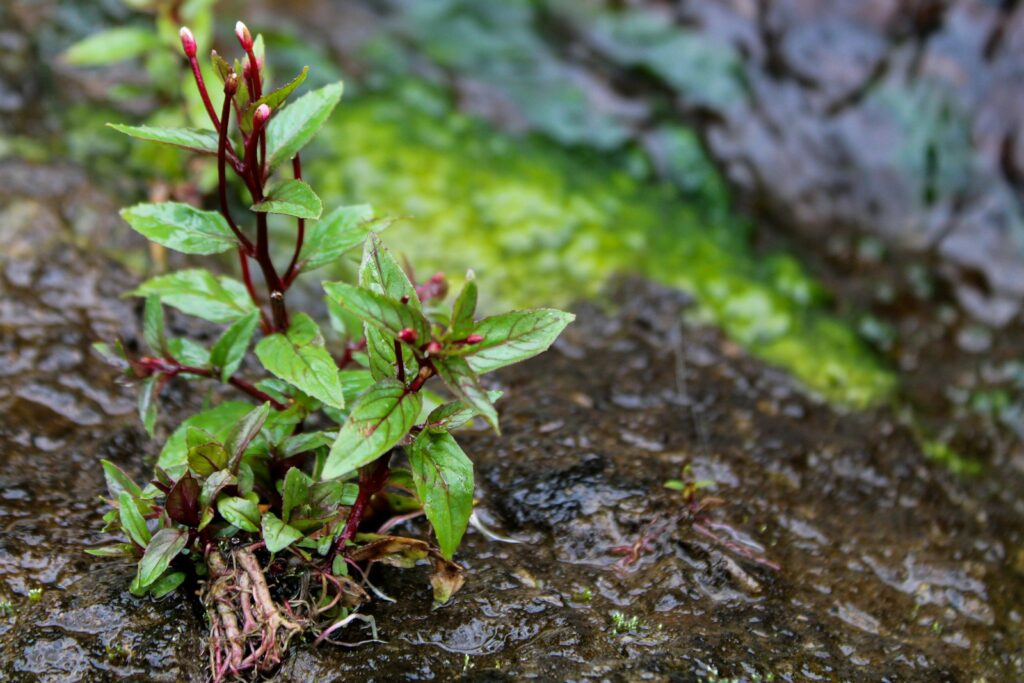
It is easy to assume your plants need water if the soil looks damp on top. But watering when the soil below the surface is still moist can actually harm your plants.
Roots need air as much as they need water. Too much moisture keeps roots from getting enough oxygen, which can lead to root rot and other diseases.
A quick way to check is to stick your finger an inch or two into the soil. Only water if it feels dry at that depth.
Some plants like their soil a bit moist, but none want to sit in soggy ground. Overwatering can also bring in pests and fungus that are hard to get rid of.
When in doubt, wait a day and check again. Your plants will be healthier for it.
Planting in the wrong location with inadequate sunlight
Have you ever put a plant in what seemed like a good spot, only to watch it struggle? Many vegetables and flowers need at least six to eight hours of direct sunlight.
If your plants do not get enough sun, they may grow slowly or fail to bloom. Watch how sunlight moves across your yard during the day.
Some areas get morning sun and afternoon shade, or the other way around. Trees, fences, and buildings can also block sunlight without you realizing it.
Choosing a location with enough sun gives your plants a much better shot at thriving. If you have shady spots, pick plants that do well in lower light.
There are plenty of beautiful options for every type of light in your garden.
Using non-native plants not suited to local climate
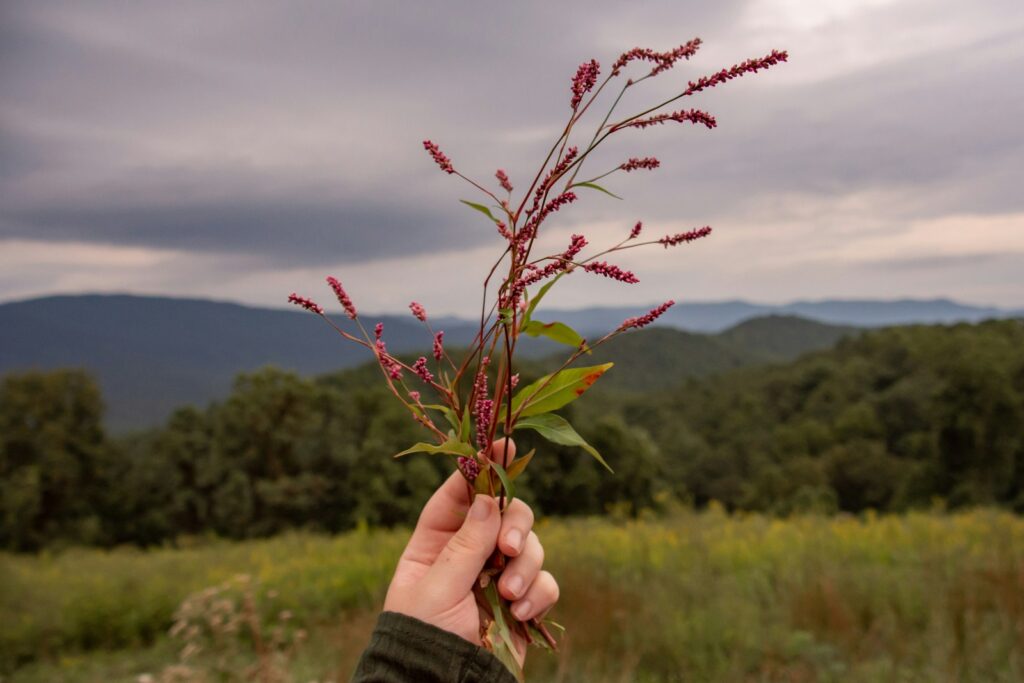
It is tempting to pick exotic plants for your garden, but non-native plants can struggle if they are not meant for your climate. They might need more water or special care than you expect.
These plants can also require extra fertilizers or pest control. Sometimes, they even crowd out native plants that would do better in your yard.
Choosing plants that are adapted to your region saves time and effort. Native plants often have deeper roots and need less attention.
If you want to try something new, look for non-natives that are known to do well in your area. Check their water and sunlight needs before planting.
That way, you avoid headaches and enjoy a healthier garden.
Neglecting to group plants with similar watering needs
Mixing plants with different watering needs can make caring for your garden a challenge. Some need lots of water, while others prefer drier conditions.
If you water everything the same, you might end up with root rot in one area and dried-out plants in another. Grouping plants that have similar water needs makes your job easier.
Tropical plants that love moisture do well together. Drought-tolerant plants like herbs or natives can be grouped elsewhere.
This approach saves water and keeps your plants happier. Sorting your garden by watering needs can make a big difference in how well everything grows.
Skipping soil testing before planting
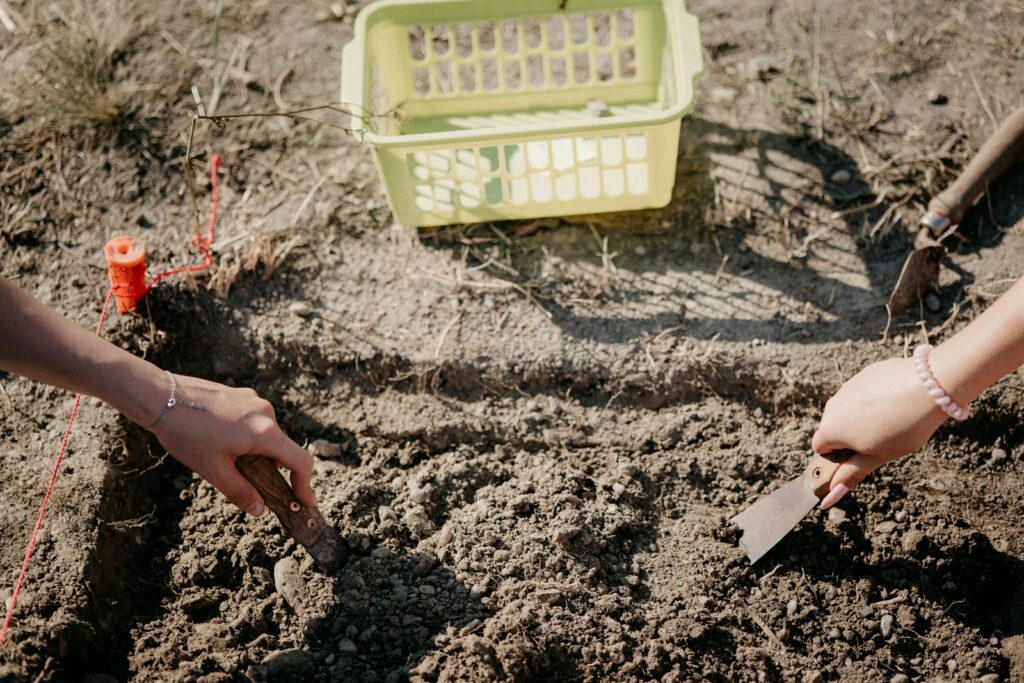
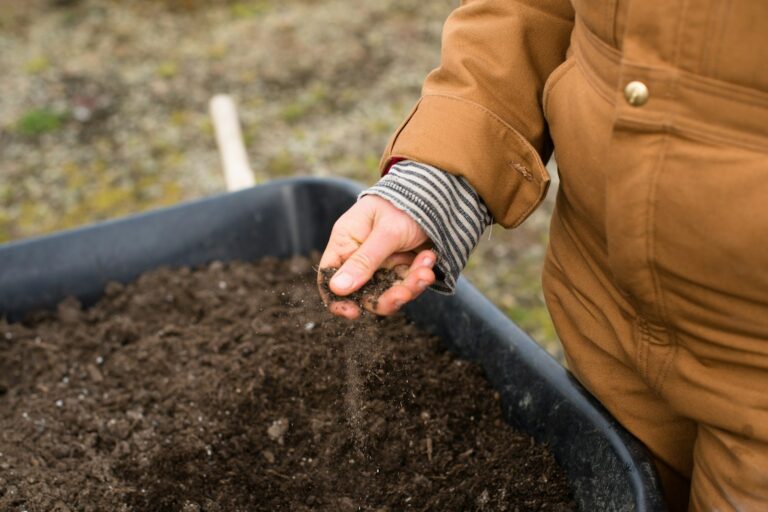
Many gardeners skip soil testing and just hope for the best. Without knowing what is in your soil, you are guessing about what your plants need.
Soil testing tells you about pH and nutrient levels. If the balance is off, your plants might not absorb nutrients properly.
Sometimes, soil has too much clay or is too sandy, which affects water drainage. Testing helps you spot these issues before you plant.
Taking this step means you can add the right nutrients and fix problems early. Your plants will have a better foundation to grow strong.
Forgetting to wash new plants before introducing them
Bringing home a new plant is exciting, but planting it right away can be risky. New plants sometimes carry pests or diseases that are not visible at first.
Giving new plants a gentle wash with lukewarm water helps remove dirt, bugs, and spores. Rinse the leaves and roots carefully.
This is also a good time to look for signs of damage or disease. If you notice anything, you can treat it before it spreads to the rest of your garden.
Washing new plants is a simple habit that helps keep your garden healthy.
Relying too much on pesticides instead of natural solutions
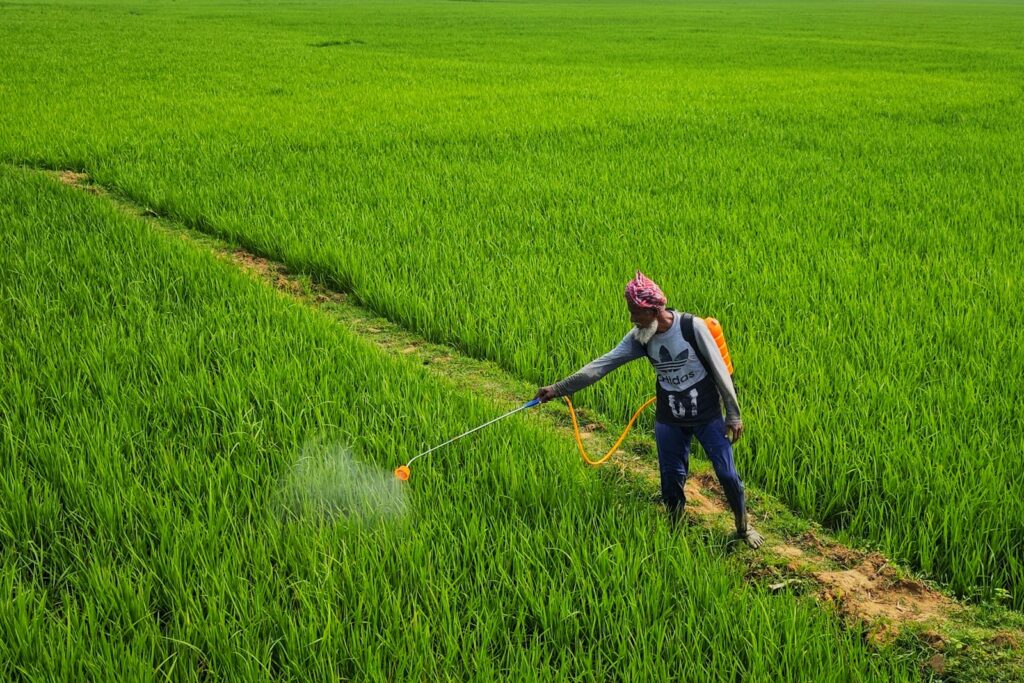
When pests show up, reaching for pesticides can feel like the easiest fix. But using chemicals too often can backfire.
Pesticides can kill helpful insects that control pests naturally. Over time, pests may even become resistant, making the problem worse.
Natural solutions like inviting ladybugs or using companion plants help keep pests in check. These methods support the balance of your garden and protect pollinators.
Trying natural pest control first is better for your plants and the environment. It may take a little more patience, but the results are worth it.
Understanding Why Garden Mistakes Happen
A lot of gardening errors come from sticking with habits that used to work or not noticing how your yard changes over time. Life gets busy, and it is easy to overlook small details that make a big impact.
You might trust advice from years ago that does not fit your yard today. Plants have different needs, and what works for one may not work for another.
Overfeeding with fertilizer is another common issue. More is not always better and can upset the balance in your soil.
Soil conditions change as seasons pass. Without checking regularly, you might miss problems like poor drainage or nutrient shortages.
Weather, temperature, and sunlight all shift throughout the year. If you do not adjust your care, your plants can suffer.
For example, watering needs drop in cooler months, but it is easy to keep watering like it is summer. Planting at the wrong time can also lead to disappointing results.
Paying attention to your local weather and timing your gardening tasks helps prevent many issues.
Strategies for Preventing Recurring Gardening Errors
Building better habits in the garden takes a little effort, but it pays off. Stay open to new ideas and keep track of what works and what does not.
Gardening changes with the seasons, and so should your approach. Read books, watch videos, or join local gardening groups to stay in the loop.
Observing your garden regularly helps you spot what is working and what needs fixing. If a plant struggles, take a closer look instead of guessing.
Talking to neighbors or friends who garden can reveal helpful tips you might not have thought of. Everyone learns as they go, and sharing experiences makes it easier.
With a bit of curiosity and willingness to adapt, your garden can get better every year.
Using a Garden Journal Effectively
Ever find yourself forgetting what you planted where, or when you last watered? A garden journal can be your memory bank for all things green.
Jot down when you plant seeds, water, or add fertilizer. If you run into problems like pests or diseases, make a note of what happened and how you handled it.
Looking back at your notes can help you spot which vegetables thrived in certain spots. Maybe you notice which flowers attracted more pollinators.
Try adding photos to your journal. Sometimes a picture says more than a long explanation.
Before each new gardening season, take a few minutes to review your journal. You might catch something you want to do differently this time around.