12 Plants That Thrive in Neglect Perfect for Busy Gardeners Who Want Easy Greenery
Ever feel like you just don’t have the time or energy to keep up with a garden? Maybe you forget to water your plants or get busy with other things. The good news is, you can still enjoy a touch of green at home without making it a chore.
Some plants are built to survive with little attention. They don’t need constant watering or perfect conditions, which means you can enjoy the benefits of greenery without the pressure.
Snake Plant (Sansevieria)
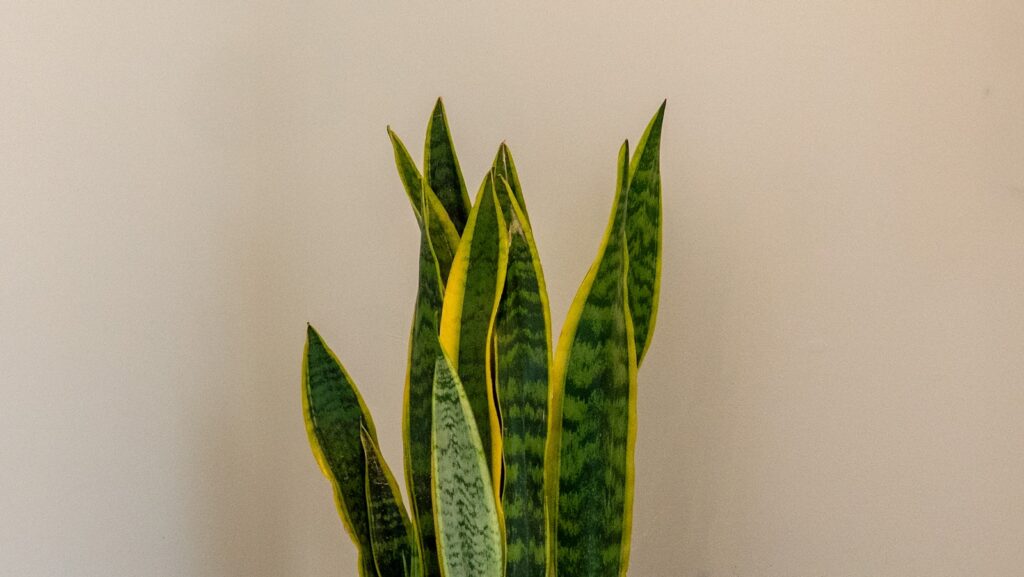
The Snake Plant is a lifesaver for anyone with a packed schedule. It’s happy in low light and only needs a drink when the soil dries out.
Its upright leaves bring a modern vibe to any room. You also get the bonus of cleaner air, since it helps filter toxins.
Snake plants grow slowly, so there’s no rush to repot. Even if you forget about it for a while, it keeps on thriving.
Just use well-draining soil and place it anywhere from a small apartment to an office. This plant is a favorite for beginners and anyone with a busy life.
ZZ Plant (Zamioculcas zamiifolia)
If you want a plant that almost takes care of itself, the ZZ Plant is a solid pick. Its thick stems and waxy leaves store water, so it can go weeks without attention.
It’s not picky about light and does well even in dim corners. The shiny leaves add a sleek look to your space and help purify the air.
This plant is forgiving if you forget to water or if your home doesn’t get much sun. It comes from Eastern Africa, so it’s used to toughing it out.
Just give it a spot with indirect light and check the soil now and then. The ZZ Plant is perfect for anyone who wants greenery without the hassle.
Spider Plant (Chlorophytum comosum)
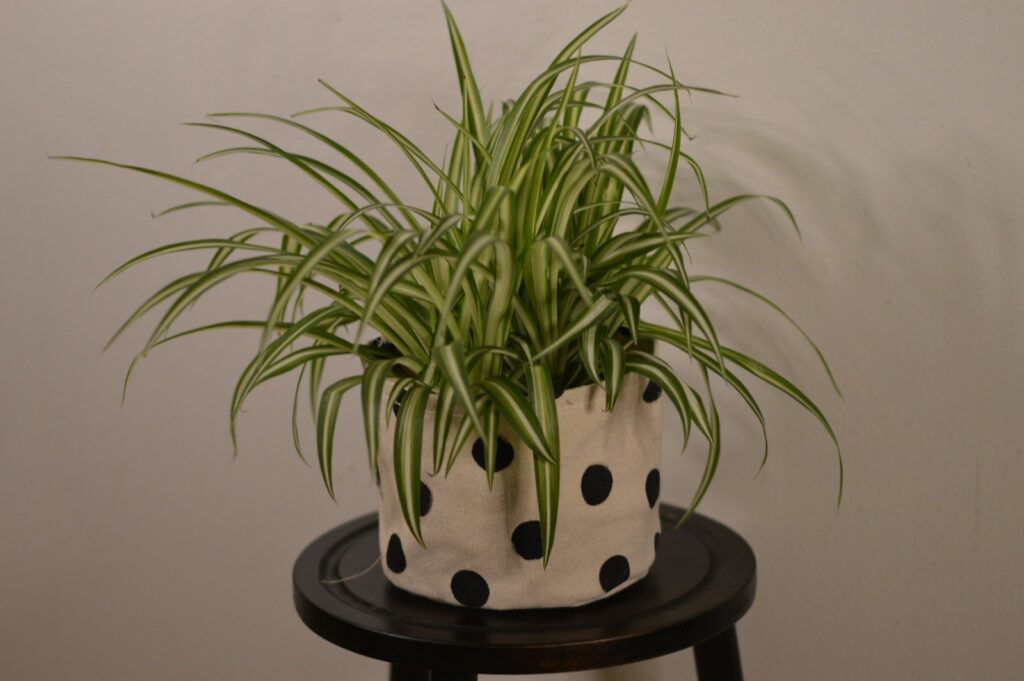
Spider plants are a lifesaver if you want something easy. Their striped, arching leaves look great in hanging baskets or on shelves.
They don’t mind if you miss a watering or two. Once a week is usually enough, and they’re fine with less-than-perfect light.
One fun thing about spider plants is how easily they make “pups.” Just snip off the offshoots and start new plants in water or soil.
They’re also pet-friendly, so you don’t have to worry about curious cats or dogs. Spider plants are a simple, cheerful addition to any home.
Peace Lily (Spathiphyllum)
Peace Lilies bring a bright touch with their glossy leaves and white blooms. They’re easy-going and don’t need much fuss.
They do well in low to medium light, so you don’t have to find a sunny window. Water only when the top inch of soil feels dry.
If you see drooping leaves, that’s a gentle reminder it needs water. Peace Lilies also help clean the air, making your space feel fresher.
Pothos (Epipremnum aureum)
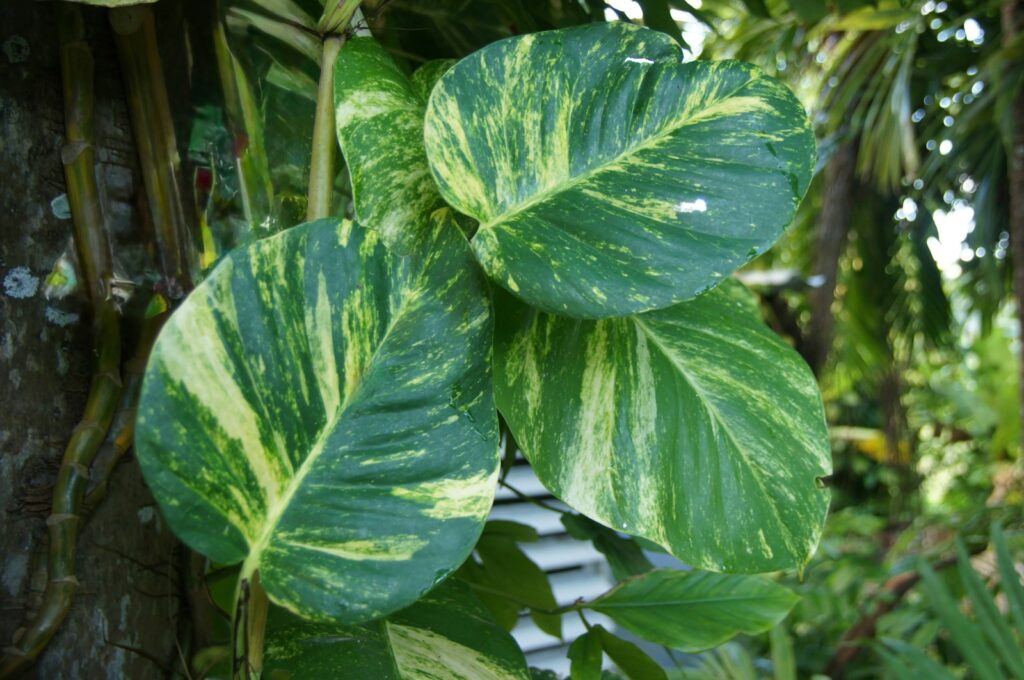
Pothos is perfect if you want a plant that thrives on being ignored. Its heart-shaped leaves come in pretty shades of green, sometimes with splashes of yellow or white.
It grows in low to bright indirect light. Forget to water now and then? Not a problem.
Pothos vines trail beautifully, making them ideal for shelves or hanging planters. They’re a simple way to add greenery and help clean the air at the same time.
Aloe Vera
Aloe vera is a no-fuss plant that loves bright, indirect sunlight. You only need to water it when the soil is bone dry.
Its thick, spiky leaves store water, so it can handle long dry spells. This makes it perfect for anyone who forgets to water.
The gel inside the leaves can soothe burns or skin irritations, so it’s handy to have around. Just use a pot with well-draining soil to keep it healthy.
Cast Iron Plant (Aspidistra elatior)
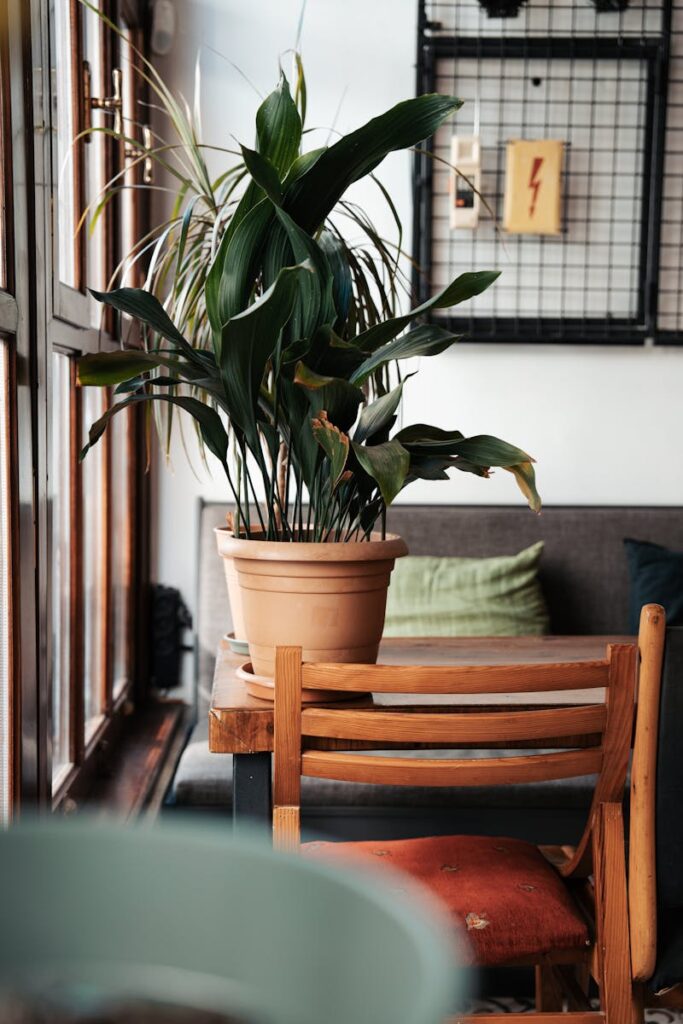
The Cast Iron Plant is as tough as it sounds. It survives low light, skipped waterings, and even some temperature swings.
Its glossy leaves stay green all year, brightening up shady corners where other plants struggle. You don’t need to fertilize it often or fuss over it.
If you tend to forget about your plants, this one will keep going strong. It’s a sturdy choice for any room.
Jade Plant (Crassula ovata)
Jade plants are known for their thick, glossy leaves and sturdy branches. They’re a great pick if you want something that looks good with minimal care.
They store water in their leaves, so you can go a while between waterings. Jade plants do well indoors or outside in a sunny spot.
Just make sure the soil drains well. Many people also like them for their reputation as a symbol of good luck.
Daylilies (Hemerocallis)

Daylilies are perfect if you want flowers without a lot of work. They thrive in full sun and don’t mind if you forget to water them now and then.
Each flower lasts only a day, but the plant keeps producing new ones so your garden stays bright for weeks. They come in loads of colors, so you can pick your favorites.
Daylilies grow in many soil types and attract pollinators like bees and butterflies. Plant them once and enjoy their blooms season after season.
Lavender
Lavender is a classic for anyone who wants something easy and fragrant. It loves sun and well-drained soil, so you don’t have to water it much once it’s settled in.
Its purple flowers and lovely scent attract bees and butterflies. Lavender looks nice in gardens or pots, and just needs an occasional trim.
If you want a plant that’s both tough and beautiful, lavender is a great choice.
Sedum (Stonecrop)
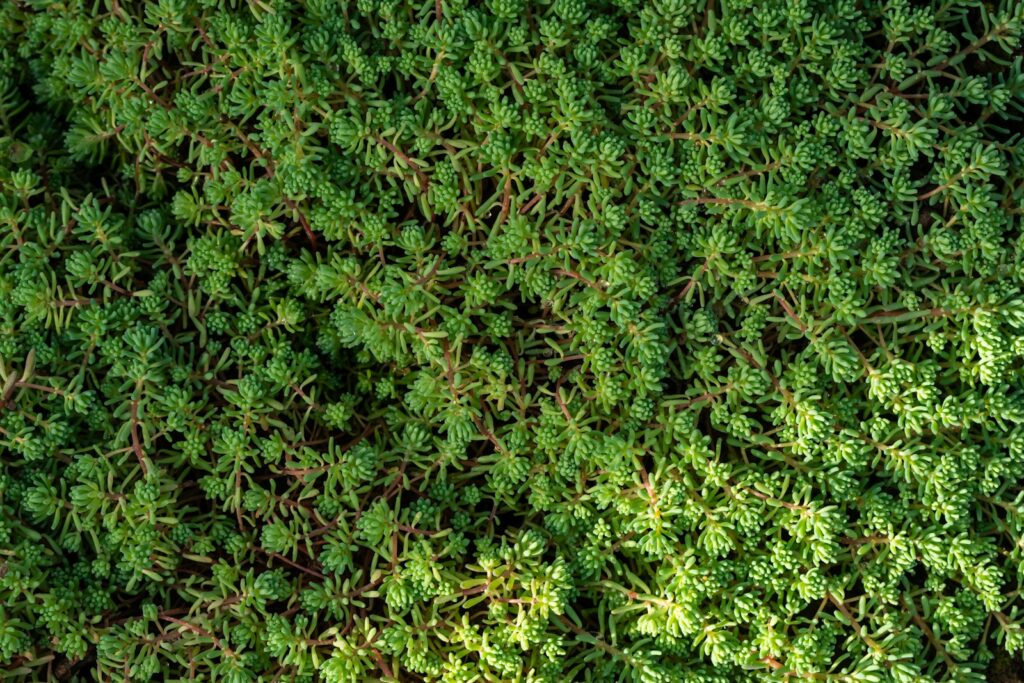
Sedum, or stonecrop, is built for neglect. Its fleshy leaves hold water, so you can skip watering without worry.
It grows in dry, rocky, or poor soil where other plants give up. Sedum works well in sunny spots, rock gardens, or between stepping stones.
Some types spread out like a carpet, while others grow tall with clusters of tiny flowers. Bees love their blooms, so they’re good for the garden too.
Chinese Evergreen (Aglaonema)
Chinese Evergreen is perfect for less-than-ideal spaces. It handles low to moderate light and doesn’t need daily watering.
Just check the soil and water when it’s dry. The plant’s thick, colorful leaves make it stand out, even if you forget about it now and then.
There are lots of varieties, all with interesting patterns and colors. It’s a slow grower, so it won’t take over your space.
Tips for Helping Neglect-Tolerant Plants Thrive
Give your plants a good spot with the right light, water only when needed, and use a little fertilizer now and then. These easy steps will help your plants look great, even if you’re busy or forgetful.
Choosing the Right Location
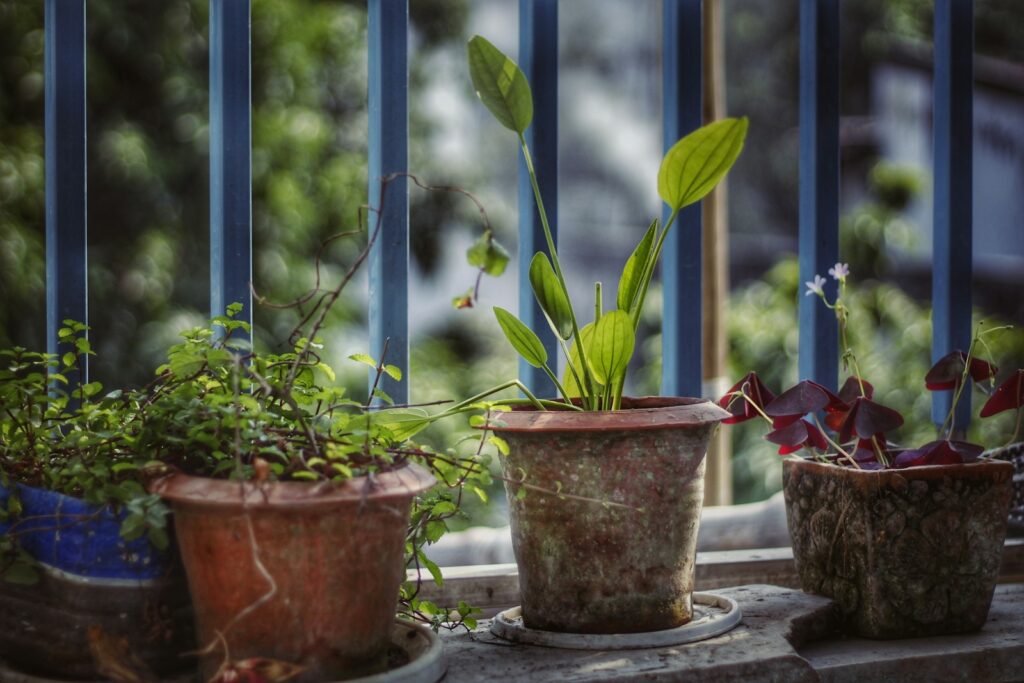
Finding the best spot for your plants can make a big difference in how well they grow. Some plants love bright, indirect light, while others are fine in lower light or even full sun.
Drought-resistant perennials often need plenty of sunlight. On the other hand, tropical houseplants usually prefer moderate indoor light.
It helps to notice if your chosen spot is too humid or drafty. Good air flow is important, and you want to avoid areas where water might collect.
Check that the soil drains well by watering it and watching how quickly the water disappears. If your plant is in the right place, it has a better chance to thrive.
Watering Best Practices
Touch the top of the soil before watering to see if it feels dry. Neglect-tolerant plants often store water in thick leaves or deep roots, so they don’t need water as often.
Pour room-temperature water near the base of the plant, aiming for the soil instead of the leaves. Make sure pots have drainage holes so extra water can escape.
Letting the soil dry out a bit more between waterings can actually help these plants stay healthy. This approach also saves water and fits the way these plants survive in nature.
Minimal Fertilization Needs

Some plants can thrive even if you forget to feed them most of the time. They usually only need fertilizer a few times each year.
Try using a balanced, slow-release fertilizer or a diluted liquid option during spring and summer. These seasons are when your plants are most active.
Once fall arrives and growth slows, you can take a break from feeding. Overdoing it with fertilizer can actually do more harm than good.
If your soil is already rich or you tend to repot your plants regularly, you might not need to feed them at all. Keeping the routine simple makes plant care much less stressful.