10 Pollinator-Friendly Plants That Aren’t Overused
Trying to bring more life to your yard? Attracting bees, butterflies, and hummingbirds can make your garden feel vibrant and welcoming.
If you are tired of seeing the same old flowers everywhere, there are plenty of lesser-known plants that can support pollinators and make your garden stand out.
Wild Bergamot (Monarda fistulosa)
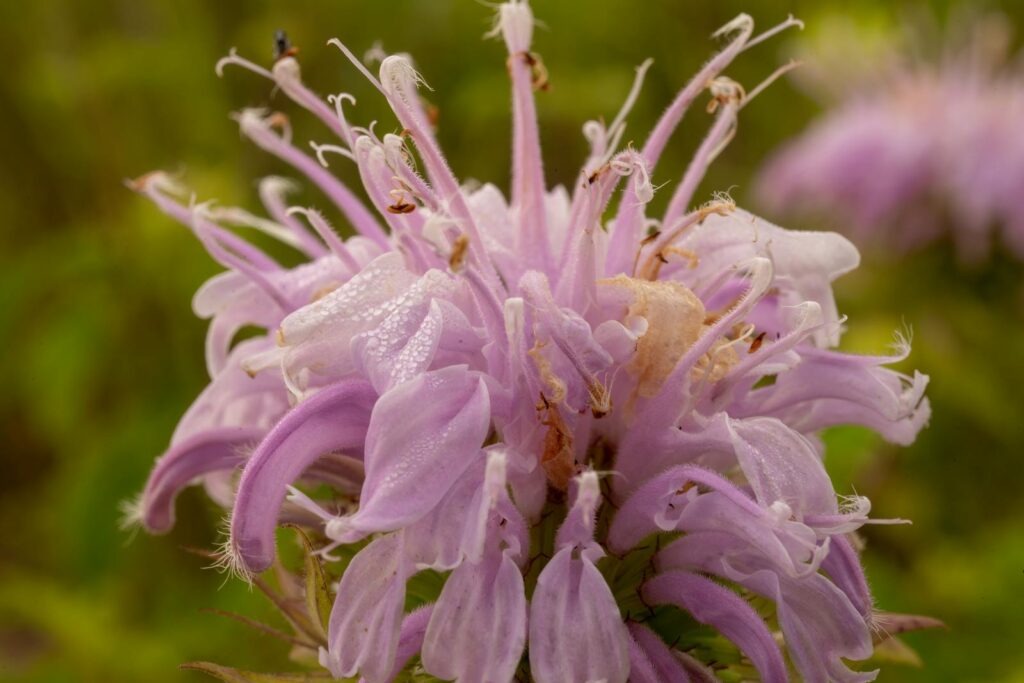
Wild bergamot is a native plant with soft lavender-pink flowers that bloom from mid-summer through early fall. Its tube-shaped flowers are perfect for bees, hummingbirds, and some wasps.
You’ll see it growing in prairies and open woodlands. This plant adapts easily to different soil types and adds a gentle pop of color.
Wild bergamot attracts special pollinators like the black sweat bee, which mainly visits this plant. It is a good pick if you want to support native bees and wildlife.
New England Aster (Symphyotrichum novae-angliae)
New England Aster brings color to late summer and fall when many gardens start to fade. It grows tall, with purple or pink daisy-like flowers that brighten up any space.
This plant thrives in full sun and well-drained soil. You’ll find it fitting in moist meadows, stream banks, or prairies.
Bees, butterflies, and skippers flock to its blooms, especially when other food sources are scarce. It also hosts caterpillars of the Pearl Crescent butterfly.
If you place it at the back of a flower bed, shorter plants can fill in the front for a layered effect.
Bee Balm (Monarda didyma)
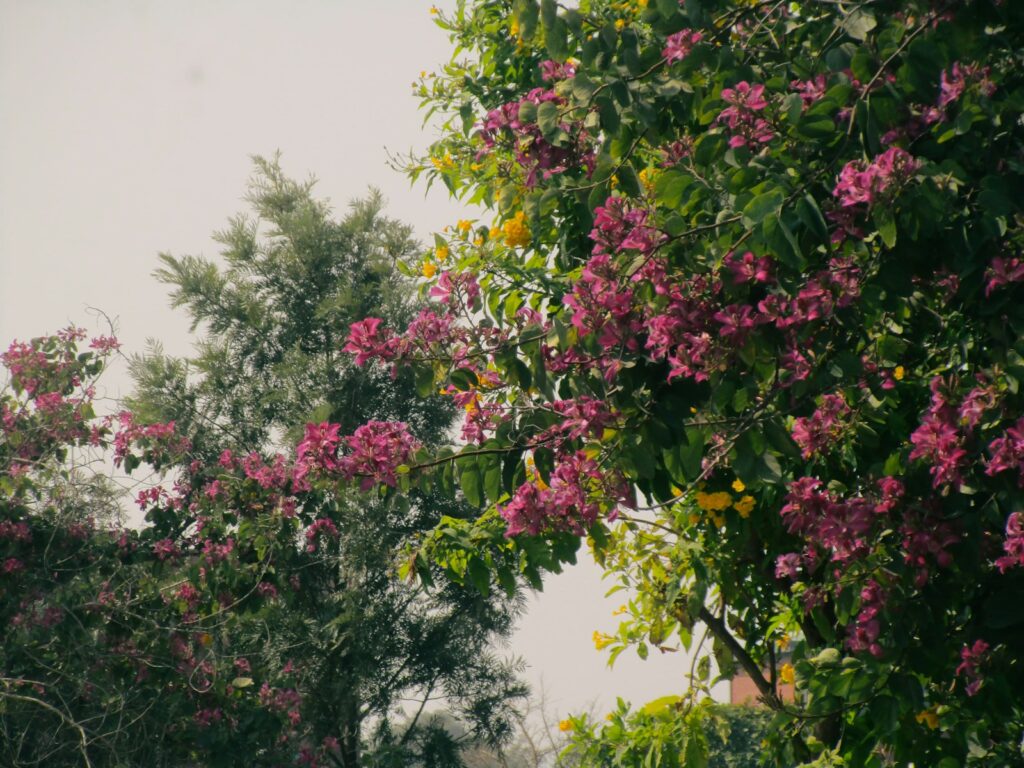
Bee balm is known for its bright red flowers that draw in bees, butterflies, and hummingbirds. The blooms are easy for pollinators to reach and make your garden lively.
This plant grows in clusters and has a pleasant minty scent. It blooms from late spring into fall, so you get months of color.
Bee balm does not need much space and thrives in sunny spots. Its unique flowers give your garden a bold look and help support local wildlife.
Golden Alexanders (Zizia aurea)
Golden alexanders offer bright yellow flowers in spring that catch the eye of bees, wasps, and butterflies. They bring a cheerful color to your garden just as other plants are waking up.
These plants grow about 2 to 3 feet tall and do well in full sun with moist, well-drained soil. They are native to eastern North America and fit naturally into many gardens.
Golden alexanders serve as a host plant for black swallowtail butterfly caterpillars. Their wild appearance adds variety to more formal garden beds.
They often reseed themselves, so you can enjoy them for years with little effort.
Purple Coneflower (Echinacea purpurea)
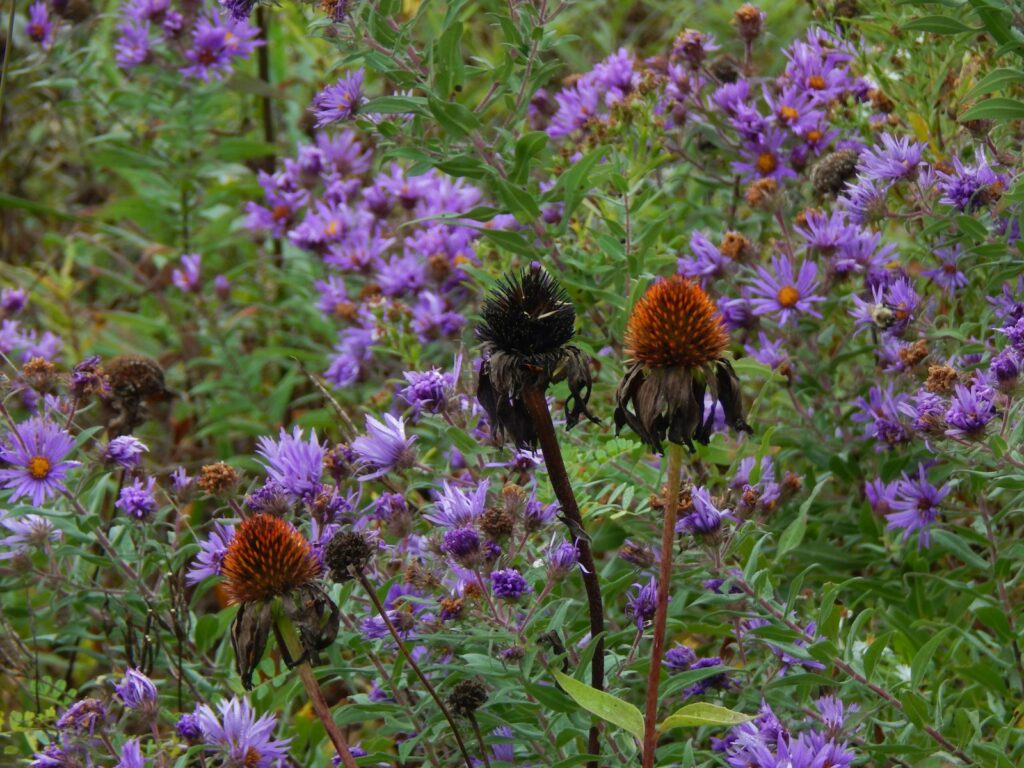
Purple coneflower is easy to grow and a favorite among pollinators. Its bright purple petals and spiky brown center attract bees, butterflies, and hummingbirds.
This flower does well in many regions and prefers well-drained soil. It can handle sun or partial shade and does not require much water.
Purple coneflowers bloom for a long stretch, providing food and color in your garden. The tough plant returns each year and pairs well with other natives.
Blue Lobelia (Lobelia siphilitica)
Blue Lobelia brings vivid blue flowers that attract bees, butterflies, and hummingbirds. Monarchs and Eastern Tiger Swallowtails are especially fond of its nectar.
It thrives in moist soils, making it perfect for areas near ponds, streams, or rain gardens. Blue Lobelia tolerates some shade if your yard does not get full sun.
The tall spikes bloom from late summer to mid-fall, adding height and late-season color. This plant is also deer resistant and works in both natural and residential landscapes.
Foxglove Beardtongue (Penstemon digitalis)
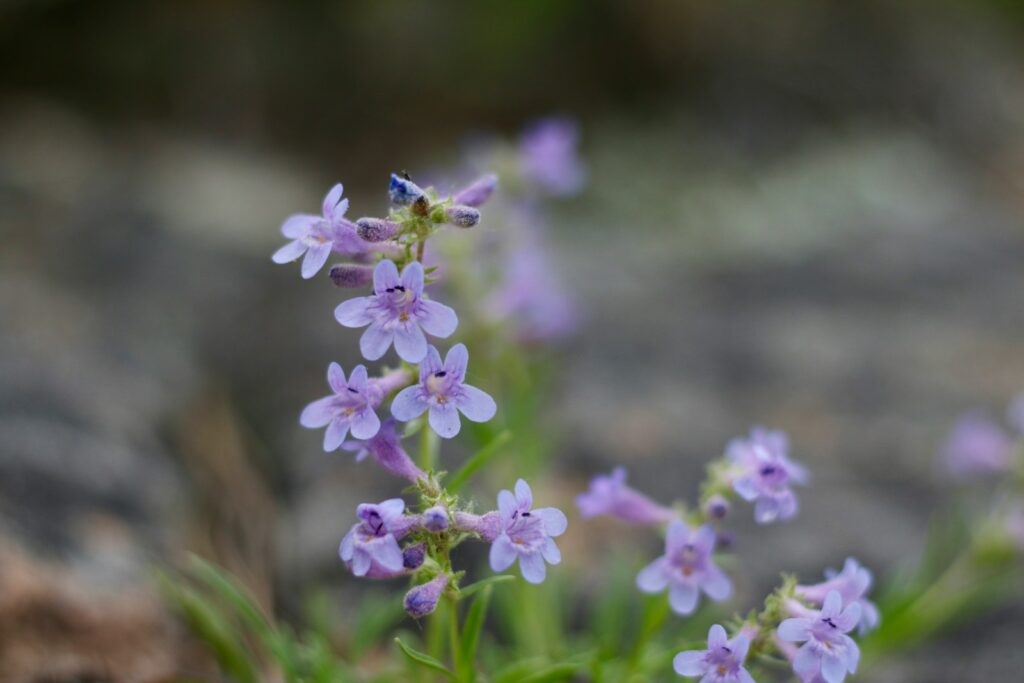
Foxglove Beardtongue supports a wide range of pollinators with its tall spikes of white to pale pink flowers in early summer. Bees, butterflies, moths, and hummingbirds all visit.
It is easy to grow and adapts to different light conditions, from full sun to part shade. This plant prefers medium to dry soil and can handle clay as well.
Foxglove Beardtongue grows up to 3 to 5 feet tall, adding vertical interest. It is deer resistant and helps support native bees like bumblebees and mason bees.
Cardinal Flower (Lobelia cardinalis)
Cardinal Flower stands out with its bright red blooms that appear in late summer. The tall stems reach 4 to 6 feet and bring a burst of color when other plants are fading.
This plant loves wet or moist soil, making it a good fit near ponds, rain gardens, or streams. You can plant it in full sun or partial shade.
Hummingbirds are drawn to its tube-shaped flowers, and butterflies and bees also visit. The Cardinal Flower is hardy and easy to grow if you keep the soil moist.
Cup Plant (Silphium perfoliatum)
Cup plant is a tall, sturdy option that can grow up to 8 feet. Its bright yellow flowers bloom from midsummer to fall, and the big leaves form cups that catch rainwater.
These water cups attract birds like goldfinches, who come to drink and eat the seeds. Bees and butterflies also visit for nectar and pollen.
Cup plant does well in sunny spots with moist soil and can handle heat and some shade. It fits nicely in larger gardens or natural areas without spreading too much.
Prairie Dropseed (Sporobolus heterolepis)
Prairie Dropseed is a grass that adds texture and movement to your garden. It grows in soft clumps with narrow, arching green leaves.
In late summer, delicate seed heads appear with a light, popcorn-like scent. Birds such as sparrows enjoy the seeds.
Prairie Dropseed is tough and drought-tolerant, thriving in full sun or partial shade. It is a native North American plant that blends well in natural and prairie-style gardens.
Growing a Garden Pollinators Will Love
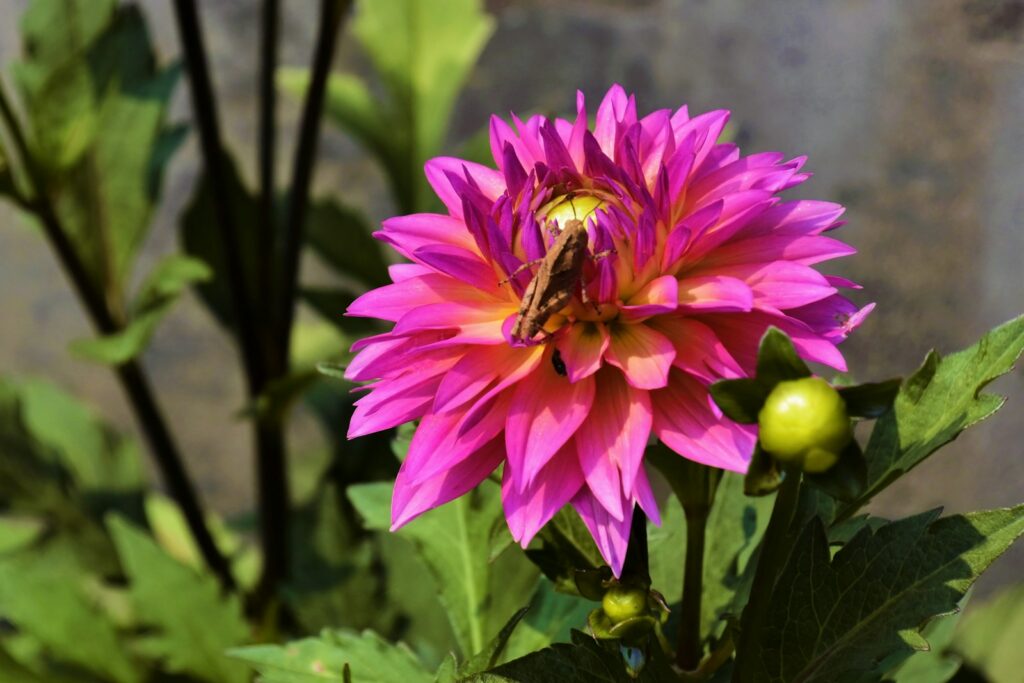
Mixing less common plants into your garden helps create a space where pollinators can thrive. These plants offer blooms at different times, so bees and butterflies always have something to eat.
Native and less-used species provide the right nectar, pollen, and habitat for local pollinators. Supporting them helps keep your garden and the surrounding ecosystem healthy.
Tips for Planting Uncommon Pollinator Plants
Pay attention to the specific needs of each plant for the best results. Most uncommon pollinator plants do well in well-drained soil.
Check if your plant prefers sandy, loamy, or clay soil. Adjust with compost or improve drainage if needed.
Many of these plants like full sun for at least six hours a day, but some can handle partial shade. Try to match the plant’s natural habitat for the healthiest growth and best blooms.
Mixing these unique plants with your favorite garden classics brings color, life, and variety, while giving pollinators a helping hand.
Mixing with Traditional Favorites
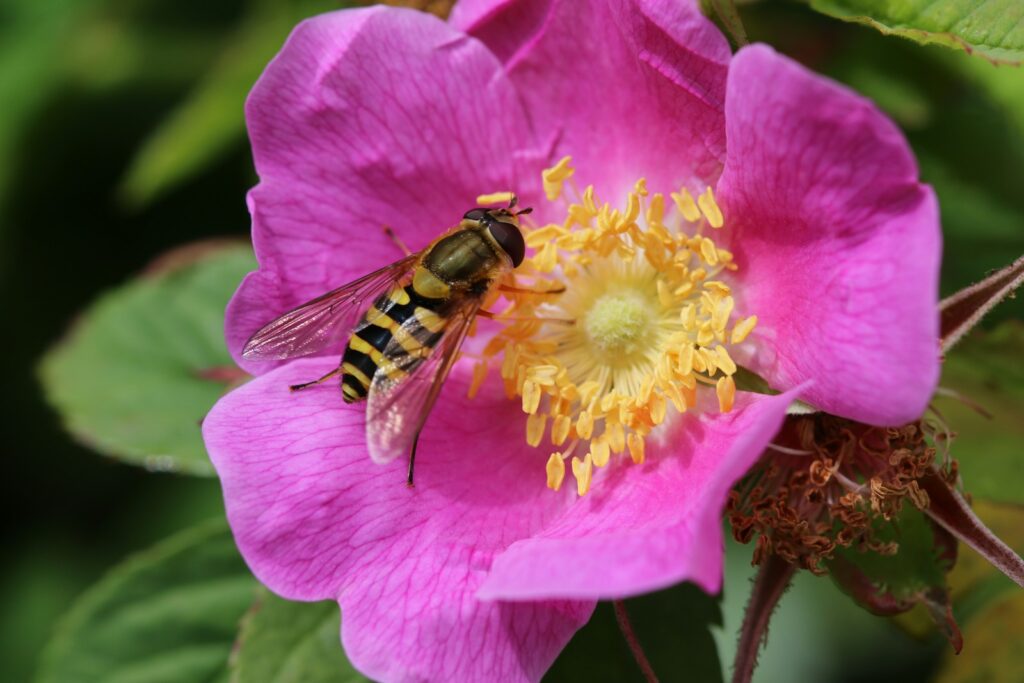
Have you ever wondered how to make your garden stand out while still supporting pollinators? Try blending some lesser-known flowers with crowd favorites.
Planting clusters of both types helps pollinators find food more easily. For instance, you can mix native milkweed or bee balm with wild bergamot or native goldenrod.
Arrange groupings of three to five plants and alternate between common and rare species. This creates color waves that catch the eye and supports a variety of pollinators by offering different pollen and nectar sources.