9 Fast-Growing Flowers That Look Like They Took Forever to Bloom Beautifully
Dreaming of a garden that looks lush and colorful without months of waiting? Fast-growing flowers can quickly fill your yard with blooms that seem like they’ve been there forever.
These flowers are perfect if you want instant results and a vibrant space to enjoy all season.
Zinnia
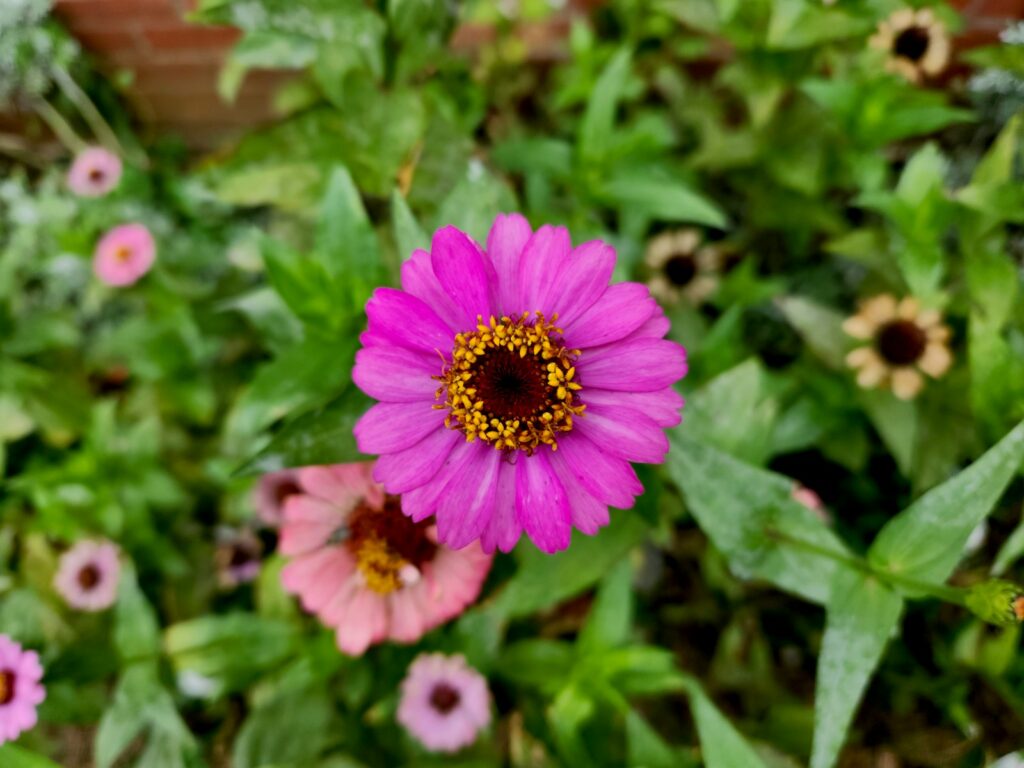
Zinnias are perfect for anyone who wants flowers that seem to appear almost overnight. You can see colorful blooms as soon as two months after planting the seeds.
They come in a wide range of colors except blue and grow in many sizes, from tiny 6-inch plants to those over four feet tall. Their bold shades make any garden feel more alive.
Zinnias love sunshine and need well-drained soil. If you keep them watered and in the sun, they’ll keep blooming throughout the season.
Since they’re annuals, they only last one season, but they give you plenty of color while they’re around.
Marigold
Marigolds bring instant cheer to any garden with their quick growth and bright blooms. Plant the seeds, and in about eight to ten weeks, you’ll see flowers in shades of orange and yellow.
They’re easy to care for and thrive in full sun with well-drained soil. Pinching off old flowers helps new ones grow.
Marigolds attract butterflies and pollinators, which brings your garden to life. They’re a simple way to get big color with little wait.
Calendula (Pot Marigold)
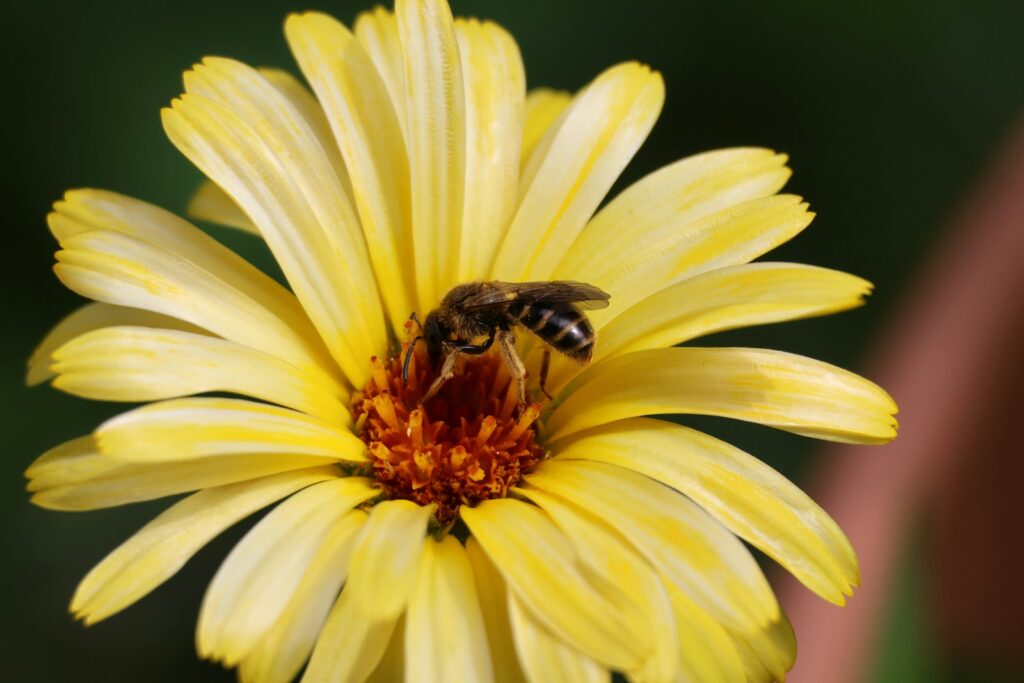
Calendula, also known as pot marigold, grows fast and brightens up your space with orange and yellow blooms. These flowers start appearing in spring and last until the first frost.
You can plant calendula seeds right in your garden, and they often come back each year because they self-seed. The petals look soft and full, making every flower seem fresh.
Calendula attracts bees and butterflies, helping your garden thrive. You can even use the petals for cooking or homemade skincare.
It’s a low-maintenance flower that handles dry spells well. Calendula grows nicely in beds or pots, so you can put it wherever you like.
Cornflower
Cornflowers add a classic touch to your garden with their fast-growing, bright blue petals. They’re easy to grow from seed and look delicate but are surprisingly tough.
You can plant them in wildflower gardens, cottage-style beds, or small spaces that need a splash of color. Bees and butterflies love them, which helps your whole garden flourish.
Cornflowers have a bit of history, too. They were once called “bachelor’s button” because men wore them to show they were in love or ready to date.
You won’t have to wait long for these blooms. Cornflowers grow quickly and keep their color well, even if you dry them for arrangements.
Cosmos
Cosmos are a go-to for fast color and easy care. Plant the seeds and you’ll see blooms in about seven to eight weeks.
Their daisy-like petals come in pink, white, orange, and red. Cosmos often grow tall, sometimes reaching up to four feet, adding height and movement to your garden.
They don’t need much water and can handle poor soil. Cosmos attract bees and butterflies, bringing more life to your space.
Once they start blooming, cosmos keep going until frost. Cutting the flowers encourages even more blooms, making them a great pick for busy gardeners.
Sunflower
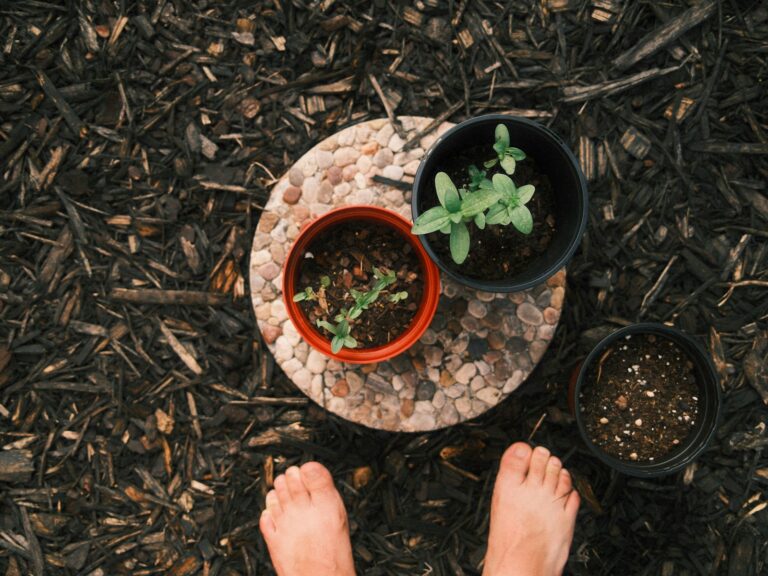
Sunflowers make a statement in any yard and grow much faster than you might expect. Some varieties, like ‘Ruby Eclipse’ and ‘ProCut Red,’ start blooming in about 55 days.
You’ll notice tall stalks and bright yellow faces that feel like bursts of sunshine. Sunflowers are easy to grow if you give them plenty of sunlight.
Watching them shoot up day by day is fun for all ages. You can even have friendly competitions to see whose sunflower grows the tallest.
They look impressive and full-grown in just a few weeks, bringing instant charm to your garden.
Sweet Alyssum
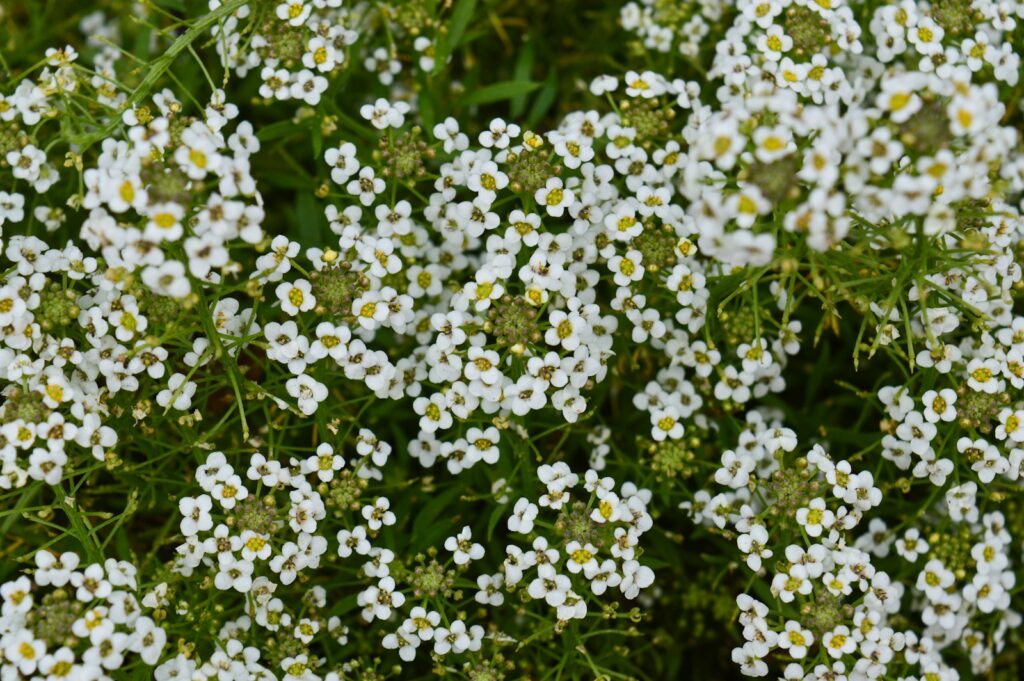
Sweet alyssum fills your garden with clusters of tiny white, pink, or purple flowers in no time. It’s perfect for cool weather and works well in spring or fall.
This flower spreads quickly and creates a soft carpet effect. You can use it as ground cover, between stepping stones, or in containers.
Sweet alyssum is low-maintenance and gives off a gentle, sweet scent that makes your garden feel welcoming. Bees and butterflies love visiting these blooms.
It completes its life cycle in one season, so you get quick results and a touch of charm without much effort.
Nasturtium
Nasturtiums are a fun way to add fast color to your garden. Plant their seeds in June, and you’ll see blooms by late summer. If your fall is mild, they may keep flowering into November.
The round, leafy greens look like little lily pads, and the flowers come in rich reds, oranges, and yellows. Both the leaves and flowers are edible with a peppery taste, making them a unique addition to salads.
Nasturtiums grow well even in poor soil and attract pollinators like bees and butterflies. They’re easy to grow—just sow the seeds in sunny spots and watch them spread.
They add life and color with very little effort.
Portulaca

Portulaca is perfect for anyone who wants bright color without a lot of work. It spreads quickly and covers the ground with vibrant blooms all summer.
This plant thrives in hot, dry weather and poor soil. Its fleshy leaves store water, so you don’t have to worry if you miss a watering.
You’ll see flowers that look like tiny roses or cups in shades of pink, red, yellow, and orange. They open during the day and close at night, adding a playful rhythm to your garden.
Portulaca works well in beds, containers, or hanging baskets. It’s a simple way to fill small spaces or edge walkways with color.
Tips for Growing Fast-Maturing Flowers
Getting your flowers to bloom quickly starts with good soil and the right care. A few simple steps can make a big difference.
Soil Preparation for Rapid Blooms
Use loose, well-draining soil so roots can spread easily. Heavy or compacted soil slows growth and can hold too much water.
Add organic matter like compost or aged manure to boost nutrients and improve texture. Most fast-flowering plants prefer a pH between 6.0 and 7.0, so check your soil with a simple kit.
Consider adding a slow-release fertilizer with balanced nutrients before planting. This gives your flowers a steady supply of food.
Proper Watering and Fertilizing Techniques
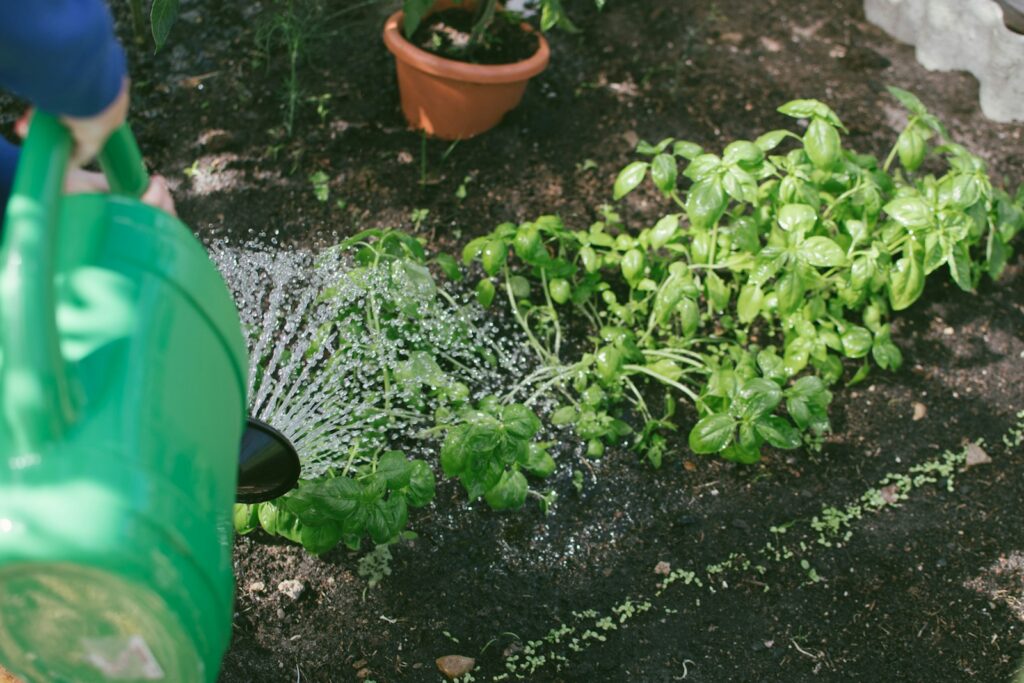
Water regularly, but don’t let the soil get soggy. Even moisture is especially important in the first few weeks.
Morning watering is best to reduce evaporation and help plants start the day strong.
Feed your flowers with a liquid fertilizer every two to three weeks during the growing season. Look for one with more phosphorus to encourage blooms.
Don’t overdo the fertilizer, or you might get more leaves than flowers. Always follow the instructions on the package.
Designing Garden Beds with Rapid-Blooming Flowers
Planning how you arrange your flowers can make your garden look even more stunning. Think about colors, heights, and how different plants work together.
Combining Colors and Heights for Visual Impact
Mixing flower colors creates a lively, fun vibe. Pair bold shades like yellow sunflowers or red blanket flowers with softer tones such as pale pansies or white zinnias.
Group flowers in odd numbers, like clusters of three or five, for a natural look. Place taller flowers at the back, medium-height ones in the middle, and low-growing blooms near walkways or the front.
Balancing warm colors with cool ones keeps your garden bed looking harmonious and inviting.
Companion Planting Strategies
Finding the right plant combinations can make a big difference in your garden’s success. Some flowers, like marigolds, are known for keeping pests away from nearby plants.
Try placing marigolds next to tomatoes or sunflowers to help reduce bugs naturally. This small change can make your gardening routine a little easier.
Mixing flowers with different needs can be rewarding. For instance, drought-tolerant blanket flowers can share space with moisture-loving pansies if both get the care they need.
Be careful not to put high feeders next to flowers that thrive on fewer nutrients. This helps prevent one plant from taking all the good stuff from the soil.
Grouping flowers that need similar sunlight and water keeps your garden looking healthy. With a little planning, your fast-growing flowers will thrive side by side.