10 Ways to Add Height and Drama to Your Garden
Ever walk through a garden that just feels alive and inviting? The secret might be in how the space uses height. Adding vertical elements and layering plants can transform even the smallest outdoor area into a vibrant retreat.
When you bring in taller plants or striking structures, your garden takes on a whole new personality. It’s not just about looks—these features can also give shelter to wildlife and create cozy nooks for you to enjoy.
Plant tall perennials like Joe Pye Weed for natural height and drama
Tall perennials are a go-to for building instant height in your garden. Joe Pye Weed, for example, can reach up to 8 feet and brings a bold, vertical presence.
Its large, pink blooms attract butterflies and pollinators, adding both beauty and life. Try planting it at the back of borders or near ponds to help it thrive.
Joe Pye Weed is easy to care for and adapts to different conditions, though it prefers full sun and moist soil. If you’re short on space, look for smaller varieties for a similar effect.
Mixing Joe Pye Weed with other tall perennials helps create layers and gives your garden that eye-catching, dramatic look.
Use spiky delphiniums to create striking vertical accents
Delphiniums are perfect for drawing the eye upward with their tall, spiky blooms. They come in shades of blue, pink, and white, making your garden feel lively and colorful.
Plant them in sunny spots with well-drained, slightly acidic to neutral soil. Adding compost will keep them healthy and blooming.
Because delphiniums can get tall, staking them is a good idea to prevent bending on windy days. Once they’re established, you’ll enjoy weeks of elegant color and shape.
Mix low-growing herbs like thyme with taller plants for contrast
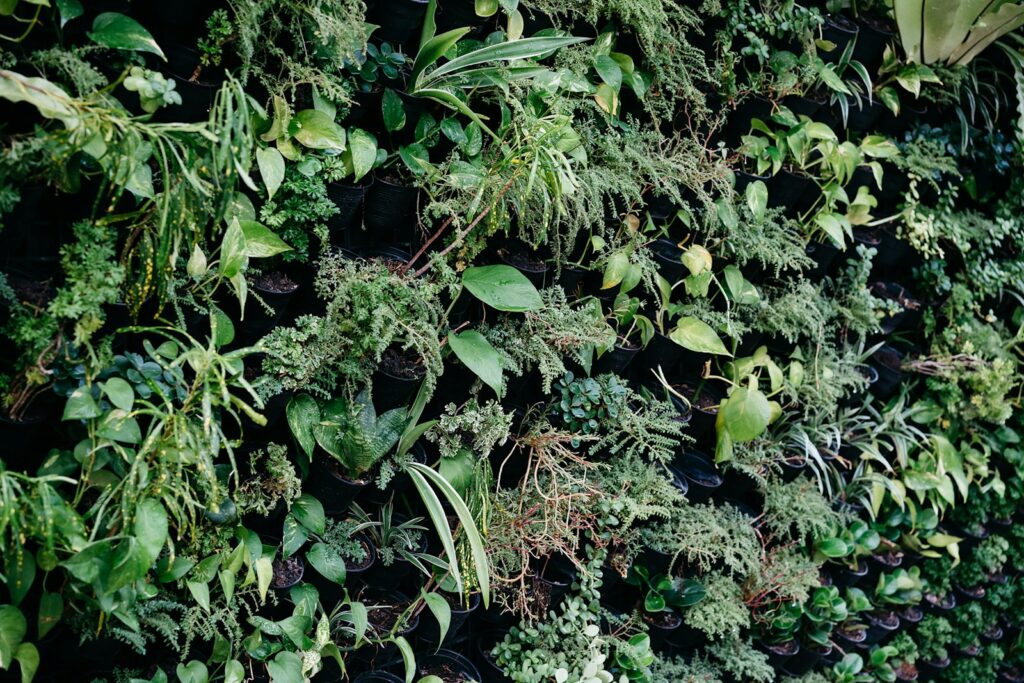
Pairing low-growing herbs like thyme with taller plants creates a beautiful contrast. Thyme hugs the ground, letting taller neighbors stand out and adding depth.
Try combining thyme with rosemary or sage for a layered effect. These herbs also pair well with taller veggies like tomatoes or Brussels sprouts.
Layering different heights helps your garden look balanced and full. Plus, these combinations often share similar care needs, making your garden easier to maintain.
Incorporate tall grasses to add movement and texture
Tall grasses are a simple way to add both height and gentle movement. Their slender leaves sway in the breeze, bringing a sense of life to your garden.
They come in a range of colors and shapes, so you can find a style that fits your space. Tall grasses also work well as natural privacy screens or to divide areas softly.
Most ornamental grasses need little care once they’re established. Add a few clusters and watch your garden’s texture and interest grow.
Create layered planting beds with varying plant heights
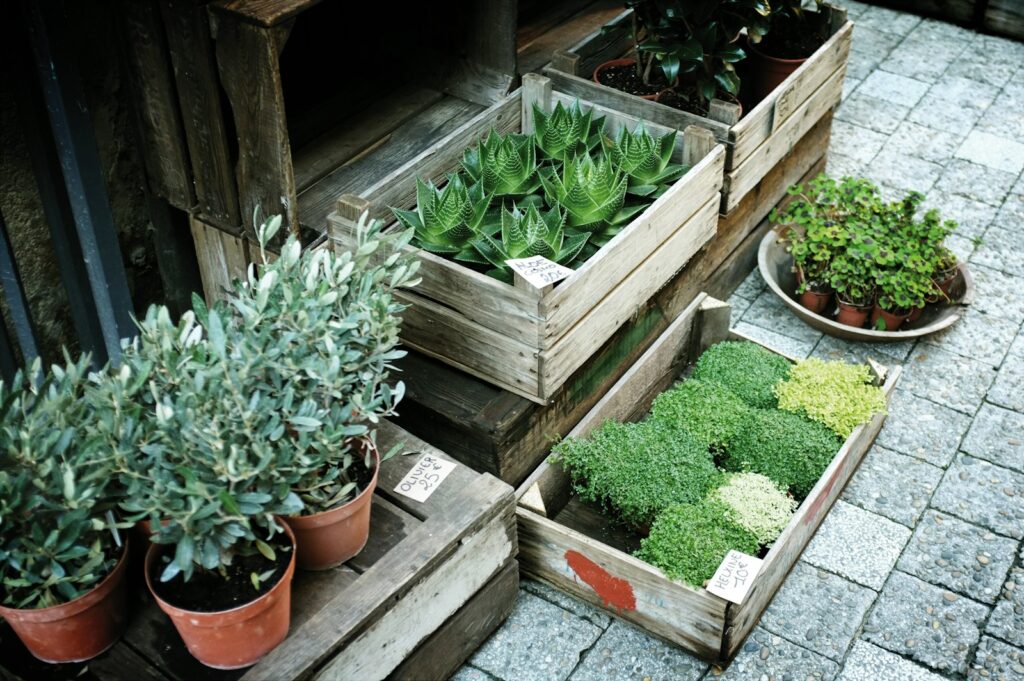
Arranging your plants from tall in the back to short in the front brings instant depth. Place the tallest plants at the back or center, depending on your bed’s visibility.
Medium-height plants go in the middle, bridging the gap between tall and short. Fill in the edges with low-growing plants or groundcovers to soften the look.
Try the “thriller, filler, spiller” method: thrillers for height, fillers for bulk, and spillers to trail over the edges. This approach works in both beds and containers.
Layering like this echoes how plants grow in nature and helps your garden feel welcoming and peaceful.
Add trellises with climbing vines such as clematis or wisteria
Trellises bring instant height and charm, especially when paired with climbing vines. Clematis offers bright, colorful flowers, while wisteria drapes with cascading blooms.
Choose trellis styles that match your garden’s vibe, from wood to metal or bamboo. You can use them against walls, fences, or as freestanding features.
Climbing vines transform plain surfaces into living art. With a little care, these plants will fill your garden with vertical interest and color.
Use elevated planters or raised beds to boost plant height
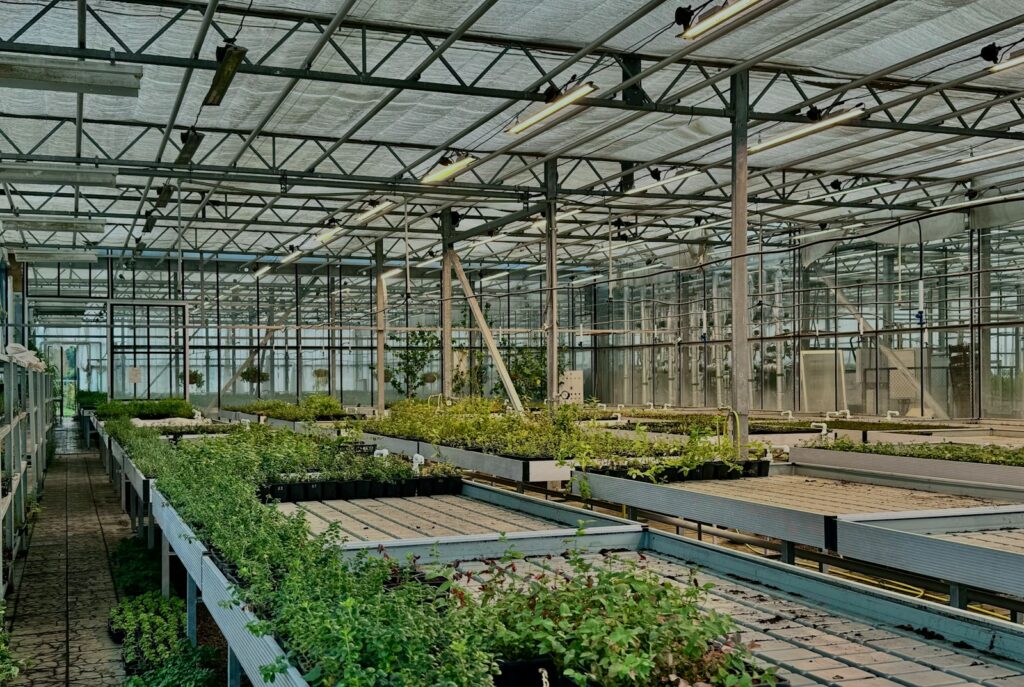
Elevated planters and raised beds make your plants stand out and add extra layers. They’re also easier on your back and make gardening more accessible.
Raised beds let you control soil quality and often result in healthier plants. The soil warms up faster in spring, giving you a longer growing season.
Mix and match different heights with flowers, veggies, or even small trees. This adds texture and keeps your garden visually exciting.
Place bold garden sculptures or obelisks as focal points
Garden sculptures and obelisks are great for adding instant height and personality. These tall features naturally draw attention and help guide visitors through your space.
Obelisks can support climbing plants, adding a vertical boost and extra interest. Sculptures, whether classic or modern, give your garden a unique touch.
Position them in open areas or near seating spots to create inviting focal points. A bold piece can really make your garden memorable.
Include tall flowering shrubs like butterfly bush for color and height
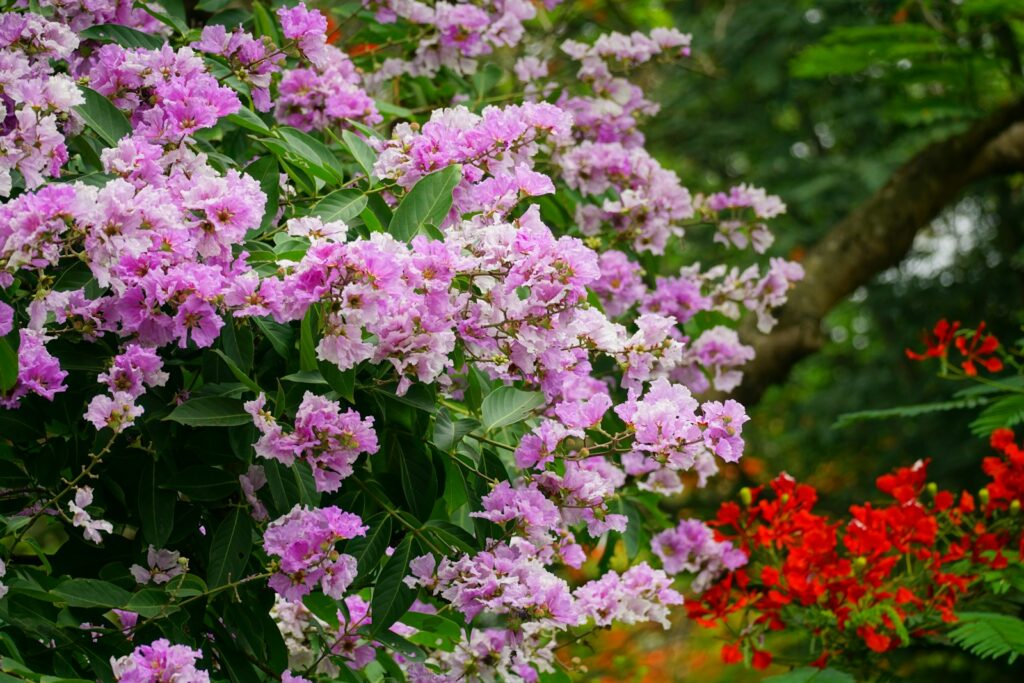
Tall flowering shrubs like butterfly bush add both structure and vibrant color. They can reach up to 12 feet, making your garden feel lush and full.
Butterfly bushes bloom from summer into fall, bringing long-lasting color in shades of purple, white, and pink. Their flowers attract butterflies and other pollinators.
These shrubs are low-maintenance and work well as backdrops or privacy screens. Adding them to your garden creates layers and keeps things interesting.
Install garden arches or arbors to define spaces and add elevation
Garden arches and arbors are perfect for marking entrances or dividing areas. They add height and help organize your outdoor space.
Train climbing plants like roses or clematis to grow over these structures for extra color and texture. Arches and arbors come in various styles, so you can find one that fits your garden’s look.
Once installed, they become inviting gateways or cozy focal points. The added height can make even small gardens feel bigger and more welcoming.
Understanding Vertical Garden Design
Adding height in your garden means more than just stacking plants. It’s about understanding how vertical features affect plant health and creating sturdy structures that last.
Paying attention to these details keeps your garden looking great and helps your plants thrive.
The Science Behind Vertical Accents
Growing plants vertically improves airflow and reduces mold and pests. It also makes it easier to spot problems early, so you can act fast.
Vertical supports like trellises or arbors help climbing plants get more sunlight, especially in tight spaces. Vines grow upward instead of sprawling, staying healthier and producing more.
This approach gives your plants better access to sun, air, and space, leading to stronger growth and bigger harvests.
Best Practices for Lasting Structure
Start with sturdy supports like wooden trellises, metal frames, or even repurposed ladders. Make sure they’re anchored well to handle plant weight and wind.
Choose weather-resistant materials like treated wood or powder-coated metal for longer-lasting results. Check your supports regularly and fix any loose parts.
Plan your plant placement for balance. Heavier plants go lower, while lighter vines work higher up. This keeps your garden stable and easy to care for.
Choosing the Right Plants for Impact
The right plants can completely change the feel of your garden. Look for varieties with strong shapes and height to add structure and texture.
Choose plants that fit your space and style for a garden that feels both lively and personal.
Tall Perennials vs. Architectural Shrubs
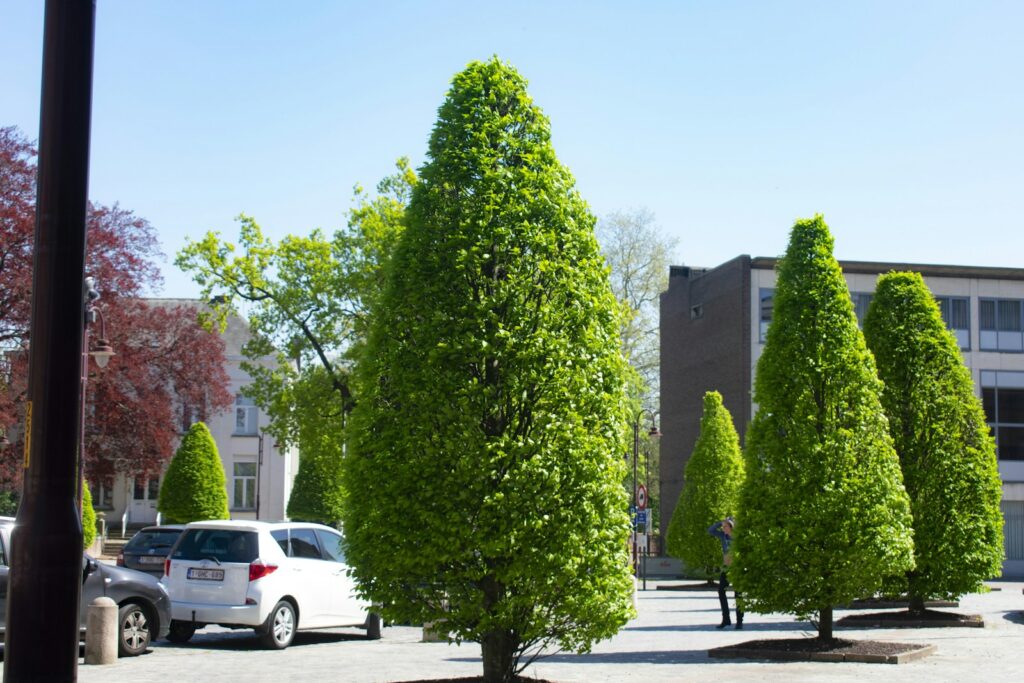
Tall perennials like delphiniums, foxgloves, and hollyhocks bring vertical color and attract pollinators. Their blooms change with the seasons, keeping your garden fresh.
Architectural shrubs such as giant miscanthus or bamboo offer bold shapes and act as natural screens. They need less care once established and give your garden a strong, steady backdrop.
How Plant Selection Influences Garden Drama
Ever walked past a garden and felt instantly drawn in? The secret often lies in how the plants are chosen and arranged.
Tall plants placed behind shorter ones create layers that guide your eyes upward. Mixing textures, such as pairing feathery grasses with broad leaves, brings a unique twist to the overall look.
Color makes a big difference too. Bright blooms on tall perennials can grab attention, while deep green shrubs help to ground the scene.
Paying attention to bloom times keeps things interesting. When plants flower at different times, your garden stays lively from early spring through fall.
Tips for drama:
- Use tall plants in the back or corners
- Combine sharp, bold shapes with soft textures
- Choose a mix of evergreen and flowering plants