12 Ways to Garden More Sustainably This Year
If you love spending time in your yard, you know how rewarding it feels to watch your garden grow. But have you ever wondered if your gardening habits could be a little kinder to the planet?
Small changes in your routine can make a big difference. With a few tweaks, you can save water, cut down on waste, and help your local wildlife, all while keeping your garden beautiful and productive.
Grow native plants to support local wildlife
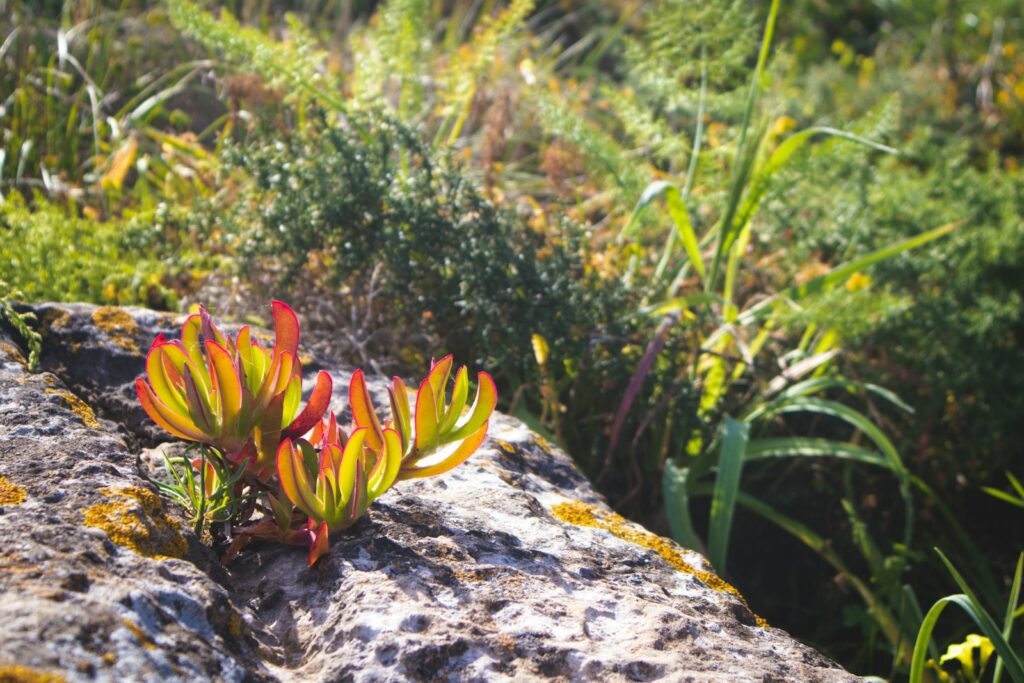
Native plants are a win for both your garden and the creatures that visit it. They’re built for your local climate, so they need less water and care.
When you plant natives, you give pollinators like bees and butterflies a place to thrive. It’s a simple way to turn your yard into a mini wildlife haven.
Before adding native plants, clear out any invasive species that might crowd them out. Prepare your soil gently and add compost to help your new plants settle in.
Check what native plants grow best in your region. Local guides or nature preserves are great resources for ideas.
Use rainwater harvesting systems
Ever notice how much rainwater runs off your roof during a storm? Collecting that water is easier than you think.
A rain barrel or tank can catch runoff and give you a free source of water for your plants. This helps you rely less on your tap and keeps your garden hydrated during dry spells.
Even a simple setup can make a difference. Rainwater collection also helps prevent erosion and keeps your soil in better shape.
Many systems need little maintenance and are affordable to set up. Over time, you’ll see healthier plants and lower water bills.
Compost kitchen and garden waste
Got veggie peels or grass clippings piling up? Composting is a great way to put them to use.
Set up a pile or bin and add a mix of green scraps (like fruit peels) and brown materials (like dry leaves). Keep it moist and turn it occasionally to help it break down.
In a few months, you’ll have rich compost to feed your garden. This keeps food scraps out of landfills and gives your plants a natural boost.
Plant drought-resistant varieties
If you’re tired of watering all the time, try adding drought-resistant plants to your garden. These tough varieties can handle dry spells and still look great.
Native plants, succulents, and Mediterranean herbs are all good choices. They need less water and often thrive with minimal care.
Add mulch and improve your soil to help these plants hold onto moisture even longer. You’ll spend less time watering and more time enjoying your yard.
Practice crop rotation to maintain soil health
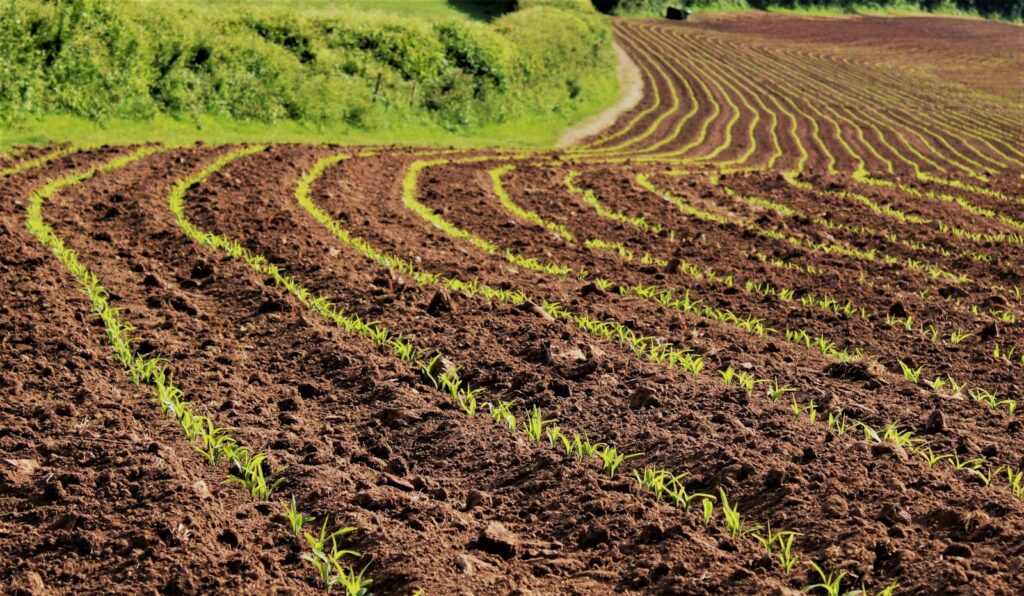
Switching up what you plant each year keeps your soil in better shape. Different crops use and return different nutrients, giving the soil a chance to recover.
Crop rotation also helps keep pests and diseases in check. If you plant the same thing every season, bugs and diseases can become a bigger problem.
Try rotating vegetables like tomatoes with legumes that help rebuild the soil. Planning ahead helps your garden stay productive year after year.
Use natural pest control like ladybugs
Ladybugs aren’t just cute—they’re hard workers in the garden. They eat pests like aphids that can damage your plants.
To attract ladybugs, plant flowers such as dill and fennel. These plants provide food and shelter for beneficial insects.
Letting ladybugs and other helpful bugs do the work means you can skip harsh sprays. Your garden will be healthier and more balanced.
Mulch to retain soil moisture and suppress weeds
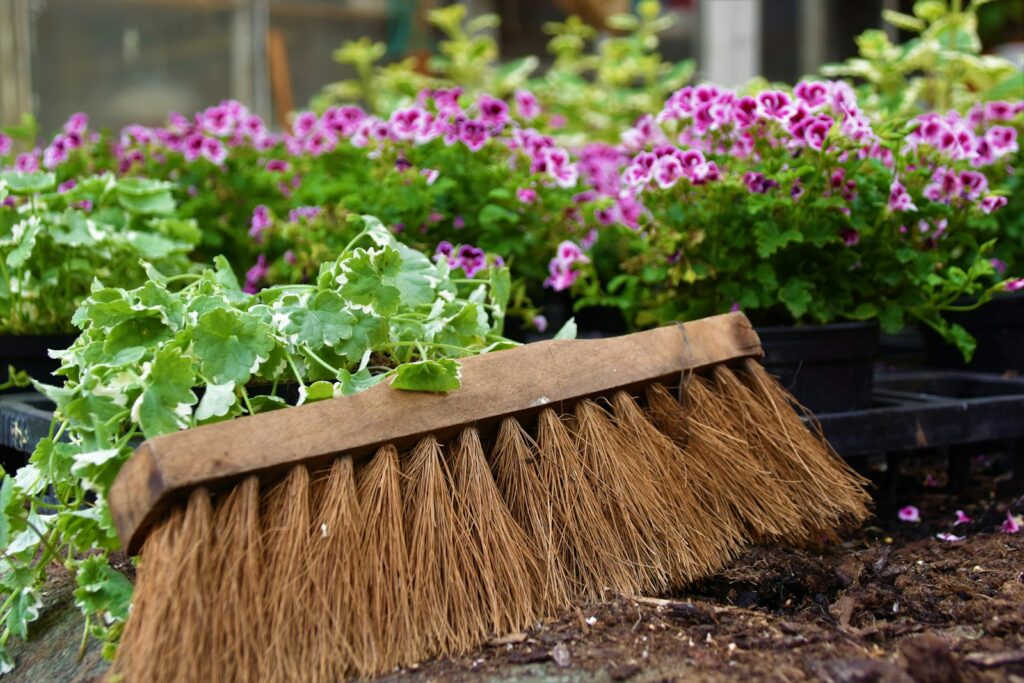
A layer of mulch keeps your soil moist and helps block out weeds. This means less watering and less time spent pulling unwanted plants.
Use organic materials like straw, bark, or compost. Spread mulch about two or three inches deep, but keep it away from the stems of your plants.
Mulch also helps regulate soil temperature, keeping roots comfortable through the seasons. Your plants will thank you with stronger growth.
Avoid synthetic fertilizers by using organic compost
Feeding your garden with organic compost is a natural way to boost growth. Compost improves soil texture and helps it hold water longer.
It’s made from kitchen scraps and yard waste, so you’re recycling while you garden. Compost supports healthy microbes in the soil and protects plants from pests.
Mix compost into your beds before planting or around existing plants during the season. It’s an easy way to keep your garden thriving without chemicals.
Incorporate permaculture design principles
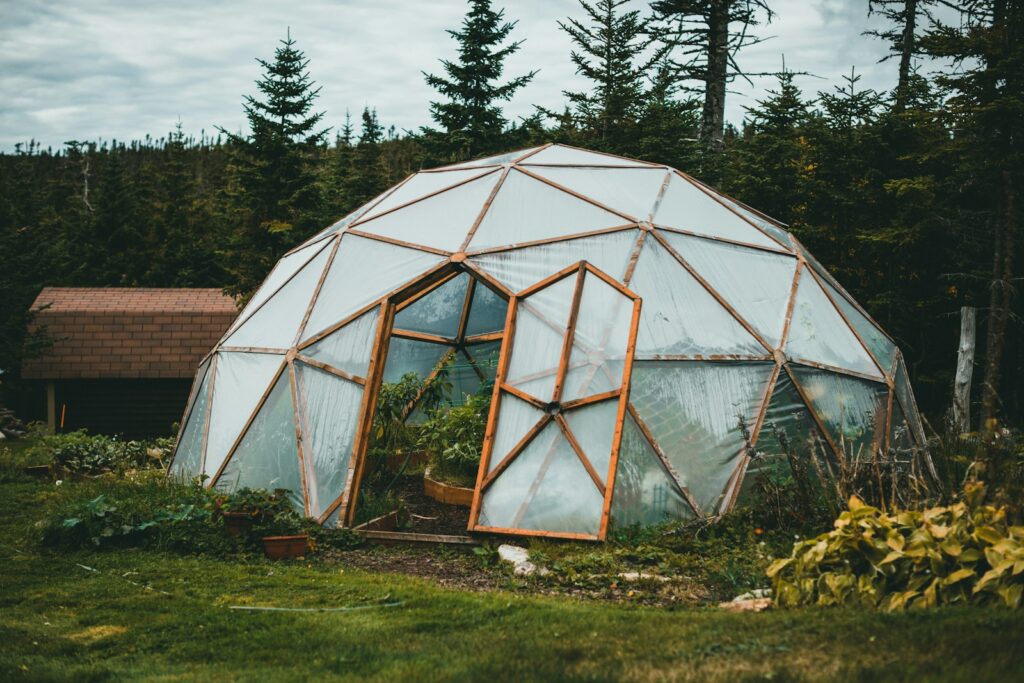
Permaculture is about working with nature, not against it. Start by watching how sunlight, wind, and water move through your yard.
Layer plants by growing ground covers beneath taller ones to save space and protect the soil. Composting and recycling organic matter create healthy soil without the need for chemicals.
Some plants help each other grow, like those that add nitrogen to the soil. Water-saving tricks like rainwater harvesting fit right into this approach.
With permaculture, your garden becomes more self-sufficient and productive. It’s a smart way to get more from your space with less effort.
Grow organic heirloom seeds
Heirloom seeds have a story to tell. These varieties have been handed down for generations, and they often have unique flavors and colors.
Growing heirloom seeds helps preserve plant diversity and keeps rare varieties alive. You can save seeds from your own plants and use them year after year.
Choosing organic heirlooms means you’re avoiding chemicals and supporting a healthier garden. It’s a satisfying way to connect with gardening traditions.
Set up a worm farm for nutrient-rich soil
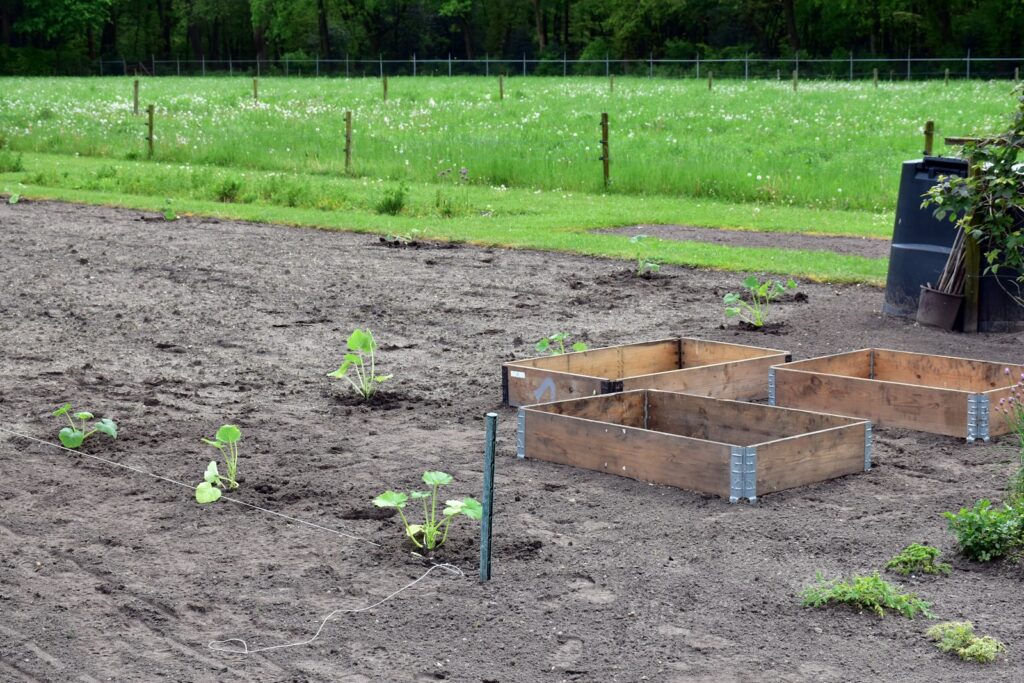
Worms are tiny garden helpers that turn food scraps into powerful compost. Starting a worm farm doesn’t take much space—just a small bin in a shady spot.
Feed your worms kitchen scraps like fruit and veggie peels. They’ll reward you with worm castings, a natural fertilizer that boosts plant growth.
Worm farming cuts down on waste and gives your garden a steady supply of nutrients. Plus, it’s interesting to watch the process in action.
Collect and reuse seeds from your plants
Saving seeds from your best plants means you don’t have to buy new ones every year. It’s a simple habit that saves money and reduces waste.
Let seeds mature fully on the plant, then dry and store them in a cool, dry place. Label your containers so you know what’s inside for next season.
Even if you’re new to seed saving, it’s a fun way to learn more about your garden. Over time, you’ll develop plants that are well-suited to your yard.
Benefits of Sustainable Gardening
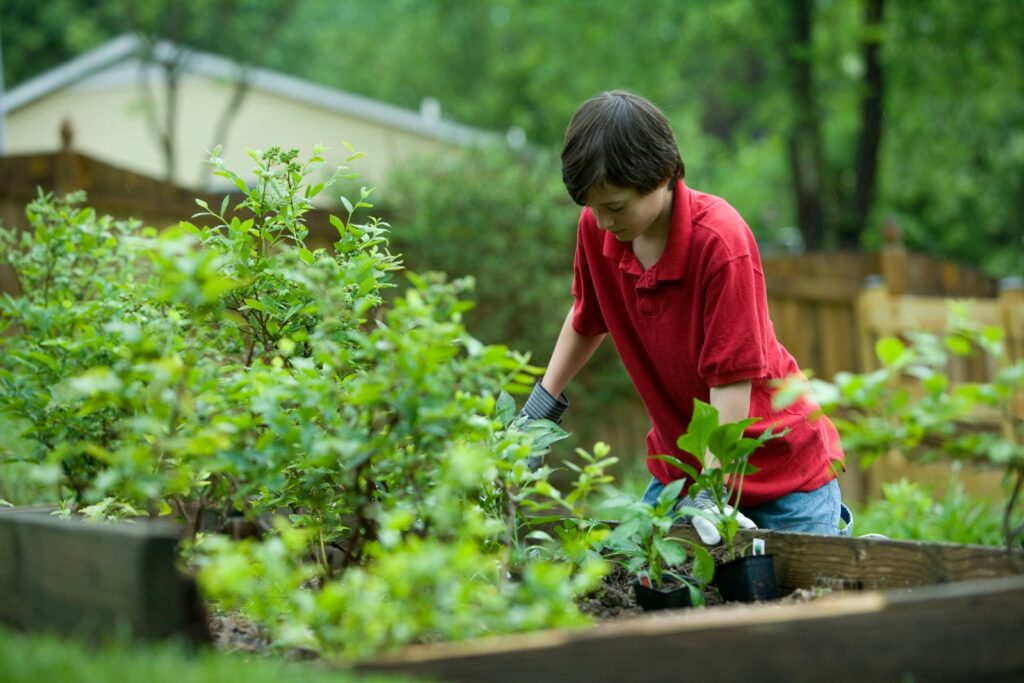
Making your garden more sustainable isn’t just about the environment. It can save you money and make your yard a healthier place for plants and wildlife.
When you use fewer chemicals, your soil stays healthier and pollinators are safer. Native plants and organic methods attract helpful insects and birds that keep pests under control.
Collecting rainwater and using compost help you use resources wisely. Your garden becomes a small but important part of supporting the planet’s health.
Long-Term Cost Savings
Saving money while gardening can feel like a challenge, but sustainable gardening makes it easier. You can cut down on water, fertilizer, and pest control costs with a few simple changes.
Rain barrels help lower your water bill by collecting natural rainfall. Composting food scraps means you spend less on soil additives.
Growing plants that fit your climate lowers the chance they will get sick or need extra care. You will make fewer trips to the store and use fewer chemical sprays.
Reusing materials and mulching helps your garden stay healthier. This also keeps maintenance costs down over the years.
Key money-saving tips:
- Use rainwater and mulch to keep soil moist
- Compost kitchen waste for natural fertilizer
- Choose low-maintenance, local plants
Common Challenges and How to Overcome Them
Getting started with sustainable gardening can come with some bumps in the road. Weather problems and finding the right eco-friendly materials can feel overwhelming at first.
Navigating Local Climate Issues

Your local weather plays a big role in what you can plant and when. If you live somewhere dry, conserving water is important.
Try using drip irrigation or mulch to help soil hold moisture longer. Mulch also keeps weeds down and helps plant roots stay cool.
If your area gets a lot of rain, good drainage is key. Raised beds or adding compost can stop water from pooling and harming roots.
Check the weather forecast often. Planning your planting and watering around rain or heat can save water and keep your plants happier.
Choosing native plants that fit your climate means less work and less worry. They usually need less water and care than other options.
Finding Sustainable Resources
Picking out the right tools, soil, and seeds can make a real difference for the environment. If you have extra containers at home, try reusing them for your plants or trading with friends instead of buying more.
Chemical fertilizers might seem convenient, but organic options are better for your soil and the food you grow. Creating your own compost from kitchen scraps and yard waste is a simple way to give back to your garden.
Heirloom and open-pollinated seeds can be a fun way to experiment with different plants. These seeds often do well in home gardens and help keep plant varieties alive for future seasons.
Local seed banks are a great resource and support the unique needs of your area. Every small choice adds up, and your garden can become a place that benefits both you and the environment.