12 Hard-Working Ground Covers That Replace Grass Beautifully
Keeping up with a traditional lawn can feel like a never-ending chore. If you’re looking for ways to cut down on yard work without sacrificing a lush, green look, ground covers might be just what you need.
These plants can transform your yard into a vibrant space that’s easier to care for than grass. They work well in tricky spots and bring fresh color and texture to your garden.
Creeping Thyme

Creeping thyme spreads quickly, creating a dense, green carpet that feels soft underfoot. It thrives in sunny areas and well-drained soil.
You won’t need to water it as often as grass, and it can handle some foot traffic. When you walk on it, the leaves release a fresh, herbal scent.
In summer, you’ll see tiny purple, pink, or white flowers that attract bees and butterflies. Creeping thyme helps keep weeds away and protects the soil from erosion.
Ajuga (Bugleweed)
Ajuga, or Bugleweed, forms a thick mat that stops weeds from coming up. It’s perfect for shady spots where grass just won’t grow.
Ajuga does well in partial to full shade and isn’t picky about soil quality. The leaves come in green, purple, or bronze, adding variety to your yard.
In spring, you’ll notice spikes of blue, purple, or white flowers. Ajuga spreads with runners and can quickly cover large areas.
Sedum (Stonecrop)
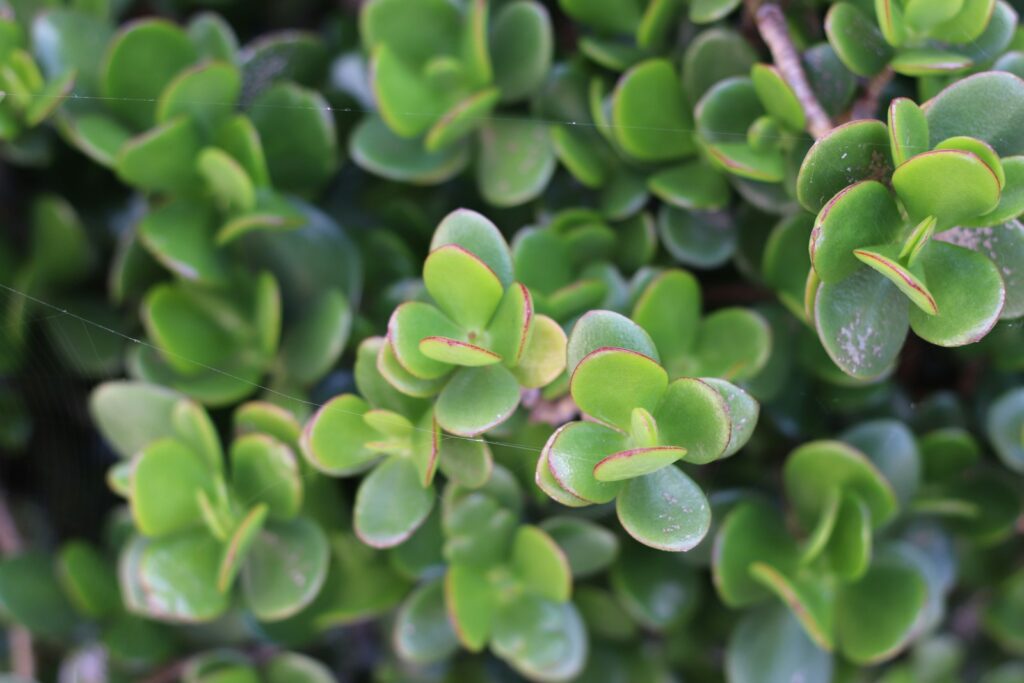
Sedum, or stonecrop, is a tough ground cover that handles dry conditions better than most grass. It grows low and spreads fast, filling empty spaces with interesting colors and textures.
Some varieties produce small flowers in summer, attracting pollinators. Sedum does well in rocky or sunny areas and is great for spaces between sidewalks or along edges.
Liriope (Lilyturf)
Liriope, also known as lilyturf or monkey grass, is easy to grow and works in both sunny and shady spots. Its grass-like leaves stay green all year.
In late summer, liriope produces small purple flowers for a pop of color. It forms dense patches that help keep weeds out and doesn’t need much water.
You won’t have to mow it, and it handles different soil types well. Liriope is reliable for borders or covering bare spots.
Vinca Minor (Periwinkle)
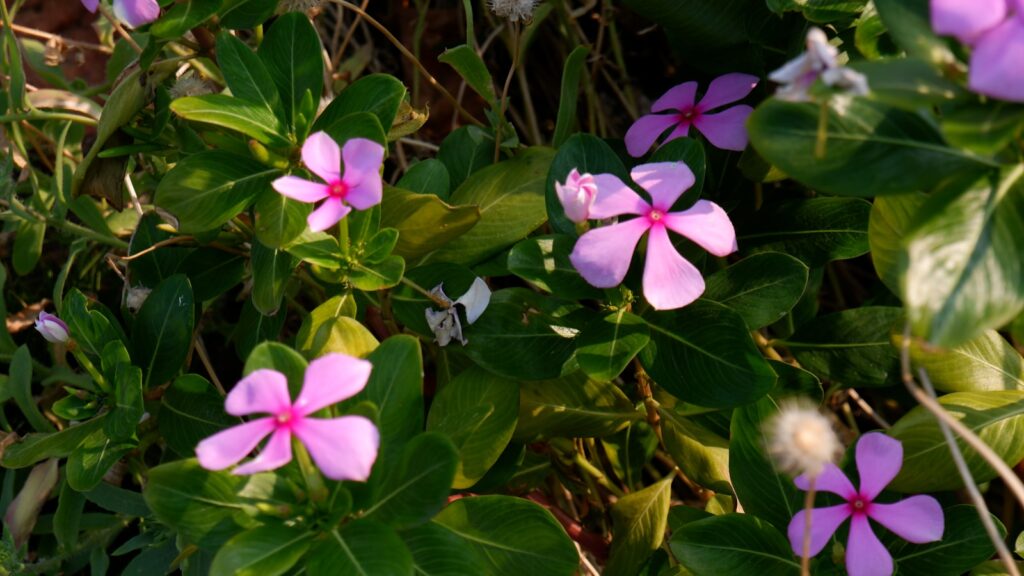
Vinca minor, or periwinkle, stays green all year and spreads fast to cover bare spots. It’s perfect for shady areas where grass struggles.
You’ll see shiny leaves and pretty blue, purple, or white flowers. Periwinkle is low maintenance but can be invasive, so keep an eye on its growth.
It’s a tough ground cover that handles shade and keeps your yard looking neat.
Corsican Mint
Corsican mint creates a soft, green carpet that smells minty when you walk on it. It grows best with some shade and regular watering.
This plant is great between stepping stones or in small garden spaces. You don’t have to mow it, and it attracts helpful insects.
Corsican mint spreads nicely but is easy to manage. It’s a unique, low-maintenance way to bring fresh scent and color to your yard.
Corsican Stonecrop
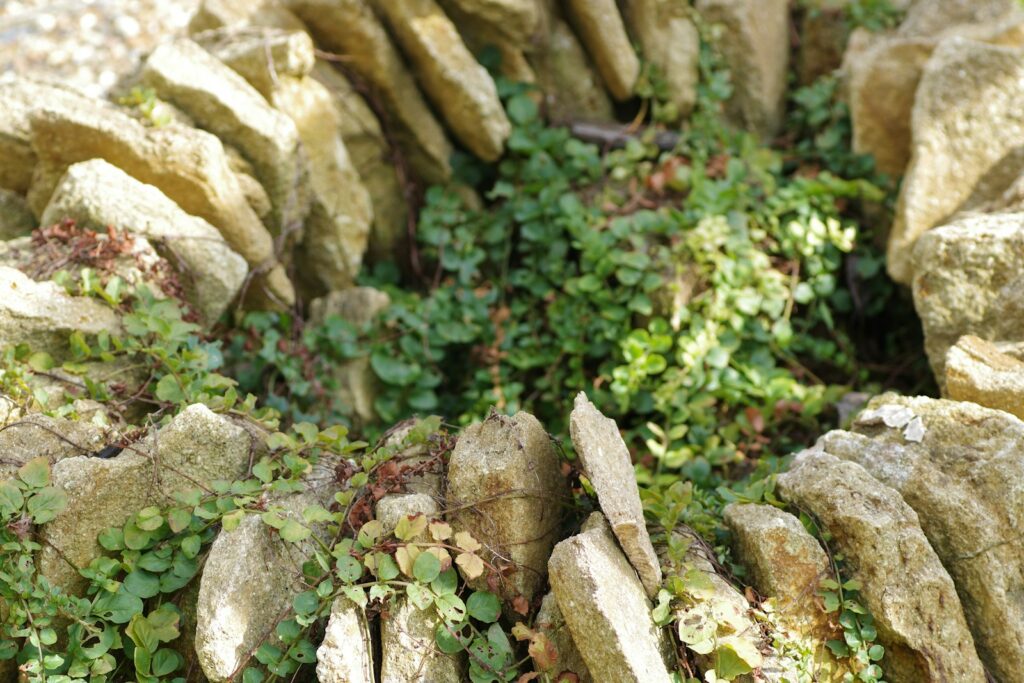
Corsican Stonecrop grows low and forms a dense mat of blue-green leaves. It stays under five inches tall and won’t crowd your garden.
This plant does well in sun or part shade, and the leaves can turn purple with more sun. It’s a hardy perennial that returns each year with little care.
Corsican Stonecrop handles dry conditions and can be grown in containers. It spreads slowly and is easy to control.
Sweet Woodruff
Sweet woodruff is perfect for shady spots and grows about eight to twelve inches tall. It spreads quickly, creating a soft, green carpet.
In spring and early summer, you’ll notice small white flowers with a sweet fragrance. Sweet woodruff likes moist, shady areas and helps control weeds.
Once it fills in, you’ll have fewer weeds to worry about. It also acts as a natural mulch, protecting your soil.
Blue Star Creeper
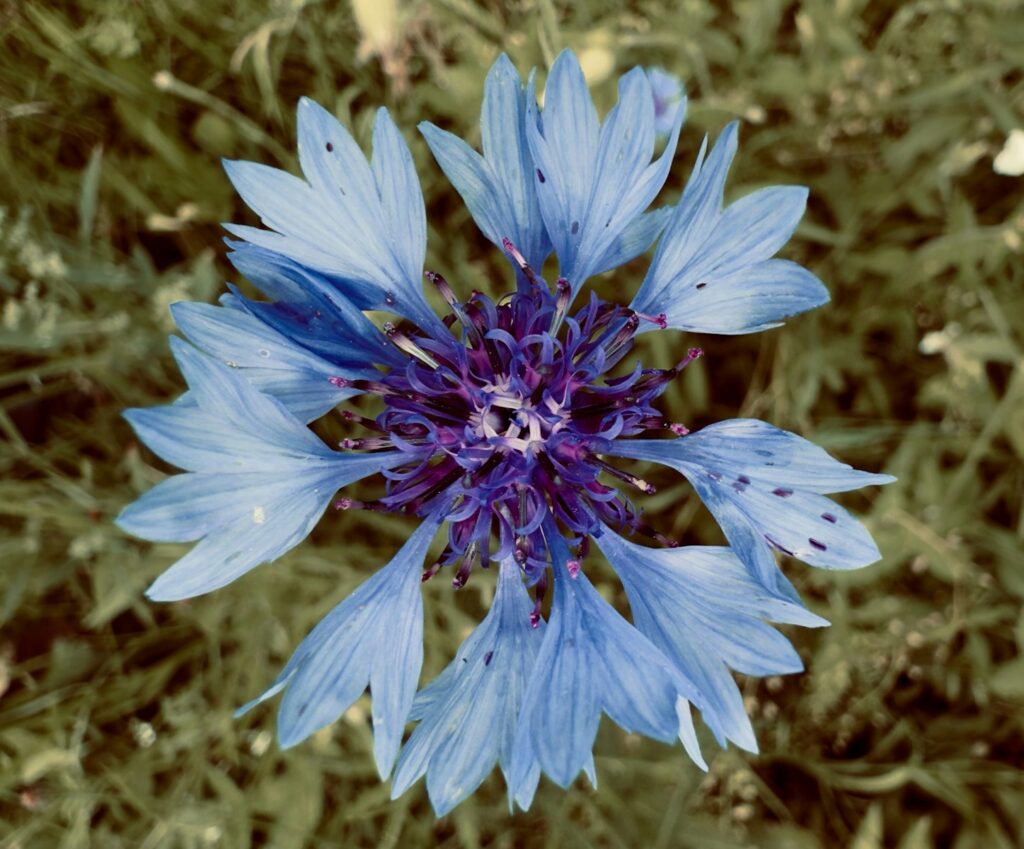
Blue Star Creeper only grows about three to four inches tall, making it a good choice for low-growing areas. Tiny blue flowers appear from spring to summer.
It does well in full sun or partial shade and likes moist, well-drained soil. Blue Star Creeper can handle some foot traffic, so it works for paths and yards.
It spreads quickly and forms a thick carpet that keeps weeds out. There’s no need to mow, and it uses less water than grass.
Japanese Spurge (Pachysandra)
Japanese Spurge, or Pachysandra, is an evergreen ground cover that stays green all year. It grows low and spreads by underground stems, forming a thick carpet.
This plant thrives in shade to partial shade, making it great under trees or along garden edges. You’ll see small white flowers in early spring.
Pachysandra is low maintenance and helps stop weeds from taking over.
Irish Moss (Sagina)

Irish moss grows close to the ground and feels soft underfoot. It’s a nice option for a green carpet without the hassle of mowing.
Use it between stepping stones, in rock gardens, or as a lawn alternative in shady areas. It prefers cool, moist spots and light foot traffic.
Irish moss grows up to two inches tall and produces tiny white flowers in late spring. It’s very low-maintenance and doesn’t attract many pests.
Dymondia Margaretae
Dymondia margaretae, also called silver carpet, has low, dense growth and silvery-green leaves. It gives your yard a tidy look and stays green all year.
This plant loves warm, sunny spots and needs little water once established. It can handle some foot traffic and grows best in sandy, well-drained soil.
You’ll see small yellow flowers in warmer months. Dymondia offers a tough, low-maintenance ground cover that looks good with less effort.
Benefits of Replacing Grass With Ground Covers
Switching from grass to ground covers can save you a lot of time and effort. These plants are often tougher and more colorful, giving your yard a fresh look without constant care.
Water Conservation Advantages

Ground covers usually need much less water than grass. Many are drought-tolerant and can survive dry spells with little help.
Unlike grass, which needs regular watering, some ground covers thrive with just occasional rain. This makes them a great choice for water conservation.
Lower Maintenance Requirements
Most ground covers grow low and spread naturally, so you don’t have to mow often. They also require less fertilizing and fewer pesticides.
Many ground covers handle pests and weeds better than grass lawns. You get a beautiful yard with less work and lower costs.
Year-Round Visual Appeal
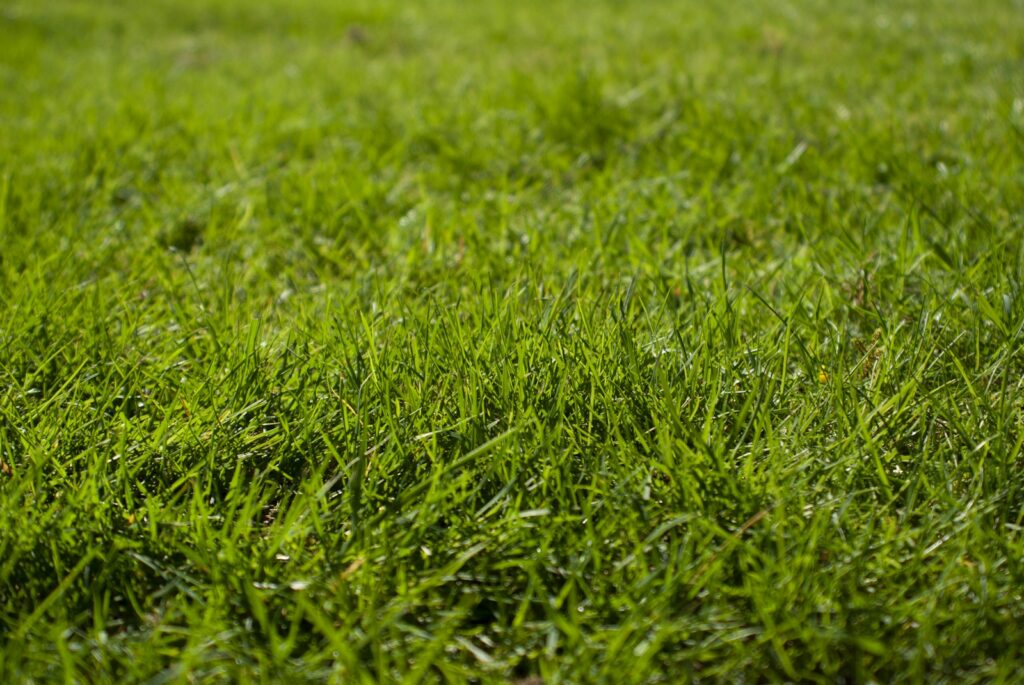
Ground covers can add bursts of color and unique textures to your yard in every season. Some varieties have flowers or leaves that shift with the weather, keeping things interesting.
If you’ve ever been frustrated by patchy grass or bare spots, ground covers might be the answer. Many types stay green longer and quickly fill in those problem areas.
You get to choose from a wide range of styles. Whether you want something soft and mossy or bold and blooming, there’s a ground cover for every taste.
Even in tricky spots where grass refuses to grow, ground covers can help your yard look tidy and cared for.
Tips for Successful Ground Cover Installation
Before planting, take some time to get the soil ready and select plants that will thrive in your climate. These steps can make a big difference in how well your ground cover grows.
Site Preparation Strategies
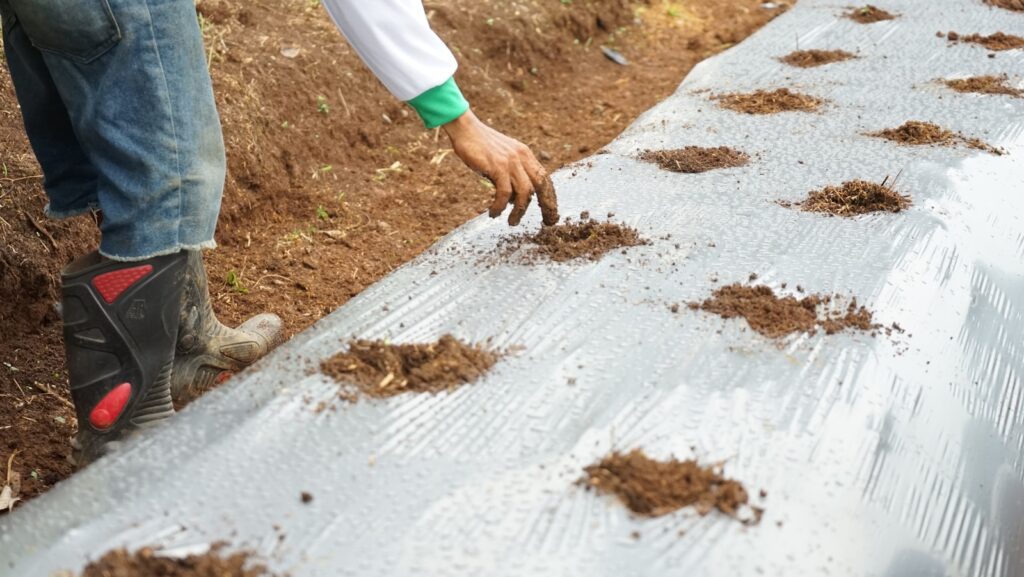
Begin by clearing away any grass, weeds, or debris from the area you want to plant. This gives your new ground cover plenty of room to spread out.
Loosen the soil to a depth of about four to six inches. This makes it easier for roots to grow deep and soak up water.
Mix in compost or other organic material to boost soil quality and help with drainage. Your plants will thank you for it.
Pay attention to how much sunlight the area gets. Some ground covers need full sun, while others do better in shade.
Water the soil before planting so it’s damp but not soaked.
When you start planting, space each ground cover about six to twelve inches apart. This lets them fill in the area without getting overcrowded.
A layer of mulch can help keep the soil moist and cut down on weeds.
Choosing the Right Ground Cover for Your Climate
Finding the right ground cover can feel overwhelming, especially when every yard has its own challenges. Your local weather plays a big role in what will thrive.
If you live somewhere dry, try drought-tolerant options like creeping thyme or sedum. Wet or shady areas often do better with moss or pachysandra.
Think about how much people will walk on the area. Hardy choices like beach strawberry or ajuga work well for paths and busy spots.
For places that see less foot traffic, you can choose more delicate plants. Always check the hardiness zones on plant labels so your ground cover can handle your region’s temperatures.
Cool-season plants do their best growing in spring and fall. Warm-season varieties shine in the summer months and can make a big difference in how your yard looks.