8 Ways to Add Color to a Winter Garden for a Cheerful Outdoor Space
When winter arrives, it can feel like your garden loses its spark. Bare branches and gray skies make it tough to enjoy your outdoor space.
You do not have to give up on having a lively yard just because it is cold outside. With a few clever choices, you can fill your winter garden with color and texture that lifts your mood all season.
Adding color to your winter garden is possible if you pick the right plants and use some easy design tricks. Here are some simple ways to help your garden look cheerful and inviting, even when most plants are resting.
Plant winter heath (Erica carnea) for pink, white, or purple blooms
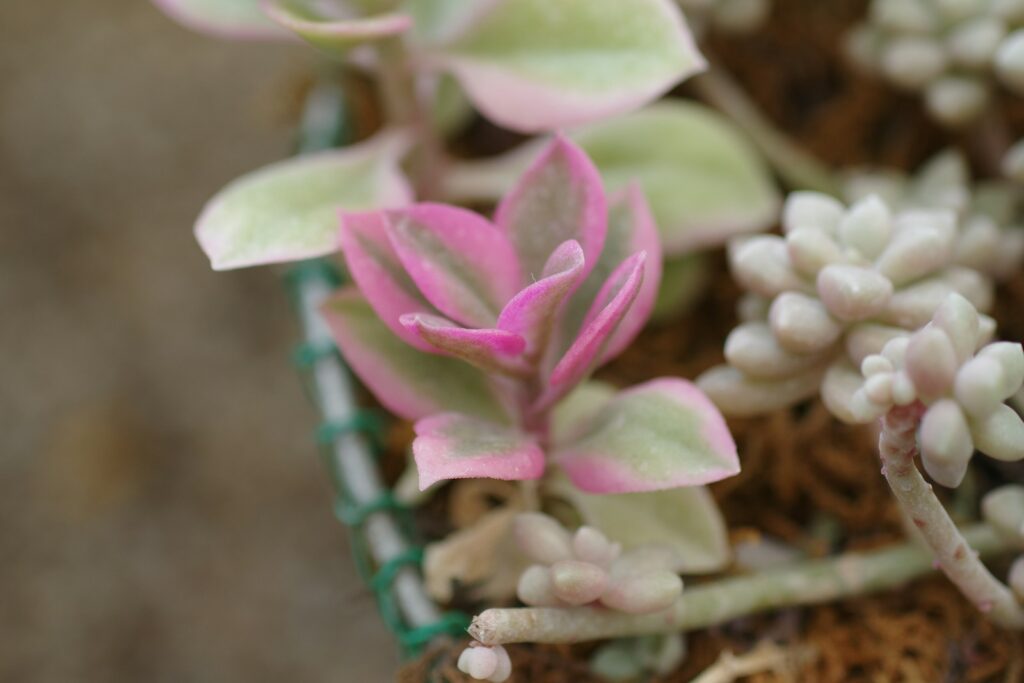
Winter heath is a great way to bring color to your garden during the colder months. This evergreen shrub blooms in late winter and early spring, showing off flowers in pink, white, or purple.
It is easy to care for and stays green all year. The plant grows low and spreads out, so it works well as a ground cover.
Plant winter heath in flower beds, borders, or rock gardens for best results. It needs good drainage and plenty of light to thrive.
You can pair winter heath with early spring bulbs like crocus or dwarf irises. Together, they create beautiful patches of color when most gardens are still quiet.
Add hellebores for early winter flowers
Hellebores are tough perennials that bloom in late winter and early spring, even when snow is still on the ground. Their flowers come in soft shades like white and green, as well as deep purples.
These plants grow in low clusters, making them perfect for shady areas. Their dark green leaves stay attractive all winter.
Hellebores do well in moist, well-drained soil. Adding mulch helps protect their roots in cold weather.
They resist deer and rodents, so you do not have to worry about wildlife eating them. Plant hellebores in fall or early spring to give their roots time to settle.
Use winter jasmine to brighten shady spots
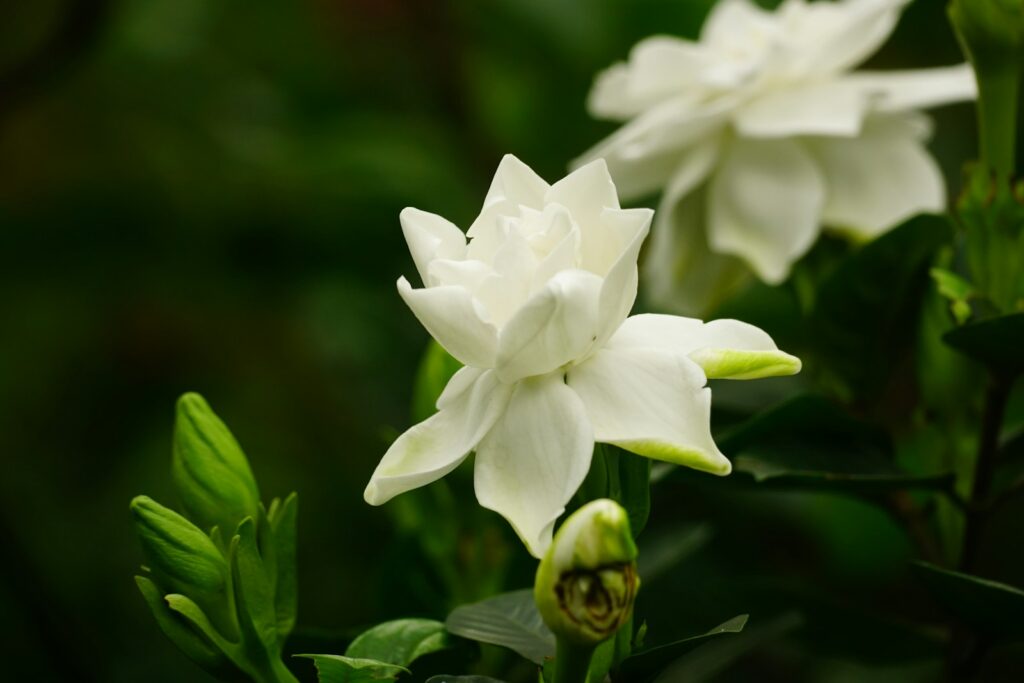
Winter jasmine brings bright yellow flowers to your garden during the coldest months. It can grow in shady areas where other plants might struggle.
Plant winter jasmine near walls, fences, or under trees to add life to dull spaces. You can also train it to climb trellises or spill over walls for extra interest.
The flowers appear before the leaves, giving you color early in the season. Winter jasmine is hardy and needs little maintenance, making it a simple way to keep your garden cheerful on gray days.
Incorporate snowdrops for delicate white blossoms
Snowdrops are one of the first flowers to bloom in late winter, often pushing through the snow. Their small, bell-shaped flowers add a peaceful touch to any garden.
Plant snowdrops in groups under trees or along paths for a lovely carpet of white. They like well-drained soil and partial shade.
These flowers are tough and can handle cold weather. Try mixing snowdrops with other early bulbs, like crocuses or daffodils, to create layers of color as the seasons change.
Plant evergreen shrubs like boxwood for year-round color
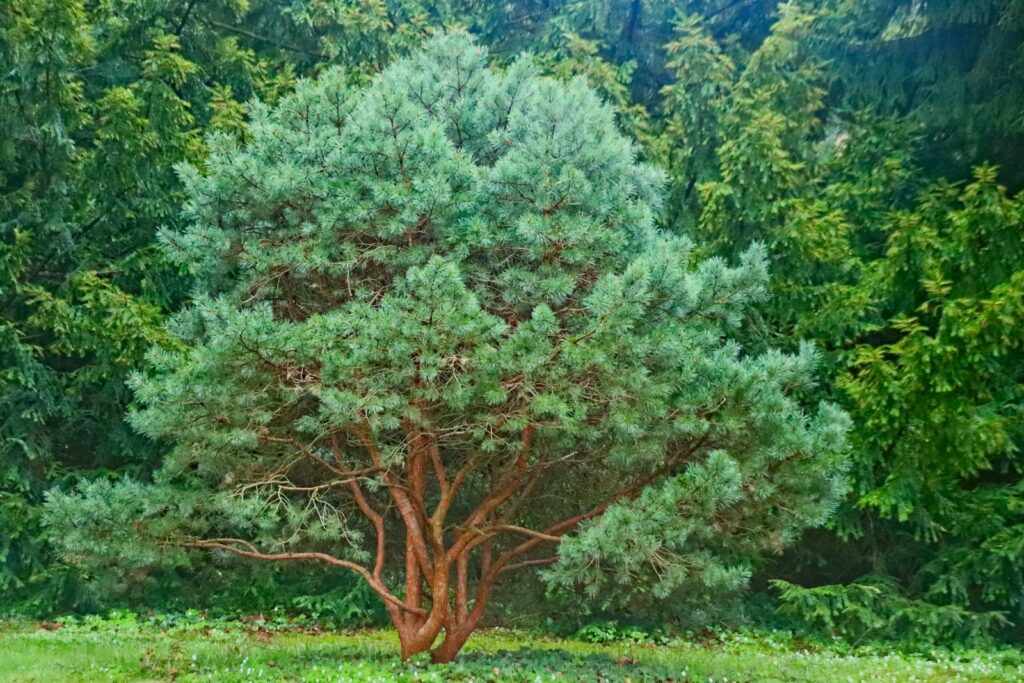
Evergreen shrubs keep your garden looking lively even when other plants are bare. Boxwood is a favorite because it stays green all year and has dense, tidy growth.
You can trim boxwoods into hedges or simple shapes for structure. They work well in both small and large gardens.
If you want alternatives, Japanese holly and wintercreeper are also reliable evergreens. These shrubs add texture and help your garden look full through winter.
Having evergreen shrubs gives your outdoor space a steady base of green. This balances out the bare spots and keeps your garden looking healthy.
Grow witch hazel for vibrant late-winter flowers
Witch hazel is a shrub that blooms in late winter, showing off yellow or pink flowers when most plants are still dormant. Its unique, ribbon-like petals add texture and charm to your garden.
The flowers have a subtle fragrance that is refreshing on cold days. Witch hazel is easy to care for and fits well in many garden styles.
Plant it in well-drained soil with some sunlight. It handles cold weather well and does not need much fuss.
If space is tight, try growing witch hazel in a pot. This lets you move it closer to your home and enjoy its blooms up close.
Include mahonia for yellow flowers and glossy foliage
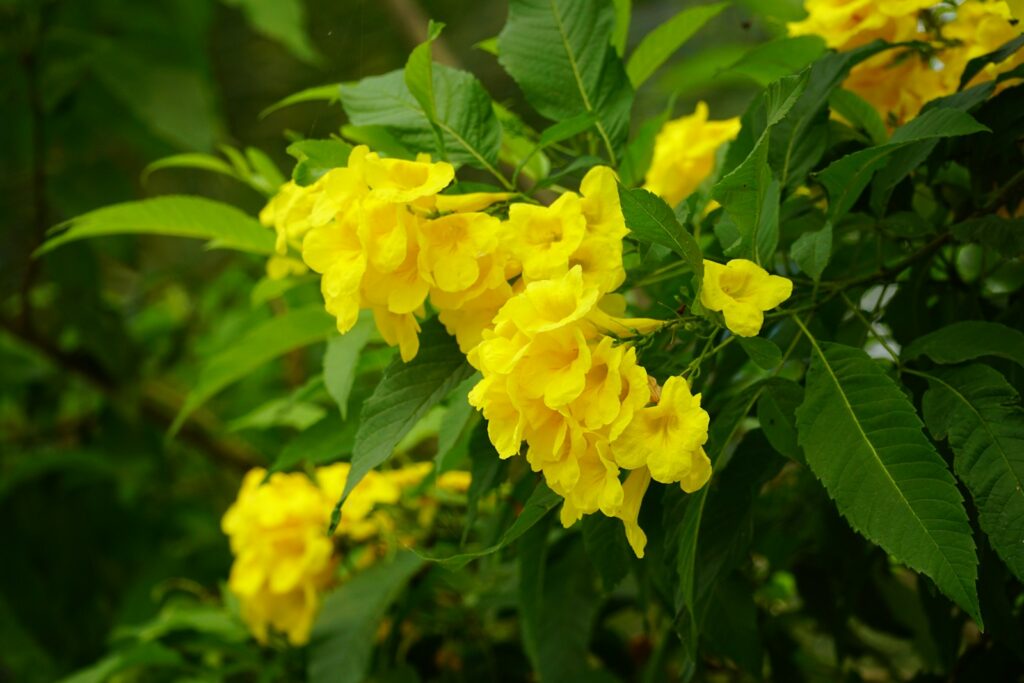
Mahonia is an evergreen shrub that produces clusters of bright yellow flowers in late winter. These blooms stand out when most other plants are quiet.
The shiny, holly-like leaves add a glossy texture to your garden. Mahonia stays vibrant all year and is easy to grow.
It can handle shade and cooler temperatures. The berries attract birds, bringing more life to your yard.
Use mahonia as a hedge or a single focal point. Dwarf varieties are great for small gardens or pots, while larger types can brighten shady corners.
Add winterberry holly for bright red berries
Winterberry holly is known for its bright red berries that pop against bare branches. The berries show up after the leaves fall in autumn and last through winter.
To get berries, you need both a male and female plant nearby. Winterberry holly grows best in moist, slightly acidic soil.
The berries attract birds, so you can enjoy watching wildlife in your garden. This shrub is easy to grow and adds color without a lot of extra work.
Benefits of a Colorful Winter Garden
A garden full of color in winter does more than just look nice. It can lift your mood and support local wildlife when resources are scarce.
Boosting Mood During the Colder Months
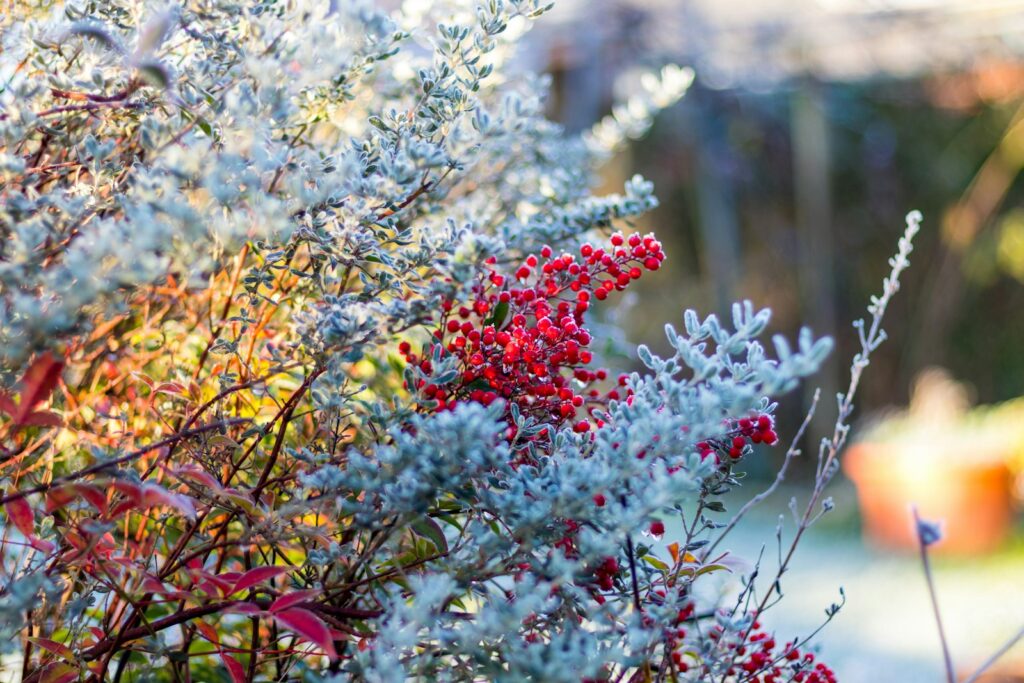
Vibrant colors in your garden can make gray winter days feel brighter. Flowers, berries, and evergreen leaves bring life to your outdoor space and help fight off winter blues.
Spending time outside, even just for a few minutes, can improve your mood and energy. Looking at cheerful plants from your window can also help lower stress.
Supporting Local Wildlife
A colorful winter garden gives birds and small animals food and shelter when it is hard to find. Plants with berries, seeds, or evergreen leaves offer nutrition and protection.
Shrubs like holly or viburnum provide berries for birds. Evergreens and ornamental grasses give animals places to hide from the cold and predators.
Your garden becomes a small but important habitat during winter. Supporting wildlife helps keep your outdoor space lively all year.
Design Tips for Enhancing Winter Color
To make your winter garden stand out, pay attention to where you place your plants and how you mix them with paths or hard surfaces. A thoughtful layout can turn a dull yard into a colorful retreat.
Maximizing Visual Impact With Placement

Put colorful plants where they will catch the most light. South-facing spots are usually brighter and help colors pop against snow or bare ground.
Group plants with different colors and heights to create layers that draw the eye. Use contrast to make colors stand out, like red berries against green leaves or yellow flowers next to dark branches.
Keep walkways clear so you can enjoy your garden from different angles. This way, your winter garden stays interesting, even when the weather is cloudy.
Balancing Hardscaping and Plant Choices
When the garden feels bare in winter, the right hardscape can make all the difference. Stone walls, fences, or even a favorite bench can help highlight your plants when blooms are scarce.
Try materials in warm or neutral shades that let your plants stand out. For instance, a dark gray stone wall makes red berries or evergreen leaves look even brighter.
It helps to avoid structures in flashy colors since they can clash with the natural look of your winter garden. Instead, look for plants that bring color and texture during the colder months.
Evergreens, red twig dogwood, or shrubs with interesting bark look great next to stone, wood, or metal. Mixing these elements keeps your outdoor space looking lively, even on chilly days.