10 Tall Plants That Add Instant Structure to Your Yard for a Lush, Inviting Garden
Ever feel like your yard is missing something, but you’re not sure what? Tall plants could be the secret ingredient that brings everything together.
They offer height and structure, making your garden look more organized and inviting. These plants also help with privacy and can attract pollinators like bees and butterflies.
If you want to skip the extra furniture or decor, adding tall plants is a simple way to give your outdoor space more personality. With the right choices, your yard will feel alive and full of charm.
Delphinium for vibrant blue spikes
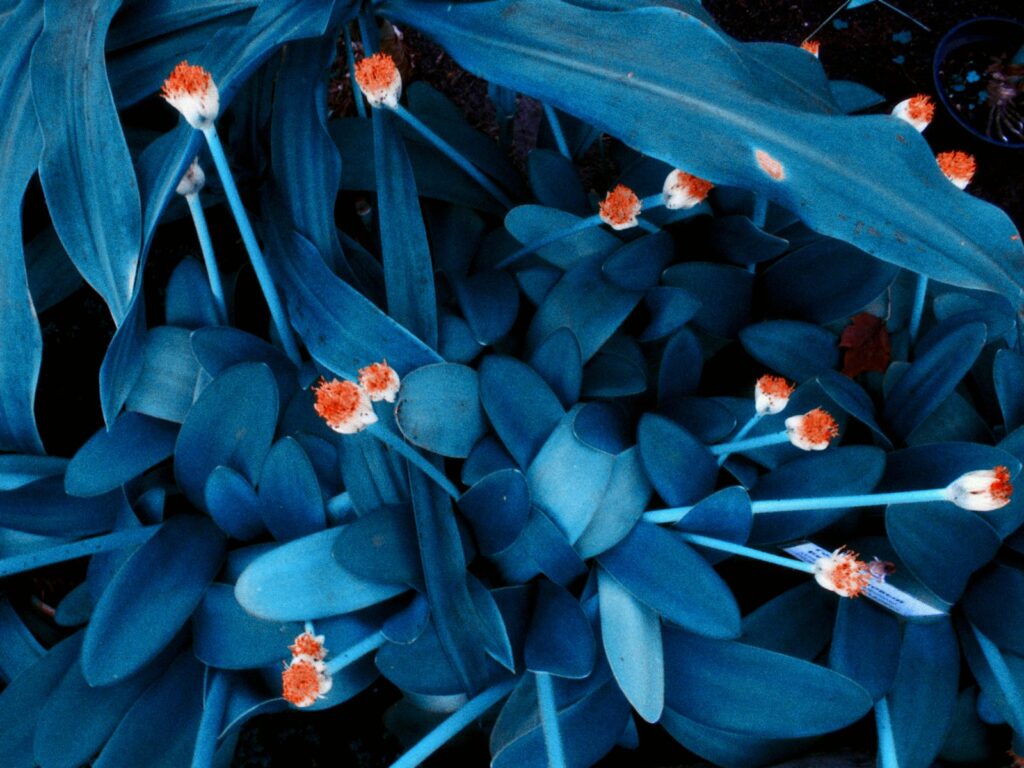
Delphiniums stand out with bold spikes of blue flowers that can reach up to 6 feet tall. Their vertical shape gives your garden instant structure and a pop of color.
You’ll find them in shades ranging from deep indigo to soft pastels. The tall flower spikes make a beautiful backdrop, especially in summer borders.
These flowers attract butterflies, bringing more life to your yard. Plant them in a sunny spot with well-drained soil and support their stems with stakes to prevent flopping.
Delphiniums also work well as cut flowers for indoor arrangements. Their reliable color and height make them a favorite for gardeners looking to add impact.
Hollyhock’s charming cottage garden blooms
Hollyhocks bring a touch of nostalgia with their tall, colorful spikes. They can reach up to 9 feet, instantly adding height and structure to your yard.
Their old-fashioned charm fits perfectly in cottage gardens, and the blooms come in a range of colors, from pastels to bright shades. Bees and butterflies love them, so your garden will buzz with activity.
Give hollyhocks plenty of sun and space to grow tall without crowding smaller plants. They bloom through summer and into early fall, framing windows or walls with vintage flair.
Foxglove’s tall, bell-shaped flowers
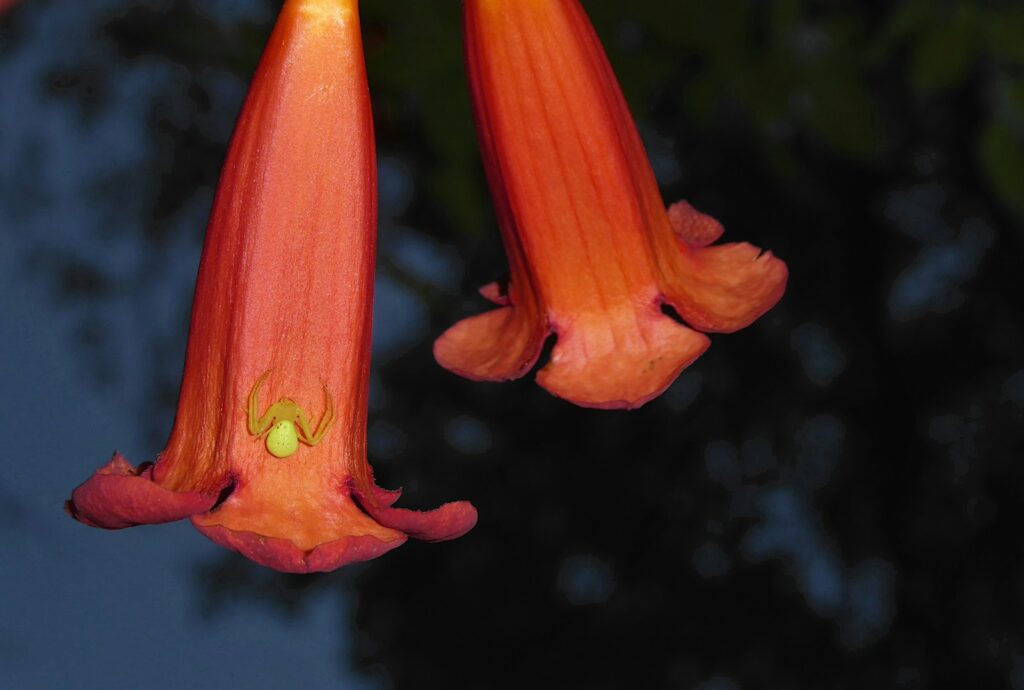
Foxgloves offer tall spikes covered in bell-shaped flowers, often growing up to 5 feet high. The blooms come in pink, purple, white, and yellow, hanging like little bells.
They do well in partial shade and like soil that drains well. Plant them along shaded paths or borders for a graceful look.
Bees and butterflies are drawn to foxgloves, adding movement to your yard. These plants are biennials or short-lived perennials, so you’ll enjoy their beauty for a season or two.
Foxgloves bring a soft yet striking vertical element that fills space without feeling heavy.
Russian sage with silvery foliage
Russian sage is perfect for adding height and texture with its tall stems and silvery leaves. The lavender-blue flowers bloom from summer to fall, giving your garden color for months.
This plant thrives in full sun and dry, well-drained soil. Once established, it needs little water and stands up well to wind and drought.
Try planting Russian sage behind shorter flowers for a layered look. Its wispy shape and silvery leaves brighten up any spot in your yard.
Miscanthus grass for graceful movement
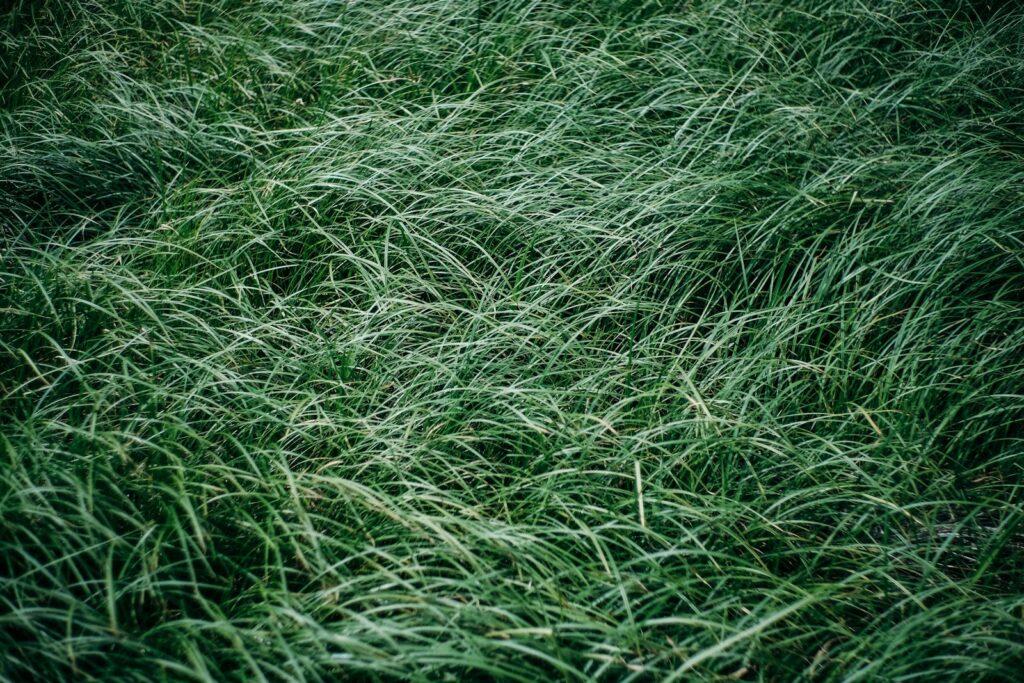
Miscanthus grass brings tall, swaying movement to your garden. It grows between 3 and 8 feet, adding elegance and height.
The long, narrow leaves move gently in the breeze, and feathery flower plumes appear in late summer. These plumes add a soft, airy feel to your space.
In fall, the green blades often turn bronze or gold, warming up your garden’s look. Miscanthus fits well as a single statement or in groups for a fuller effect.
It’s low-maintenance and useful for creating natural screens or adding vertical interest. You get both texture and movement with very little effort.
Sunflower’s bold, sunny presence
Sunflowers are the ultimate attention-grabbers with their tall stalks and large, golden heads. Some varieties can reach 12 feet or more, making them perfect for a natural screen or bold backdrop.
They come in more than just yellow—look for deep reds and creamy whites to mix things up. Sunflowers attract bees and butterflies, making your garden lively and helping other plants thrive.
They’re easy to grow, needing just full sun and regular water. In less than three months, you’ll have huge, sunny blooms that lift your garden’s mood.
Joe Pye weed attracting colorful pollinators
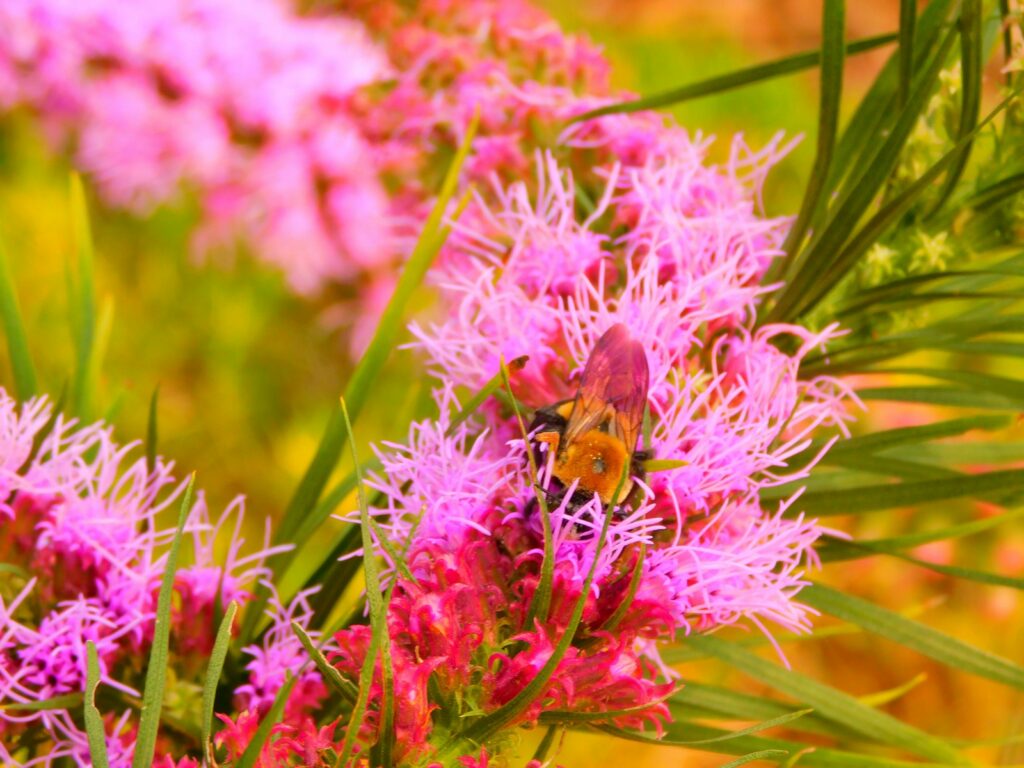
Joe Pye weed is a magnet for butterflies, bees, and hummingbirds. Its tall stems hold big clusters of pink or lavender flowers that stand out in any yard.
The flowers are rich in nectar, so pollinators visit often. Deer and rabbits usually leave this plant alone, so your blooms stay safe.
Joe Pye weed likes moist soil and fits well at the back of flower beds. Its fluffy flower clusters add texture and color, making your garden feel lively and welcoming.
Canna lilies with tropical leaves
Canna lilies bring a tropical vibe with their large, paddle-shaped leaves and bold colors. They often grow between 3 and 8 feet tall, filling empty spaces with lush greenery.
The flowers come in bright reds, oranges, pinks, and yellows, standing above the foliage for a dramatic look. Cannas bloom from summer through fall, keeping your garden colorful for months.
They thrive in full sun and moist soil. Once established, they’re easy to care for and can handle different climates.
Cannas are a simple way to add drama and warmth to your yard without much work.
Bluebeard (Caryopteris) for late-season color
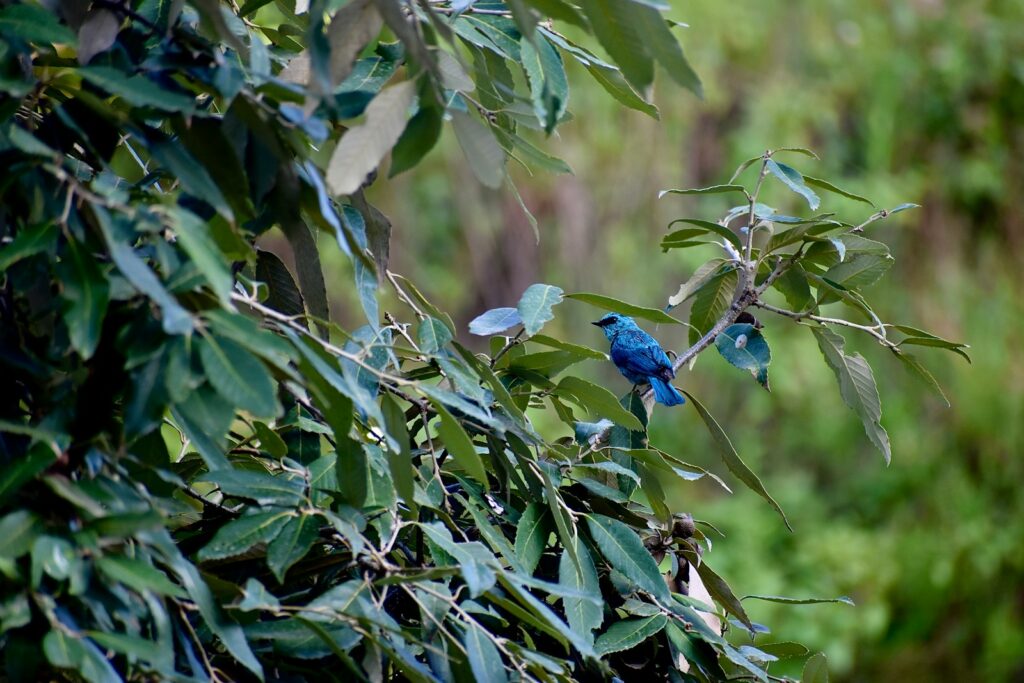
Bluebeard brings bright blue or purple flowers late in the season, from late summer through early fall. Its blooms stand out when other plants start to fade.
This tidy shrub grows between 2 and 4 feet tall. The glossy green leaves look fresh all season, and the flowers attract bees, butterflies, and hummingbirds.
Bluebeard is easy to care for and prefers full sun. It works well in beds, borders, or pots, and is often deer-resistant.
Adding Bluebeard gives your garden lasting color and structure as summer winds down.
Cardoon for dramatic architectural leaves
Cardoon stands out with tall, bold, silvery leaves that can reach up to 8 feet. Its unique look adds instant drama and structure to your yard.
This Mediterranean native thrives in dry gardens and needs little water once established. The spiky, artful leaves add texture that feels both natural and striking.
Cardoon also produces tall, thistle-like flowers during its blooming season. It works well as a focal point or grouped with other tall plants.
If you want a plant with presence and toughness, cardoon is a stylish choice.
Design Tips for Using Tall Plants
Tall plants can completely change the feel of your yard by adding height and shape. Where you place them and how you combine them with other plants makes a big difference.
You can use tall plants to create private spots or block views you’d rather not see.
Choosing the Right Locations
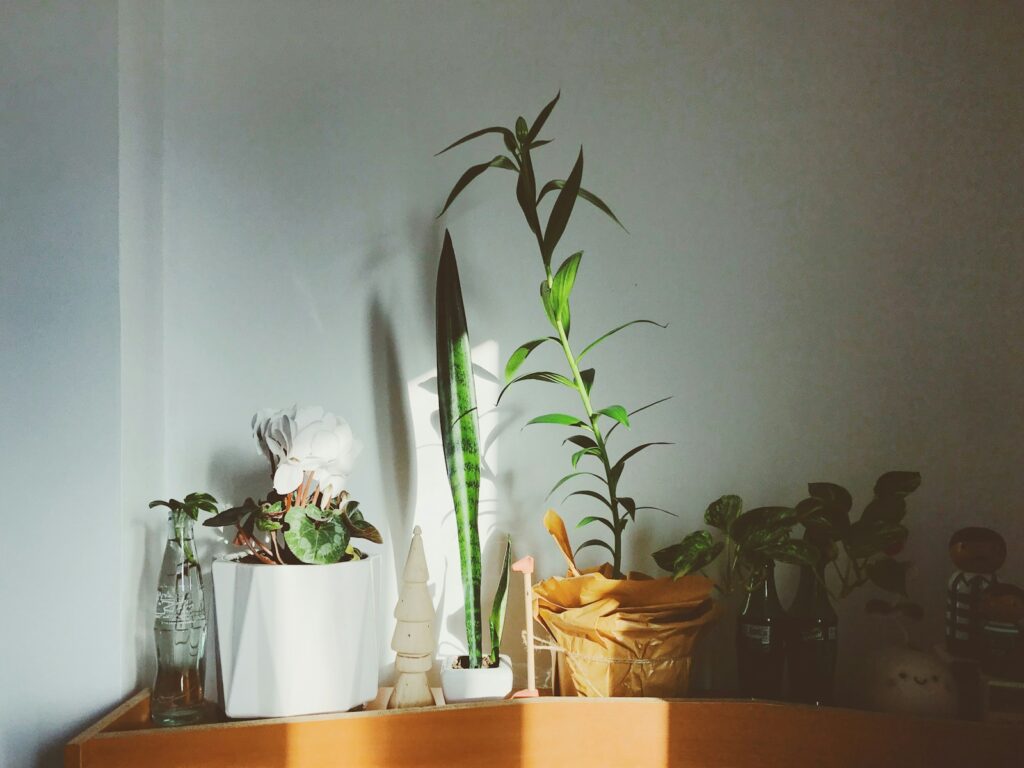
plants won’t block important views or shade out other plants. Along fences or walls, they add height without making open spaces feel crowded.
They also work well at the back of flower beds as a natural backdrop. Be sure to match the plant’s light and water needs to the location.
Make sure there’s enough space for roots and for the plant to reach full height without crowding others.
Combining Heights for Visual Interest
Mix tall plants with shorter ones for layers and depth. This contrast helps your garden look lively and balanced.
Pair tall grasses or flowering perennials behind low shrubs or ground covers. Use different textures and colors to highlight the changes in height.
Tall, narrow-leafed plants look great with bushier or wide-leafed plants below. Layering adds movement and keeps your garden from looking flat.
Creating Privacy and Screening

Tall plants are perfect for blocking unwanted views or making quiet, private spots. Dense, upright plants like bamboo or evergreens form natural screens.
Place them where you want to reduce noise or wind. Give each plant enough space to grow fully and stay healthy.
Proper spacing helps your screen look natural and strong.
Caring for Tall Garden Plants
To keep tall plants healthy and looking their best, make sure they get the right amount of water and nutrients. Prune as needed to encourage strong growth and prevent weak stems.
Watering and Feeding Essentials
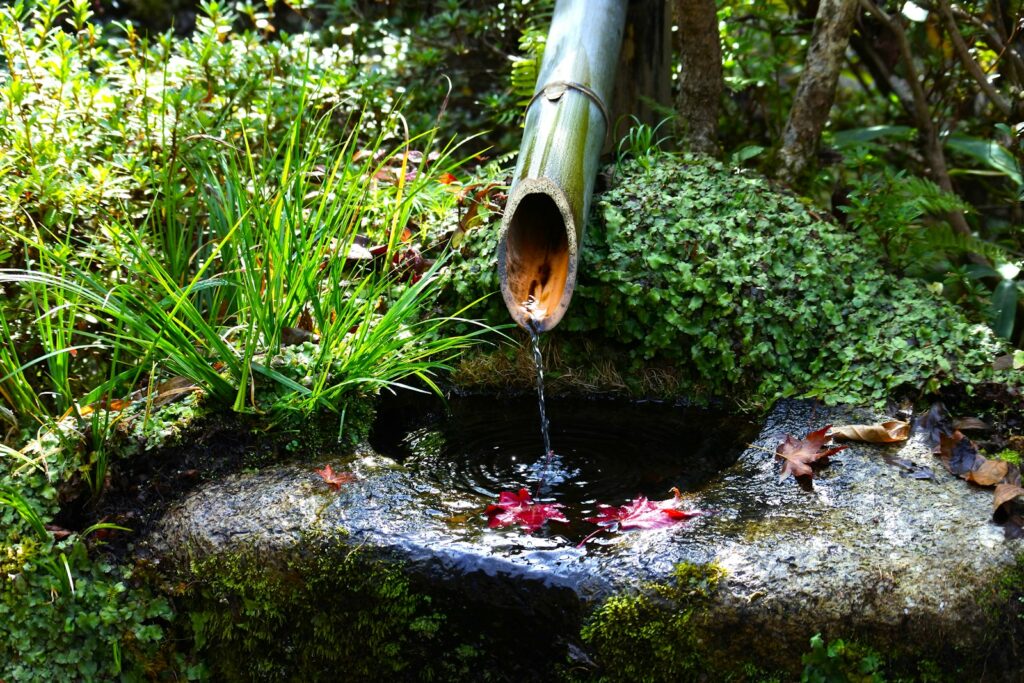
Tall plants often have deep roots, so water them deeply but less often. This encourages strong, stable growth.
Water in the early morning to reduce evaporation. Use a balanced fertilizer during the growing season, applying every four to six weeks.
Organic options like compost or fish emulsion improve soil health over time. Mulch around the base to keep moisture in and weeds out.
Avoid watering the leaves to help prevent disease.
Pruning for Healthy Growth
Tall plants can get floppy or crowded, especially as they grow quickly in the spring and summer. Pruning is a simple way to keep them looking their best and to help them thrive.
Start by removing any dead or damaged stems. This helps prevent diseases from spreading.
Cutting back spent flowers can encourage more blooms. For plants like delphiniums, pinching the tops early in the season can make them grow bushier.
Always use clean, sharp tools to avoid injuring the plant. Try not to take off too much at once, since over-pruning can make plants weak or reduce their flowers.
If your plants are getting too tall or leaning, tie them to stakes. This extra support keeps them upright and protects them from bending or breaking when the wind picks up.