7 Garden Mistakes Everyone Makes in Their First Year
Jumping into gardening can feel both thrilling and a little overwhelming. There’s something satisfying about planting that first seed, but it’s easy to run into problems that slow down your progress.
Many first-year gardeners run into similar pitfalls. Spotting these early can make your gardening journey much smoother.
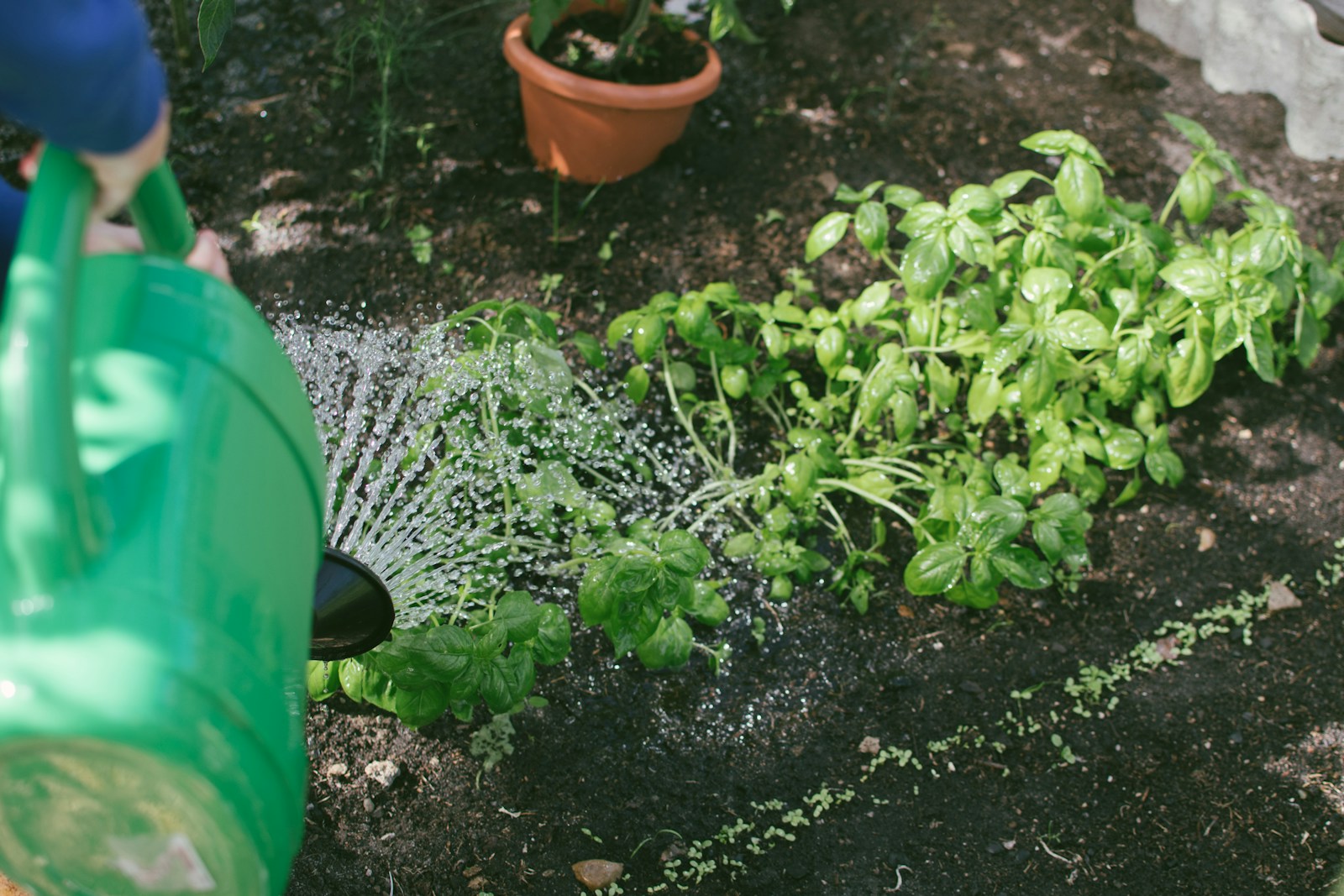
Overwatering your plants and causing root rot

It’s tempting to water your plants often, thinking they’ll grow faster. But too much water keeps oxygen from reaching the roots.
Roots need air as much as they need moisture. When they’re constantly wet, they can start to rot, and you might not notice until your plant’s leaves turn yellow or the soil feels heavy.
To prevent this, check the soil before you water. Stick your finger into the dirt about an inch or two down.
If it’s still damp, wait before watering again. Giving your plants time to dry out helps keep their roots healthy.
Ignoring the importance of sunlight exposure
Sunlight can make or break your garden’s success. Some plants, like tomatoes and peppers, need plenty of light, about six to eight hours a day.
Others, such as lettuce and spinach, prefer a bit of shade. If they get too much sun, they might wilt or bolt earlier than expected.
Pay attention to how sunlight moves across your yard. Fences, trees, or even your house can create shady spots you might not notice at first.
Choosing the right spot for each plant makes a big difference. Your garden will look better, and you’ll get more out of your hard work.
Planting too densely and overcrowding beds
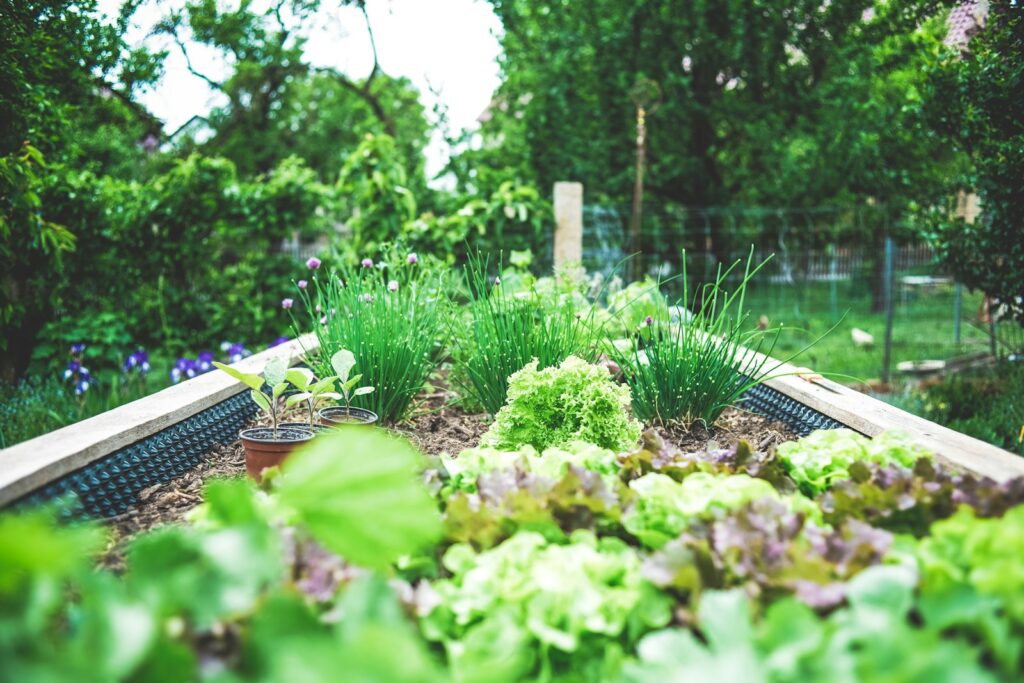
It’s easy to get carried away and fill every inch of your garden with plants. But crowding them together means they compete for sunlight and air.
When plants are too close, diseases like powdery mildew spread more easily. They also have to fight for nutrients and water.
Give each plant enough room to grow. You’ll be rewarded with healthier plants and a better harvest.
A little space between plants goes a long way. Your garden will look fuller and more vibrant in the long run.
Skipping soil preparation and testing
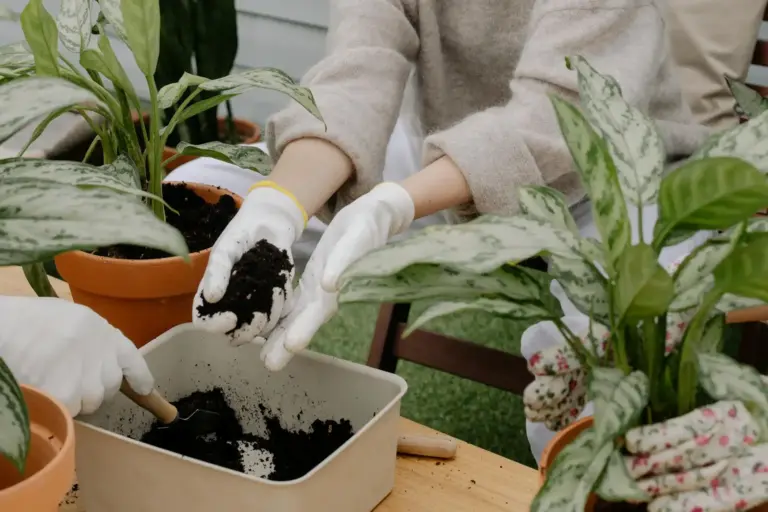
Jumping straight into planting without checking your soil can lead to trouble. The soil is your garden’s foundation, and knowing what’s in it matters.
A quick soil test can tell you if it’s too acidic or missing nutrients. This helps you know what to add, like compost or lime.
Poor soil drains badly or might not support strong roots. Taking a little time to prepare and test your soil sets your garden up for success.
Healthy soil means healthier plants and less frustration down the road.
Using the wrong plants for your climate
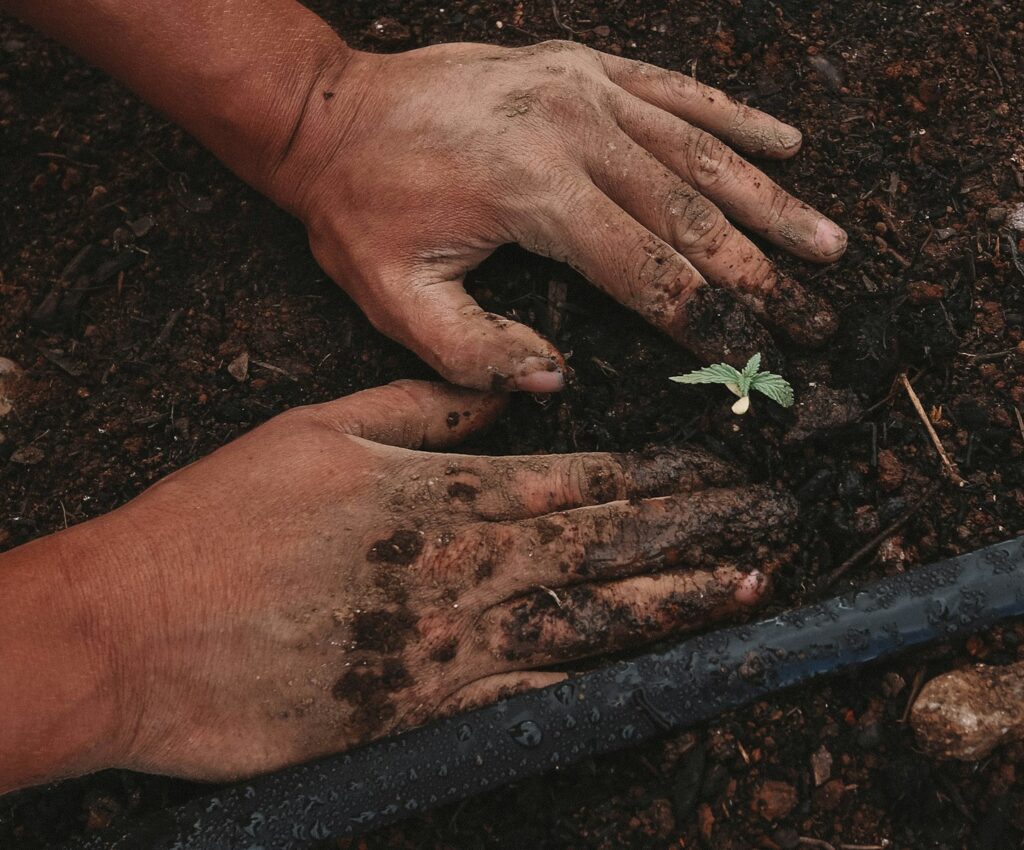
Not every plant will thrive in your area, no matter how much care you give it. Each one has its own needs for temperature and moisture.
Before buying seeds or plants, check what grows well in your region. Knowing your hardiness zone saves you time and disappointment.
Some plants love dry conditions, while others need more water. Matching your plant choices to your local climate and soil makes gardening easier.
Your garden will be more colorful and lively when you pick plants built for your area.
Neglecting to mulch to retain moisture
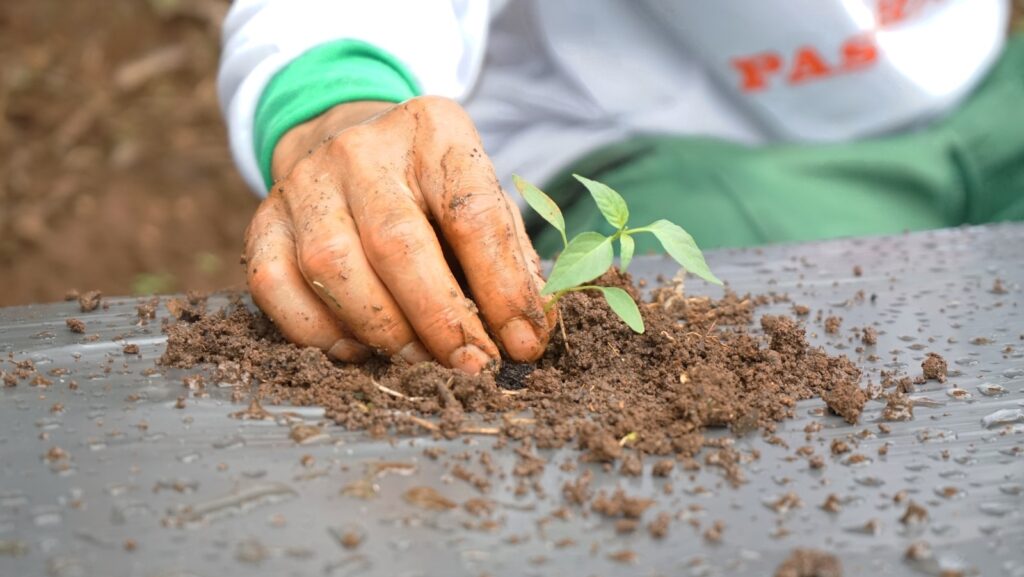
Mulch is a simple way to keep your garden healthy. Without it, soil dries out quickly, especially during hot spells.
Adding a layer of mulch helps the soil hold onto water and keeps roots cool. It also blocks weeds from taking over.
You don’t need anything fancy, wood chips, leaves, or straw work well. Just spread it a couple of inches thick, but don’t pile it against stems.
Mulching makes your garden easier to care for, and your plants will show their appreciation with better growth.
Watering inconsistently instead of on a schedule
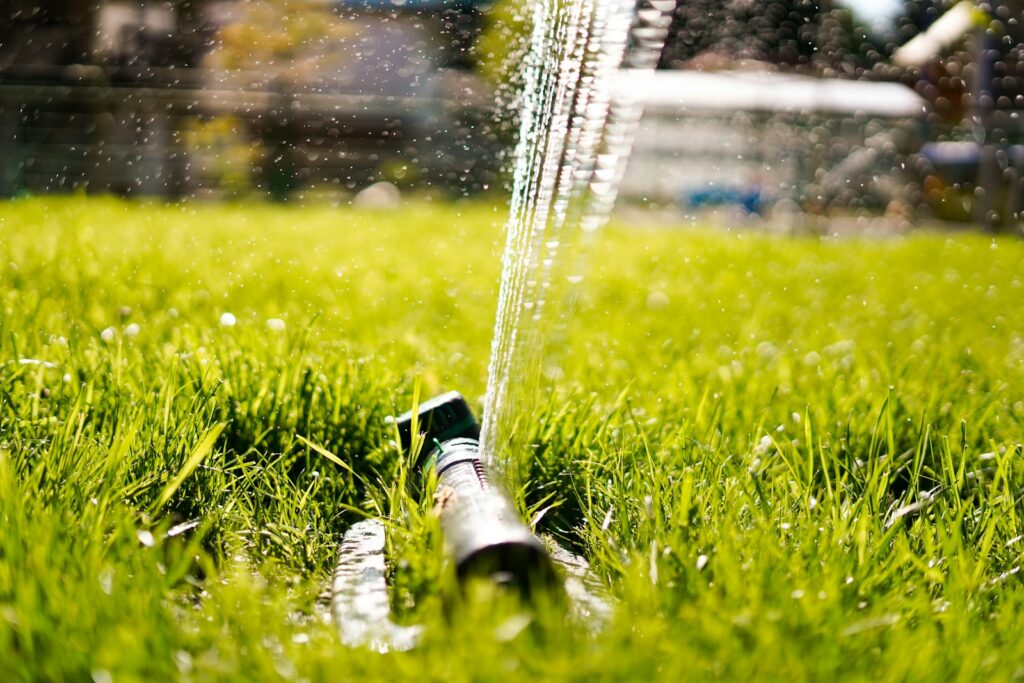
Watering whenever you remember can confuse your plants. They need a steady routine to grow their best.
Try to water at the same times, but stay flexible. Weather and soil conditions change, so always check the soil before you water.
If the top two inches feel dry, it’s time to water. If it’s still damp, wait another day.
Consistent watering helps roots grow deeply and keeps plants from getting stressed. You’ll see stronger, healthier growth when you find a rhythm that works.
Understanding Common First-Year Gardening Challenges
First-year gardening comes with its own set of hurdles. Preparing soil, figuring out watering, and picking the right plants are all part of the learning curve.
Soil Preparation Myths
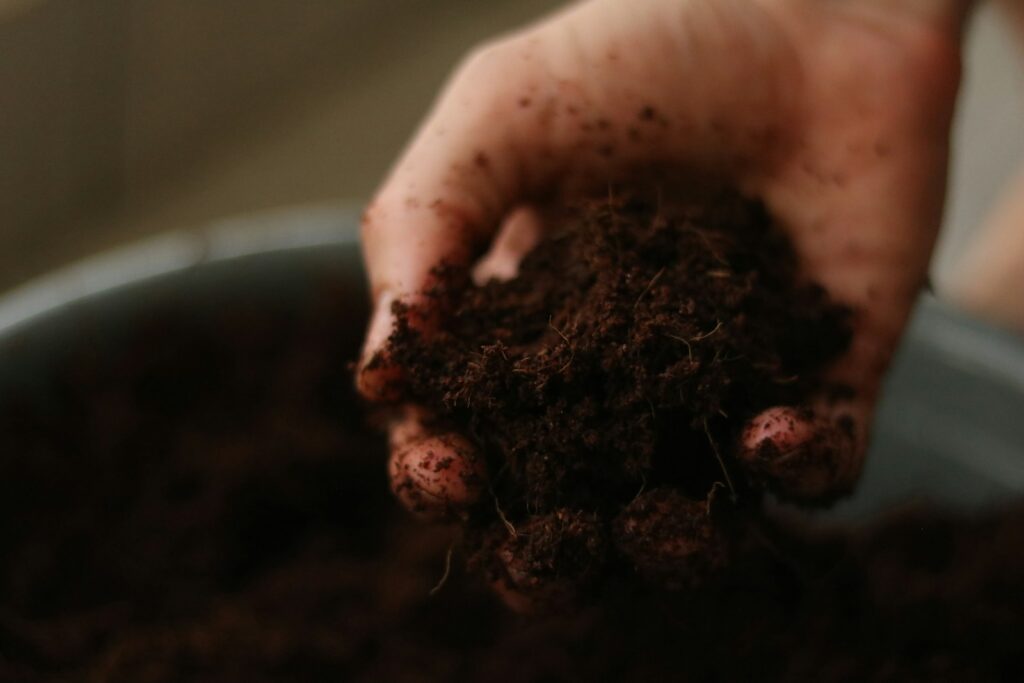
It’s a common belief that more fertilizer or deeper digging is always better. In reality, overworking your soil can break down its structure and harm helpful bugs.
Focus on gently loosening the soil and adding compost. This improves texture and gives plants the nutrients they need.
Not all soils are the same, so test yours to know what it really needs. This way, you won’t waste time or money on the wrong fixes.
Watering Techniques
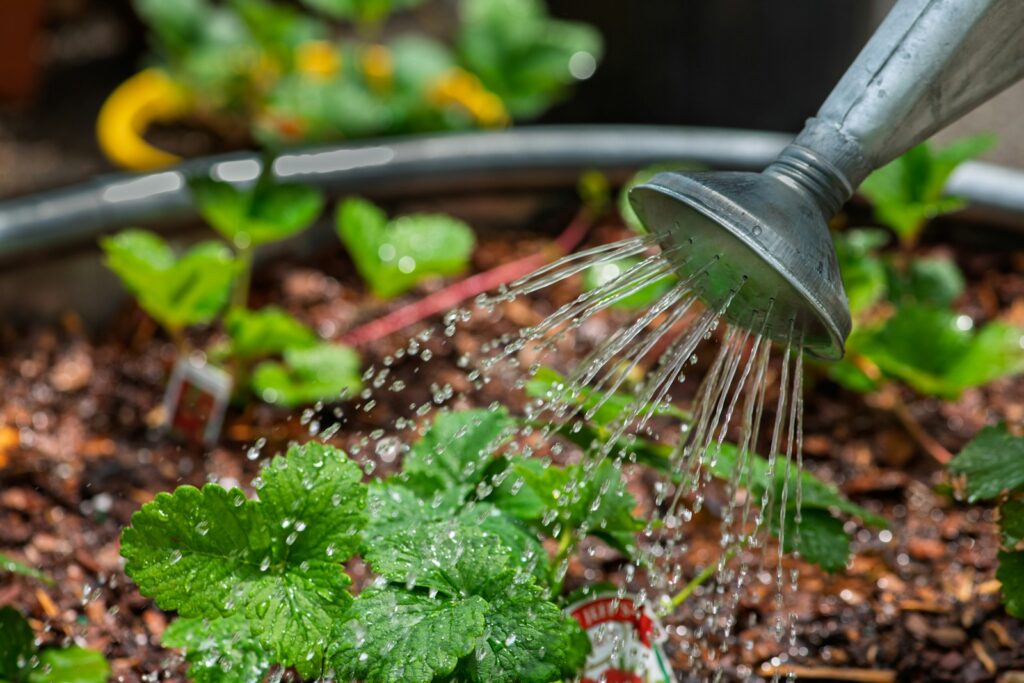
Many beginners water too often or not enough. Deep, less frequent watering encourages roots to grow strong.
Water early in the morning to reduce evaporation. Aim for the base of the plant, not the leaves, to keep diseases away.
Plant Selection Considerations
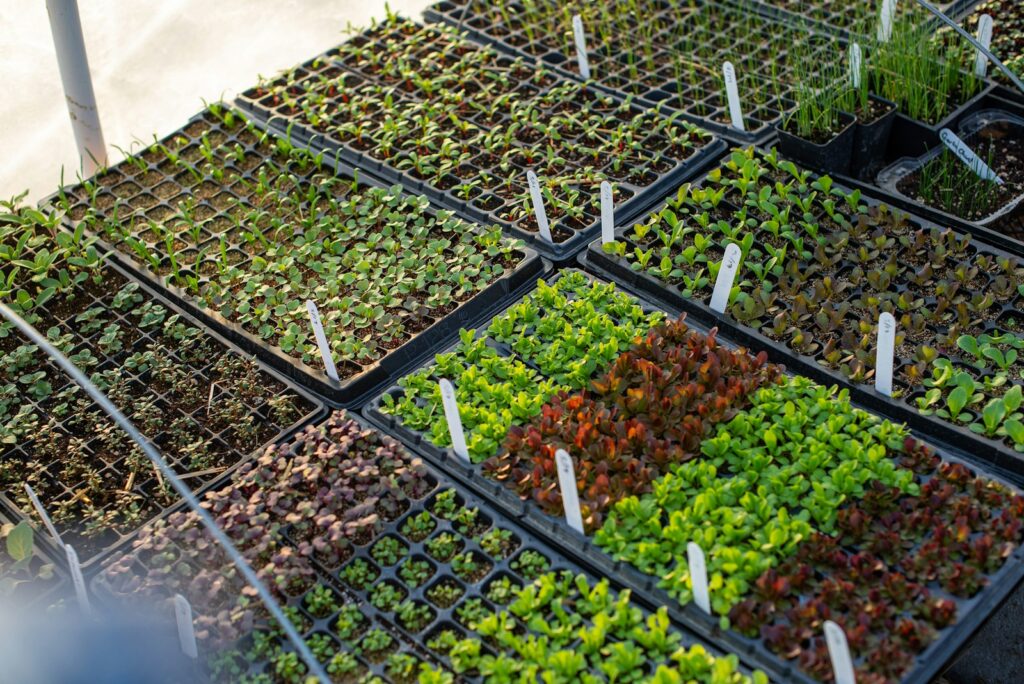
Choosing plants that suit your climate makes gardening less stressful. Look up your USDA hardiness zone and stick with varieties that are known to do well there.
Start with easy-to-grow options like herbs or lettuce. Pay attention to how much sunlight your garden gets and match your plants to those conditions.
Building Confidence for Long-Term Gardening Success
Every gardener makes mistakes, especially in the beginning. These slip-ups are part of the process and help you learn what works.
If you notice plants aren’t thriving, take a closer look at your watering or sunlight. Keeping notes about what you plant and how you care for it can show you patterns over time.
Don’t get discouraged if things don’t go perfectly right away. Each season brings new lessons and more confidence in your gardening skills.
Resources and Communities for New Gardeners
Starting out with gardening can feel overwhelming, but you don’t have to do it alone. There are plenty of tools and communities ready to help.
Books and websites offer tons of information, and gardening apps can keep you on track with plant care. Local garden centers are also a great place to get advice that fits your specific climate and soil.
If you join gardening groups online or in your neighborhood, you’ll find people who love to share tips and stories. Social media, forums, and clubs make it easy to ask questions or show off your progress.
Connecting with experienced gardeners is a great way to learn. Everyone started somewhere, and most are happy to help someone new.