10 Perennials Gardeners Regret Not Planting Sooner
Ever look around your yard and feel like something is missing? Sometimes, it’s just the right perennial that can make all the difference.
Some plants are easy to grow and bring color, texture, and life to your garden for years. Choosing the right perennials can turn a dull space into a vibrant retreat.
Brunnera macrophylla (Siberian Bugloss)

Brunnera macrophylla stands out for its bright blue flowers, especially in shady spots. Its heart-shaped, dark green leaves add texture and color where other plants struggle.
This perennial thrives in cool, shady places and is easy to care for. It attracts bees and butterflies in early spring, filling gaps under trees or along shaded borders.
Brunnera spreads in clumps, creating a lush groundcover that stays beautiful from spring through fall. Place it near water or in woodland gardens for a fresh, lively look.
This perennial brings charm and year-round interest, brightening up dark spaces in your garden. It’s one of those plants you’ll wish you had discovered sooner.
Epimedium (Barrenwort)
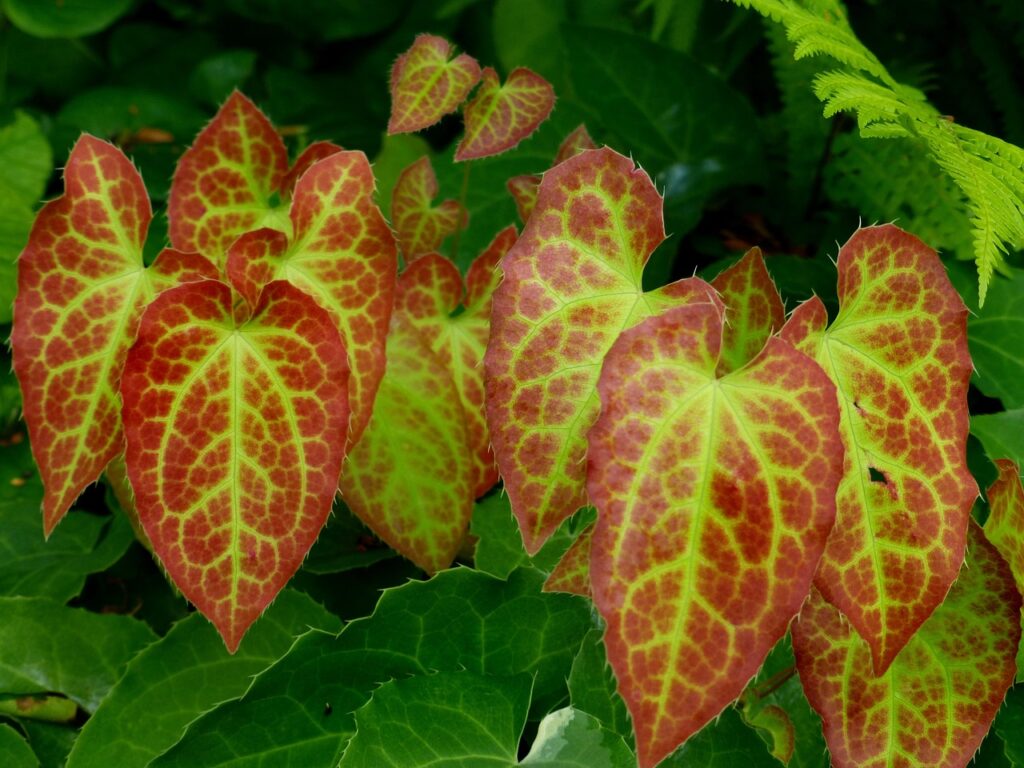
Epimedium, also called Barrenwort, is a tough, low-maintenance plant for dry, shady spots. Its heart-shaped leaves add texture all season.
In spring, delicate flowers bloom on wiry stems, coming in a variety of colors. They look like tiny fairy hats and bring a whimsical touch to your garden beds.
Epimedium spreads well, forming a soft, colorful ground cover that fills empty spaces. It handles drought and deer, so you don’t have to worry much about upkeep.
This is a great pick for anyone who wants a stunning, easy-care plant for shady gardens. Once you try it, you’ll wonder why you waited.
Heuchera (Coral Bells)
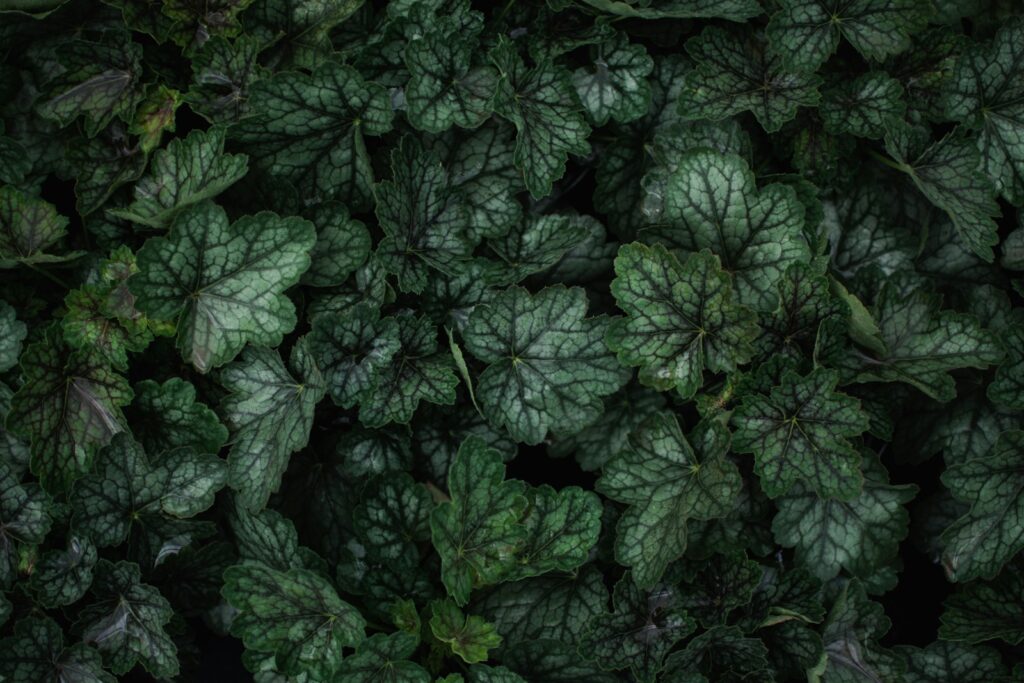
Heuchera, or coral bells, brings bright, colorful leaves that last all season. The foliage ranges from deep purple to lime green, instantly lifting your garden’s look.
These plants thrive in shady spots and form neat mounds with delicate, bell-shaped flowers that attract hummingbirds. They bloom for a long time and add beauty over many months.
Heuchera is easy to care for, works well in the ground or in pots, and stands up to pests and deer. If you want color and texture with little effort, coral bells are a smart addition.
Pulmonaria (Lungwort)
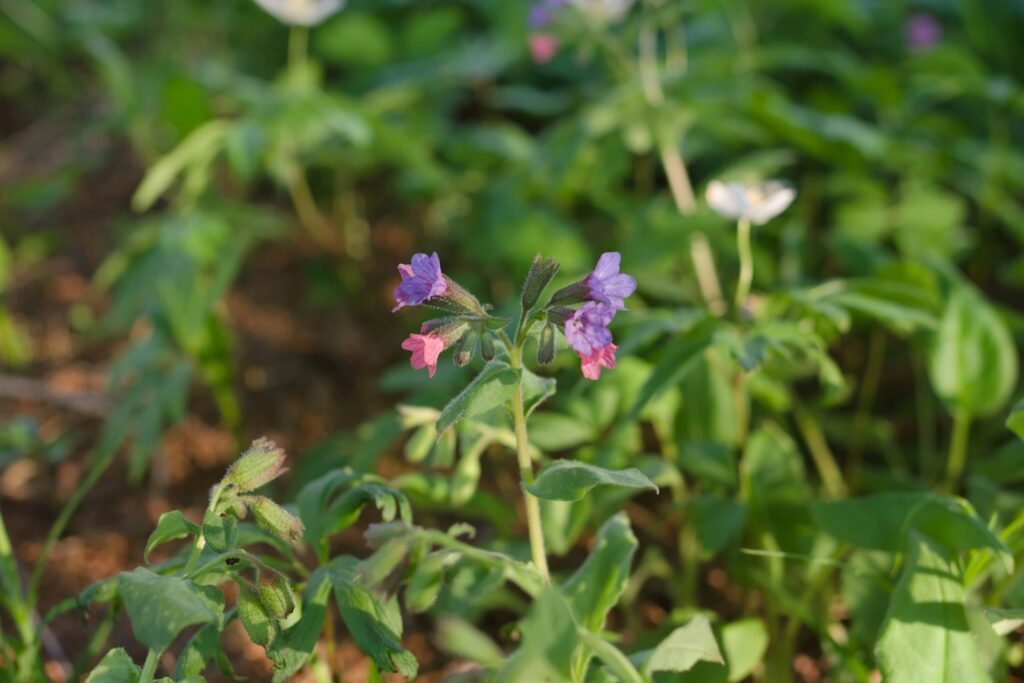
Pulmonaria, or lungwort, is one of the first perennials to bloom in spring. Its colorful flowers shift from blue to pink or white as they age, bringing much-needed color when little else is blooming.
Lungwort thrives in shady spots and features leaves often speckled with silver and green. The unique foliage adds interest all season long.
This plant prefers moist, well-drained soil and doesn’t mind cooler temperatures. It’s low-maintenance and deer-resistant, so you can enjoy your garden with less worry.
Astilbe
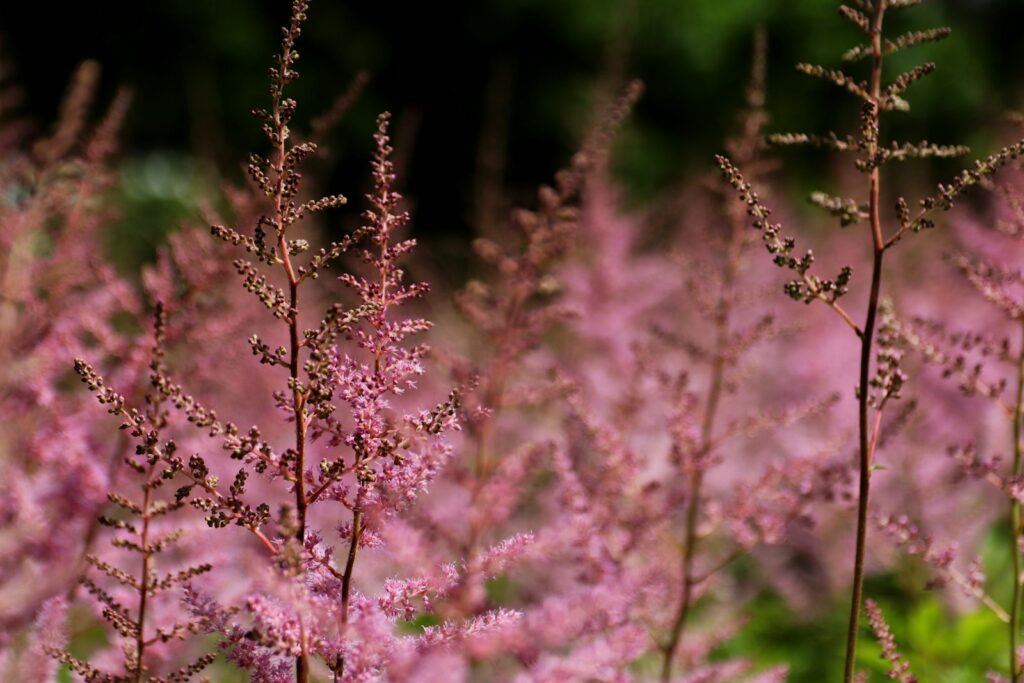
Astilbe is perfect for shady areas that need a pop of color. Its feathery, colorful flowers stand out, even in low light.
These plants like partial shade and moist soil, so make sure they don’t dry out. With regular care, astilbes can last for years and bloom beautifully each season.
You can divide astilbes to create new plants and fill more areas of your garden. They do best when planted in spring or late summer.
If you want a shade-loving plant that adds charm and color, astilbe is a fantastic choice.
Dicentra spectabilis (Bleeding Heart)
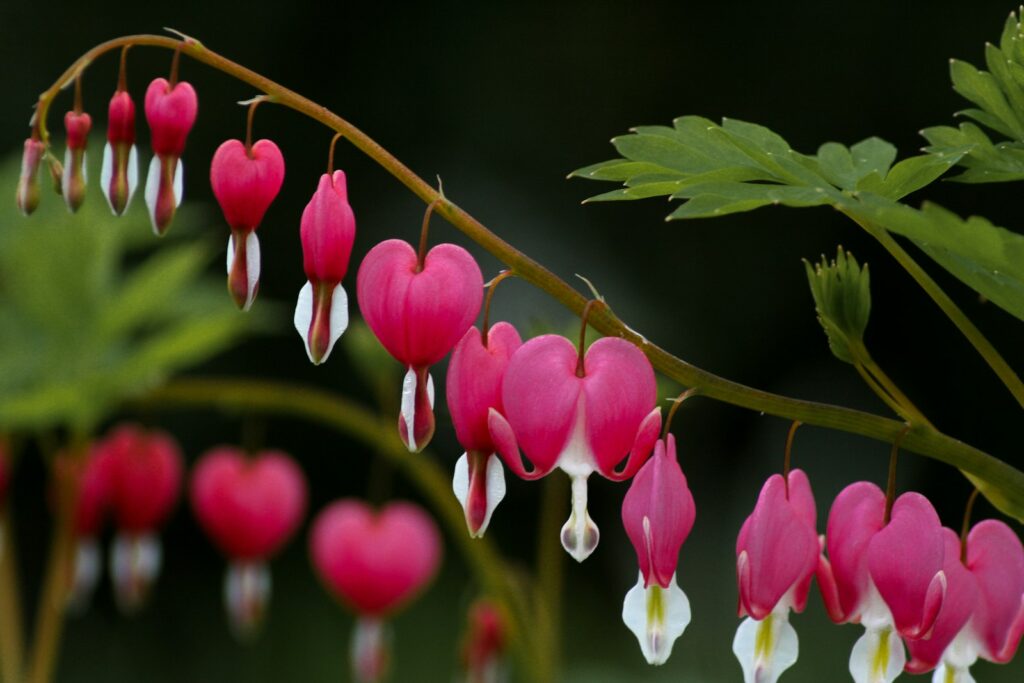
Dicentra spectabilis, or Bleeding Heart, brings a touch of romance to your garden. Its heart-shaped flowers dangle like pink lanterns on arching stems, adding softness to shady spots.
It grows well in cool, moist soil and light shade, naturally forming graceful clumps. Bleeding Hearts bloom in late spring or early summer, just as many plants are waking up.
These perennials are hardy and easy to care for. After blooming, the foliage may die back, but it returns each spring.
Bleeding Heart pairs well with spring bulbs and other shade-loving plants, making your garden feel full and inviting.
Tiarella (Foamflower)
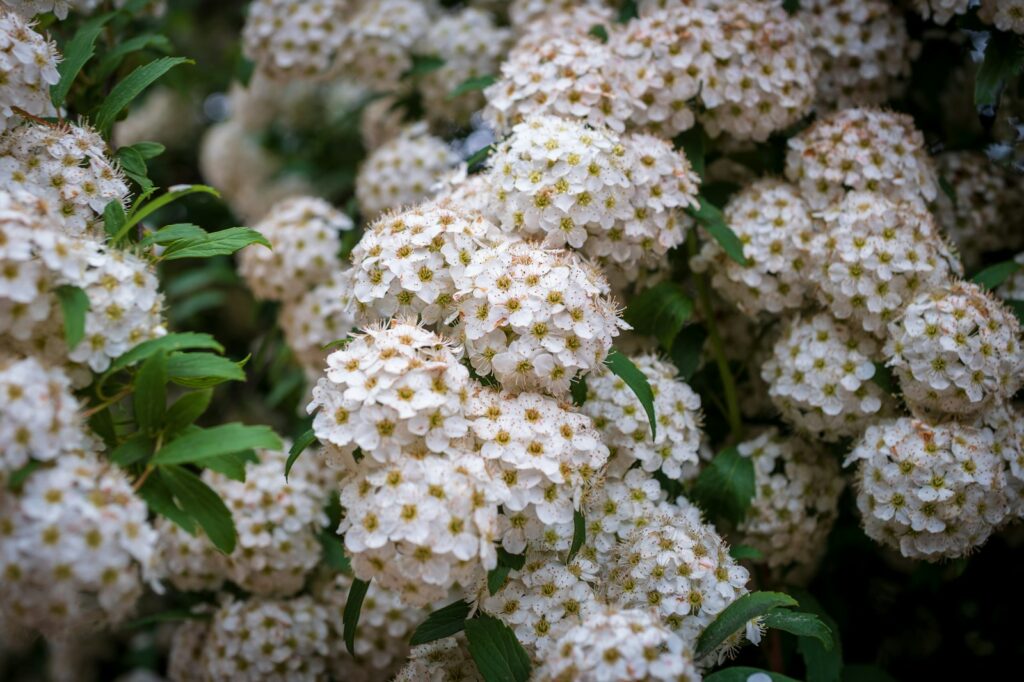
Tiarella, or foamflower, is ideal for shady spots where other plants struggle. It forms a soft, low ground cover with beautiful leaves and delicate, frothy flowers in spring.
Foamflower brightens dull areas with its airy white or pale pink flower spikes. It thrives in moist soil and returns year after year, adding charm and texture.
It pairs well with hostas and ferns, creating a woodland feel that stays fresh through the seasons. Plus, it’s deer-resistant.
Helleborus (Lenten Rose)
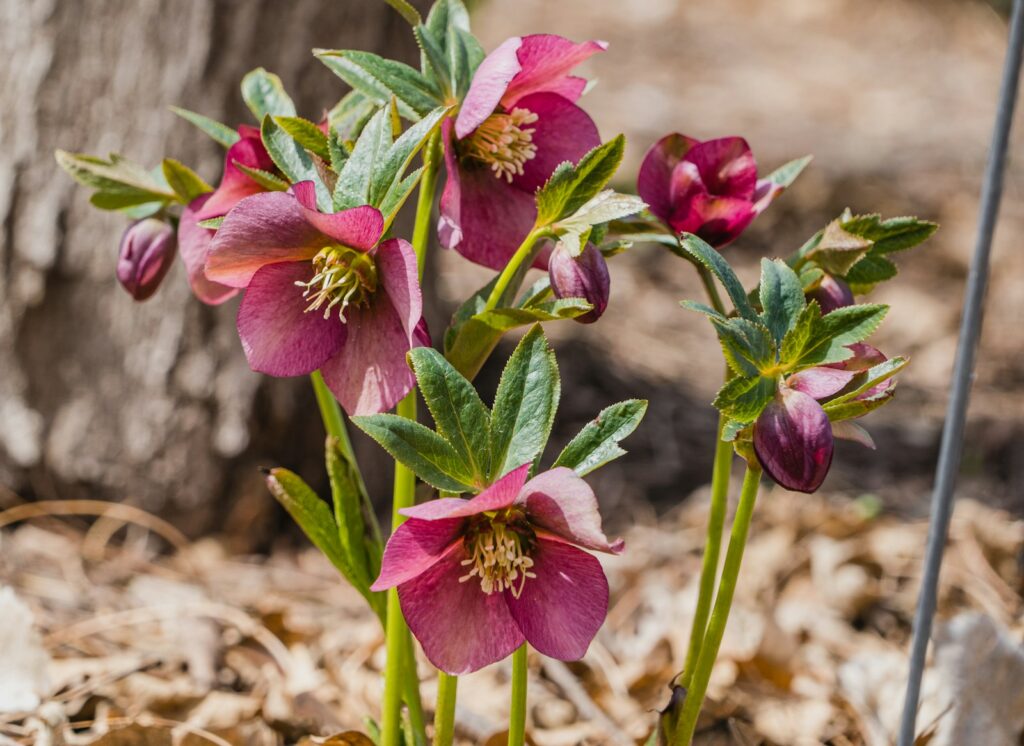
Helleborus, or Lenten Rose, is a garden lifesaver when winter feels endless. It blooms in late winter, showing off cup-shaped flowers in many colors while most plants are still dormant.
This perennial is tough and deer-resistant, thriving in shady spots with little care. Once established, it keeps some green leaves all year so your garden never looks empty.
Helleborus flowers nod gracefully, giving your garden a gentle, natural beauty. It’s a standout choice for early color and life when you need it most.
Cimicifuga (Actaea)
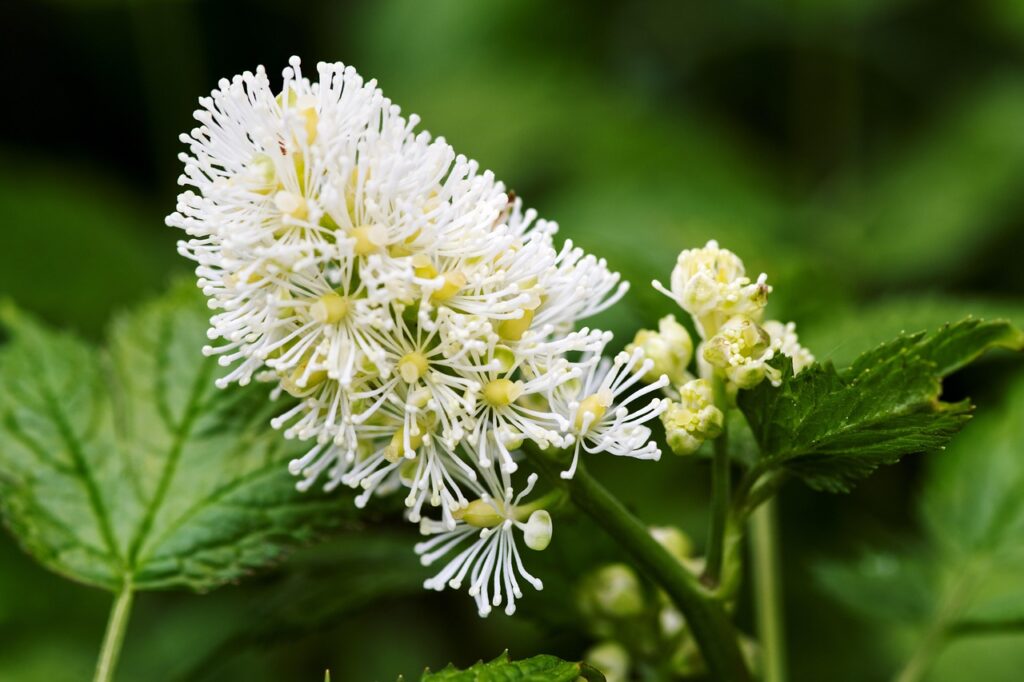
Cimicifuga, also called Actaea or bugbane, adds height and drama with its tall flower spikes. These spikes bloom in late summer to early fall, just as other plants start to fade.
Its sweet fragrance attracts pollinators, and deer usually leave it alone. Cimicifuga grows well in shady spots and pairs beautifully with ferns and hostas.
Planting a group of these creates a bold statement, especially with varieties that have dark foliage. Some can reach over five feet tall, adding striking vertical interest.
Sanguinaria canadensis (Bloodroot)
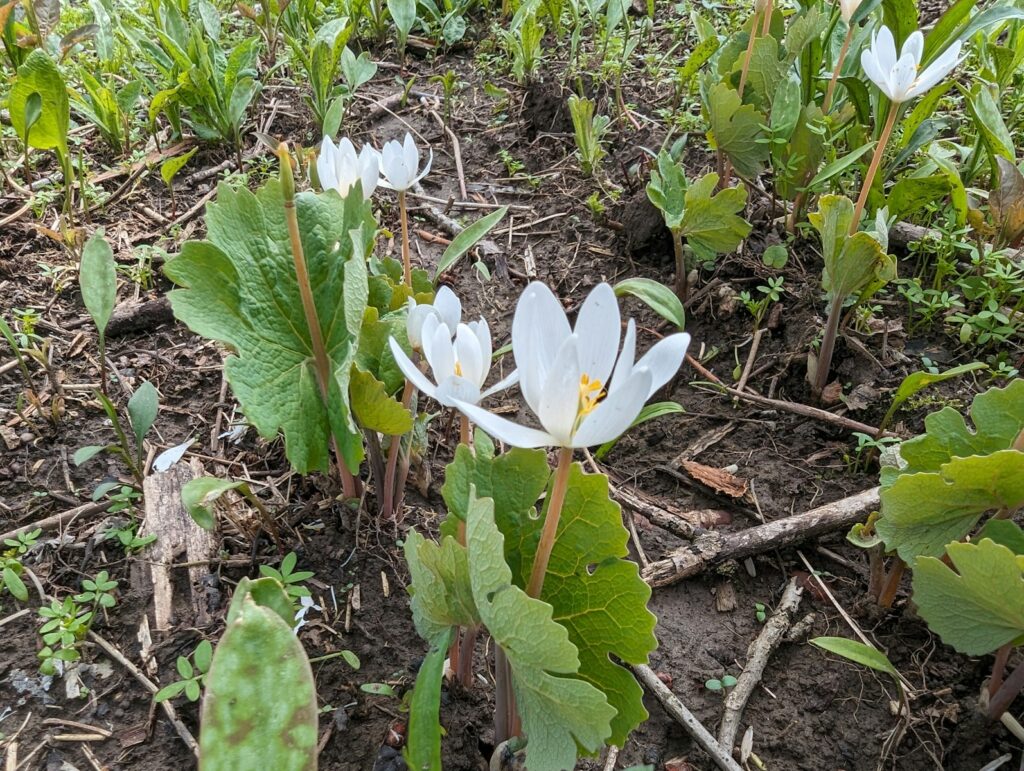
Bloodroot is a spring standout, showing delicate white flowers with many petals. It brightens up shady spots where other plants may not thrive.
This perennial grows from a thick underground rhizome and slowly forms colonies, covering the ground with its unique, rounded leaves.
Bloodroot does best in moist, rich soil in partly shaded areas. It’s perfect for woodland or native plant gardens and brings a natural look to your space.
It’s a low-maintenance plant with a history in herbal medicine, but it’s best enjoyed for its beauty in the garden.
Why Perennials Are a Garden Game-Changer
Perennials can make gardening easier and more rewarding. They save time and effort while keeping your garden lively through different seasons.
Low-Maintenance Beauty
Perennials come back year after year, so you don’t have to replant them every season. Most are tough and need less water and care once established.
Many perennials bloom all summer and attract pollinators. Their strong roots improve soil health and help reduce weeds naturally.
Long-Term Savings
While perennials might cost more upfront, they save you money over time. They live for several years, so you avoid the yearly cost of replacing plants.
You can divide and share perennials to fill more space without buying more. This helps your garden grow without extra expense.
Year-Round Interest
Perennials offer beauty beyond summer blooms. Many have colorful leaves or interesting seed heads that add charm in fall and winter.
With the right mix, you get continuous blooms and texture, making your garden enjoyable every time you step outside.
How to Plan the Perfect Perennial Garden
Planning a perennial garden means thinking about where your plants will thrive and how they’ll grow together. Give your plants the right sun, soil, and space.
Arrange combinations that bring color and health to your garden, so every corner feels inviting and alive.
Choosing the Right Location
Finding a good spot for your garden can make a big difference. Notice how much sunlight your chosen area gets throughout the day.
Most perennials thrive with at least six hours of sunlight. Take a moment to check what kind of soil you have.
Well-drained soil helps roots stay healthy. If your soil feels heavy or sandy, you might need to make some adjustments before planting.
Think about how close the garden is to a water source. It is also important to pick a place that will be easy for you to reach and care for.
Try to avoid areas that stay soggy or flood easily. Testing the soil pH with a kit can give you a better idea of what your plants need.
Most perennials prefer soil that is slightly acidic to neutral, around pH 6.0 to 7.0. Mapping out your garden and watching how the sun moves can help you plan where to put each plant.
Place the sun-lovers in the brightest spots. Save the cooler, shadier areas for plants that do not mind less light.
Companion Planting Tips
Ever notice how some gardens just seem to thrive while others struggle? A lot of it comes down to which plants are paired together.
Group plants with similar water and light needs. This makes caring for your garden easier and keeps your plants healthier.
Try using a layered approach by placing tall plants in the back, medium ones in the middle, and low-growing flowers up front. Repeating certain colors or plant types throughout the space can create a sense of flow.
Include a mix of plants that bloom at different times so you always have something colorful to look at. Adding ornamental grasses or leafy plants is a great way to bring in extra texture.
Give your plants enough room to breathe. Good air flow between plants can help prevent diseases.
Some plants are great at attracting pollinators or keeping pests away. Mixing these into your garden can make it more vibrant and eco-friendly.