12 Garden Chores You Can Stop Doing Right Now to Save Time
Ever feel like your garden to-do list never ends? Sometimes it seems like you spend more time working than actually enjoying your outdoor space.
There are plenty of garden chores that aren’t as necessary as you might think. By letting a few tasks go, you can have a healthier garden and more time to relax.
Overwatering your plants

Watering every day might seem helpful, but it can actually do more harm than good. Too much water can suffocate roots and lead to root rot.
Yellow leaves, mushy stems, or brown edges are signs your plants might be getting too much water. Instead of sticking to a strict schedule, check if the soil is still moist before watering.
Pots with good drainage help keep roots healthy. Once you slow down on watering, many plants perk up and grow better.
Constantly deadheading spent flowers
Deadheading every single bloom isn’t always needed. Many flowers will keep blooming even if you skip this step.
Some plants naturally drop petals or grow new blooms quickly. This means you can relax and still have a colorful garden.
If your garden is large, focus on plants that truly benefit from deadheading. Let your garden do some of the work for you and enjoy the extra free time.
Excessive pruning in fall
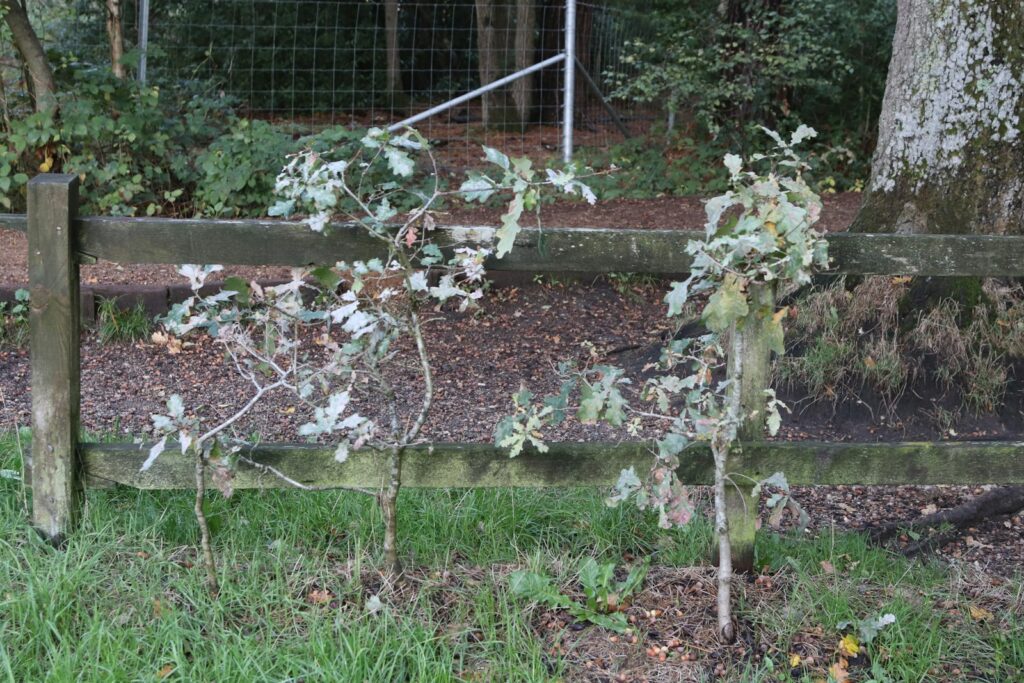
Cutting back your plants a lot in the fall can cause new, fragile growth that may not survive cold weather. Pruning at the wrong time can also reduce blooms in the spring.
It’s usually better to remove only dead or unhealthy branches. Learning your plants’ growth cycles helps you know when to prune without stressing them.
Raking all fallen leaves immediately
You don’t have to rake every leaf as soon as it hits the ground. Leaves provide shelter for helpful insects and small animals.
As leaves break down, they return nutrients to the soil. If you like a tidy yard, mow over the leaves to mulch them instead of raking them all up.
Using chemical fertilizers late in the season
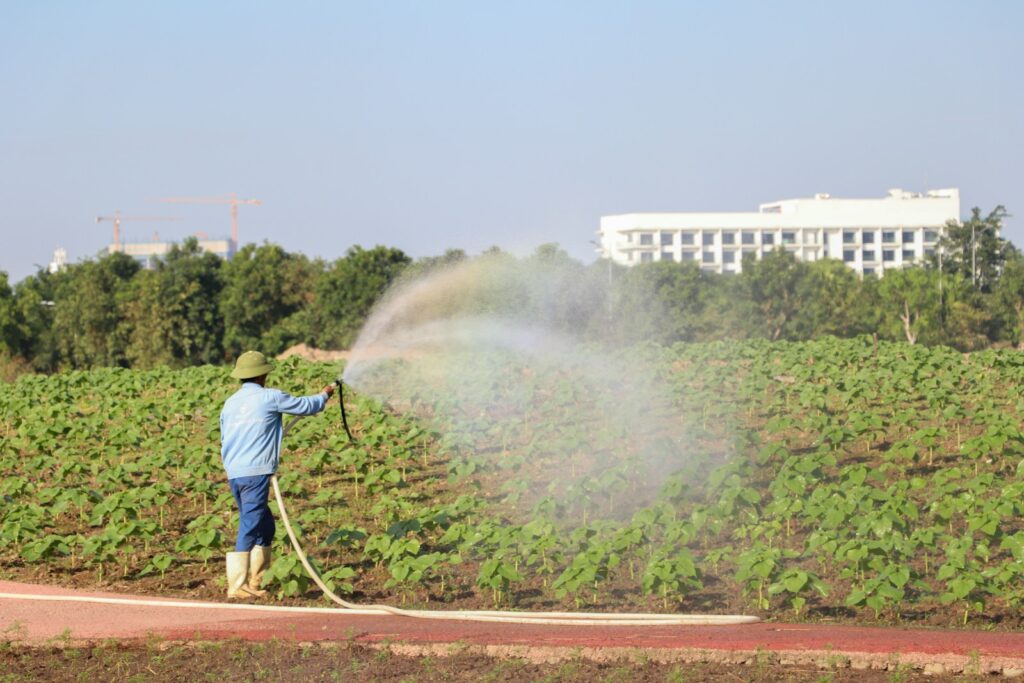
Late-season fertilizing with chemicals can hurt your plants instead of helping them. Plants are getting ready for winter, not new growth.
Heavy feeding now can cause weak growth and even burn leaves. Choose gentle, root-supporting fertilizers or skip this step until spring.
Frequent soil tilling during colder months
Turning soil often in fall or winter can damage its structure and disturb helpful microbes. Cold, wet soil can become compacted and hard for roots to grow in.
Over-tilling can also wipe out tiny organisms that keep soil healthy. Try adding mulch or planting cover crops instead of constant tilling.
Trimming all garden grasses now
You don’t need to trim all your ornamental grasses just yet. Many grasses do better if you wait until late winter or early spring.
If some grasses look messy, only cut back the dead parts. This saves time and keeps your garden looking neat without extra effort.
Removing all seed heads too early
Leaving some seed heads in place gives birds food and helps plants reseed naturally. These seeds can attract wildlife and add interest to your garden through winter.
Cutting them all off right away takes away these benefits. Letting some seeds stay can bring more color and life to your garden next year.
Planting new seeds in late autumn
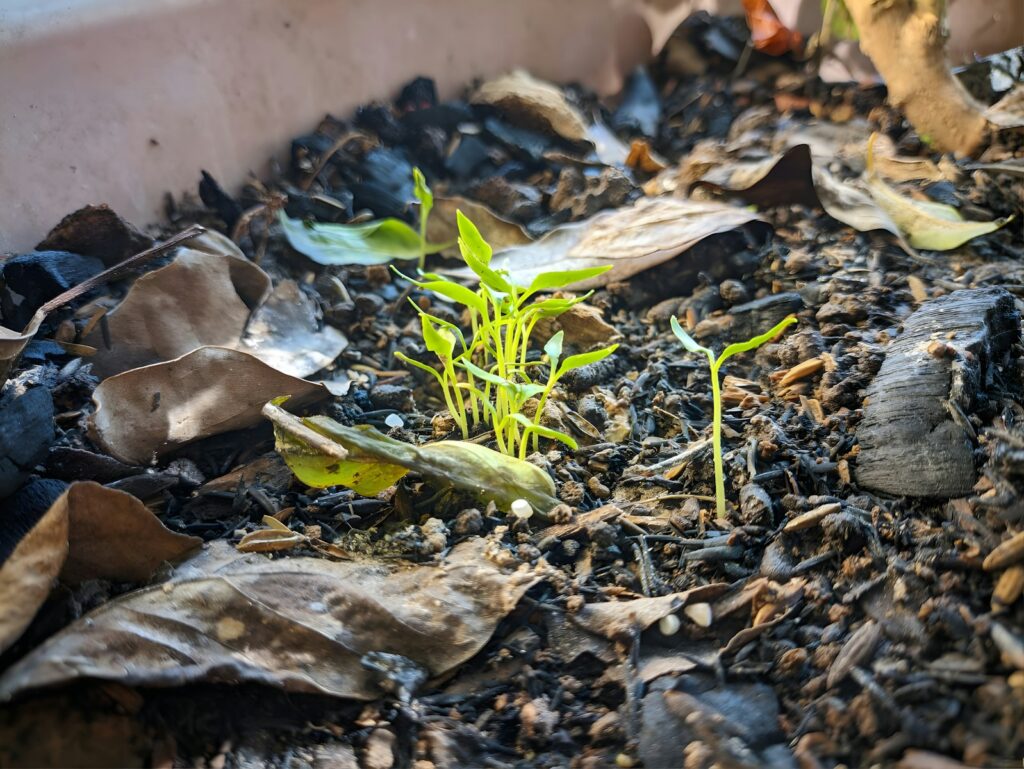
Planting seeds in late autumn usually doesn’t work out well, since most need warm soil to sprout. Cold weather can cause seeds to rot or stay dormant.
Save your seeds for spring or focus on tidying up beds and protecting existing plants now. This way, you’re not wasting time on seeds that won’t grow.
Starting garden compost turning too often
Turning compost too often can cool it down and slow decomposition. The pile needs time to heat up and break down material.
Turning once a week or every few days is usually enough. Overdoing it just adds extra work without speeding things up.
Over-cleaning garden beds before winter
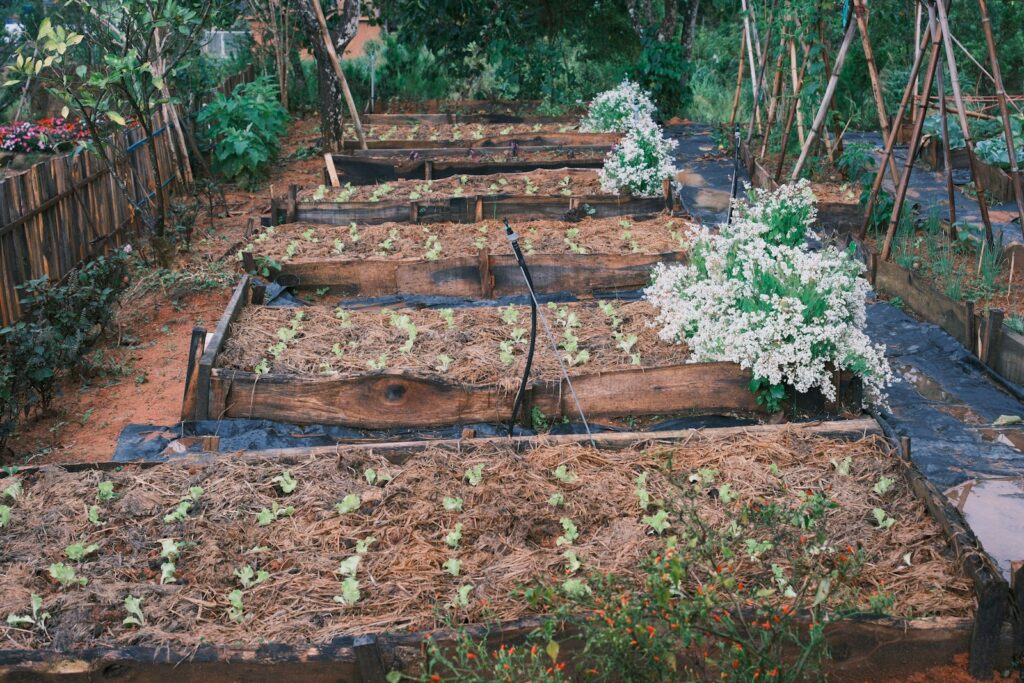
Clearing every bit of debris from your garden beds can remove helpful bugs and natural mulch. Some dead leaves and stems protect soil and provide shelter for beneficial insects.
Just remove diseased plants or heavy weeds. Leaving the rest helps your garden stay healthy and ready for spring.
Watering during rainy periods
When it’s raining, you can take a break from watering. Too much water can make soil soggy and lead to root problems.
Watch your plants and soil moisture instead of sticking to a routine. Let the rain do the work and use this time to relax.
How to Adapt Your Garden Routine
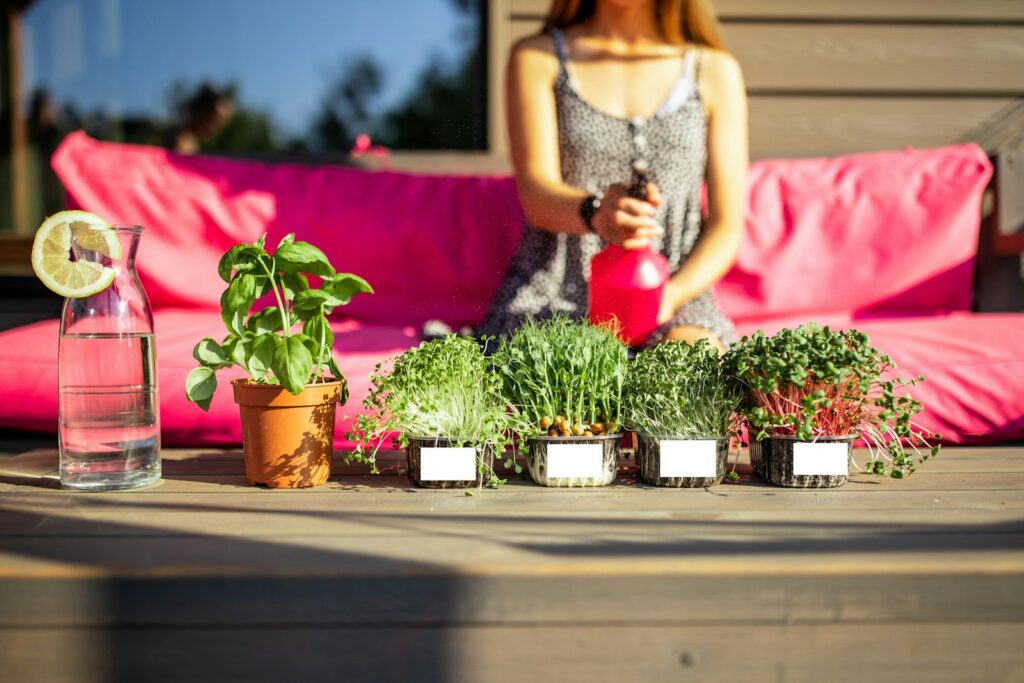
Making a few changes to your garden habits can free up your time and energy. Focus on what really matters and let nature handle the rest.
A little less work means more time to enjoy your outdoor space and watch your garden thrive.
Embracing a Low-Maintenance Mindset
Ever feel like your garden is running your life, not the other way around? It does not have to be that way.
Focus on what your plants actually need instead of sticking to a strict daily routine. Grouping plants by their water needs can help you water less and avoid unnecessary waste.
Labeling your plants means you will not be second-guessing or giving them too much attention. Keeping your tools close by saves you from making endless trips across the yard.
Planting closely together helps block out weeds and cuts down on how often you have to pull them. Slow-release fertilizers can keep your plants fed over time without needing constant check-ins.
The less you have to do, the more you get to relax and actually enjoy your garden. You might even find yourself looking forward to spending time outside instead of dreading the work.
Utilizing Nature’s Processes
Ever wish your garden could take care of itself? Nature already has some clever systems in place to make your life easier.
Mulching helps keep weeds in check and holds moisture in the soil. That means you spend less time watering and pulling weeds.
Letting leaves and plant debris break down where they fall can naturally improve your soil. You don’t have to haul everything away or buy extra fertilizer.
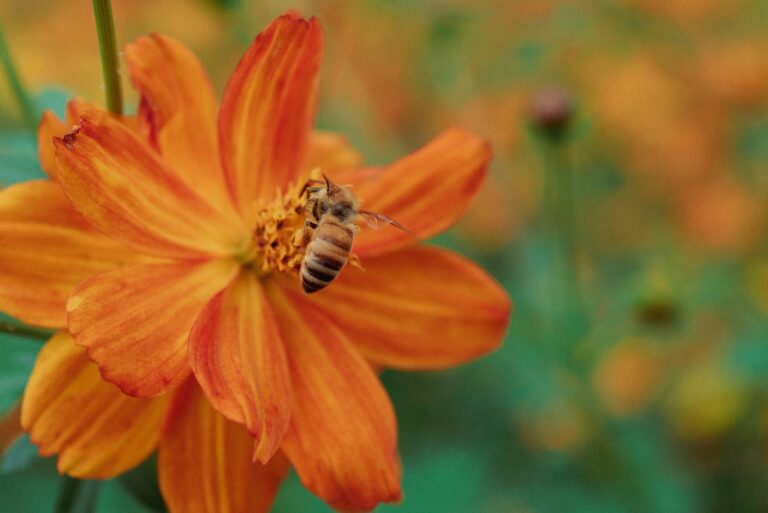
Welcoming beneficial insects and birds makes a big difference with pests. Marigolds and certain herbs attract helpful bugs that protect your plants.
By working with these natural helpers, you can enjoy your garden more and stress less about constant chores.