10 Plants That Deer Avoid No Matter What for a Beautiful, Pest-Free Garden!
If you have ever woken up to find your garden nibbled down to stubs, you know the struggle with deer is real. They can quickly undo all the effort you put into your flower beds and veggie patches.
Luckily, there are plants that deer just do not like. Choosing the right ones means you can enjoy a colorful, lush yard without constantly battling hungry visitors.
Lavender
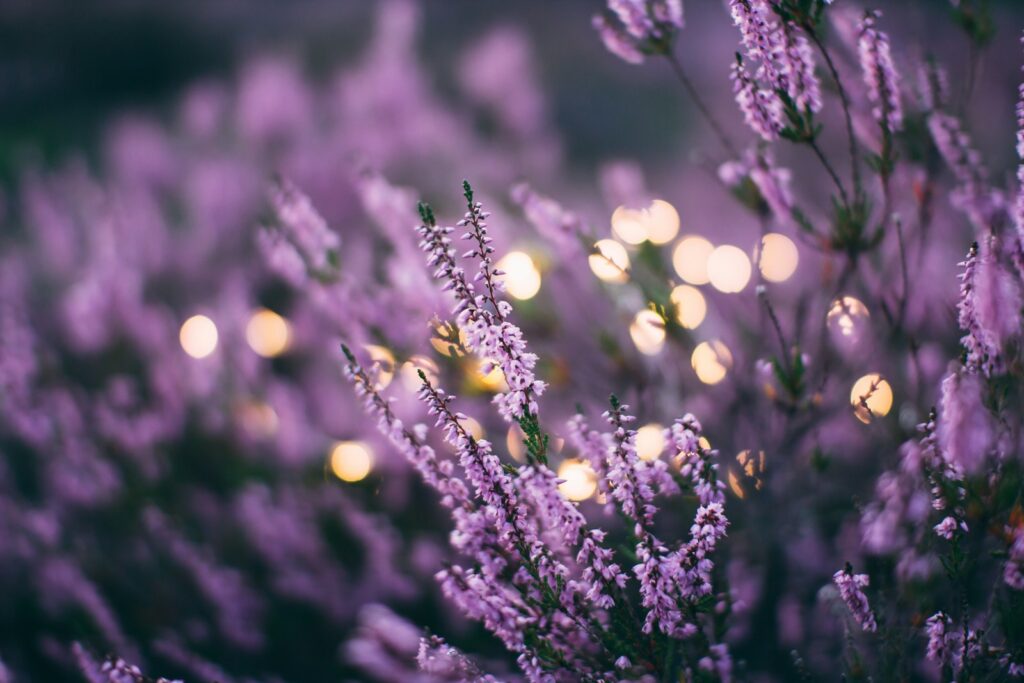
Lavender is a wonderful pick if you are tired of deer eating your favorite plants. Its strong scent comes from the oils in its leaves and flowers, and deer really do not like it.
You can count on lavender to stay untouched while adding beauty to your garden. It loves sunny spots and well-drained soil, so it is easy to grow in many places.
The silvery leaves look good year-round, and the purple flower spikes bring a pop of color. Bees and butterflies will flock to it, making your garden even more lively.
Rosemary
Rosemary is another great option for keeping deer away. Its fresh, sharp smell comes from oils in the needle-like leaves, which deer find unpleasant.
This herb grows well in sunny spots and is easy to care for, making it a favorite for busy gardeners. Planting rosemary near other plants can help protect them too.
You get to enjoy its lovely aroma while knowing deer are likely to stay away. Rosemary also adds a nice green texture to your beds or pots.
Barberry

Barberry stands out for its bright reds, purples, and golds, adding bold color to your yard. The sharp thorns make it one plant deer really do not want to mess with.
This shrub is low-maintenance and thrives in tough conditions, including drought and city gardens. In spring, it grows new green leaves and yellow flowers.
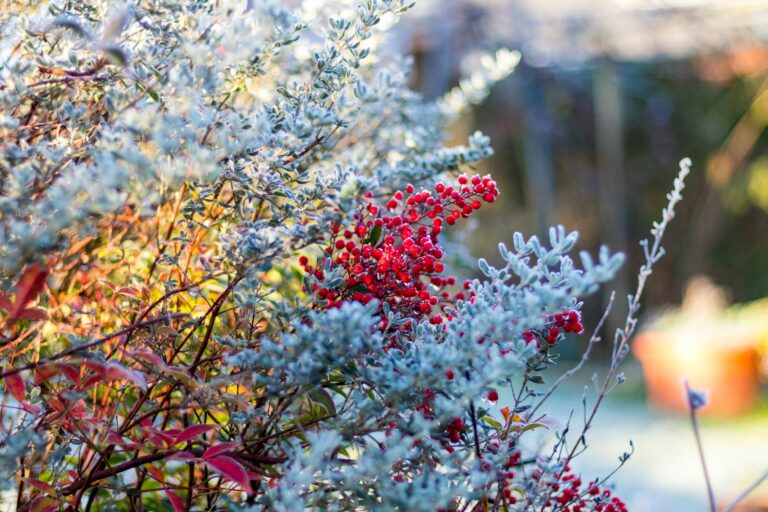
Later, the leaves turn vibrant shades before dropping. Some types even produce red berries for extra color in fall and winter.
Barberry is perfect for borders or as an accent to keep your garden safe and colorful.
Boxwood
Boxwood is a classic shrub that fits into almost any garden style. Its dense, evergreen leaves have a strong scent that deer tend to avoid.
This plant grows slowly and holds its shape, so you do not need to prune it much. It is a good pick if you want a tidy, low-maintenance look.
‘Green Velvet’ boxwood is especially known for being deer-resistant. While nothing is totally safe, boxwood gives you a strong chance against deer.
You get a sturdy, attractive shrub that helps protect your space.
Yarrow

Yarrow brings tough, colorful blooms to your garden, with flowers in white, yellow, or pink. It thrives in dry soil and blooms all summer.
Deer usually skip yarrow because of its bitter leaves and strong scent. You can enjoy the flowers without worrying about them being eaten.
Yarrow also helps protect nearby plants by masking their scent. It comes back every year, so you do not have to replant often.
Foxglove
Foxglove’s tall spikes and bell-shaped flowers add drama and color to your garden beds. These plants are toxic to deer, so they steer clear.
If you want to attract hummingbirds, foxglove is a great choice. It keeps deer away and brings more life to your garden.
Planting foxglove near delicate flowers can help protect them too. Its natural defenses make it a smart addition to any yard.
Marigold
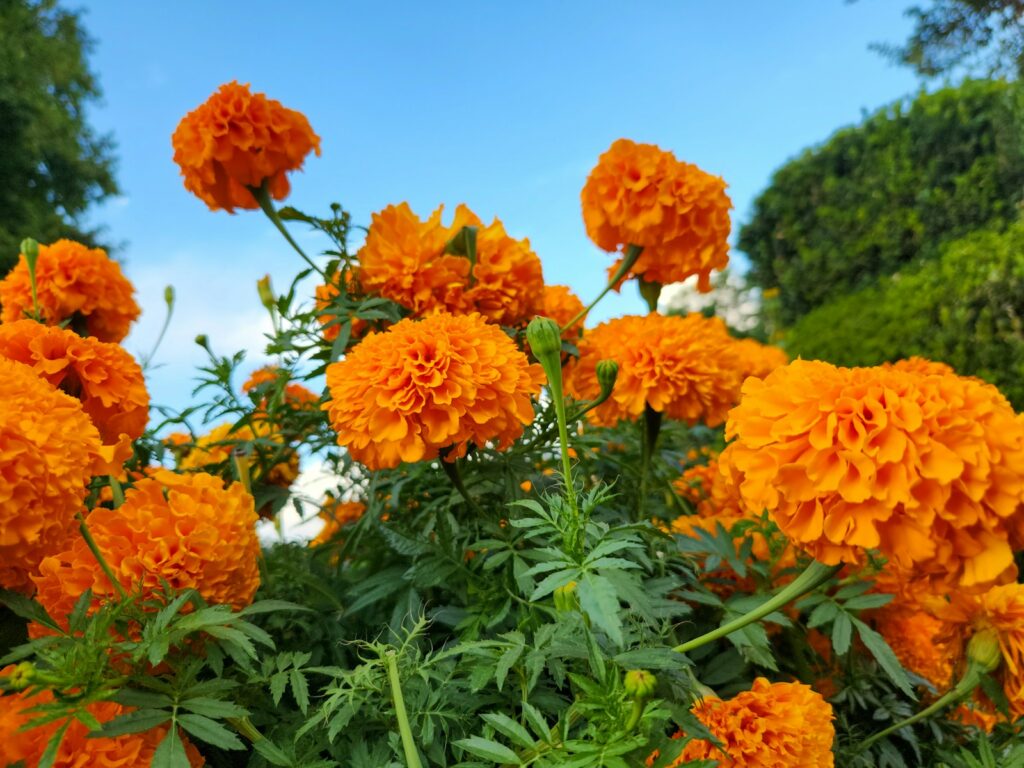
Marigolds are famous for their bright blooms and strong scent, which deer find off-putting. Most of the time, deer will ignore these flowers.
The smell comes from natural chemicals that make marigolds taste bitter. You can plant them around the edges of your garden to act as a natural fence.
Marigolds are easy to grow and add cheerful color. They offer both protection and beauty for your outdoor space.
Sage
Sage is a reliable herb that deer usually avoid thanks to its strong scent and bitter taste. Even when other plants are being eaten, sage is often left alone.
As sage plants get older, their leaves become more fragrant, which boosts their deer-repelling power. Sage is also a pretty addition with its soft green leaves.
It is simple to grow and brings a fresh aroma to your garden. Sage gives you a useful herb and a natural way to keep deer at bay.
Russian Sage
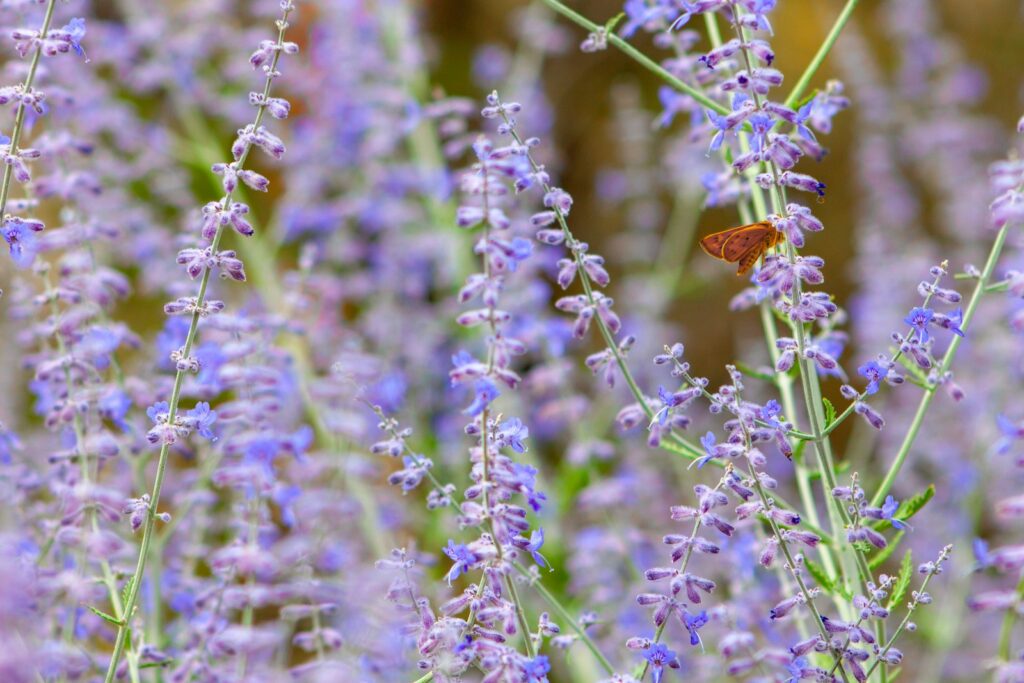
Russian sage is known for its tall, silvery leaves and lavender-blue flowers. This plant has a strong, earthy smell that deer do not like.
Its leaves are bitter and rough, making them unappealing to deer. Russian sage grows well in dry soil and does not need much care.
It also attracts bees and hummingbirds, adding more life to your garden. With Russian sage, you get beauty and peace of mind.
Catmint
Catmint brings a burst of lavender-blue flowers that last from spring through fall. It is a favorite for pollinators like bees and butterflies.
The strong minty scent keeps deer away, so your garden stays safe. The gray-green leaves add texture and color, even when not in bloom.
Catmint is tough, thrives in sunny spots, and does not need much water. It is a smart choice for anyone tired of deer damage.
Why Deer Detest Certain Plants
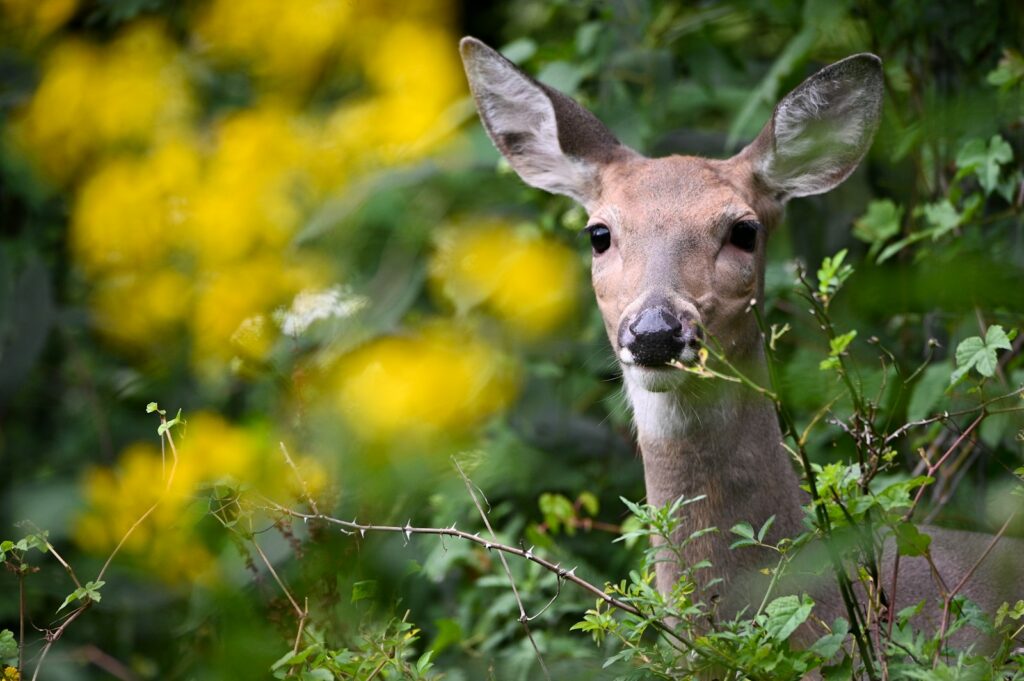
Deer have sensitive noses and picky tastes. Some plants overwhelm them with strong smells, bad flavors, or tough textures.
If a plant smells too strong or tastes bitter, deer will usually move on. Plants like lavender and rosemary give off scents that deer cannot stand.
Herbs like mint or sage have flavors that make deer avoid them after just one bite. Even the texture of a plant can make a difference.
Plants with thorns or fuzzy leaves, such as barberry or holly, are uncomfortable for deer to chew. Some plants, like foxglove, are even toxic, making deer sick if they eat them.
By understanding what deer do not like, you can choose plants that naturally protect your garden.
How to Create a Deer-Resistant Garden
Mixing deer-resistant plants is one of the best ways to keep your garden safe. A thoughtful layout can make a big difference.
Companion Planting Strategies
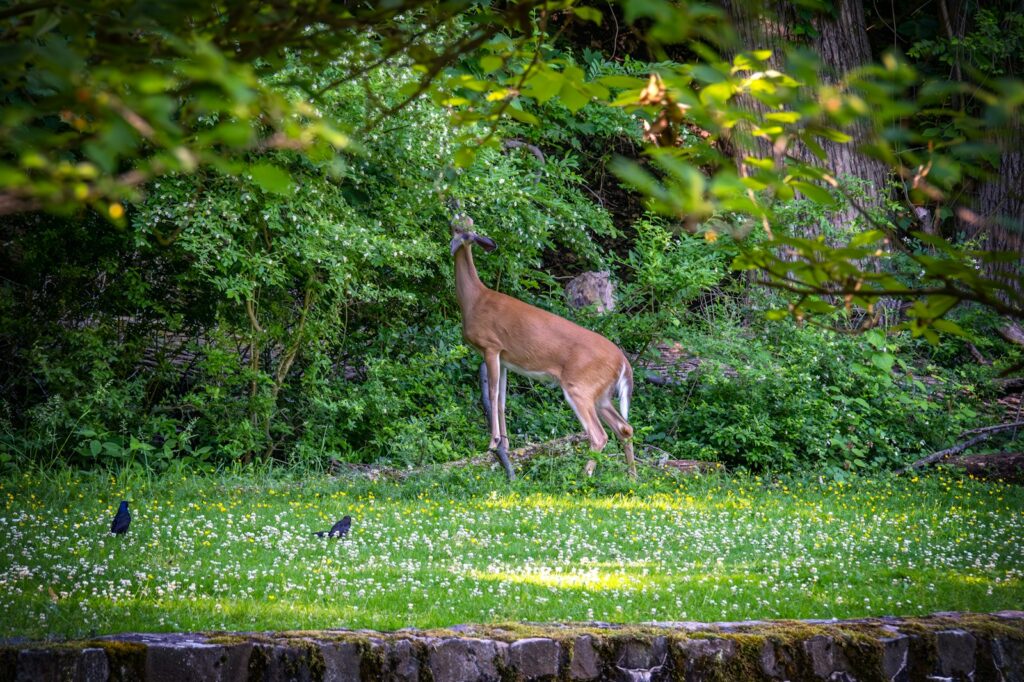
Group together plants that deer dislike, like lavender, rosemary, and daffodils. Their scents and textures help shield more vulnerable flowers or veggies nearby.
Add spiky bushes such as barberry at the edges to create a barrier. Layering plants with different heights can also block easy paths for deer.
Use a mix of textures and smells to confuse deer and make your garden less inviting. With a little planning, you can enjoy a beautiful yard without worrying about deer damage.
Design Tips for Maximum Protection
If you have ever watched deer nibbling away at your garden, you know how frustrating it can be. One way to keep them at bay is by creating a border with deer-resistant plants.
Try placing these tough plants as the first line of defense around your more delicate flowers or vegetables. This helps guide deer away from your favorite spots by surrounding them with greenery they usually avoid.
Dense plantings can make a big difference. Thick clusters, especially those with thorny or fuzzy leaves, make it tough for deer to move comfortably through your yard.
Strongly scented plants like lavender or sage are great near spots where deer might slip in. Keeping your garden tidy by removing fallen fruit or leaves can also help cut down on wildlife visitors.