12 Unexpected Things Attracting Pests to Your Garden You Won’t Believe
Ever wonder why pests keep showing up in your garden, even when you think you’ve done everything right? Sometimes, the culprits are things you would never expect.
Some of the sneakiest pest magnets are hiding in plain sight. Once you know what to look for, you can make simple changes that really help protect your plants.
Overwatering creating soggy soil inviting mosquitoes and fungus gnats
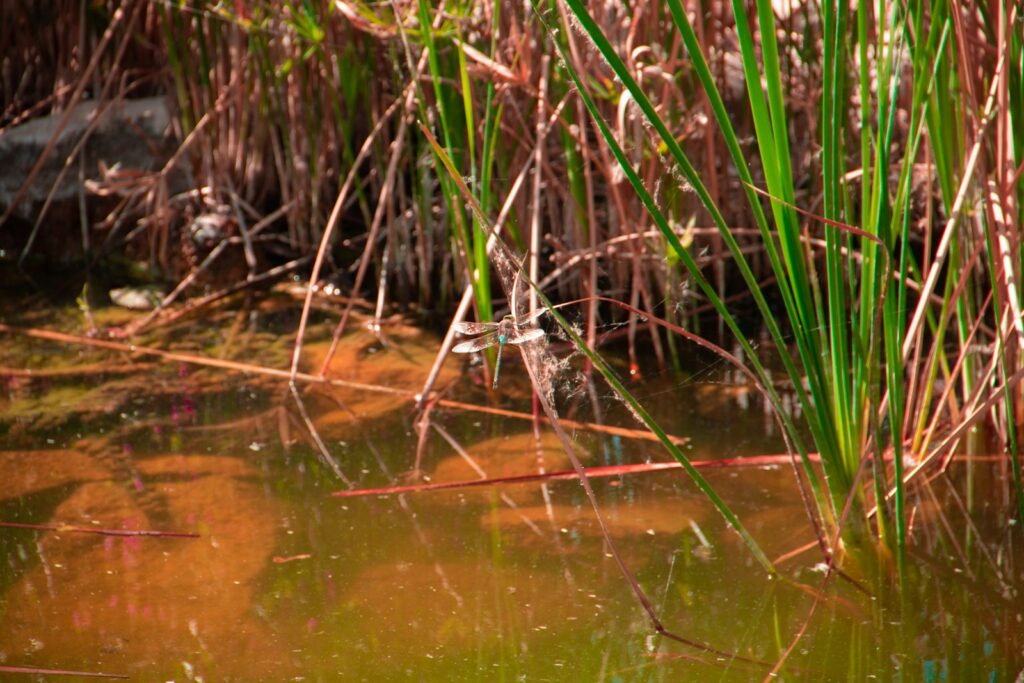
It’s easy to go overboard with watering, especially when you want your plants to thrive. Too much water leaves your soil soggy, and that’s exactly what mosquitoes and fungus gnats need.
Mosquitoes breed in any spot with standing water, even small puddles or damp soil. If you notice more buzzing, your garden might be too wet.
Fungus gnats are tiny bugs that love moist dirt and feed on organic matter. If you see little insects hovering near your plants, your soil could be holding too much moisture.
Try watering in the morning so the soil can dry out during the day. Less frequent watering helps keep these pests away and your plants healthier.
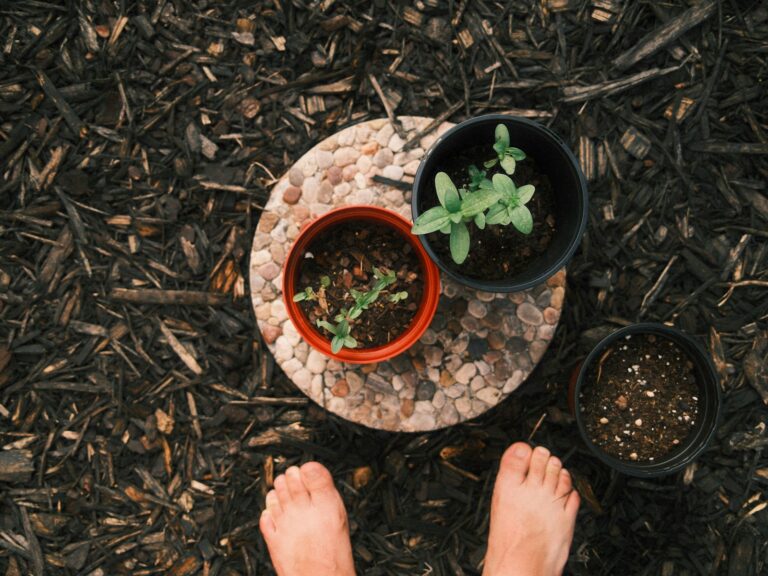
Stagnant water in plant saucers breeding mosquitoes and flies
Those saucers under your plant pots might be doing more harm than good. When water collects there and sits, it becomes a breeding ground for mosquitoes and flies.
These insects are drawn to calm, still water for laying eggs. Even a little leftover water can bring in a swarm.
Make it a habit to empty and clean your plant saucers regularly. Keeping them dry is a quick way to cut down on pests and protect your plants at the same time.
Garden gnomes and figurines harboring cool damp spots for slugs
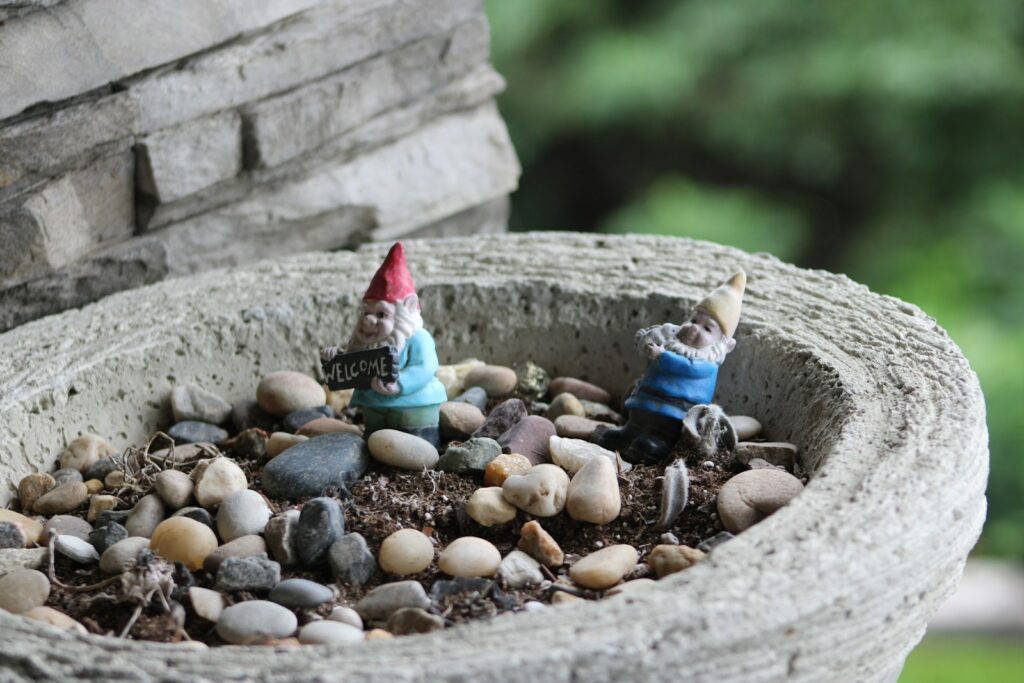
Decorative gnomes and figurines add personality to your garden, but they can also create shady, damp spots underneath. Slugs, ants, and earwigs love these hidden places.
During the day, these pests hide under garden decorations and come out at night to munch on your plants. If you notice chewed leaves, check around your gnomes for sneaky guests.
You don’t have to give up your yard art. Just move your decorations from time to time to keep pests from settling in.
Thick bushes and tall grass providing cozy shelter for rodents
Overgrown bushes and unmowed grass don’t just look wild—they’re perfect hiding spots for rodents. Mice and rats feel safe in dense plants where predators can’t easily find them.
Tall grass and thick shrubs also help rodents find food without being seen. Keeping your bushes trimmed and lawn mowed makes your garden less appealing to these critters.
Taking care of these areas is a simple way to send rodents packing and keep your plants safer.
Pile of yard debris giving pests a perfect hiding place

Letting leaves, branches, and other yard debris pile up is like rolling out the red carpet for pests. These piles give bugs and rodents a dark, damp place to hide and multiply.
Even a small stack of leaves can quickly become a pest hotspot. Regularly raking and removing debris helps take away their shelter.
A tidy yard looks better and keeps unwanted visitors away. It doesn’t take much effort, but the payoff is huge.
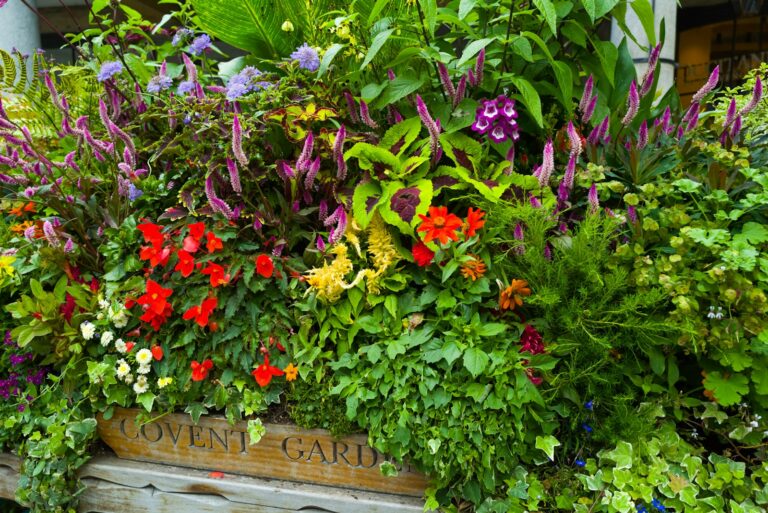
Overgrown plants creating shade and dampness for snails
When plants get too thick and tall, they create shady, moist spots that snails love. These cool areas are perfect for snails to hide during the day.
Snails avoid sunlight and come out at night, so overgrown plants give them plenty of cover. If you spot slimy trails, your garden might be a snail paradise.
Trim your plants often to let sunlight in and dry the ground faster. This discourages snails and helps your plants stay strong.
Mulch left too thick encouraging ants and earwigs
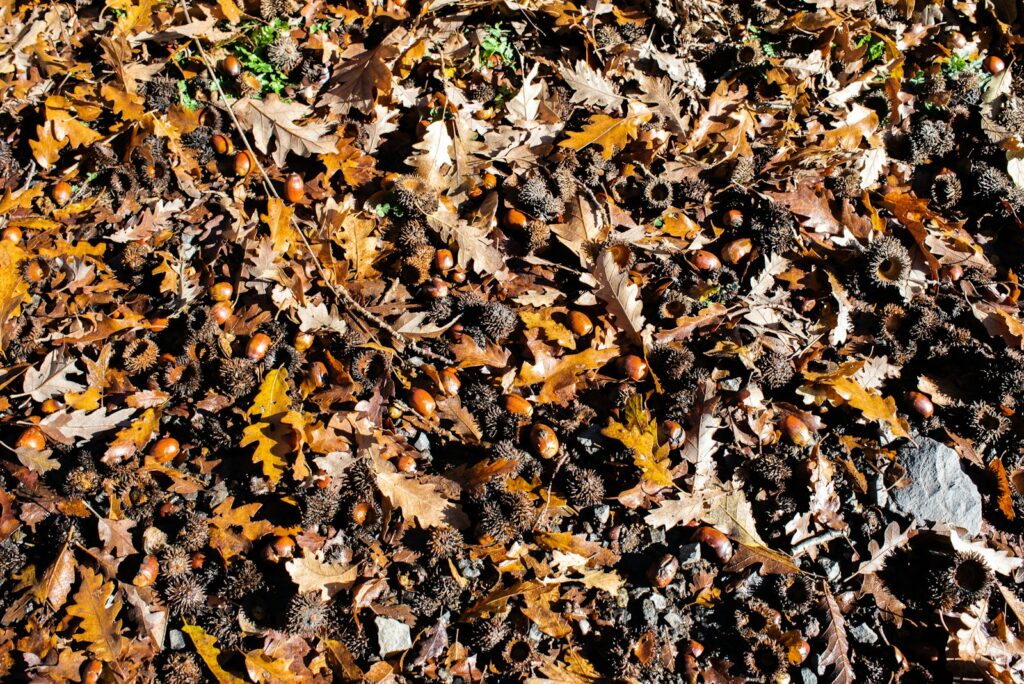
A thick layer of mulch might seem helpful, but it can actually attract ants and earwigs. Too much mulch holds moisture and creates a cozy home for these pests.
Ants build nests under the damp mulch, while earwigs hide there during the day. Thick mulch can even suffocate plant roots and stunt growth.
Spread mulch in a thin layer and keep it away from plant stems. Your garden will be healthier and less inviting to pests.
Uncovered compost heaps acting as a buffet for raccoons
Leaving your compost heap uncovered is like setting out a feast for raccoons. They can smell food scraps from far away and will dig through your compost for an easy meal.
An open compost bin not only attracts raccoons but can also bring in other pests. Use a raccoon-proof bin or keep your compost tightly covered to avoid the mess.
Protecting your compost means fewer pests and a cleaner, healthier garden.
Leaving ripe fruit on the ground attracting fruit flies and rodents
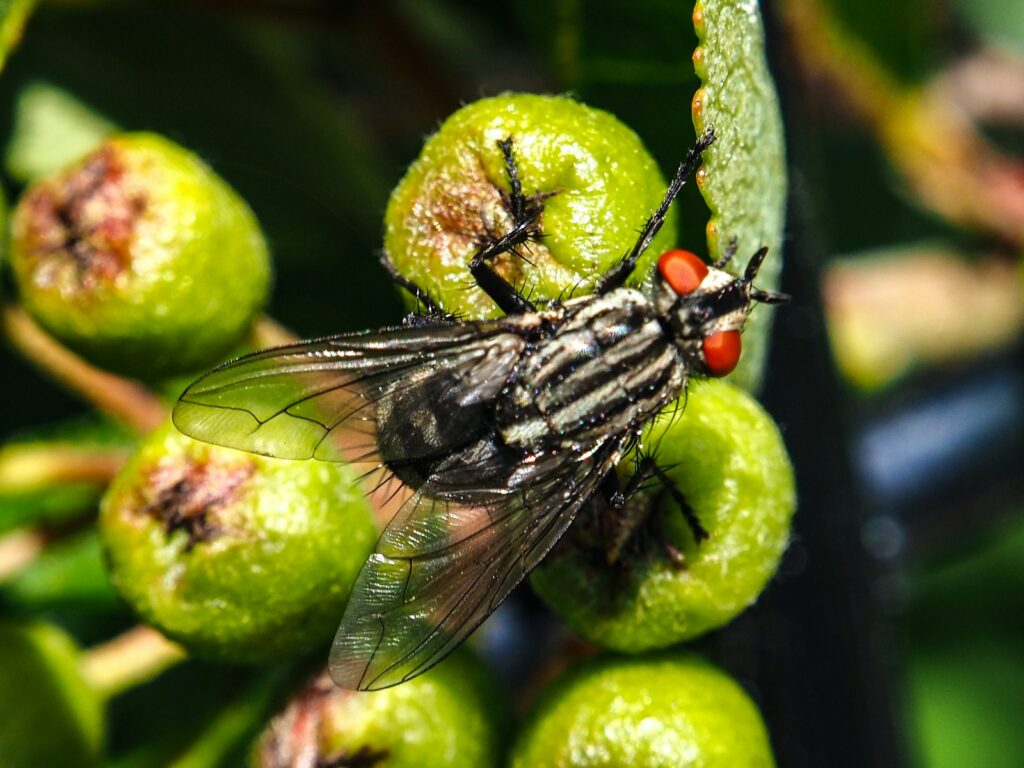
Ripe or fallen fruit left on the ground is a magnet for fruit flies and rodents. Fruit flies flock to the smell of overripe or rotting fruit, while rodents see it as an easy snack.
Rodents can damage plants and spread disease if they stick around too long. Picking up fallen fruit right away helps keep your garden clean and pest-free.
A little extra effort goes a long way in protecting your plants and keeping pests at bay.
Dense ground cover plants inviting crawling insects like aphids
Thick ground cover plants might look nice, but they can be a haven for crawling insects like aphids. These plants create hidden spaces that shelter pests from predators and weather.
Aphids move easily from dense ground cover to your flowers and vegetables. Some ground covers even have tender leaves that aphids love to eat.
Keep ground cover trimmed and spaced out to make it less attractive to pests. Your other plants will thank you.
Neglected bird feeders dropping seeds that draw rodents
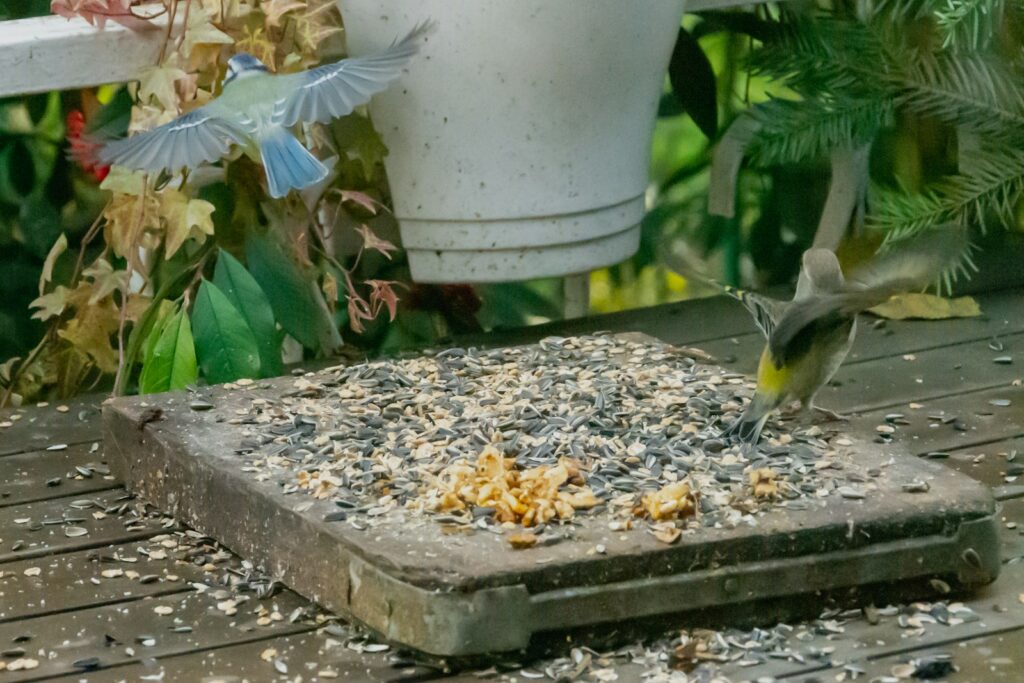
Bird feeders bring beauty to your yard, but if you don’t clean up spilled seeds, you could be feeding rodents too. Rats and mice love the easy meals scattered on the ground.
Leaving seed out overnight or letting it build up makes your garden a hotspot for these pests. Clean up spills and use feeders that limit seed drop to keep rodents away.
Storing bird seed in sealed containers also helps keep your supply safe from sneaky critters.
Clogged gutters causing standing water for mosquitoes
Gutters are easy to forget about, but when they get clogged, water collects and becomes a mosquito breeding ground. Mosquitoes lay eggs in still water, and your gutters can fill up fast.
If you see water overflowing or gutters sagging, it’s time for a clean-out. Clearing debris keeps water moving and stops mosquitoes from settling in.
Clean gutters mean fewer pests and a healthier environment for your garden.
Why Pests Target Your Garden
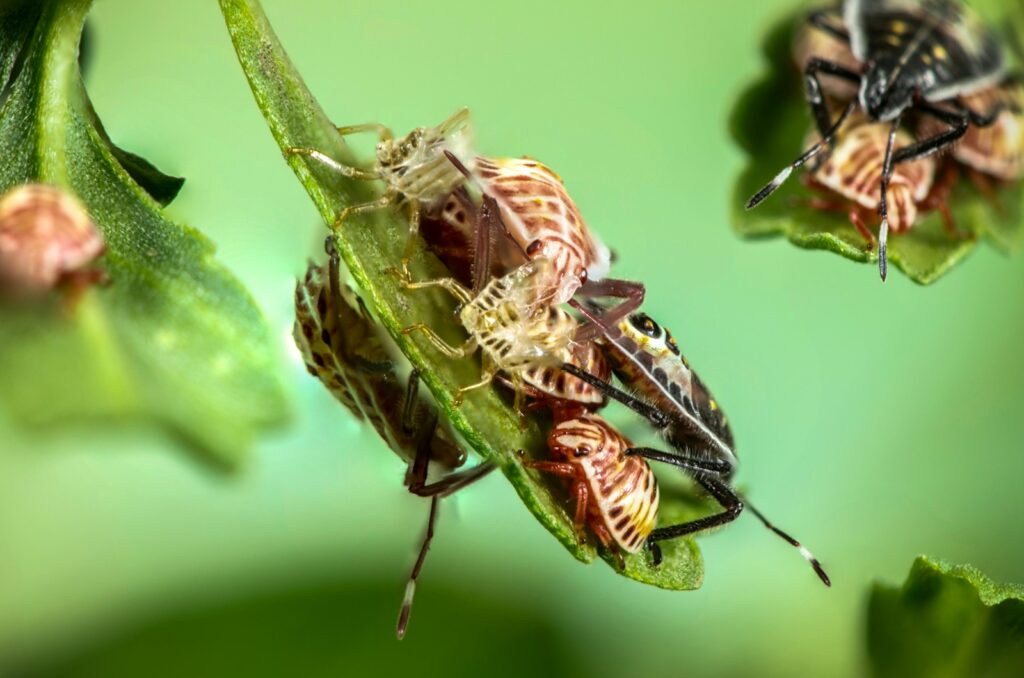
Gardens offer everything pests want: food, shelter, and a place to breed. They’re drawn to spots where water, plants, and hiding places are easy to find.
Pests often hide in thick grass, bushes, or leaf piles. Many are more active at night, coming out when it’s safe and quiet.
Even small amounts of standing water can turn your garden into a pest nursery. Stressed or unhealthy plants send out signals that attract bugs looking for an easy meal.
Pests use their senses, especially smell, to find food. Mosquitoes search for stagnant water, while aphids are drawn to certain plant chemicals.
Leftover fruit, overripe veggies, and decaying leaves are like magnets for pests. Keeping your garden clean and healthy makes it much less appealing for unwanted visitors.
Simple Strategies to Deter Garden Pests
Dealing with garden pests is a challenge that can leave any gardener frustrated. If you want to enjoy your plants without constant worry, there are some simple changes you can make that actually work.
Natural Prevention Methods
Try planting strong-smelling herbs such as garlic, thyme, and chives near your vegetables. Their scents can confuse or drive away many pests.
Mix in herbs like coriander and calendula throughout your garden beds to help keep bugs at bay. This small step can make a noticeable difference.
Household items like crushed eggshells or coffee grounds can be sprinkled around plants to block pests like slugs. These are easy to find and simple to use.
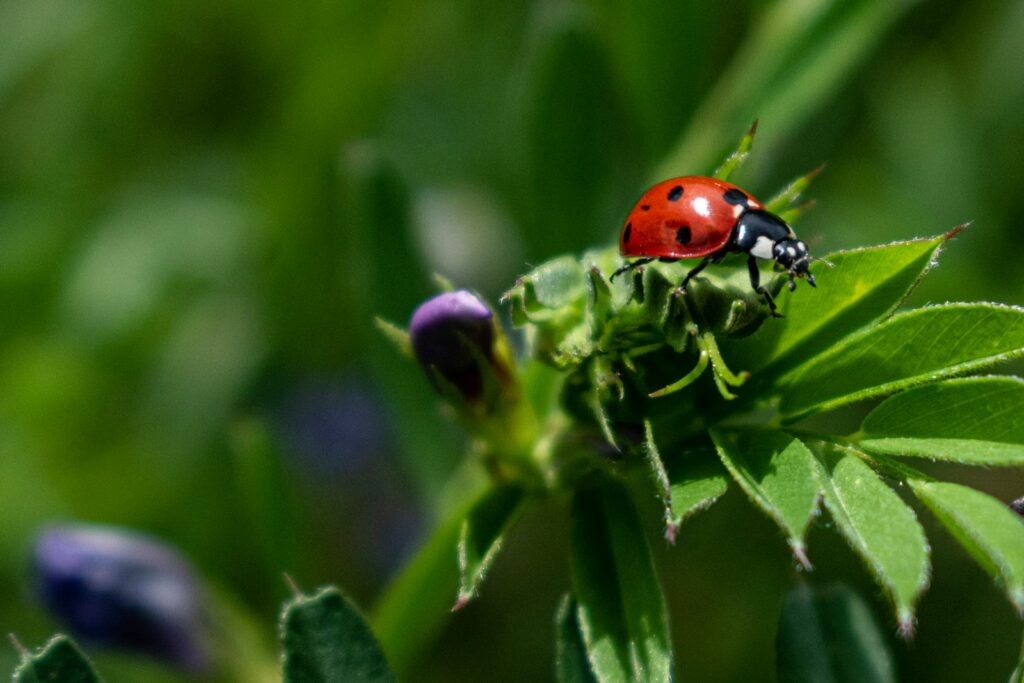
Attracting beneficial insects, such as ladybugs and praying mantises, can also help. Grow flowers that provide nectar to invite these helpful bugs into your garden.
Healthy soil is important for keeping pests away. Test your soil’s pH and add compost or natural fertilizers when needed to help your plants stay strong.
Creating a Pest-Resistant Environment
Tired of finding chewed leaves and damaged veggies? Creating a garden that pests avoid is possible with a few simple habits.
Start by keeping your space tidy. Remove dead leaves and debris because these spots are where pests like to hide or breed.
Trim your plants often. This helps improve air flow and makes your garden less welcoming for unwanted visitors.
Try using barriers around your plants. Row covers and mulch are both helpful in protecting your garden.
Mulch does more than just block pests. It also keeps the soil moist for your plants.
Row covers can keep out larger animals like rabbits and deer. Your vegetables will have a better chance to thrive.
Consider planting pest-repellent flowers and herbs along the edges. Strong scents from these plants act as a natural shield.
With these layers of defense, pests are more likely to move on to easier targets. Your garden can become a peaceful and productive place.