7 Garden Center Secrets Pros Use That Beginners Usually Miss
Ever walk into a garden center and feel instantly inspired by all the lush plants? It’s easy to get swept up in the excitement, but there’s a lot going on behind those beautiful displays that most beginners don’t notice.
If you’ve ever wondered why some plants struggle after you bring them home, you’re not alone. There are a few things garden centers don’t always share up front, and knowing these can make gardening much more rewarding.
Garden centers often stock plants that look perfect but may be stressed from transport—inspect leaves and roots carefully!
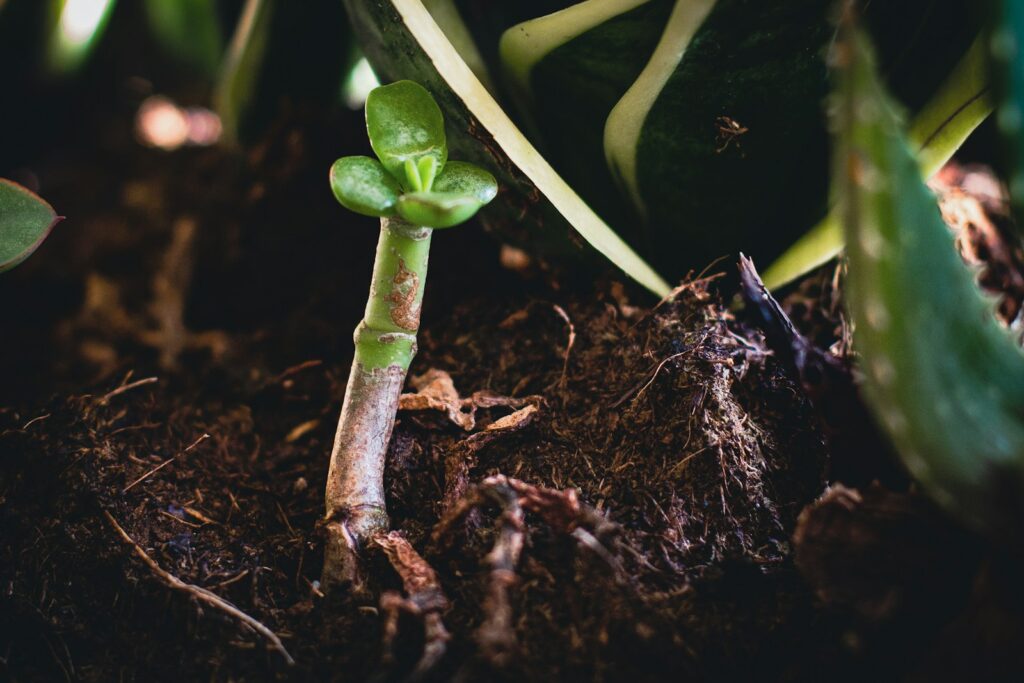
Those flawless plants at the front of the store might not be as healthy as they appear. Bright leaves and fresh blooms can hide stress from shipping.
Take a close look at the leaves. Curled edges, brown spots, or dry tips are red flags.
If possible, check the roots too. Healthy roots are white and firm, while dark or mushy roots could mean trouble.
A little extra attention now can save you headaches later. The healthiest plants are often the ones you inspect most closely.
Impulse buys are common: garden centers place colorful, easy-to-care-for plants at eye level to tempt beginners.
It’s hard to resist grabbing the first vibrant plant you see. Those eye-catching displays are set up to make you want to buy right away.
Stores know that bright, simple plants are irresistible to new gardeners. You might not realize how much strategy goes into what you see first.
Before you toss a plant in your cart, pause and consider its care needs. Sometimes the prettiest options are more work than you expect.
Thinking before you buy can help your new plant thrive once you get it home.
Soil bags at garden centers sometimes contain fillers; consider testing or mixing with your own compost for best results
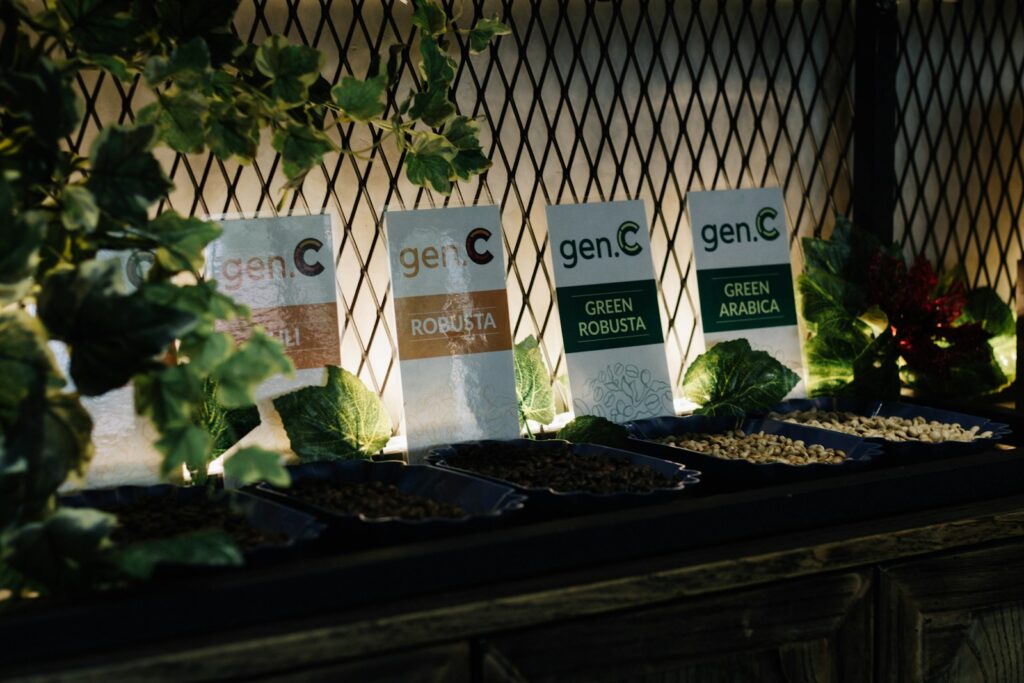
Not all bagged soil is created equal. Many contain fillers like wood chips or peat that don’t do much for your plants.
A quick soil test can reveal if anything important is missing. Even a simple test can make a big difference.
Mixing in your own compost boosts nutrients and supports healthier roots. Your garden will thank you for the extra effort.
Better soil means happier, stronger plants all season long.
Many plants labeled ‘drought-tolerant’ still need consistent watering when newly planted—don’t be fooled!
Seeing “drought-tolerant” on a plant tag sounds like a dream. But these plants still need regular water when they’re just getting started.
Young roots aren’t strong enough to handle dry spells yet. Consistent watering helps them settle in.
Once established, they’ll be much more resilient. For now, don’t skip that watering can.
A little patience in the beginning leads to a low-maintenance garden later.
Garden center staff love plants and can give great advice if you ask specific questions about your space
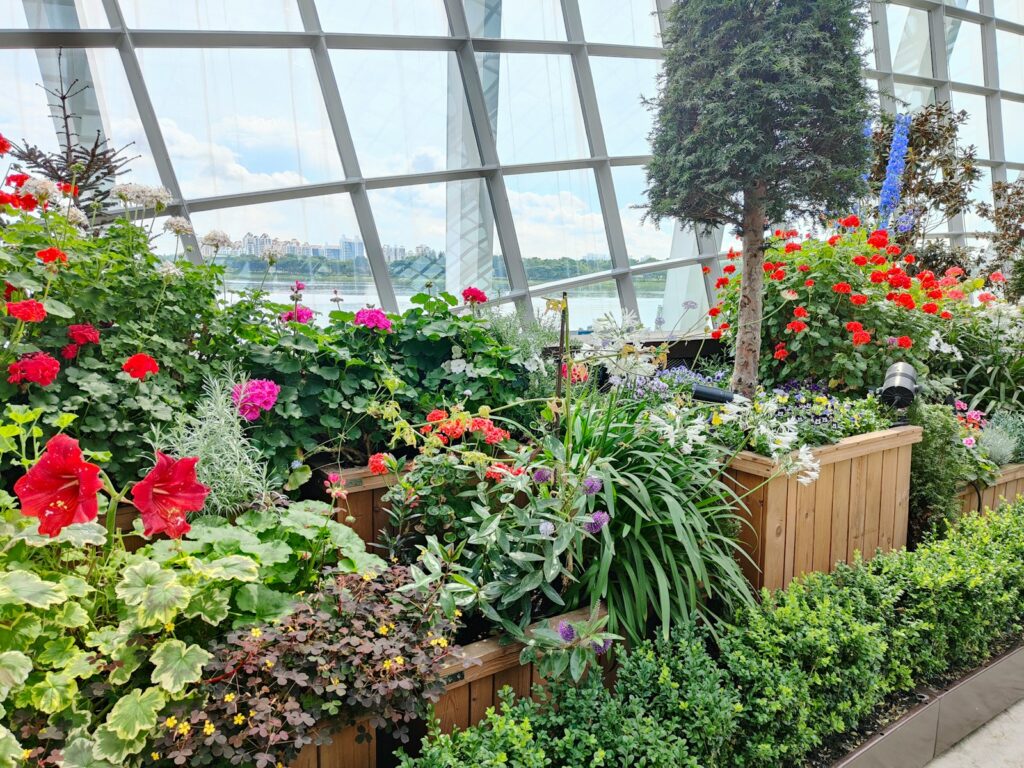
Most staff at garden centers are plant lovers who enjoy sharing their knowledge. They can be a huge help if you ask for advice that fits your space.
Share details like sunlight, soil type, and garden size. The more you tell them, the better their recommendations.
Ask about watering, sunlight needs, or which plants attract pollinators. Staff can help you avoid common mistakes.
Don’t be shy—asking questions can set you up for gardening success.
Seed starting kits sold are often overpriced; you can start seeds cheaply using household items like yogurt cups.
You don’t have to splurge on fancy seed starting kits. Everyday items like yogurt cups or egg cartons work just as well.
Just poke a few holes in the bottom for drainage. They’re perfect for seedlings and cost nothing extra.
A plastic container or bag can act as a mini greenhouse. This keeps moisture in and helps seeds sprout.
Starting seeds this way saves money and makes use of things you already have.
Plants are usually grown indoors or in greenhouses, so acclimate them gradually to outdoor light to prevent shock.

Plants raised indoors or in greenhouses aren’t used to outdoor sun and wind. A sudden move can stress them out.
Start by putting them outside in the shade for a few hours. Gradually increase their time outdoors and exposure to sunlight.
This slow transition helps them adjust and grow stronger. You’ll see better results when it’s time to plant them in the garden.
Taking this step helps your plants avoid shock and thrive in their new home.
Understanding Garden Center Practices
Garden centers have their own ways of encouraging you to buy certain plants or products. Knowing how they arrange displays and set prices can help you make smarter choices.
How Pricing Strategies Affect Beginners
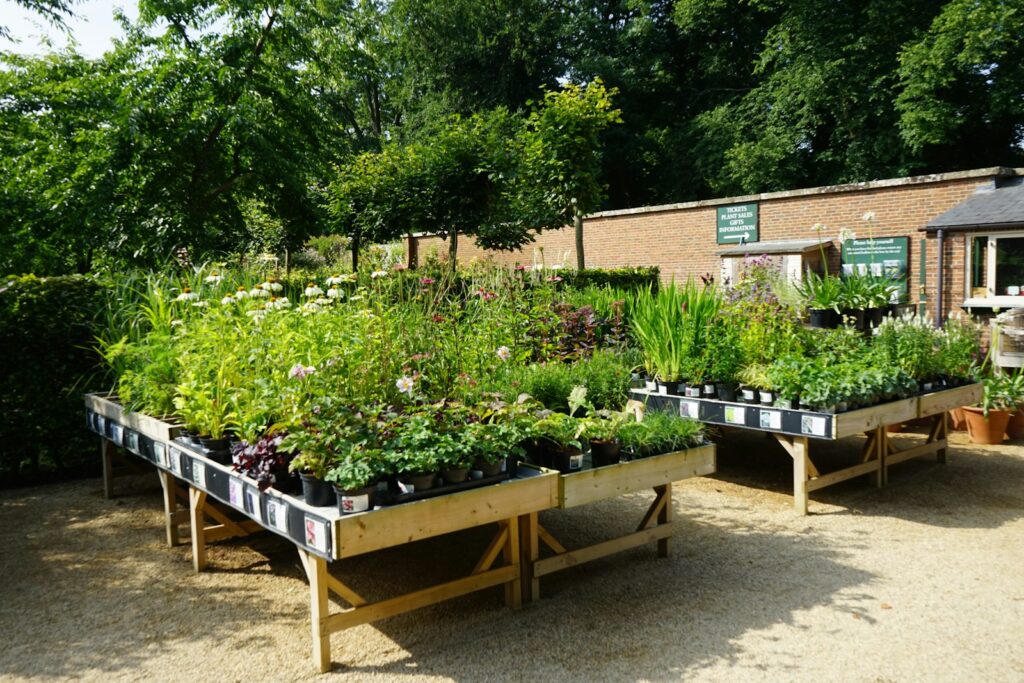
Some plants cost more just because they’re trendy or in season. You might notice small pots with big price tags, even when larger ones aren’t much more.
Look for deals on plants that have been in stock longer. Clearance sections often have healthy plants that just need a little care.
Don’t assume expensive equals better. Trust your instincts and check plant health before buying.
The Role of Product Placement in Your Choices
Plants that are easy to sell or have high profit margins get the best spots in the store. Flashy flowers and trendy varieties are usually up front.
The tools and fertilizers you see nearby are meant to tempt you into adding more to your cart. It’s easy to get distracted by clever displays.
Making a list before you shop helps you focus. Stick to what your garden really needs and don’t let displays sway your decisions.
Maximizing Your Garden Center Experience
Getting the most from your garden center trip is about more than just picking pretty plants. Paying attention to displays and asking good questions can save you time and money.
You don’t have to take every suggestion at face value. Listen to advice, but trust your own judgment too.
Navigating Advice from Staff
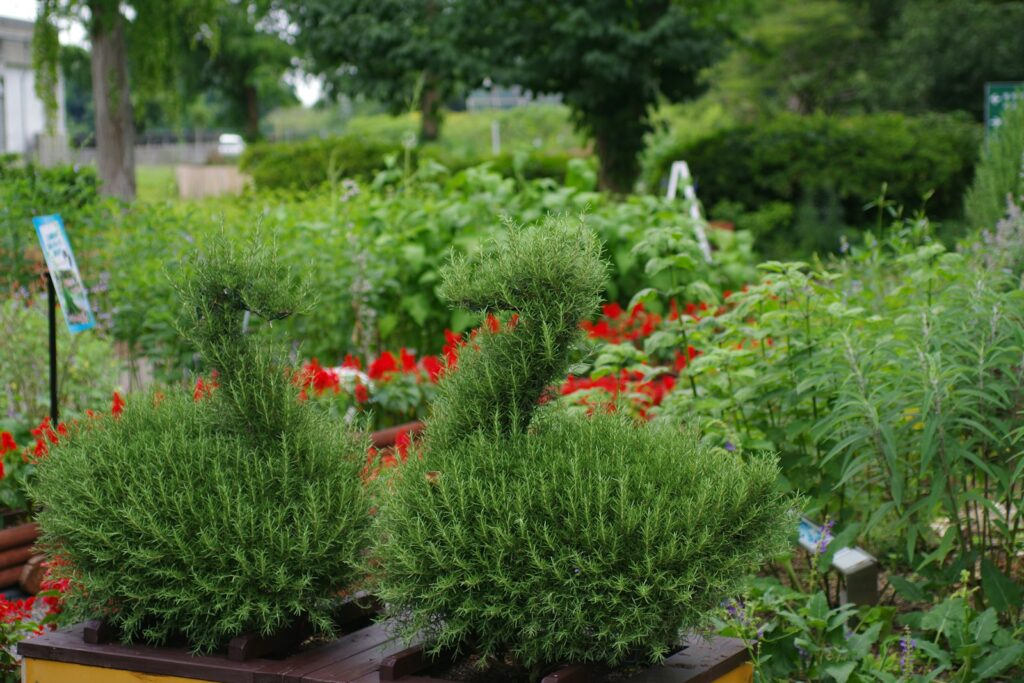
Staff are knowledgeable, but they’re also there to help move products. Ask about a plant’s needs and if it’s right for your space.
If something seems too good to be true, dig deeper. Ask for alternatives or suggestions that fit your experience and garden setup.
Use their expertise as a guide, but remember you know your own garden best.
Identifying Quality Plants Versus Quick Sellers
Ever walked into a nursery and felt overwhelmed by the rows of picture-perfect plants? Some look flawless, while others seem a bit neglected.
Those showy plants might have been treated to catch your eye, but sometimes they don’t do well once you get them home. It helps to know what to look for so you don’t end up disappointed.
Check for strong, firm stems and vibrant green leaves. Plants with brown spots, yellowing, or signs of pests are usually best left behind.
Be cautious with plants already in full bloom. They might have been pushed to flower quickly and could fade soon after you bring them home.
Here’s a quick checklist to help you spot the best plants:
| What to Check | What to Avoid |
|---|---|
| Firm stems | Soft, droopy stems |
| Green leaves | Yellow or brown leaves |
| Well-drained roots | Root-bound or soggy roots |
| Healthy, pest-free | Signs of insects or mold |