10 Garden Layout Ideas That Make Small Yards Look Massive
Wish your tiny yard could feel more like a getaway than a cramped corner? You’re not alone. With a few clever layout tricks, even the smallest outdoor space can become your favorite place to relax.
Use vertical gardens to add lush greenery without taking floor space!
If you’re short on square footage, vertical gardens are a real lifesaver. Grow plants up walls, fences, or even on pallets to get more greenery without losing precious ground.
A plain wall can become a garden full of flowers or herbs. Vertical gardens let you layer plants for a full, inviting look.
They’re perfect for balconies or patios. You can even try growing veggies this way for a fun, space-saving twist.
By using your walls, you free up ground for seating or play. Your yard feels open and lush, not crowded.
Incorporate layered planting with varying heights for depth and interest
Mixing plants of different heights is a simple way to make your yard look bigger. Start with tall trees or shrubs in the back for structure.
Add medium plants in front, then finish with low-growing plants or ground covers at the front edge.
Layering adds depth and keeps your garden looking interesting through every season. Different plants bloom or change color at different times, so there’s always something new to see.
This approach draws your eyes around the space and creates a natural, relaxing flow.
Create curved pathways to guide the eye and make the space feel larger
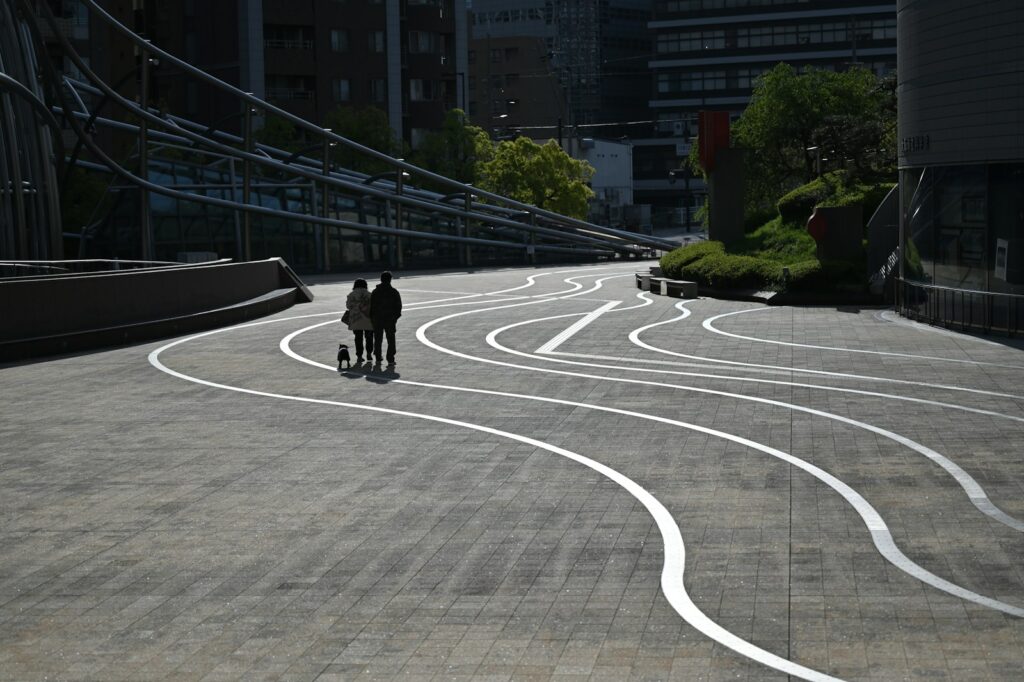
Curved pathways add charm and make your yard feel more spacious. Gentle curves look more natural than straight lines and invite you to wander.
These paths guide your eye and movement, making the garden seem bigger. The curves hide parts of the yard, adding a sense of discovery.
Use stones, bricks, or mulch for your walkway. Plant along the edges to soften the look and blend the path into the garden.
Curved paths help your yard feel calm and full of life, even if it’s small.
Add mirrors strategically to reflect light and expand visual boundaries
Mirrors can work magic in a small yard. Place a large mirror opposite a window or open space to reflect natural light and brighten everything up.
Try mirrors near outdoor lights to bounce the glow around for a cozy vibe. They also help draw your eye beyond the actual space, making the yard feel more expansive.
Reflecting pretty plants or decorations with a mirror hides less attractive spots and gives the illusion of more space. Hanging two mirrors across from each other can create a feeling of endless depth.
Mirrors add sparkle and make your small garden feel like it stretches much farther than it does.
Opt for light-colored fencing or walls to brighten the area
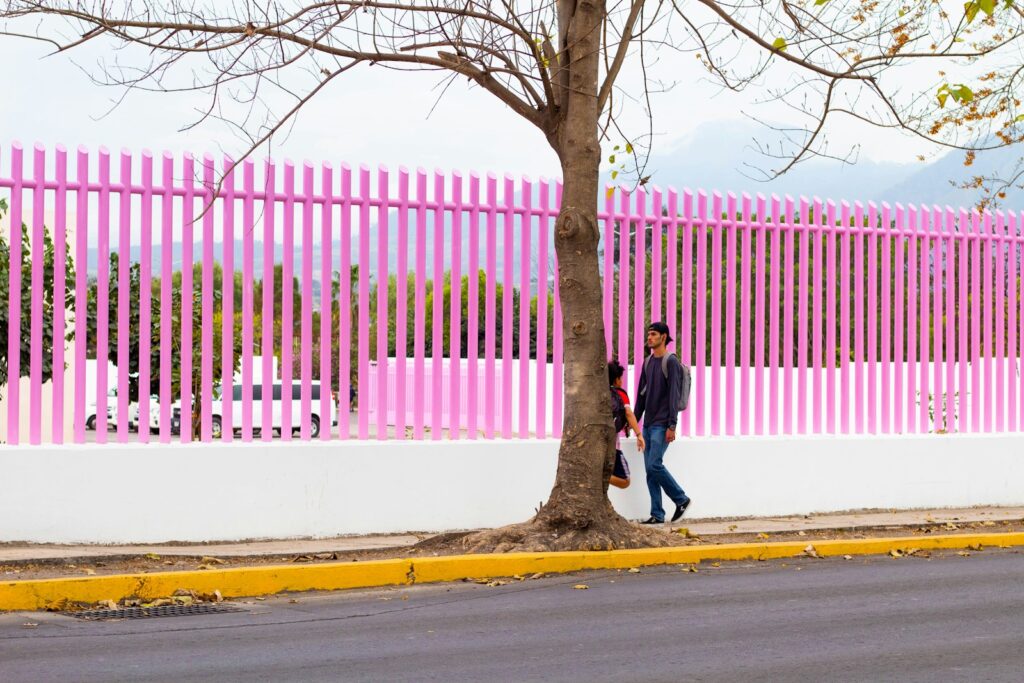
Light colors on fences or walls can totally change how your yard feels. Shades like white, cream, or soft pastels reflect sunlight, making the space feel open.
Painting fences or walls in light colors gives your garden a fresh, clean look. Even small yards feel less cramped with lighter backgrounds.
Light-colored gravel or stone for paths can also brighten the ground. These small touches add up to a more welcoming garden.
Swap out dark barriers for lighter ones and watch your outdoor space become brighter and more inviting.
Use multi-functional furniture that fits neatly and adds comfort
Make every inch count by picking furniture that works double duty. Benches with hidden storage or folding tables help keep things tidy.
Furniture that’s easy to move or stack lets you change things up for gatherings or quiet moments. Fold-flat chairs or ottomans that double as extra seats are especially handy.
Choose comfy cushions and fabrics that don’t take up too much space. When your furniture is both cozy and practical, your yard feels open and relaxing.
These smart choices help your outdoor space stay clutter-free and comfortable.
Plant in geometric patterns to create flow and organization
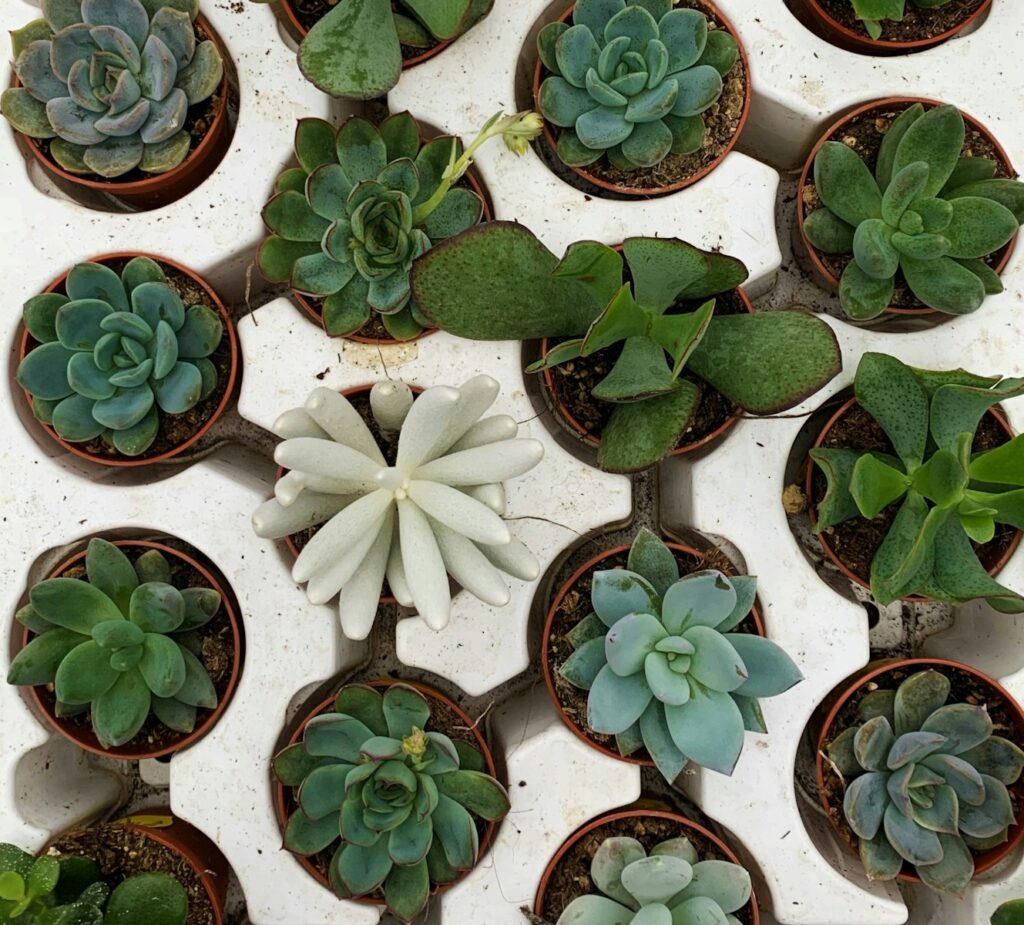
Organize your yard with geometric planting beds. Squares, rectangles, or circles bring order and make the space feel bigger.
Clear shapes naturally create pathways and make it easier to move around. Arranging plants in lines or repeating shapes keeps things neat.
Tall grasses or boxwoods make great living borders for geometric beds. They add structure and style.
This approach connects your whole garden visually, making it feel balanced and spacious.
Integrate raised beds to maximize growing space efficiently
Raised beds let you grow more plants in less space. Use corners, edges, or narrow strips to fit beds where you can.
Soil in raised beds warms up faster, so plants grow earlier and stay healthy longer. It’s also easier to keep weeds and pests under control.
Try fun shapes like rectangles or L-shapes to fit your yard. Raised beds make it easy to reach every plant and keep things tidy.
Stacking or layering plants adds vertical interest and makes your garden feel bigger and more vibrant.
Raised beds help define areas clearly and add height for a more interesting space.
Establish clear zones like dining, relaxing, and planting for structure
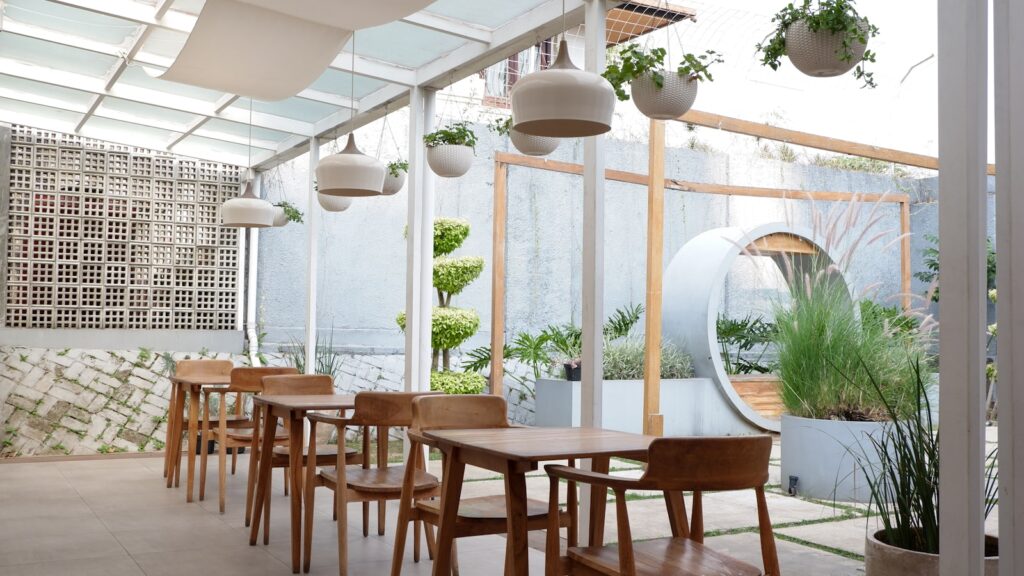
Dividing your yard into zones makes it feel organized and roomy. Think about what you want to do outside and create areas for each activity.
A dining zone could have a small table and chairs for meals or chatting. Set up a relaxing spot nearby with cozy seating or a hammock.
Use containers or raised beds for a planting zone. This keeps your garden tidy and colorful without taking up too much room.
Clear paths between zones help guide your eyes and feet, making the space flow smoothly.
Choose slender trees or tall grasses to add height without bulk
Add height without crowding your yard by picking slender trees or tall grasses. These plants grow up, not out, so they fit small spaces perfectly.
Tall ornamental grasses add texture and movement. They can also create a natural screen for privacy.
Both options draw the eye upward, making your garden feel bigger. Many are low maintenance, so you get style without extra work.
Choosing slim, upright plants helps every part of your yard feel open and lively.
Principles Behind Space-Enhancing Garden Design
The way you design your garden can make even the smallest yard feel open and inviting. Visual tricks and the right plant choices work together to create a bright, airy space.
The Role of Perspective in Small Yards
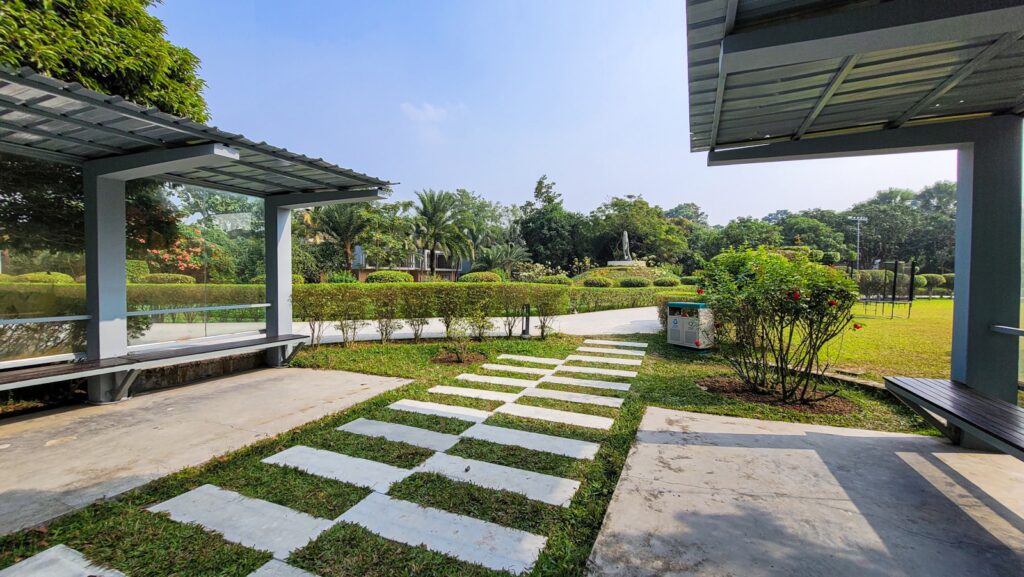
Perspective can stretch your yard visually. Curved paths or focal points add depth and make the space feel larger.
Mirrors or reflective surfaces double the view and open up the area. Layering plants from short to tall adds vertical depth.
Group similar colors and textures for smooth transitions, helping your eye move naturally through the garden.
Use sightline shifts, like placing tall plants behind shorter ones, to build flow and breathing room.
Choosing the Right Plant Varieties for Openness
Pick plants with fine foliage or upright growth to keep sightlines open. Grasses and slender shrubs are great choices.
Use fewer bulky plants and more low-growing or trailing types to create layers without heavy bulk. Plants with light colors or variegated leaves reflect more light and brighten the yard.
Mix plants that serve multiple purposes, like ground-covering flowers or privacy bushes that aren’t too dense.
Common Mistakes That Make Small Gardens Feel Cramped
Sometimes small gardens feel even smaller because of layout choices that block space or add clutter. Where you put plants and decorations, and how you plan your paths, really matters.
Overcrowding Plants and Decor

Packing in too many plants or decorations can make your garden feel chaotic. Your eyes need space to rest.
Space out your plants so each one stands out. Use a mix of heights for interest, but don’t block views.
Too many decorations or pots can take up valuable space. Choose a few focal points and leave open areas for a clean, airy feel.
Less is often more in small gardens.
Ignoring Pathway Placement
Have you ever walked through a small garden and felt boxed in or unsure where to step? Paths that twist too much or feel too narrow can make even the coziest space feel crowded.
Think about making your pathways clear and simple so you can actually enjoy moving through your garden. Paths that are two to three feet wide usually fit well in smaller areas.
A straight or gently curved path can help the garden feel longer and more open. When you keep the layout easy to follow, the whole space feels more welcoming.
Try not to divide your garden into too many little sections. Open sight lines let your eyes move freely and instantly make everything look more spacious.