12 Hard-Working Ground Covers That Replace Grass Beautifully
Lawn care can feel never-ending, especially with all the mowing and watering. If you’re ready for a change, ground covers can give your yard a fresh look and make life a little easier.
These plants bring color and texture, often thriving where grass just won’t grow. They also need less attention, so you have more time to relax and enjoy your outdoor space.
Creeping Thyme: vibrant and drought-resistant!
Creeping thyme adds a splash of color and stands up well to dry conditions. Its tiny flowers attract bees and butterflies, and the light herbal scent is a bonus every time you walk by.
This plant handles drought better than many grasses. It grows low, helps block weeds, and spreads quickly to fill in empty spots.
You can walk on it lightly, making it a good option for paths or play areas. Once established, creeping thyme needs very little care, just an occasional trim.
If you want a lawn alternative that looks good and saves water, creeping thyme is worth considering.
Bugleweed: perfect for shade and foot traffic!
Bugleweed thrives in shady areas and brings a pop of burgundy and green to any dull corner. It lights up those tricky spots where grass refuses to grow.
It can handle some foot traffic, so it works well along garden paths or in areas with occasional walking. Bugleweed spreads fast, so planting barriers can help keep it contained.
With regular watering and a little compost, it stays healthy and green for much of the year. Plus, deer tend to leave it alone.
Mondo Grass: evergreen and tough underfoot!

Mondo grass keeps your yard looking lush with its dense, dark green leaves. It stays fresh year-round, even in the shade.
This plant is sturdy enough for some foot traffic and grows well in both sun and shade. It’s slow-growing, so mowing is rarely needed.
You might spot small lilac flowers in summer and bright blue berries in fall, adding extra interest. Mondo grass is a reliable, low-maintenance choice for any yard.
Snow-in-Summer: bright silvery leaves with no fuss!
Snow-in-Summer brings a silvery shine to your garden with its soft, spreading mat. Its tiny white flowers bloom in late spring, creating a fresh and lively look.
It thrives in full sun and poor soil, so it’s perfect for tough spots. Snow-in-Summer is drought-tolerant and needs very little water.
Growing about six inches tall, it spreads by runners and reseeds itself for easy coverage. It’s simple to plant and adds brightness with almost no effort.
Ajuga: colorful foliage plus beautiful blooms!

Ajuga stands out with its vibrant leaves, ranging from deep purple to green. It spreads quickly and forms a dense carpet that helps keep weeds away.
In spring, Ajuga produces spikes of blue, pink, or white flowers that add a burst of color. It’s tough and easy to care for, thriving in shady spots.
Ajuga works well on slopes or hard-to-mow areas but doesn’t like heavy foot traffic. Pair it with hostas or ferns for a beautiful mix.
Corsican Mint: fragrant and spreads fast!
Corsican mint is a tiny, fragrant plant that forms a soft, green carpet. It stays just 1 to 2 inches tall and spreads up to a foot wide, making it perfect between stones or along paths.
It gently fills in spaces without taking over, and you can walk on it lightly. The strong, refreshing aroma is released when you brush against it, adding another layer of enjoyment.
Corsican mint grows well in moist, fertile soil with part sun or shade. It’s a low-maintenance plant that brings scent and softness to your garden.
Sedum: succulent with stunning drought tolerance!
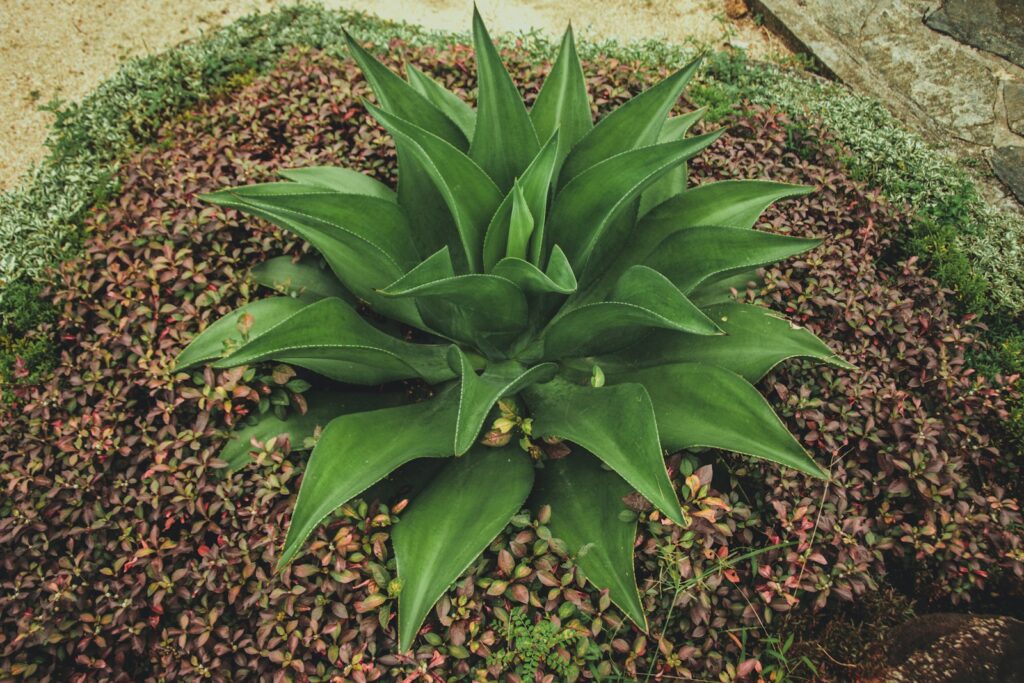
Sedum is a champion for dry, tough spots in your yard. These succulents store water in their thick leaves and stay healthy even when rain is scarce.
Some types spread low to cover ground and prevent erosion, while others add height and texture. Sedum is easy to care for and thrives in poor soil.
Deer and rabbits usually leave sedum alone, and you can mix different types for a lively, colorful look. It’s a smart way to save water and add interest to your landscape.
Sweet Woodruff: ideal for shady spots with delicate flowers!
Sweet woodruff loves shady corners where grass rarely works. It quickly forms a thick, green mat that keeps weeds at bay.
In spring, it produces tiny white flowers and gives off a sweet scent, especially when dried. You can even use the leaves for crafts or sachets.
It’s easy to plant in moist, well-drained soil and doesn’t need much attention after that. Deer and rabbits tend to avoid it, so your plants stay safe.
Creeping Jenny: golden leaves that brighten any area!

Creeping Jenny brings a burst of golden-yellow leaves to areas where grass won’t grow. It spreads fast, creating a glowing carpet that brightens up shady spots.
This plant grows low and trails along the ground, filling gaps and softening hard edges. It’s easy to maintain, just trim it if it starts to spread too much.
In summer, tiny yellow flowers appear for extra charm. Creeping Jenny works well between stones, along paths, or on slopes for a cheerful look.
Blue Star Creeper: a lush, low-growing carpet!
Blue Star Creeper creates a soft, green carpet that’s perfect for filling spaces between stones or covering bare patches. Its tiny leaves spread quickly, giving your yard a fresh, full look.
In spring, you’ll see small, star-shaped blue flowers that last through summer and into early fall. These blooms add a gentle splash of color along pathways or borders.
It’s tough enough for moderate foot traffic and works well in rock gardens or containers. Blue Star Creeper brings a lively, inviting feel to your garden.
Mazus: fast-spreading with tiny purple flowers!

Mazus is a fast-spreading ground cover that forms a thick mat of green leaves. It stays low, making it perfect for spots under trees or between stepping stones.
In late spring and summer, Mazus blooms with small purple flowers that brighten your garden. The clusters create a soft, lovely look across the ground.
It stays green for much of the year, especially in warmer climates. If it gets too tall, you can mow it lightly to keep it neat.
Lamium: variegated leaves and great shade cover!
Lamium brightens up shady areas with its silver and green variegated leaves. It forms a dense mat, covering bare soil and making weeding easier.
This plant stays low and spreads wide, bringing color to places where grass doesn’t thrive. In spring, Lamium produces small purple, pink, or white flowers that stand out against the foliage.
It grows well in partial to full shade and prefers well-drained soil. Lamium is easy to care for and a great choice for tricky, shady spots.
Benefits of Hard-Working Ground Covers
Ground covers save time and water while keeping your yard looking great. They help control weeds, prevent soil erosion, and add lush greenery without the usual lawn chores.
Low Maintenance Appeal

Tired of spending your weekends mowing and watering? Ground covers might be the answer you’ve been looking for.
These plants grow close to the soil and quickly spread out, which means fewer bare spots and less hassle with reseeding. Many types naturally resist weeds, so you won’t be constantly pulling up unwanted plants.
Ground covers like creeping thyme or moss need very little care once established. You get a tidy, full yard without the constant upkeep of a traditional lawn.
That means more time relaxing outdoors and less time working on your yard.
Water-Saving Advantages
If you’re looking to cut down on water use, ground covers can help. Most options need less water than grass, and many are drought-tolerant.
Plants like sedum and creeping juniper thrive with minimal irrigation. They help keep soil moist by shielding it from direct sunlight and wind.
This natural water-saving quality is perfect for areas with water restrictions or for anyone wanting a more eco-friendly yard.
Year-Round Visual Interest

Ground covers can keep your yard looking lively no matter the season. Many types stay green all winter, while others bloom at different times throughout the year.
There’s a huge variety to choose from, so you can pick plants that suit your style and your yard’s light. Some offer bright flowers, others have interesting textures or shades of green.
Your yard can look fresh and inviting every day, without much work on your part.
Tips for Successful Ground Cover Installation
Ready to try ground covers? A little planning and prep will help your new plants thrive.
Site Preparation Basics

Start by clearing away weeds, rocks, and debris. This gives your plants a healthy place to grow.
Loosen the soil to a depth of about 4 to 6 inches so roots can spread easily. If possible, test your soil to check pH and nutrients.
Add compost or fertilizer as needed, especially if your soil is lacking. Most ground covers prefer soil that drains well, so fix any drainage issues now.
Create gentle mounds or keep beds flat, depending on your yard’s shape. When planting, space your ground covers 6 to 12 inches apart to help them fill in quickly.
Choosing the Right Plant for Your Space
Think about how much sun your yard gets. Some ground covers need lots of sunlight, while others do better in shade.
Consider whether the area will get lots of foot traffic. For busy spots, choose sturdy options like creeping thyme or beach strawberry.
For quieter corners, you can go with softer plants that have pretty flowers or leaves. Also, check how much water your chosen plants will need and make sure they’ll have enough space as they grow.
Long-Term Care and Maintenance

Getting ground covers established takes a little patience and some regular care. In the beginning, water your new plants often to help them settle in.
Once they have adjusted, most ground covers are pretty low-maintenance and only need occasional watering. Mulching around your plants helps the soil stay moist and makes it harder for weeds to take over.
Mulch also keeps the temperature of the soil more consistent, which encourages healthy root growth. Keep an eye out for pests and diseases, especially in the first year.
If you spot weeds, pull them by hand before they get out of control. Most ground covers will not need much pruning, but trimming back any overgrown areas in spring can keep things looking tidy and encourage new growth.