7 Pruning Mistakes That Ruin Plants
Ever looked at your plants after a trim and wondered why they aren’t bouncing back? Pruning can be a game-changer for a beautiful, healthy garden, but it’s surprisingly easy to make mistakes that set your plants back.
A few wrong snips can mean fewer flowers, stunted growth, or even sickly plants. If you want your garden to thrive, knowing what not to do is just as important as learning how to prune.
Pruning at the wrong time of year
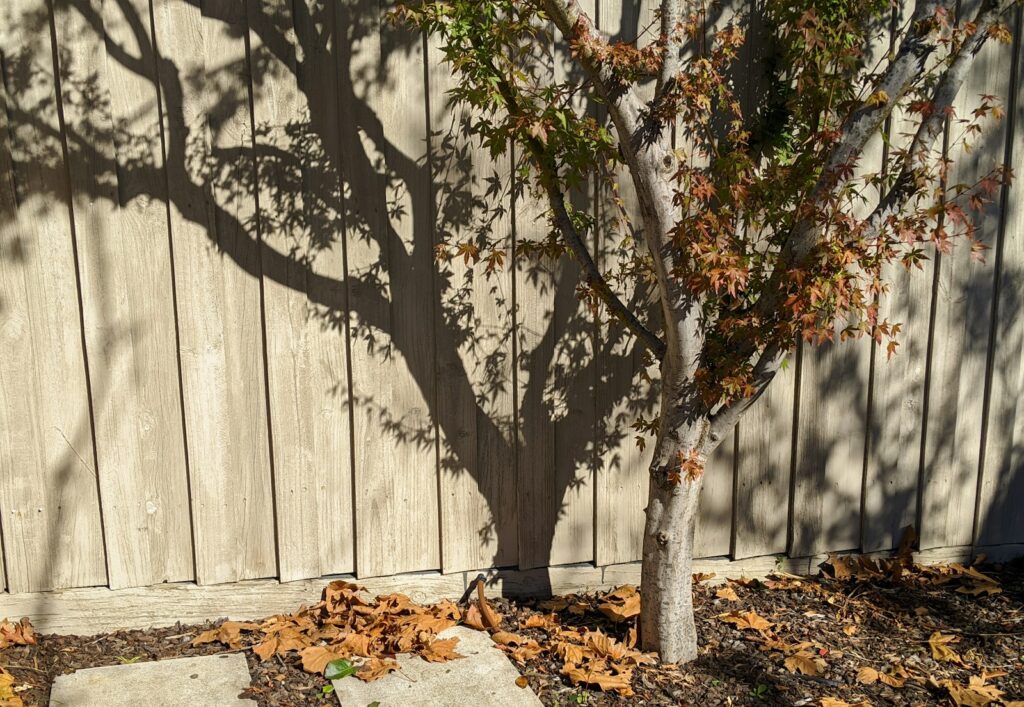
Pruning at the wrong moment can really mess with your plant’s growth and blooms. If you cut too early, you might remove buds that would have turned into flowers.
For plants like lilacs and azaleas, it’s best to wait until after the flowers drop before you start snipping. Pruning right after flowering gives the plant time to recover and prepare for next year.
Late winter is also a good time for shaping without losing buds. Every plant has its own schedule, so take a little time to learn when yours prefers a haircut.
Cutting too close to the main stem
Snipping branches right up against the main stem can cause more harm than you might think. The wounds often don’t heal well, leaving the plant open to disease and pests.
It’s better to leave a small stub just outside the main stem. This helps the plant close up the cut and defend itself naturally.
Cutting too close can slow new growth or even kill off parts of your plant. Take a second look before making that cut, and give your plant a better chance to heal.
Removing too many branches at once
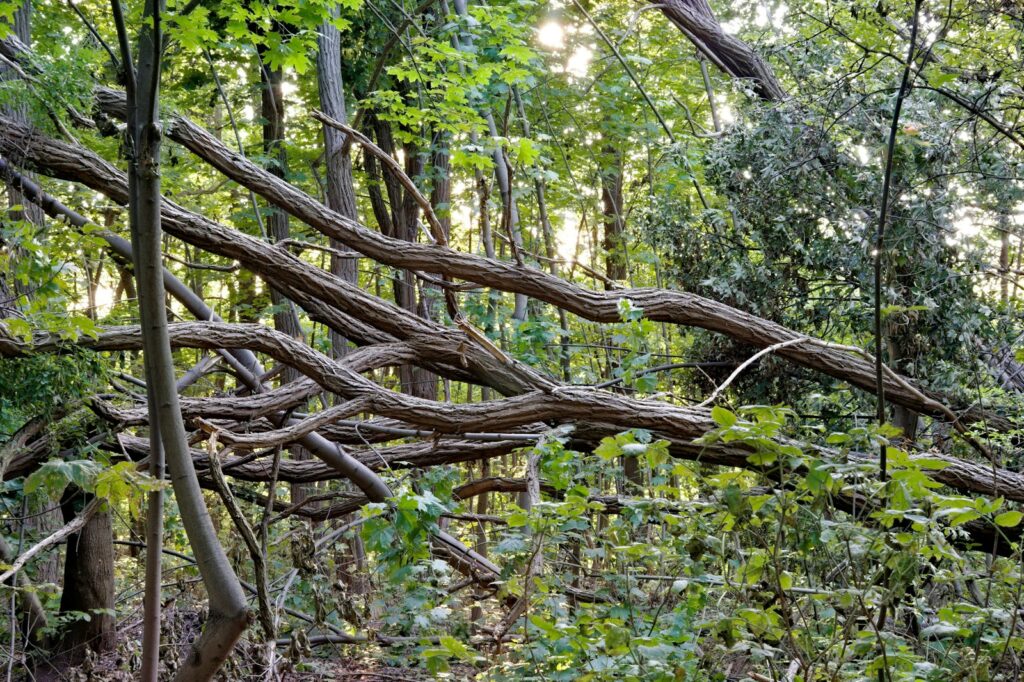
It’s tempting to go all-in and cut a bunch of branches in one go, hoping for a quick transformation. But taking off too much at once can shock your plant.
Your plant relies on its leaves to make food and stay strong. Losing too many at once weakens it and slows down its recovery.
Stick to trimming dead or damaged branches. Small, thoughtful cuts keep your plant healthy and full of life.
Using dull or dirty tools
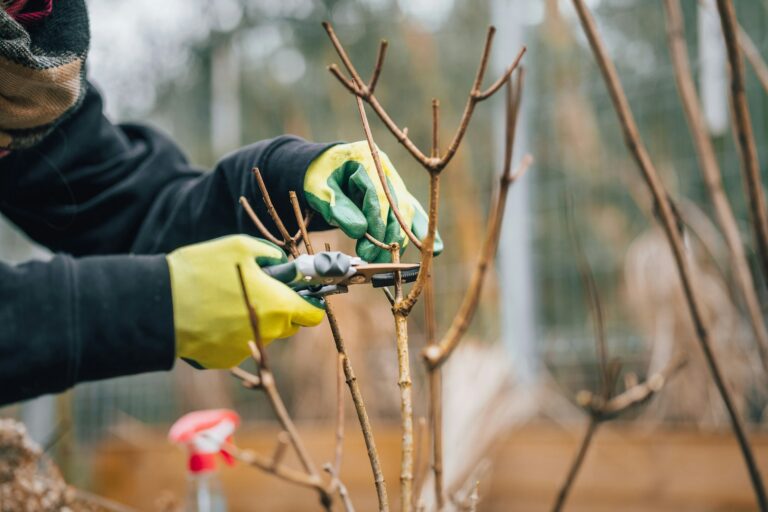
Dull blades tear instead of cutting cleanly, leaving ragged wounds that heal slowly. Dirty tools can carry diseases from plant to plant, risking infections.
Sharpen your pruners before you start, and give them a good wipe with alcohol or disinfectant. Clean, sharp tools make a world of difference.
Different tools work better for different jobs. Bypass pruners are great for live stems, while anvil pruners handle dead wood better.
Leaving large pruning wounds unsealed
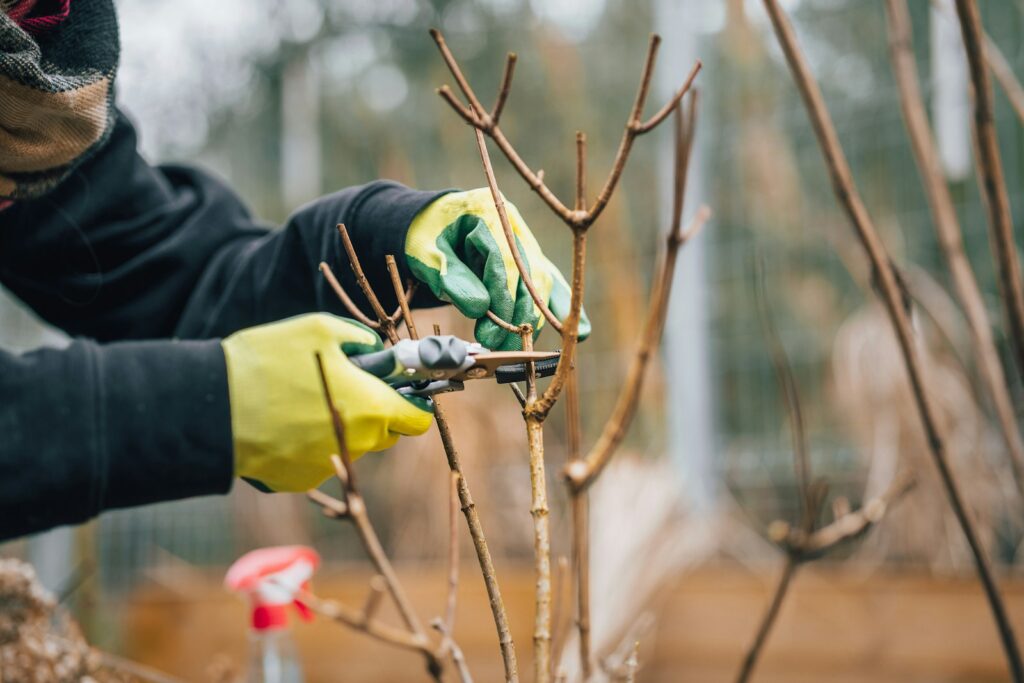
Big pruning cuts can invite trouble if left open. Pests and diseases love to sneak in through these wounds.
Some plants benefit from a quick dab of wound sealer, especially on larger cuts. This simple step can keep bugs and fungus at bay.
Unsealed wounds can either dry out and crack or stay wet and rot. Neither is good for your plant’s health.
Ignoring plant-specific pruning needs
Every plant has its own preferences when it comes to pruning. What works for a rose bush might not work for a hydrangea.
Some plants bloom on old wood, so pruning at the wrong time means fewer flowers next year. Others need shaping at specific times to stay healthy.
Understanding your plant’s natural growth habits helps you make smarter cuts. A little research goes a long way toward keeping your garden looking its best.
Over-pruning which drains energy

Taking off too many leaves and branches at once can drain your plant’s energy reserves. Leaves are where the magic happens, turning sunlight into food.
Without enough leaves, your plant struggles to make energy and may get sick more easily. Healing from too much pruning uses up what little energy it has left.
Instead, prune in small steps. Your plant will recover faster and stay lush and vibrant.
Why Proper Pruning Techniques Matter
Using the right techniques helps your plants bounce back stronger and keeps them looking their best. Pruning properly protects plants from sickness and encourages balanced growth.
When you make careful cuts at the right time, your plant heals quickly and is less likely to attract pests. Over-pruning or cutting in the wrong spot can leave it weak and struggling.
Sharp, clean tools and a little know-how can prevent common issues like rot, awkward shapes, and slow growth. Paying attention to your plant’s needs makes a big difference.
How to Recover Plants After Pruning Mistakes
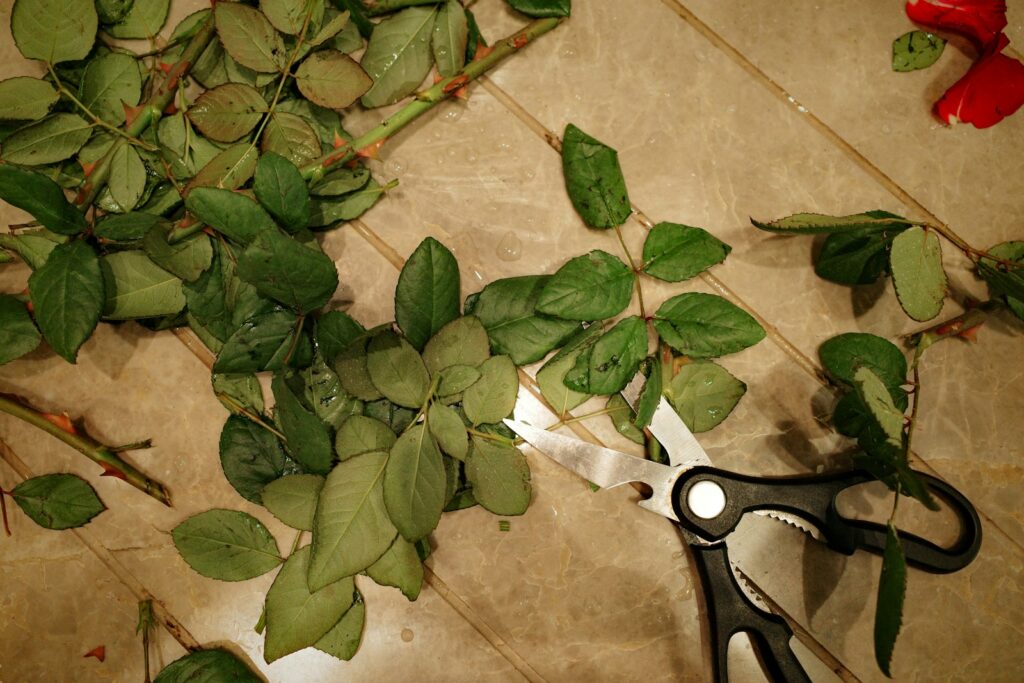
Don’t panic if you’ve gone a little overboard with the pruners. Plants are resilient, and a few quick actions can help them get back on track.
Start by cleaning your tools to stop any spread of disease. Check your plant for damaged or torn branches and remove them carefully.
If you made cuts too close or left big wounds, consider applying a sealant if your plant species benefits from it. Give your plant a deep watering, but don’t overdo it.
Try to keep the plant out of harsh sun and wind while it recovers. With a little care, your plant will bounce back and reward you with new, healthy growth.
Long-Term Care Strategies
After pruning, your plant needs time and support to bounce back. Wait about two weeks before using a balanced fertilizer so you do not harm the new, delicate growth.
Spread mulch around the base to help the soil stay moist and cool. This step makes a big difference for root health.
Keep an eye out for pests or signs of disease. Plants can be more vulnerable when they are recovering.
Water regularly, but let the top layer of soil dry out between waterings. This helps prevent overwatering and root rot.
Be patient as you watch for new growth. Sometimes it takes a few months for your plant to look healthy again.
Once you see strong new shoots, you can prune again to shape your plant and encourage even more growth.