7 Things You Should Never Do After It Rains
Ever notice how different your yard feels right after a downpour? While rain can be a relief, it also brings some hidden challenges for your outdoor space. It’s easy to make mistakes in those first few hours, and a little know-how can save you from extra work down the road.
If you want your garden and lawn to bounce back after rain, there are a few things you should avoid. Let’s break down what not to do so you can keep your outdoor spaces in great shape.
Mowing wet grass? It’s a quick way to mess up your lawn and mower
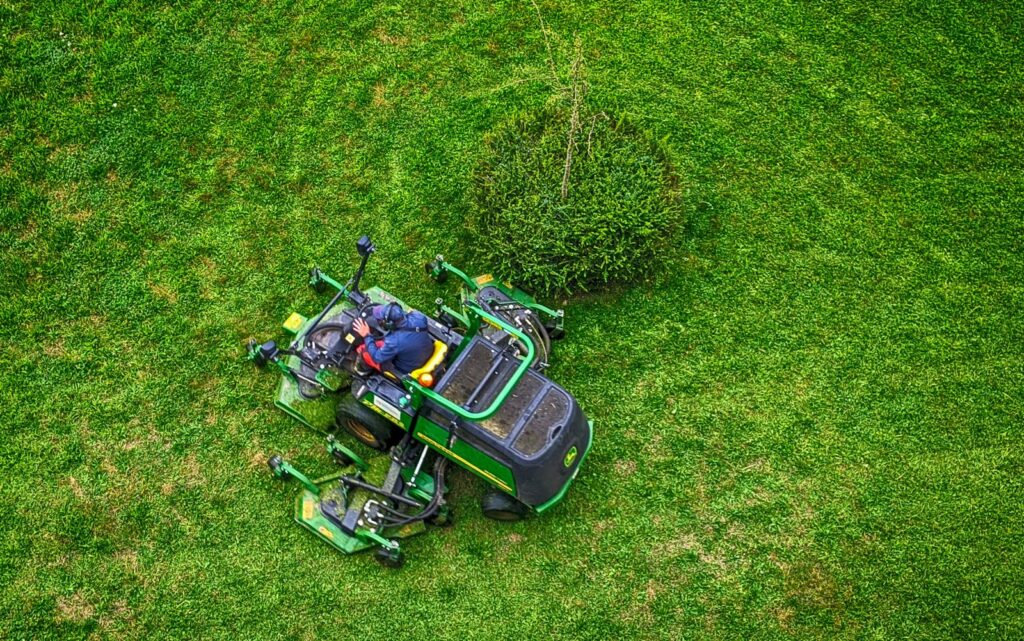
It can be tempting to mow right after rain to keep things tidy. But wet grass sticks to mower blades, clogs the chute, and makes the motor work harder.
Cutting wet blades also leaves your lawn looking patchy and uneven. Moist grass is more likely to spread diseases since fungi and bacteria thrive in damp conditions.
Mowing on soggy ground compacts the soil, making it tough for roots to breathe and grow. This leads to a weaker, more problem-prone lawn.
Waiting for dry grass makes mowing easier and healthier for your yard. Give it a little time and you’ll notice a big difference.
Walking on soggy soil? That’s tough on your plants’ roots
Stepping on wet soil squishes the particles together, squeezing out the air pockets roots need. Without enough air, roots struggle to grow and stay healthy.
Compacted soil also stops water from soaking in properly. You might see puddles or water running off, leaving your plants thirsty even after a rain.
Try to stick to paths or stepping stones after it rains. Keeping off the soft soil helps your plants get the air and water they need.
Applying fertilizer right away? You’re just washing money down the drain

It might seem smart to fertilize when the soil is wet, but heavy rain can wash nutrients away before your plants get a chance to use them. That means wasted fertilizer and a lawn that misses out on what it needs.
Light rain can help fertilizer absorb, but too much water does the opposite. You end up with runoff instead of healthy growth.
Wait until the ground is damp but not soggy before you fertilize. This way, your efforts pay off and your lawn gets the most benefit.
Pruning wet plants? That’s an open invitation for disease
Pruning just after it rains makes it easy for bacteria and fungi to sneak into fresh cuts. Wet conditions slow down healing, giving disease more time to set in.
Using tools on wet plants can also spread infections from one plant to another. It’s safer to wait at least two days for everything to dry out.
Plan your pruning for dry days. Your plants will bounce back faster and stay healthier.
Watering your garden again? Your plants are already soaked
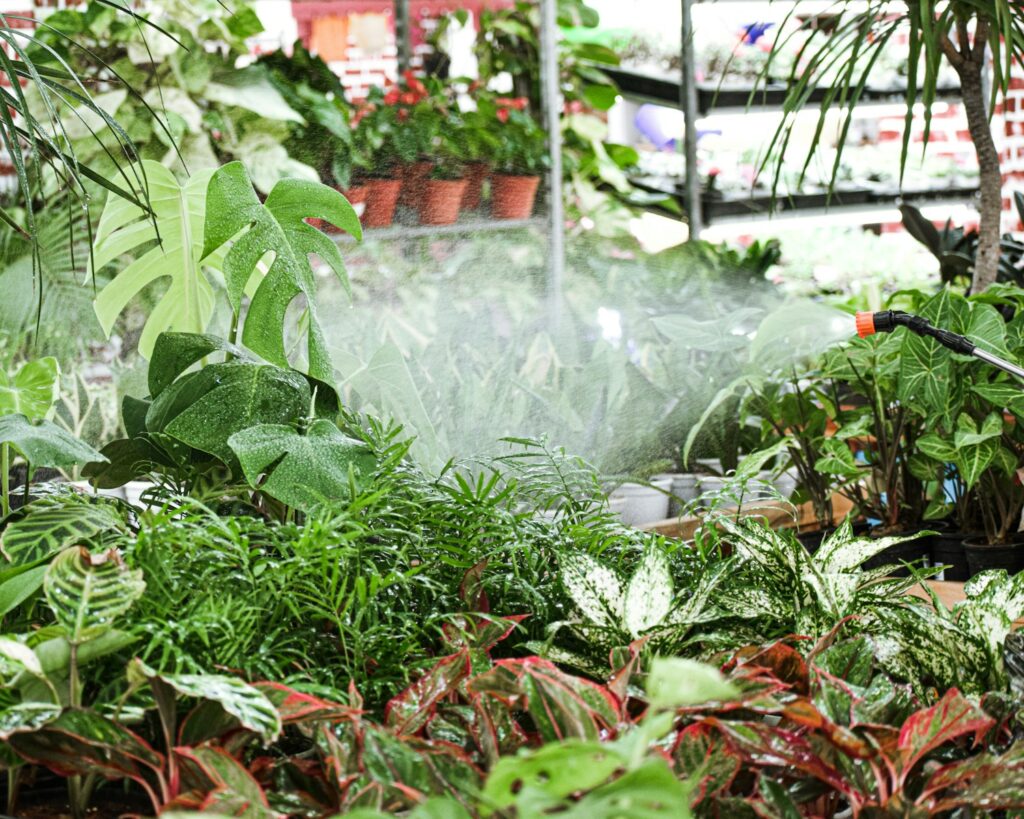
After a rain, your garden probably has all the moisture it needs for a while. Adding more water too soon can drown the roots and lead to rot.
Check the soil before reaching for the hose. If it’s still damp a few inches down, hold off on watering.
Only water if the rain was light or if a few days have passed without more showers. Your plants will do better with the right balance.
Using weed killers after rain? You’re wasting your effort
Spraying weed killer on wet leaves means it can wash off or get diluted before it works. If it rains again soon after, the effect drops even more.
Wait until everything is dry before using weed killers. This helps the product stick and do its job, saving you time and money.
Keep an eye on the weather and spray only when you’re sure the leaves will stay dry for a while.
Planting new seeds in soaked soil? They may never sprout
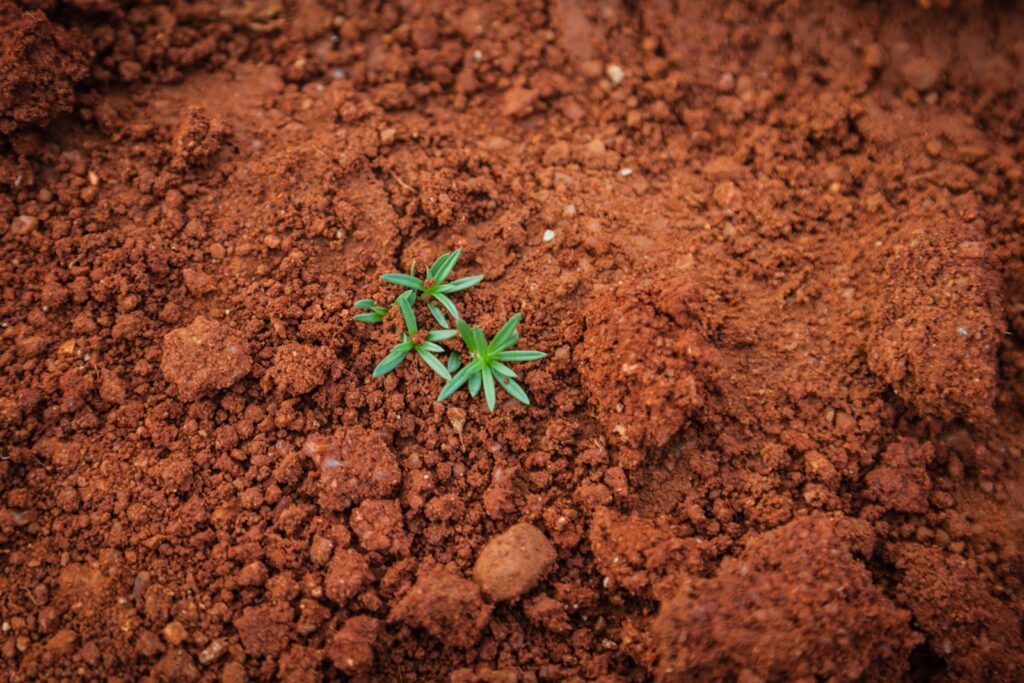
It’s tempting to plant right after rain, but soggy soil can cause seeds to rot or wash away. Seeds need air as well as moisture to sprout.
Heavy rain can also compact the soil, making it tough for roots to break through. Your hard work could disappear if the seeds float off or can’t grow.
Wait a couple of days for the soil to dry out a bit. This gives your seeds the best chance to settle in and grow strong.
Watch Out for Hidden Risks After Rain
Rain might make everything look fresh, but it can leave behind some sneaky hazards. Bad water, pollution, and health risks can show up without warning.
Rainwater often carries dirt and chemicals from streets into rivers and lakes. This runoff can pollute places you visit, like parks or beaches.
Overflowing gutters and clogged drains can lead to flooding around your home. Keeping an eye on drainage can help you avoid costly damage.
After rain, bacteria and germs can be stirred up in the environment. Swimming or playing in water right after a storm raises your risk of getting sick.
Standing water attracts mosquitoes and encourages mold growth indoors. Drying out wet spots quickly helps keep your home and family healthy.
Everyday Life Looks Different After Rain
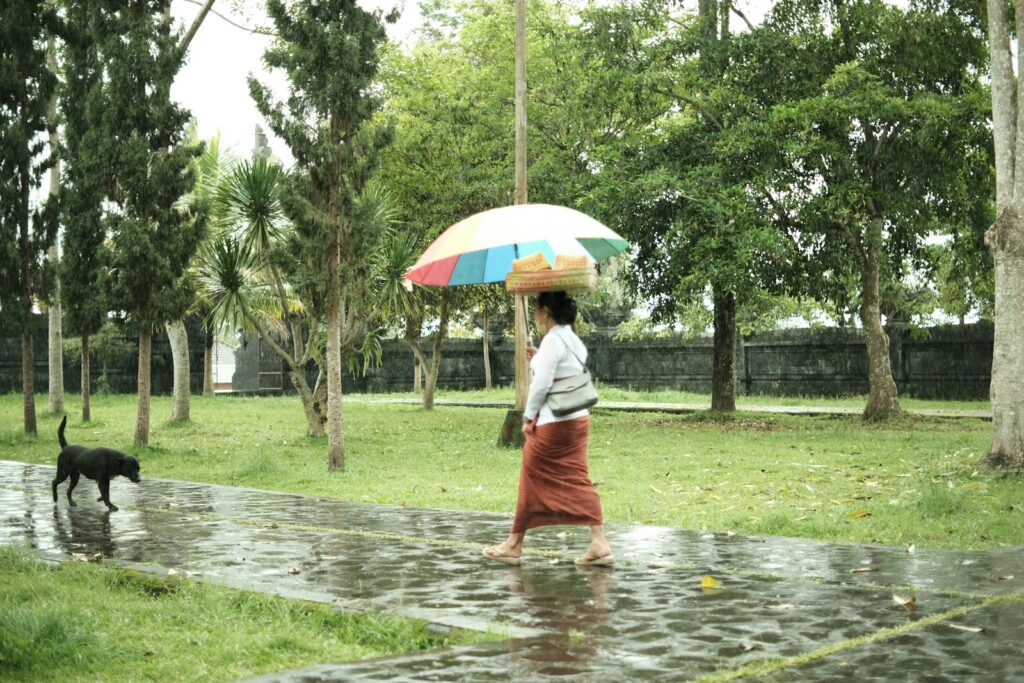
Rain changes the way you go about your day, especially outdoors. Roads can get slick, and puddles might hide potholes or debris.
Drive slower and leave more space between cars to avoid accidents. Wet brakes might take longer to stop, so test them gently after driving through water.
The first few minutes of rain are often the most dangerous on the road. Oil mixes with water, creating extra slippery spots.
Turn on your headlights and avoid sudden moves to stay safe. Small adjustments can make a big difference after a storm.
Yard Work Considerations
When the rain stops, your yard can feel like a sponge under your feet. The ground is extra soft and needs some time to recover.
Stepping or mowing on wet soil can leave behind ruts and pack the earth down. This can make it tough for grass roots to breathe and grow.
Take a walk around and look for puddles in low areas. These spots can cause trouble for your plants or become a hangout for pests.
If you find standing water, it might be time to think about improving drainage. Fixing these problems now can save you headaches later.
While you wait for things to dry out, try clearing away sticks and leaves. You can also check those wet spots to see if they need more attention.
Giving your yard a little extra care after a rain makes a big difference in how healthy it stays.