12 Container Plants That Thrive All Season To Brighten Your Home Year-Round
If you’ve ever wished for a little extra color or greenery at home, container plants are a simple way to get started. You don’t need a big backyard to enjoy fresh blooms and lush leaves.
Containers fit on balconies, patios, and even windowsills. Picking the right plants is key to keeping your space looking lively without a lot of fuss.
Lavender
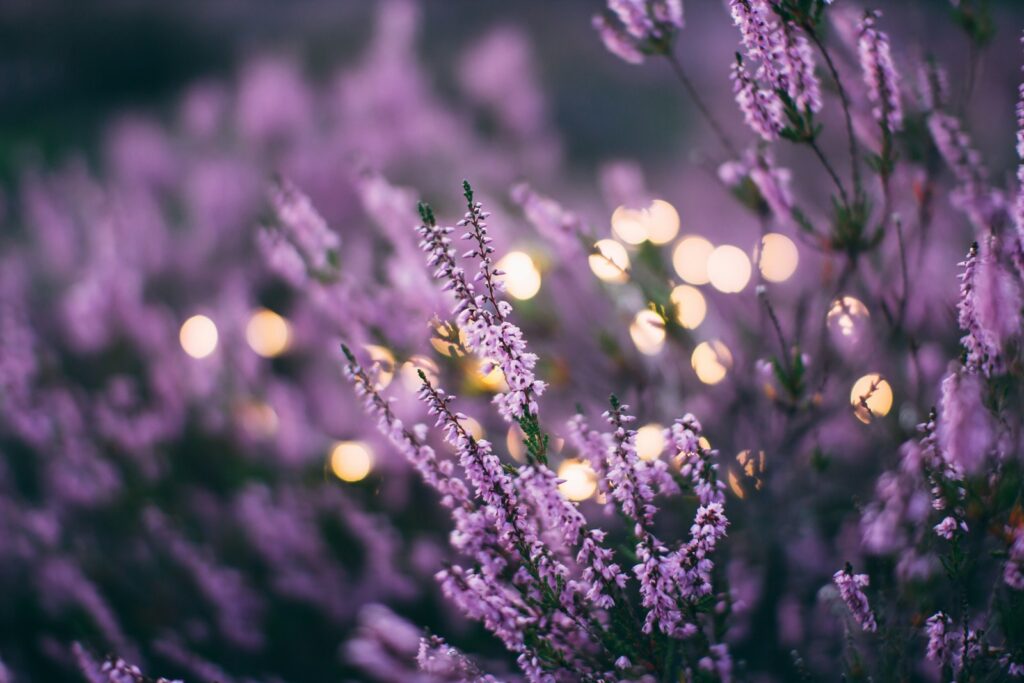
Lavender is a favorite for its calming scent and soft, colorful blooms. It’s a great choice for small spaces and brings a fresh touch all year.
You can choose from types like English lavender, which stays compact, or French lavender with its bright flowers. Both are easy to fit into pots on patios or balconies.
Lavender thrives in full sun and well-draining soil. Pruning helps keep the plant neat and encourages more blooms.
Avoid overwatering to keep the roots healthy. Lavender adds a classic, fragrant charm to any container garden.
Boxwood
Boxwood is a classic option if you want greenery all year. Its tidy, evergreen leaves give your space a polished look.
Shape it into neat forms or let it grow naturally for a more relaxed vibe. Boxwoods grow slowly and don’t need much maintenance.
Choose a pot size that matches your plant. Smaller boxwoods fit in 12 to 14 inch containers, while larger ones need bigger pots.
Boxwood looks great by doorways, on patios, or grouped together. With basic care, you’ll enjoy lasting structure and color.
Heuchera
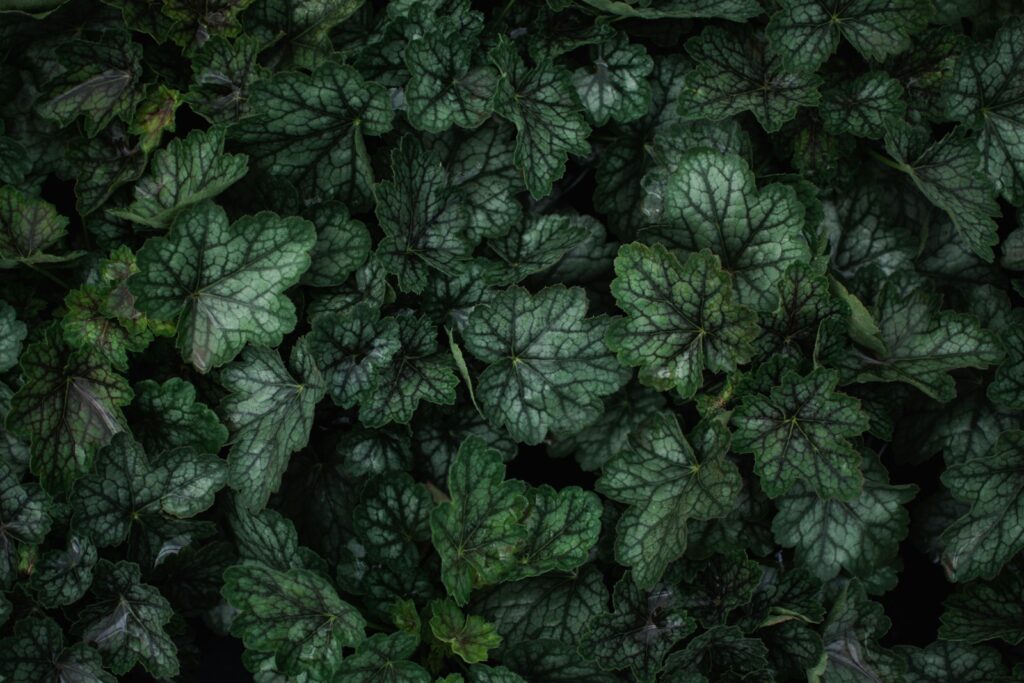
Heuchera brings a splash of color with its vibrant leaves in shades like purple, lime green, and caramel. These plants are perfect for adding interest to shady spots.
Coral bells, as they’re also called, thrive in part shade or full shade. Their foliage stays bright from spring through fall.
Heuchera’s bell-shaped flowers are a nice bonus, but most people grow them for the leaves. They don’t need much space and fill out small containers nicely.
Mix them with other shade-loving plants for a full, lively look. Heuchera is a cheerful, low-maintenance choice.
Hellebore
Hellebores are a top pick if you want color during the colder months. They bloom in late winter or early spring, just when you need a little lift.
Their flowers come in shades of white, pink, maroon, and green. Hellebores are tough and can handle cold weather and even snow.
These plants prefer well-drained soil and don’t like too much water. Their evergreen leaves keep containers looking full, even when not in bloom.
Hellebores are great for shady spots where other plants might not do well. They bring winter beauty without much effort.
Sedum
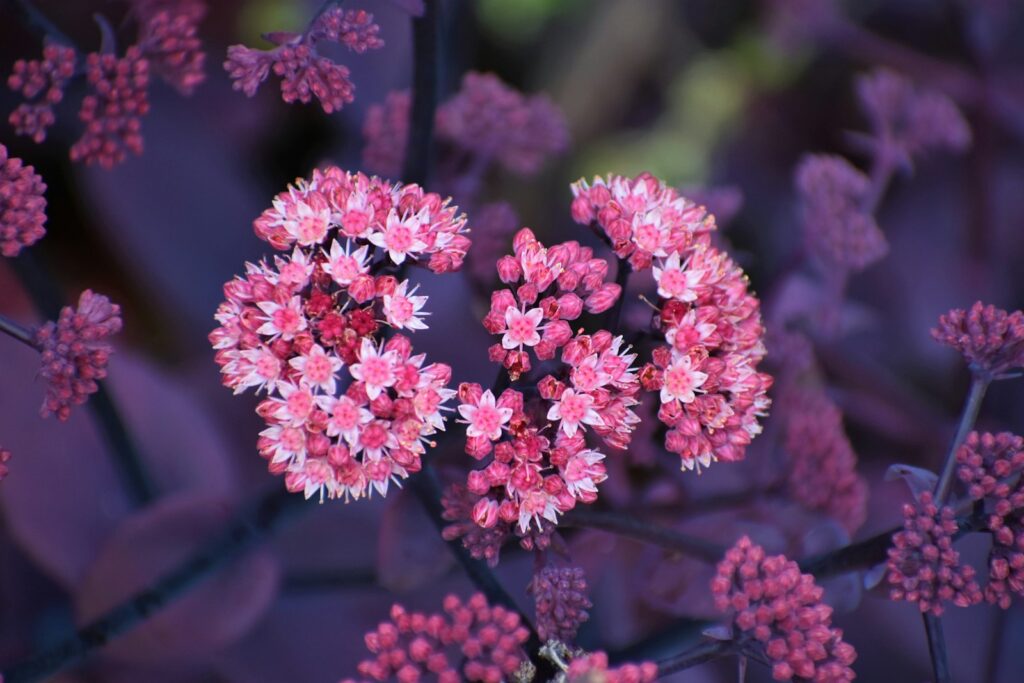
Sedum is a go-to if you love easy-care plants that don’t mind a little neglect. It’s drought-tolerant and comes in a variety of shapes and colors.
Some sedums spread out, while others grow upright. Their leaves can be green, blue-green, or reddish, adding texture to your pots.
Sedum blooms from midsummer to autumn, attracting butterflies and bees. It thrives in full sun and needs only occasional watering.
If you want a plant that stays bright and lively with little care, sedum is a smart choice.
Ferns
Ferns bring a lush, soft look to shady spots. Their feathery leaves add movement and life where the sun doesn’t always reach.
They do best in moist soil and appreciate regular watering. Mist the leaves now and then to keep them looking fresh.
Some ferns, like autumn fern, have bronze-tinted new leaves for extra interest. Their compact roots fit easily into small containers.
Pair ferns with other shade lovers to create a rich, green corner. They’re easy to care for and stay attractive all year.
Hydrangea
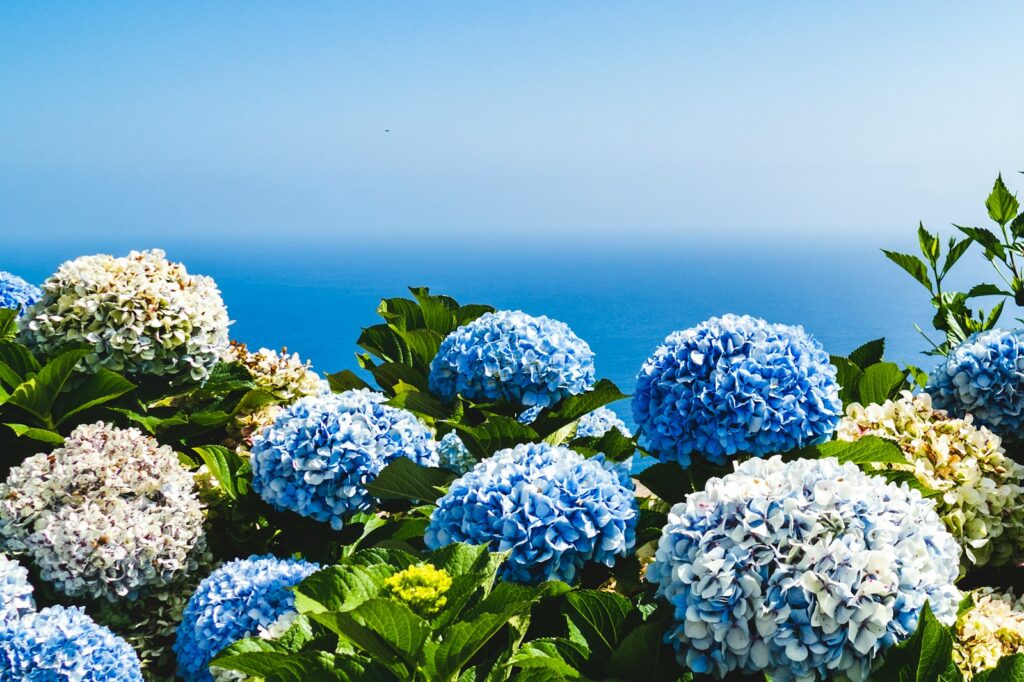
Hydrangeas are known for their big, showy blooms that last all season. Even if you don’t have a yard, you can enjoy their beauty in a pot.
Pick a roomy container with good drainage to keep your hydrangea happy. They like morning sun and some afternoon shade.
Hydrangeas need regular moisture, so check the soil often. Mulching helps keep the roots cool and moist.
With a little care, your hydrangea will become a colorful centerpiece on your porch or balcony.
Japanese Maple
Japanese maples offer striking foliage that changes color with the seasons. Their leaves can turn red, orange, pink, or cream, making them a standout in any container.
Many varieties stay compact, so they’re easy to grow on patios or balconies. The delicate leaves give a soft, elegant look.
Japanese maples need a spot with some shade and regular watering. Protect them from harsh winds for best results.
Try varieties like Bloodgood or Geisha Gone Wild for rich color and manageable size. They help your outdoor space feel cozy and vibrant.
Cyclamen
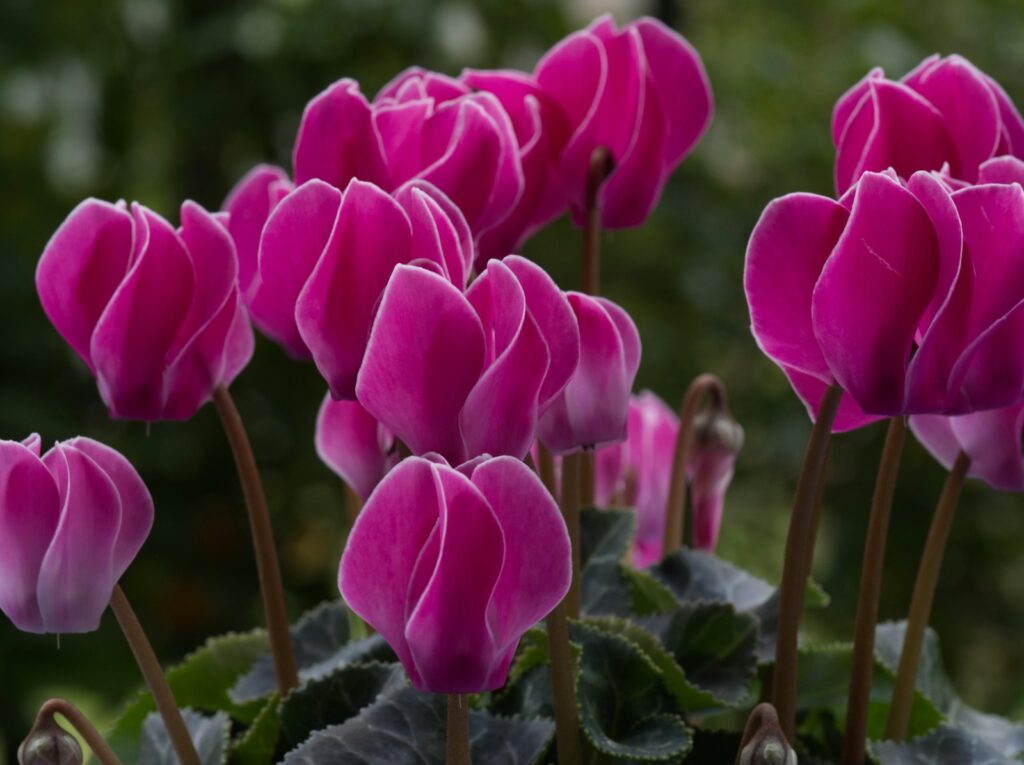
Cyclamen brings a burst of color to your containers during winter. Their blooms come in pink, red, white, and purple, brightening up chilly days.
These plants thrive in cool temperatures and indirect light. Their heart-shaped leaves often have silver patterns for extra charm.
Water cyclamen lightly and let the soil dry between waterings. They fit nicely on porches, patios, or even inside by a window.
Cyclamen makes a cheerful winter addition or a festive gift.
Ornamental Kale
Ornamental kale is the answer when you want color after most flowers are gone. Its ruffled leaves show off shades of purple, pink, and green.
This plant loves cold weather and can handle frost and even light snow. Cooler temperatures make its colors even brighter.
Ornamental kale grows well in sun or part shade and doesn’t need much attention. Use it in borders, mixed pots, or as a seasonal display.
It’s a durable way to keep your containers looking fresh into early winter.
Heather

Heather is a tough plant that keeps your containers colorful through winter. Its small flowers in pink, purple, or white brighten up gray days.
Heather can handle frost and cold without losing its charm. It adds texture and a natural look to your outdoor space.
Plant heather in acidic, well-drained soil and give it plenty of sunlight. It’s a low-maintenance way to keep your garden lively when other plants are resting.
Daphne
Daphne is a fragrant shrub that fills the air with a sweet scent from early spring through fall. Its evergreen leaves keep your container looking fresh year-round.
Daphne stays compact, making it perfect for patios or small spaces. You don’t need a big garden to enjoy its flowers and fragrance.
Plant Daphne in well-drained soil and partial shade. Water regularly but avoid soggy soil.
With the right spot, Daphne will reward you with beautiful blooms and a lovely scent.
How to Care for Container Plants All Season
Keeping container plants happy means adjusting your routine as the seasons change. Pay attention to watering, feeding, and light to help your plants thrive.
Essential Watering Tips
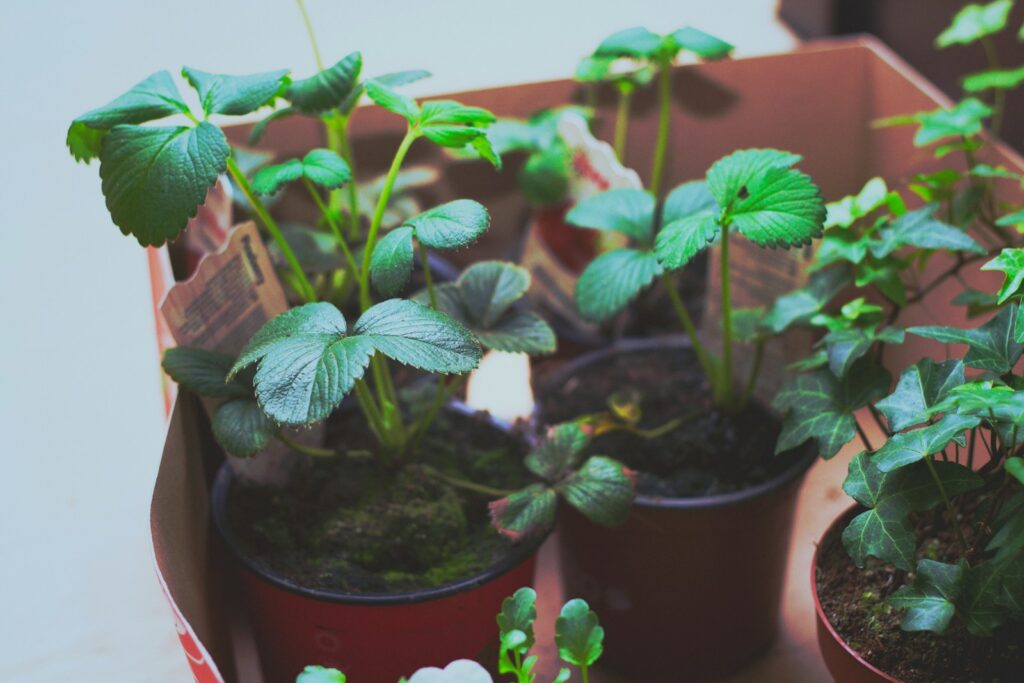
Check the top inch of soil to know when it’s time to water. Containers dry out faster than garden beds, especially in warm weather.
Use room-temperature water to avoid shocking the roots. In summer, you might need to water daily, while once or twice a week is enough in cooler weather.
Make sure your pots have drainage holes to prevent root rot. For indoor containers, use a tray to catch extra water without letting roots sit in it.
Fertilizer Strategies for Continuous Blooms
Keeping flowers in bloom all season can feel like a challenge, but a simple feeding routine makes a big difference. Feed your plants often but lightly.
Use a balanced, water-soluble fertilizer every two weeks during the growing season. Slow-release fertilizers are great for containers, too.
They supply nutrients over time, so you don’t have to fertilize as often. Always follow package directions to avoid overfeeding.
In winter, cut back on fertilizer because plants grow slower and need fewer nutrients. Instead, focus on maintaining healthy soil by adding compost or a light feeding once a month.
Managing Sunlight and Shade
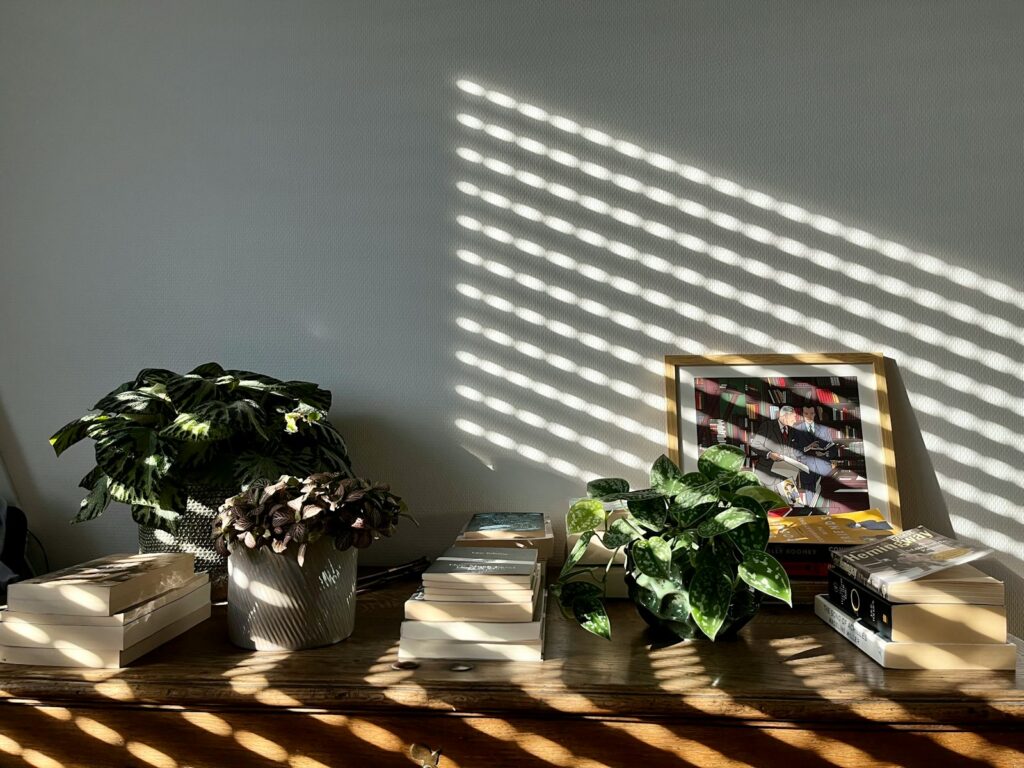
It can be tricky to figure out where your containers will thrive. Place containers where your plants will get the right amount of light.
Most flowering plants need six or more hours of sunlight each day. If your plants start to look leggy or the blooms fade, they might need more sun.
On the other hand, if leaves burn or dry out, your plants could be getting too much direct light. Move pots to shady spots during the hottest part of the day if you live in a warm climate.
Some plants, like ferns and begonias, actually prefer shade and will thrive when placed away from direct sunlight.
Design Ideas for Stunning Container Displays
A container garden can be a creative outlet and a great way to add life to any space. Paying attention to what you plant and the containers you use can make your display stand out.
Balancing colors and textures will make your display lively and eye-catching. Choosing unique pots can add personality and even boost plant health by fitting their needs better.
Mixing Colors and Textures
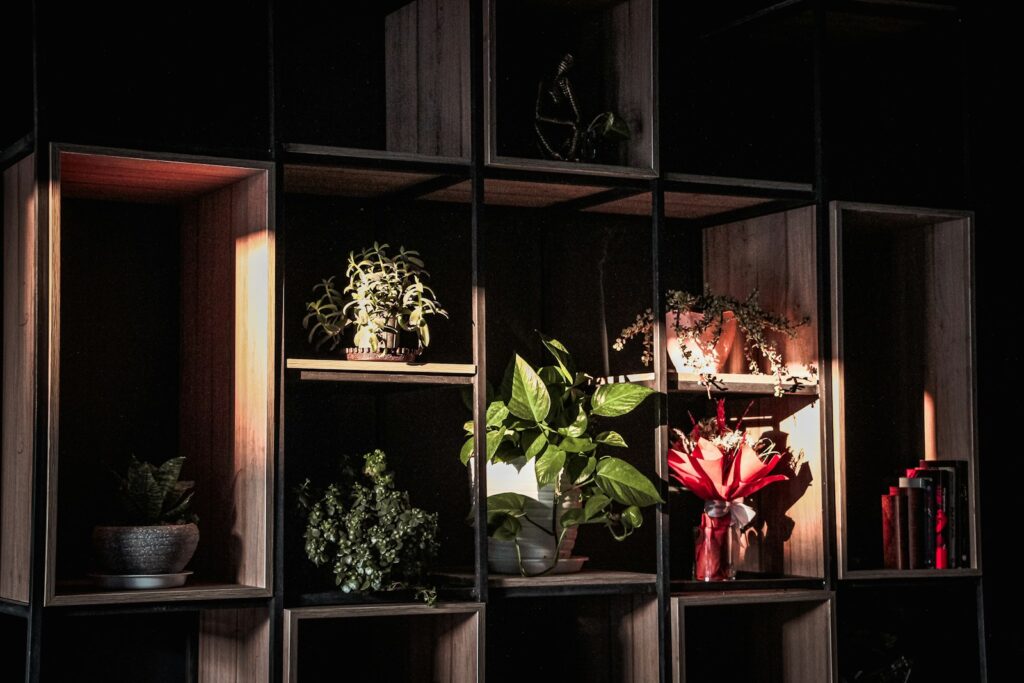
Start by picking plants with contrasting leaf shapes and colors. Pair broad, dark green leaves with fine, light-colored foliage to create visual interest.
Bright flowers like red petunias or yellow marigolds add bold splashes of color that draw the eye. Try grouping plants that bloom at different times.
This keeps your containers vibrant all season. For example, combine early-blooming pansies with summer geraniums and late-season chrysanthemums.
Using plants with varied heights also makes your display more dynamic. Place taller plants in the center or back, and trailing varieties like ivy or sweet potato vine around the edges to soften container lines.
Creative Container Choices
Picking out containers is one of the most fun parts of gardening. The right pot can show off your favorite plants and add personality to any space.
Try mixing up the shapes. Tall, narrow planters make the most of tight spots. Wide, shallow bowls are perfect for grouping flowers and herbs together.
The material you choose can make a difference. Clay pots have a timeless look and let roots breathe, but they can dry out quickly. Plastic or glazed options help keep soil moist, which means less watering for you.
Colors can change the whole vibe. Bright pots make subtle plants pop, while earth tones let bold greens and blooms take center stage.
You don’t have to stick with store-bought planters. Old baskets, wooden crates, or metal buckets can give your garden a creative, personal touch.