7 Weeds That Are Actually Useful You’ll Want to Start Using Today
If you’ve ever spent an afternoon pulling weeds, you know how relentless they can be. But what if some of those stubborn plants are actually doing your garden, and you, a favor?
Some weeds can improve soil, attract helpful insects, and even end up on your dinner plate or in your medicine cabinet. You might be surprised at the hidden potential growing right outside your door.
Dandelion: boosts soil health and is edible!
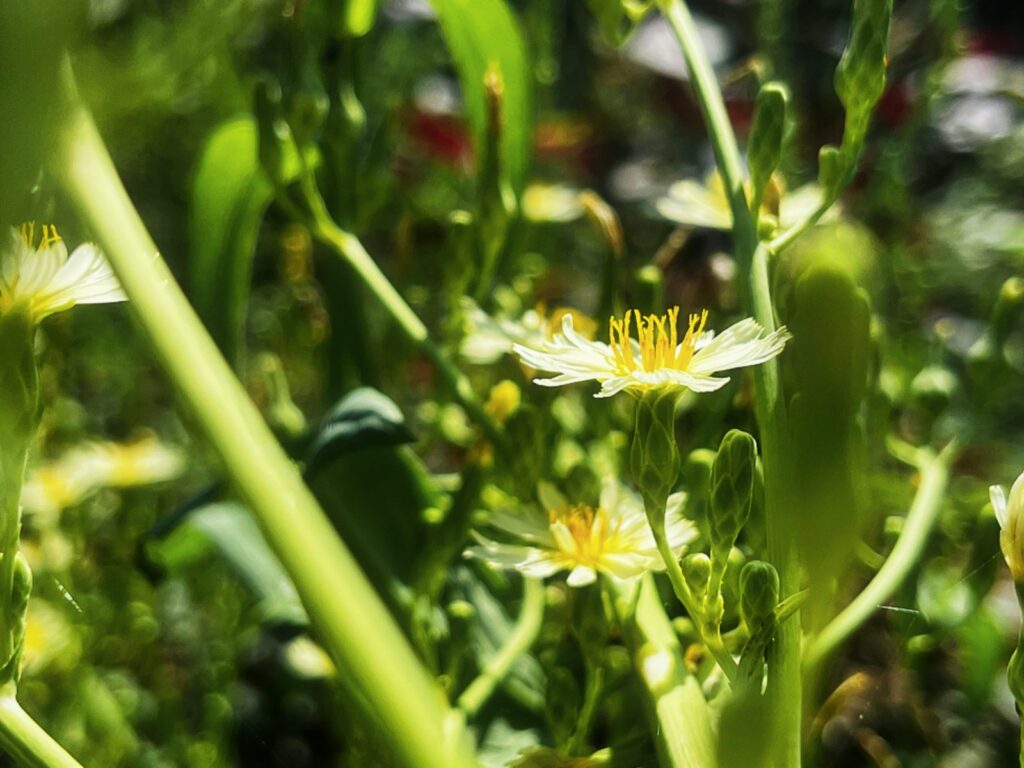
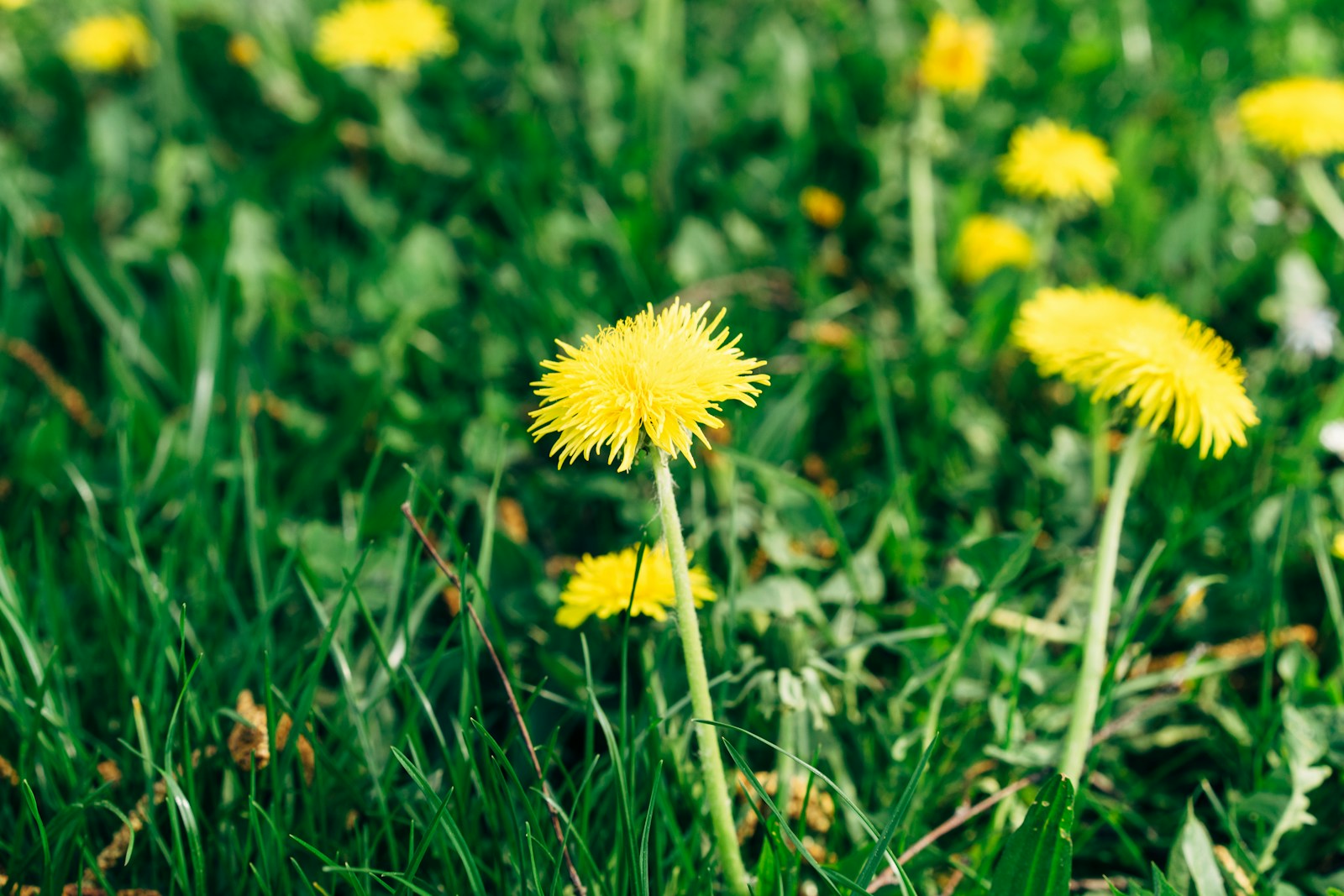
Dandelions are more than just those yellow flowers kids love to blow in the wind. Their deep roots loosen up tough soil and pull nutrients from below, helping your garden thrive.
Almost every part of a dandelion is edible. The leaves are full of vitamins A, C, and K, adding a fresh bite to salads or teas. The flowers can be used in recipes like dandelion honey or wine.
When dandelions die back, they return nutrients to the soil and create channels underground for earthworms and microbes. This keeps your soil soft and healthy.
Dandelions are also one of the first food sources for bees and other pollinators in early spring. Leaving a few in your yard can help support these important insects.
Clover: enriches soil with nitrogen and attracts pollinators
Clover might look unremarkable, but it quietly works wonders for your soil. It fixes nitrogen from the air, making your garden richer and reducing the need for fertilizer.
Clover flowers attract bees, butterflies, and other pollinators, which are essential for a productive garden. By letting clover grow, you’re helping your fruits and vegetables flourish.
It also acts as a ground cover, crowding out other weeds and keeping moisture in the soil. Clover is hardy and adapts to many conditions, making it a low-maintenance helper in any garden.
Purslane: a nutritious edible weed high in omega-3s
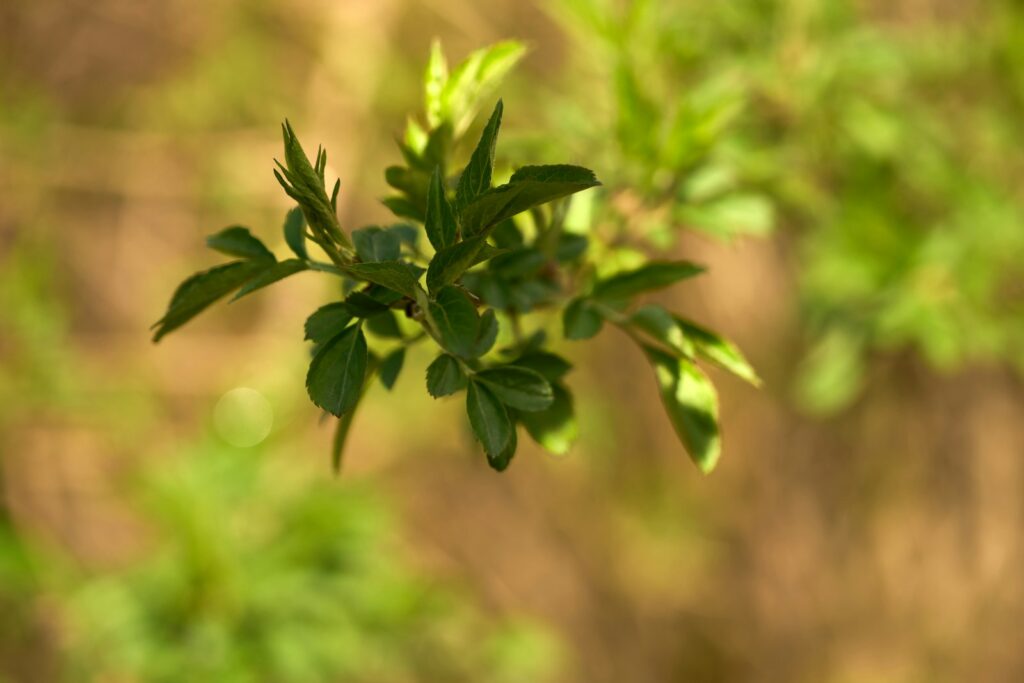
Purslane is often overlooked, but it’s packed with nutrients. This weed is one of the few plants high in omega-3 fatty acids, which are great for your heart and brain.
It’s also loaded with vitamins A, C, and E, plus minerals like magnesium and potassium. The leaves are juicy with a lemony crunch, perfect raw in salads or cooked like spinach.
Purslane grows almost everywhere and doesn’t need special care. Next time you spot it, consider adding it to your meals for a natural nutritional boost.
Chickweed: great for herbal remedies and attracts beneficial insects
Chickweed might pop up unexpectedly, but it’s a gentle powerhouse for your health. It’s full of vitamins and minerals, and you can eat it fresh in salads or use it in teas and poultices for soothing skin irritations.
Chickweed is known for easing inflammation and supporting digestion. Its shallow roots mean it won’t compete much with your other plants.
The tiny white flowers attract pollinators, helping your peas and beans set fruit. Chickweed also acts as a living mulch, protecting the soil and keeping your garden ecosystem balanced.
Plantain: soothes skin and improves soil structure
Plantain is easy to miss, but its broad leaves are a natural remedy for skin irritation. Just crush a leaf and apply it to bug bites or small cuts for quick relief.
Its deep roots break up compacted soil, letting water and air reach plant roots more easily. This makes the whole garden healthier.
Plantain leaves are edible, too. They taste similar to spinach and can be added to salads or cooked dishes for a nutritious boost.
Nettle: supports pollinators and can be used in teas
Nettle can be a prickly presence, but it’s a valuable plant for your garden. It attracts bees and butterflies, which help your flowers and vegetables produce more.
Nettle leaves make a nutrient-rich tea, packed with vitamins and minerals. Drinking nettle tea can help with allergies and inflammation.
To make nettle tea, steep fresh or dried leaves in hot water for about 10 to 15 minutes. Just handle the leaves with gloves until they’re cooked or dried.
Lamb’s Quarters: a wild spinach loaded with vitamins
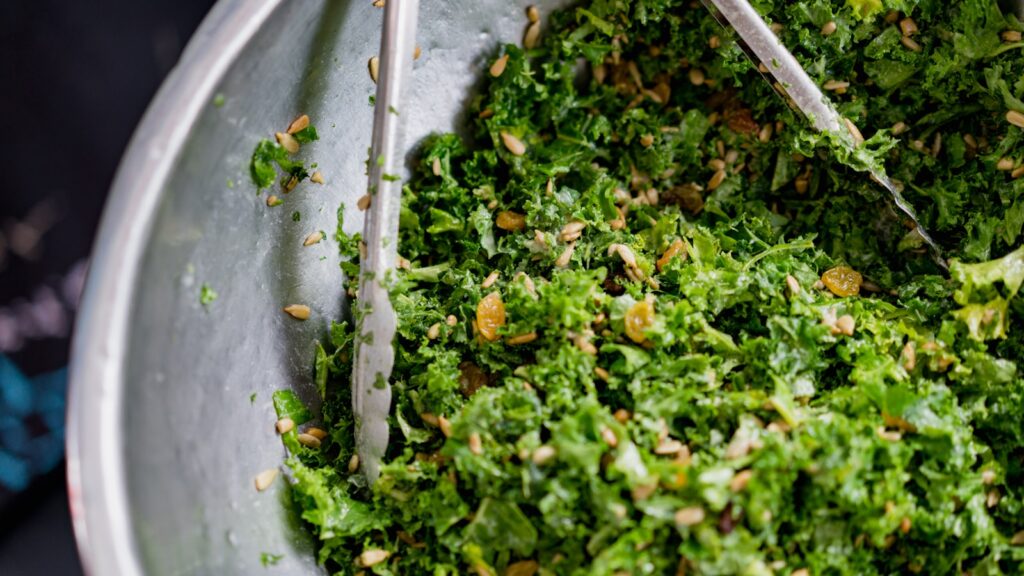
Lamb’s quarters might look like a weed, but it’s a nutritional gem. The leaves are rich in vitamins A, C, and K and taste a lot like spinach.
You can eat them raw or cooked, and they grow in all kinds of places—gardens, fields, even along sidewalks. This plant is also full of minerals like calcium, iron, and magnesium.
Adding lamb’s quarters to your meals is simple. Just wash the leaves and toss them into your favorite recipes for an easy, healthy upgrade.
How Useful Weeds Benefit Your Garden
Some weeds do more than just take up space. They can improve your garden’s soil and attract helpful insects.
Improving Soil Health
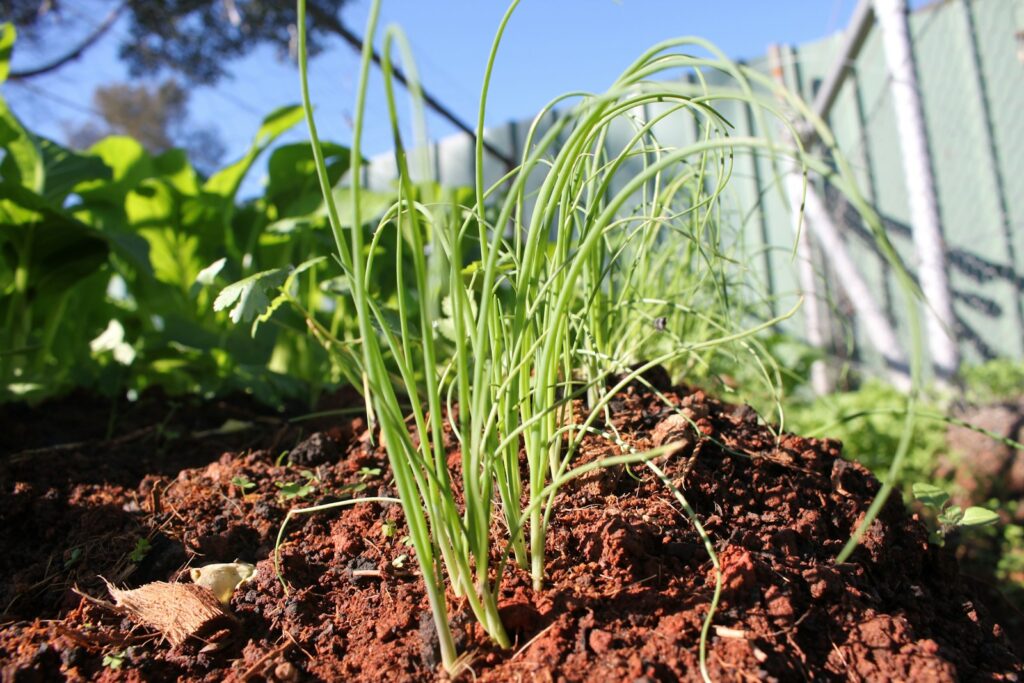
Certain weeds send roots deep into the ground, breaking up hard soil and letting air and water move freely. This helps your other plants grow better.
Weeds like clover pull nitrogen from the air and store it in the soil, cutting down the need for synthetic fertilizers. Their roots also hold soil in place, preventing erosion after heavy rain.
Supporting Pollinators
Weeds can attract bees, butterflies, and other pollinators, especially when few other flowers are blooming. More pollinators mean better fruit and vegetable harvests.
Some weeds also give shelter to beneficial insects that help control pests naturally. Keeping a few of these plants around can reduce your need for pesticides.
Creative Ways to Use Edible Weeds
Turning weeds into useful kitchen ingredients or home remedies is easier than you might think. These common plants can save you money and add new flavors to your meals.
Culinary Inspirations
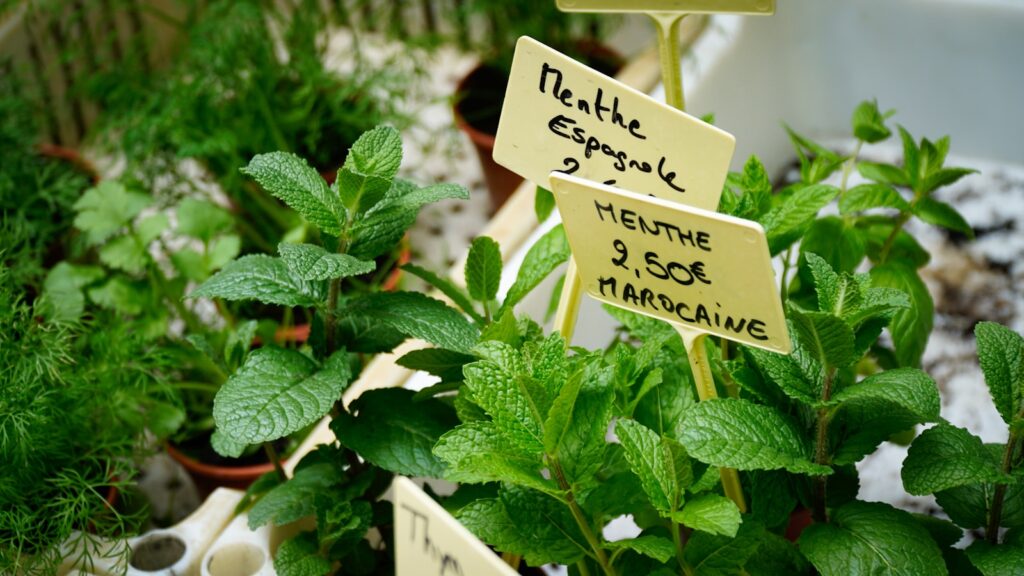
Try adding dandelion, chickweed, or purslane to salads for a fresh twist. Sauté dandelion leaves with garlic, or blend chickweed or lamb’s quarters into a homemade pesto.
Edible weed flowers like violets can decorate cakes or flavor herbal teas. Cooking with these plants can make gardening more fun and rewarding.
Household Applications
You might be surprised to find that some edible weeds can be handy around the house. Dandelion sap, for example, can help remove stains from your skin or other surfaces.
Chickweed is another option. Dry it and add it to homemade skin balms or teas to help calm irritation.
If you like natural cleaning products, try infusing vinegar with crushed nettle. This simple mix can be used as an eco-friendly cleaner for your kitchen.
Exploring these uses lets you get creative with what’s growing in your yard. You might even save a little money while cutting down on chemicals at home.