12 Things Gardeners Should Stop Buying
If you love gardening, you know how easy it is to get caught up in buying every new tool or product that promises to make your plants thrive. Before you know it, your shed is full and your wallet is empty.
Some of those purchases just don’t live up to the hype. Learning what to skip can help you avoid frustration and keep your gardening budget in check.
Plastic spike shoes
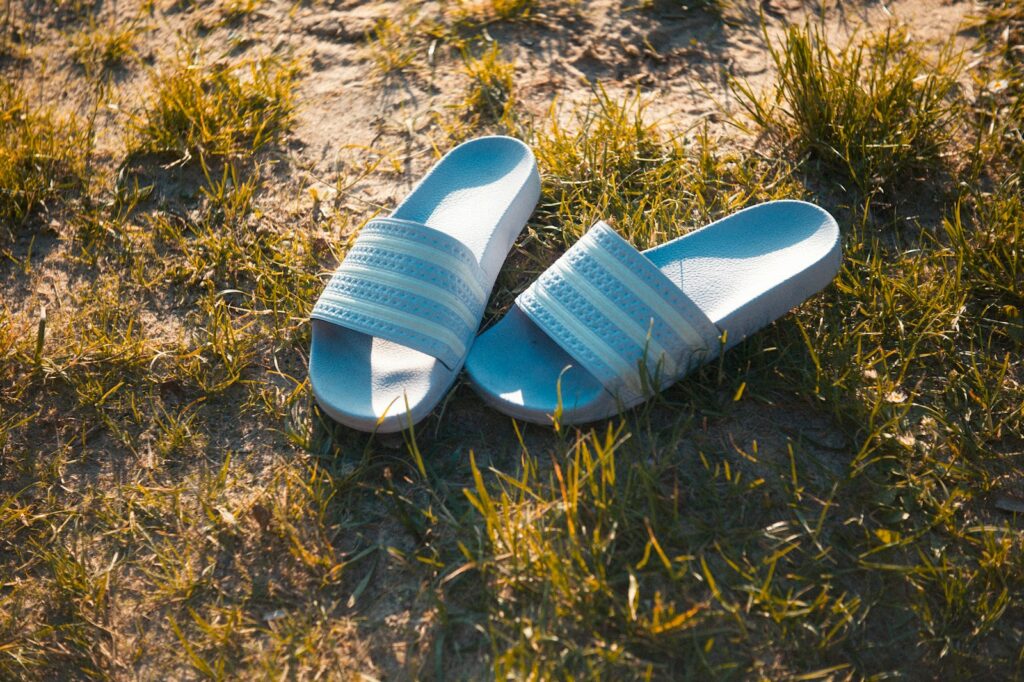
Plastic spike shoes might look like a clever way to aerate your lawn or garden soil. In practice, they rarely work well.
The spikes are usually too flimsy to get deep into the ground and often break after a season. You end up spending more money replacing them than if you’d invested in a sturdier tool.
These shoes can also damage your grass by tearing roots instead of helping the soil breathe. Your plants need healthy roots, not shredded ones.
Manual or mechanical aerators do the job better and last longer. Your garden will benefit more if you skip the plastic spike shoes.
Expandable garden hoses
Expandable garden hoses seem like a space-saving dream. They shrink down when not in use and are lightweight.
But if you have a larger garden or need to water often, these hoses may disappoint. They can burst or leak more easily than traditional hoses.
Repairing expandable hoses is tricky, and you might find yourself replacing them often. For longevity, a classic rubber or vinyl hose is a better investment.
If you only need a hose for light watering or a small space, an expandable one might be fine. For bigger jobs, stick to something more durable.
Cheap plastic trowels
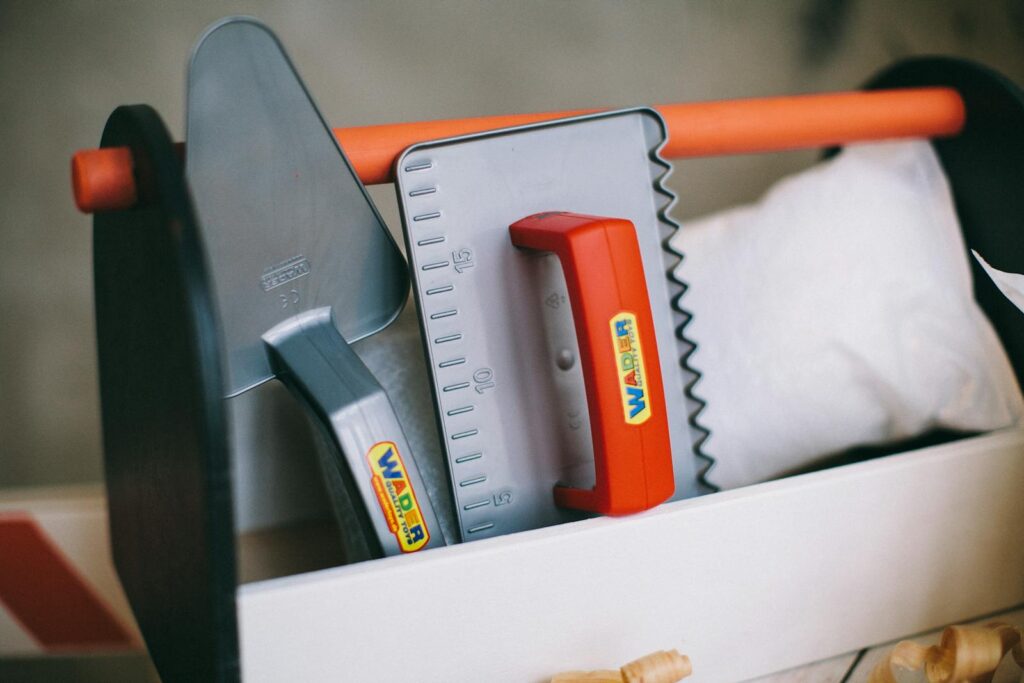
A plastic trowel might seem like a bargain, but it often breaks after just a few uses. Tough soil can snap or crack flimsy plastic tools.
You want a trowel that can handle digging without bending or breaking. A metal blade with a comfortable handle will last much longer.
It may cost a bit more upfront, but a sturdy trowel makes gardening easier and more enjoyable. Don’t let a weak tool slow you down.
Flimsy gardening gloves
Starting out, it’s tempting to grab the cheapest pair of gloves you see. Thin gloves rip fast and leave your hands exposed to cuts and dirt.
You’ll end up buying new pairs over and over, which adds up. Sturdy gloves protect your hands and hold up through tough tasks.
Good gloves also help you grip tools better and shield you from thorns and bugs. Investing in quality pays off in comfort and durability.
Some gloves use natural materials that are gentle on your skin. Choose gloves that last, so you can focus on your plants.
Battery-powered leaf blowers
Battery-powered leaf blowers sound convenient and quiet. For small jobs, they can be handy.
But if your yard collects a lot of leaves, these blowers may fall short. They often lack the power or battery life for big cleanups.
Batteries wear out and can be expensive to replace. You might find yourself constantly recharging or needing extra equipment.
Sometimes, a simple rake or a more powerful blower works better for larger spaces. Think about what your yard really needs before buying.
Overpriced fancy watering cans
A stylish watering can might catch your eye, but price doesn’t always mean better performance. Some fancy cans are heavy or awkward to use.
Features like built-in sprinkler heads can seem useful but don’t always work well for every plant. Simple designs are often easier to handle and pour.
Metal cans may look nice but can rust inside and start leaking. Lightweight plastic cans are practical and affordable.
Pick a watering can that feels good in your hand and pours smoothly. Your plants care more about the water than the watering can’s price tag.
Decorative but useless garden gnomes
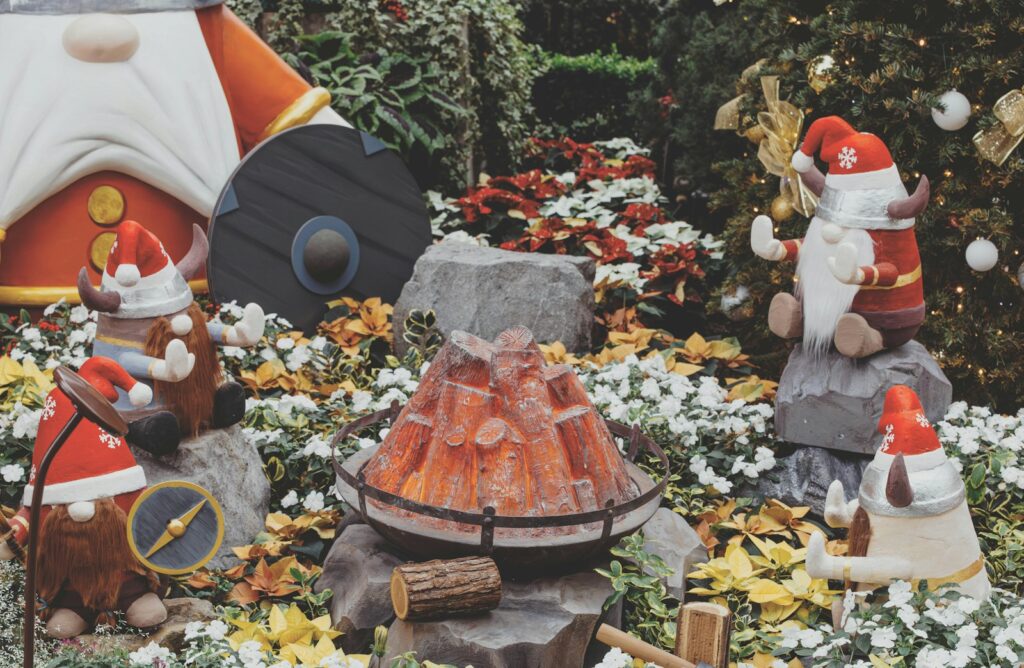
Garden gnomes can add a playful touch, but they don’t do much for your plants. Sometimes, oversized gnomes dominate your space and distract from your flowers.
They don’t protect your garden or help it grow. If you want some whimsy, try smaller decorations that blend in with your plants.
A garden shines brightest when the plants are the main attraction. Subtle touches can add charm without overwhelming your space.
Electric garden scissors
Electric garden scissors promise to make trimming easier. Many gardeners find them heavy and awkward after a while.
Battery life can be short, forcing you to stop just as you get going. Repairs and replacements add to the cost.
Manual scissors or garden shears often work better and give you more control. A sharp pair makes clean cuts and won’t run out of power.
If you want electric tools, look for lightweight pruners with good battery life. For most scissors jobs, traditional tools do just fine.
Single-use seed starters
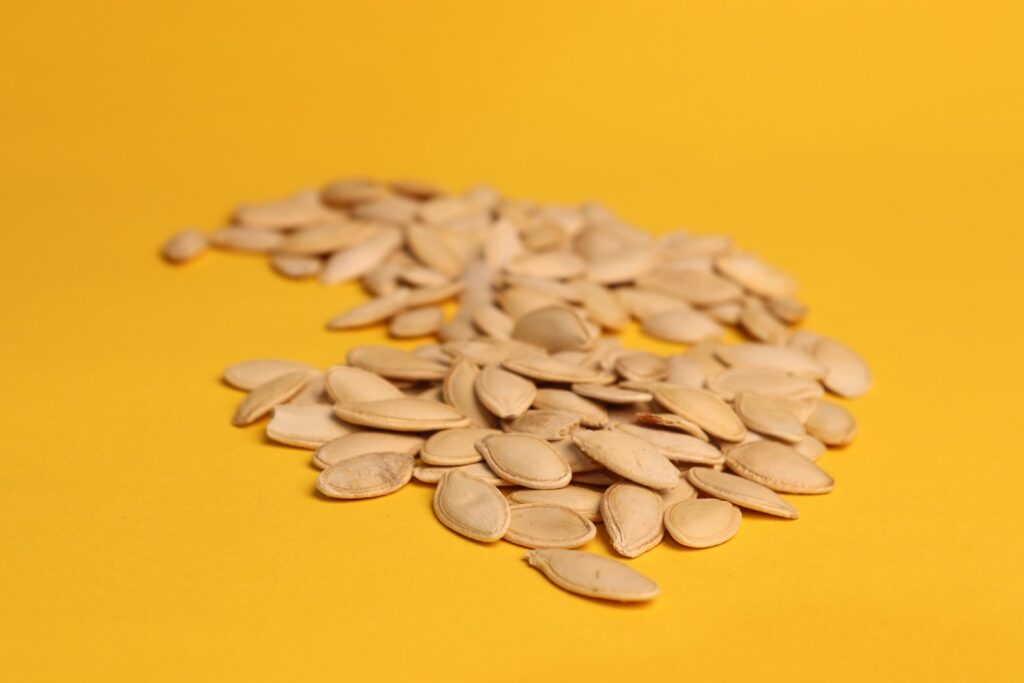
Buying plastic seed starters that get tossed after one use isn’t necessary. These trays add to landfill waste and cost more over time.
Reusing containers like yogurt cups, egg cartons, or cardboard tubes works just as well. You can even make seed pots from newspaper.
This approach saves money and helps the environment. Starting seeds doesn’t have to mean buying new supplies every year.
Unnecessary soil additives
It’s easy to believe that special soil boosters will transform your garden. Many of these products don’t deliver on their promises.
Some additives can upset the balance in your soil or harm helpful microbes. This can slow down plant growth instead of helping it.
Focus on basics like adding compost and letting nature work. Simple soil care often brings the best results.
Not all kitchen scraps make good fertilizers. Items like eggshells or coffee grounds can change soil pH in ways that aren’t helpful.
Skip the miracle mixes and trust in steady, natural soil improvements. Your plants will thank you.
Pest control gadgets with poor reviews
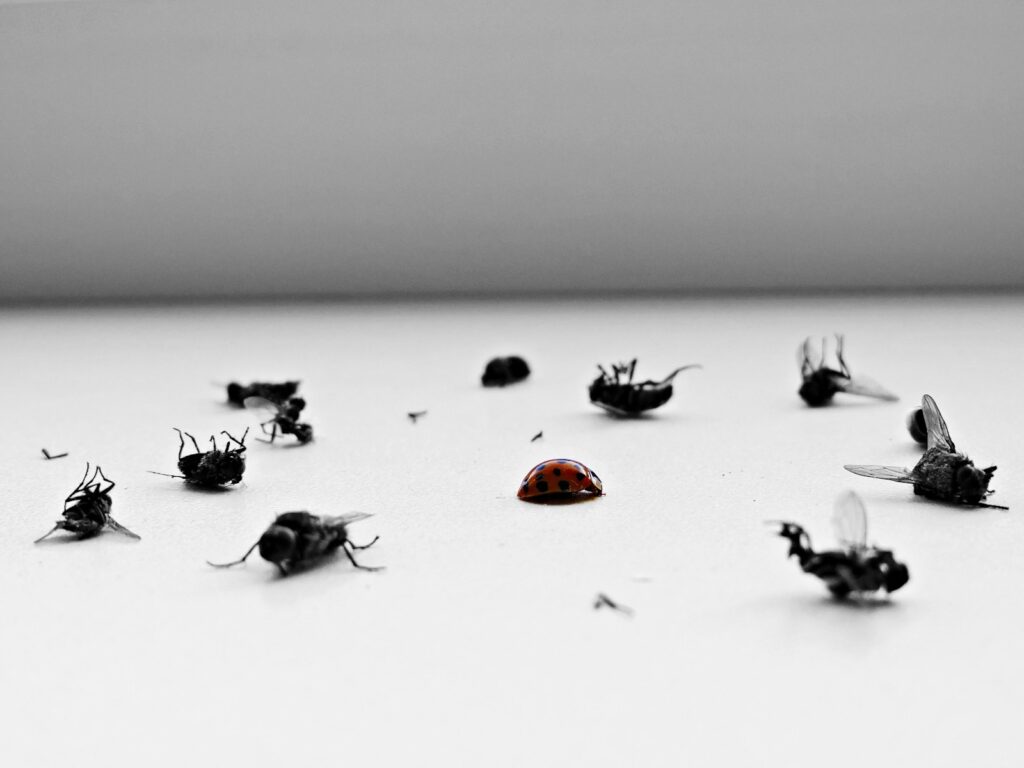
Flashy pest control gadgets, like ultrasonic repellers, are tempting. They claim to chase away bugs with sound, but most gardeners see little effect.
Mosquito zappers often kill helpful insects instead of the pests you want gone. This can upset your garden’s natural balance.
Natural pest solutions, like attracting birds or using plant-based repellents, are safer and more effective. Simple methods usually work best.
Expensive ornamental fertilizers
It’s easy to think that pricey ornamental fertilizers will make your garden flourish. Many don’t provide enough benefit to justify the cost.
Some contain chemicals that can harm your soil over time. Natural alternatives like compost or slow-release organic fertilizers feed your plants without breaking the bank.
Overusing chemical fertilizers can weaken your soil and stress your plants. Sticking to basic, affordable options keeps your garden healthier.
Alternatives to Store-Bought Garden Supplies
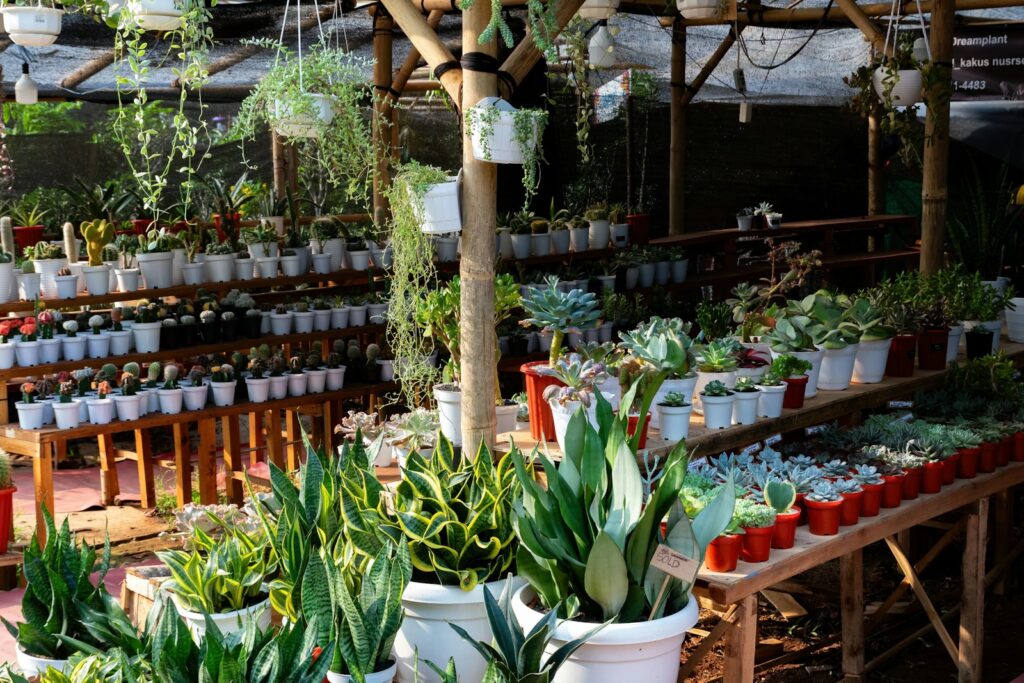
You don’t have to spend a fortune to have a beautiful, thriving garden. Using what you already have saves money and adds a personal touch.
Old cans, buckets, or broken pots make great planters. Upcycling keeps waste out of landfills and gives your space a creative flair.
Reusable items like cloth plant ties or biodegradable pots are better for your plants and the environment. Your garden can thrive with a little creativity and a focus on what really works.
DIY Fertilizers and Compost Options
If you’ve ever wondered what to do with kitchen scraps, turning them into compost might be the answer. Vegetable peels, eggshells, and coffee grounds can all become valuable nutrients for your garden.
Compost not only boosts soil quality but also helps your plants thrive. It’s a simple way to make the most of what you already have at home.
There are other homemade fertilizers you can try as well. For example, soak banana peels in water for a few days to create a potassium-rich liquid.
Crushed eggshells can be sprinkled around your plants to add calcium. If you mow your lawn, fresh grass clippings make a great nitrogen source for your soil.
These natural methods feed your plants gradually. They’re easy to try and can help stretch your gardening budget.
Creative Seed Starting Solutions
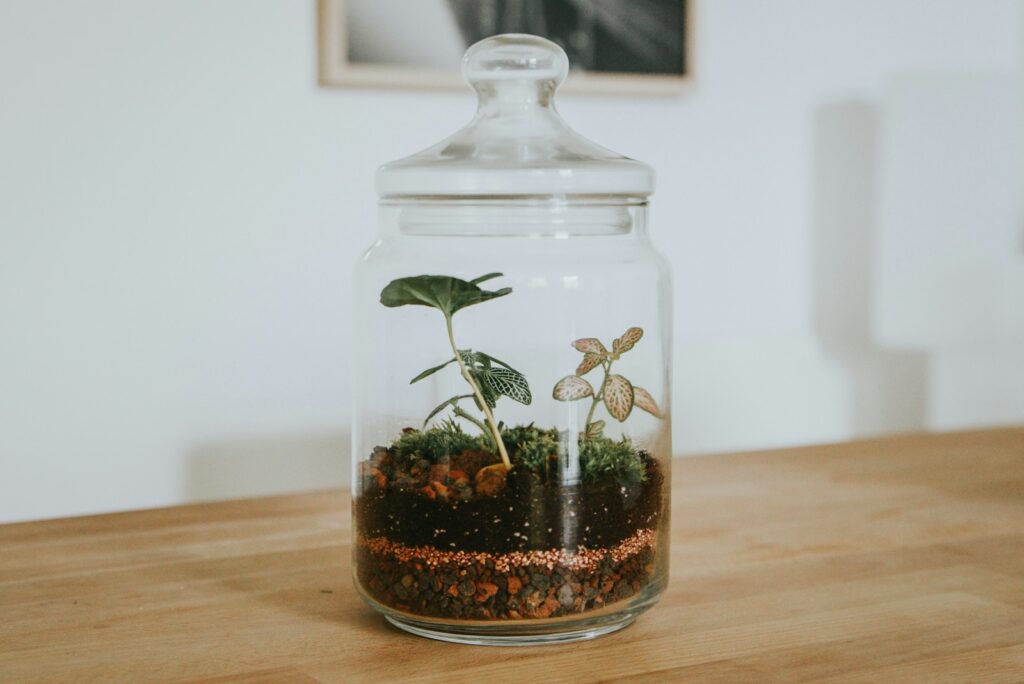
Looking to start seeds without spending extra money on supplies? Everyday items around your home can be surprisingly useful for gardening.
Cut plastic bottles into small sections to create mini-greenhouses. These help keep seedlings warm and moist as they grow.
Save your old egg cartons and use them to start seeds. You can plant the whole carton section right into the soil when it is time to transplant.
Toilet paper rolls can also be used. Stand them up in a tray, fill with soil, and plant your seeds for easy transplanting later.
Trying out these options not only saves money but also helps reduce waste at home. Give your seedlings a strong start with things you already have on hand.