7 Myths That Make Gardening Harder
Ever felt like gardening is supposed to be relaxing but somehow ends up feeling like a chore? You’re not alone. Some tips you hear from friends or read online might actually make things tougher than they need to be.
Let’s take a closer look at some of the most common gardening myths that could be holding you back. When you know what’s fact and what’s fiction, you can spend more time enjoying your plants and less time worrying.
More Water Means Healthier Plants: False! Overwatering Can Rot Roots
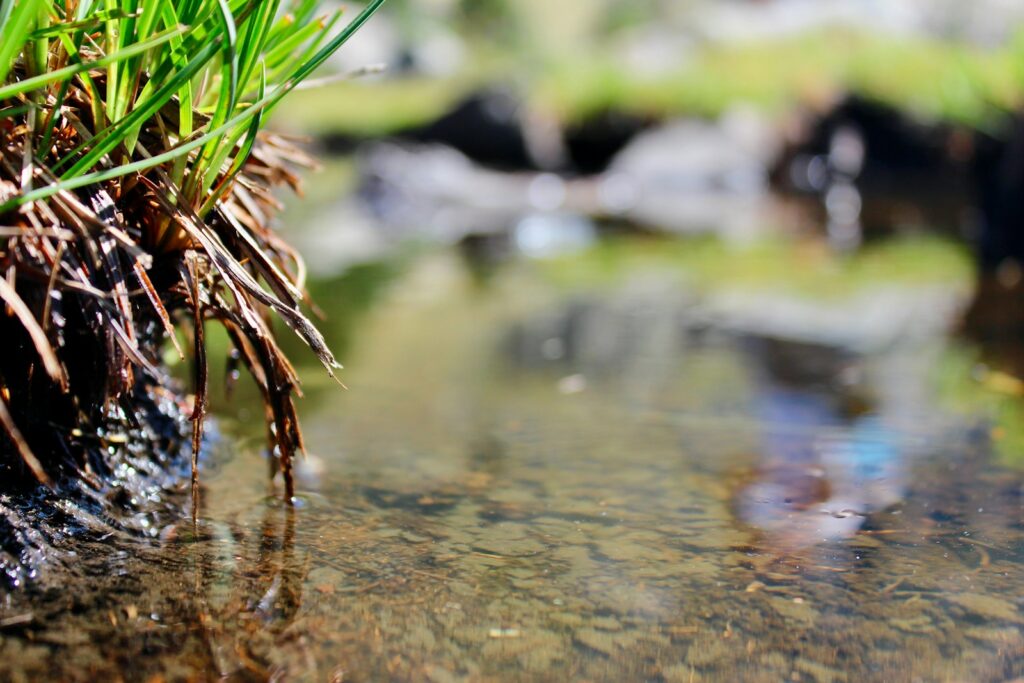
It’s easy to assume that more water equals happier plants. In reality, too much water can cause root rot and harm your plants.
Roots need air as well as moisture. If they’re sitting in soggy soil, they can’t breathe and may start to rot.
Yellow or brown leaves and droopiness can be signs of overwatering, even if the soil feels wet. Always check the soil about an inch down before watering again.
Healthy roots should look white and firm. Brown, mushy roots are a sign things have gone wrong. Aim for balance with watering and your plants will thrive.
Coffee Grounds Acidify All Soils: Not Always True, Soil Type Matters
You might hear that coffee grounds always make your soil more acidic. The truth is, their effect depends on your soil type.
In already acidic soils, coffee grounds can make a small difference. In neutral or alkaline soils, they usually don’t change things much.
The acids in coffee grounds are mild and break down quickly. Any pH change is often temporary.
Before adding coffee grounds, it’s a good idea to test your soil first. That way, you know exactly what your garden needs.
Pruning Roses in Fall Kills Them: Actually Best Done in Early Spring
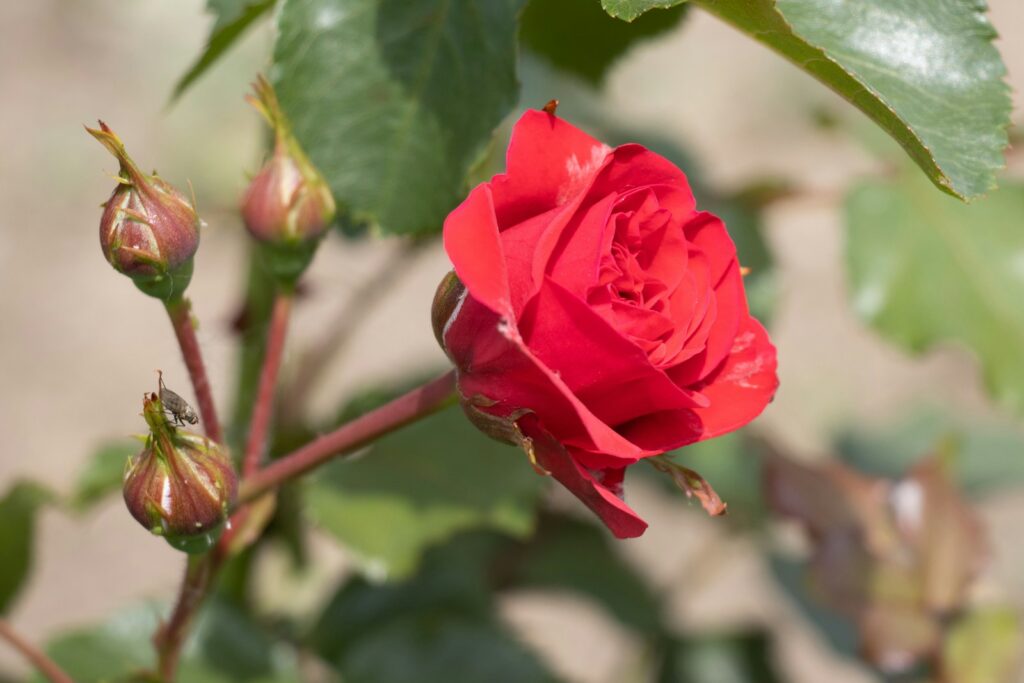
Some gardeners worry that pruning roses in the fall will kill them. Heavy fall pruning can cause new growth that’s vulnerable to frost.
Early spring is usually the best time to prune roses. This timing protects them during winter and encourages healthy blooms when growth starts.
Light pruning in fall is okay, just stick to removing dead or diseased branches. Save the big cuts for spring to help your roses bounce back strong.
If winters are mild where you live, a bit more fall pruning may be safe. For most climates, waiting until spring is the safer bet.
Nighttime Watering Causes Fungal Diseases: Morning Watering Is Better
Watering at night might seem convenient, but it can cause problems for your plants. Moisture left on leaves and soil overnight creates the perfect environment for fungi.
Diseases like mildew and root rot thrive in damp, cool conditions. Wet leaves overnight are a recipe for trouble.
Watering in the morning lets your plants absorb water before the heat of the day. Sunshine helps dry leaves and soil, making it harder for fungi to grow.
Morning watering also matches your plants’ natural needs. They’ll use the water throughout the day, and you’ll see healthier, happier plants.
Mulch Attracts Pests: Mulching Often Protects and Nourishes Plants
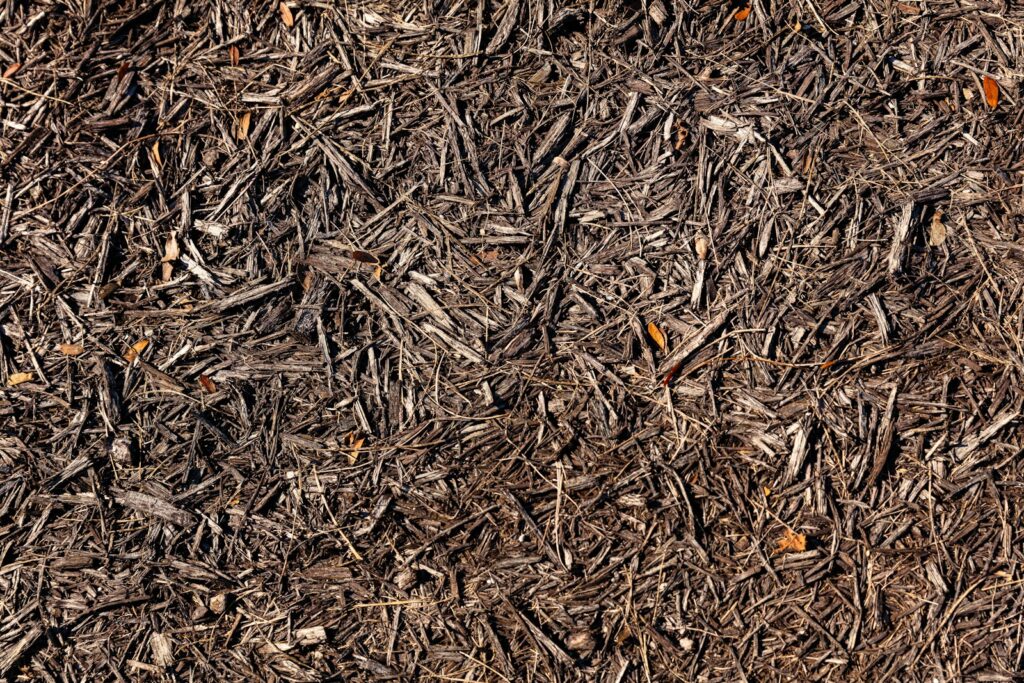
Some people avoid mulch because they think it brings pests. In reality, mulch can help protect your garden by attracting beneficial insects that eat harmful bugs.
Mulch keeps soil cool and moist, helping your plants grow stronger. It also blocks weeds that compete for water and nutrients.
The kind of mulch you use does matter. Untreated wood can attract pests if not managed well, but straw or inorganic mulches usually don’t cause problems.
When you mulch properly, you create a healthier environment for your plants and helpful insects. This means fewer chemicals and a better garden overall.
Synthetic Fertilizers Are Always Better Than Organic: Balance Is Key
It’s tempting to think synthetic fertilizers are always the answer since they work quickly. But relying only on them can damage soil health over time.
Organic fertilizers feed the soil as well as your plants. They encourage beneficial microbes that help your garden stay healthy.
Combining both types can give you faster results and long-term soil health. You don’t have to choose just one—balance is the key.
A healthy mix keeps your garden thriving now and for seasons to come.
All Bugs Are Bad for Gardens: Many Are Helpful Pollinators or Predators
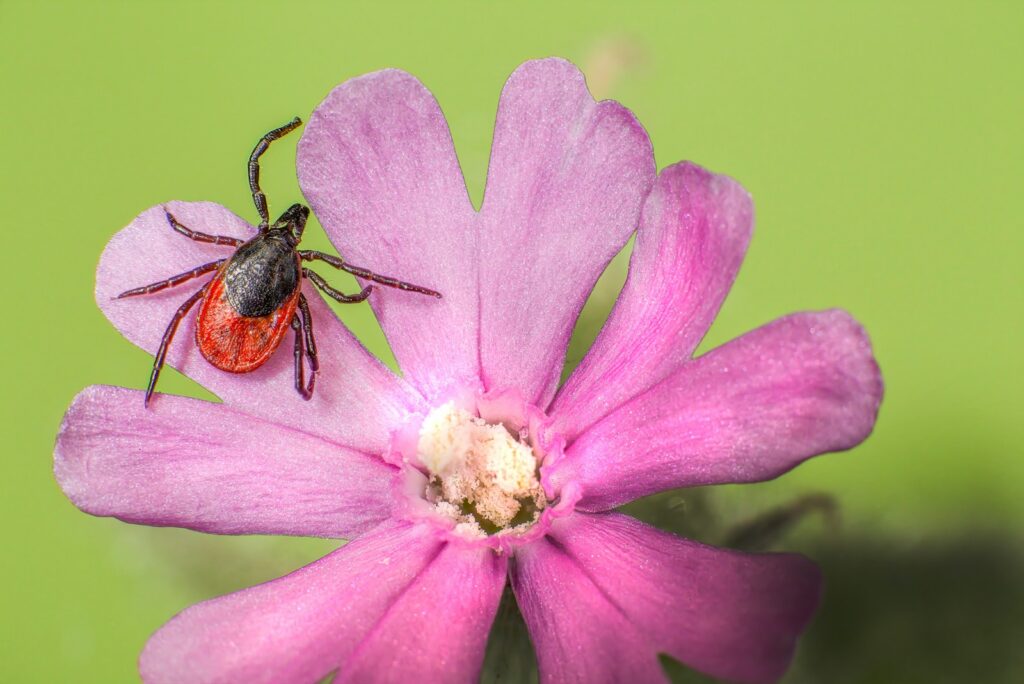
Not every bug in your garden is a pest. Many insects, like bees and butterflies, are essential pollinators that help your plants produce fruit and flowers.
Some bugs, such as ladybugs and praying mantises, act as natural pest control. They eat harmful insects and keep populations in check.
Even tiny insects you might not notice, like lacewing larvae, play a big role in keeping your garden balanced. Learning to recognize helpful bugs can make gardening much easier.
Instead of getting rid of every insect, try to welcome the good ones. Your garden will be healthier and you’ll spend less time fighting pests.
Expert Gardening Advice for Beginners
Sorting out which gardening tips to trust can save you a lot of frustration. Knowing how to spot myths helps you make better choices for your plants.
Many gardening tips sound convincing but aren’t backed by science. Before following advice, consider whether it’s supported by research or just passed down by word of mouth.
Watch out for quick fixes that promise instant results. If something sounds too good to be true, it probably is.
Ask yourself if the advice matches what you see in your own garden. Look for trusted sources and check if the tip makes sense for your plants.
Getting the facts helps you avoid wasted effort and keeps your garden growing strong.
Where to Find Reliable Gardening Information
Finding good gardening advice can feel overwhelming with so much information out there. You want to make sure you are getting tips that actually work and not just random opinions.
Universities, extension offices, and well-known gardening clubs usually provide evidence-based tips. These places have experts who test what they share.
Look for sources like agricultural university websites. Local gardening centers with knowledgeable staff are also helpful.
Books by respected gardeners or horticulturists can offer trustworthy guidance. Scientific articles about plants and soil give you information backed by research.
Online forums can be useful, but anyone can post advice there. Always double-check what you read with reliable sites.
Having a list of trusted resources makes gardening less stressful. You can focus on growing healthy plants instead of worrying about bad advice.