10 Plants That Smell Incredible Without Attracting Bugs
Picture stepping outside and breathing in fresh, wonderful scents, without swatting away bugs every few minutes. Some plants naturally keep insects at bay, letting you enjoy your outdoor space in peace.
You don’t need sprays or harsh chemicals to keep pests away. The right plants can fill your patio or garden with fragrance while quietly doing the work for you.
Peppermint: fresh, menthol scent that bugs dislike
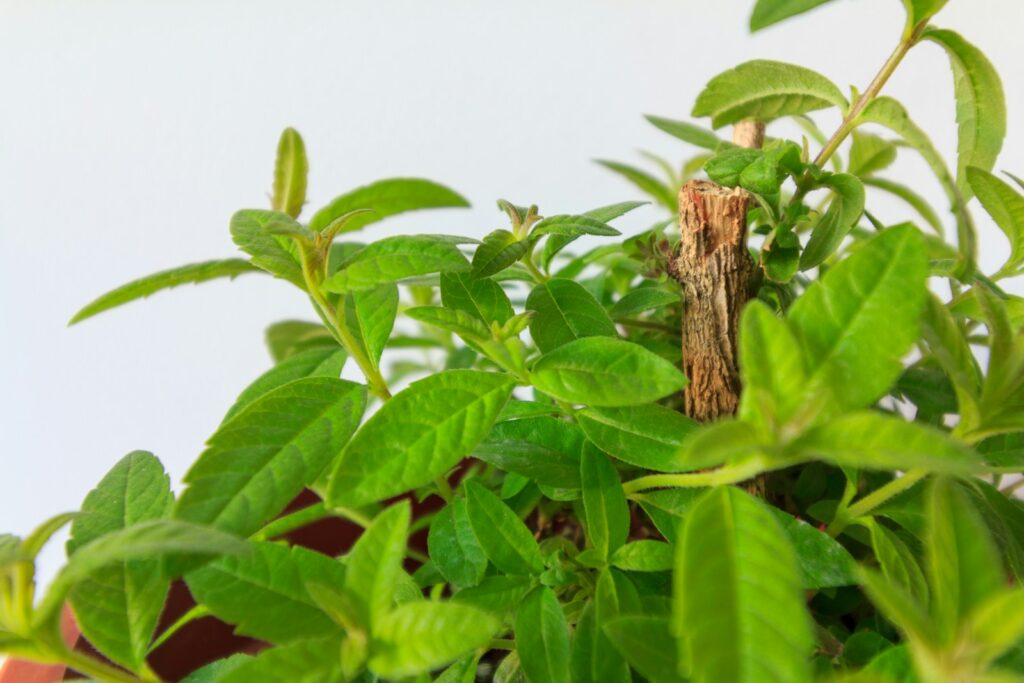
Peppermint brings a crisp, energizing scent to your garden. Its menthol aroma is pleasant for people but sends bugs like ants and beetles running.
The strong smell makes it hard for insects to find food or communicate. Peppermint oil can be used around your home to keep spiders, mosquitoes, and cockroaches away.
Grow peppermint in pots or garden beds and enjoy its refreshing feel. It’s a simple way to keep pests out while adding a burst of minty freshness to your space.
Lavender: soothing aroma that repels mosquitoes
Lavender’s sweet, calming scent is a treat for you and a turn-off for mosquitoes. The plant’s natural oils have compounds that bugs can’t stand.
Lavender’s purple flowers bring color and fragrance to patios and walkways. Plant it in pots or along garden beds to enjoy its aroma drifting on the breeze.
Lavender oil on your skin can help keep mosquitoes away. Dried lavender also works well in sachets or potpourri for a bug-free home.
Lavender attracts helpful pollinators like bees and butterflies. You get a peaceful garden with fewer pests and more beauty.
Rosemary: piney fragrance keeping pests away
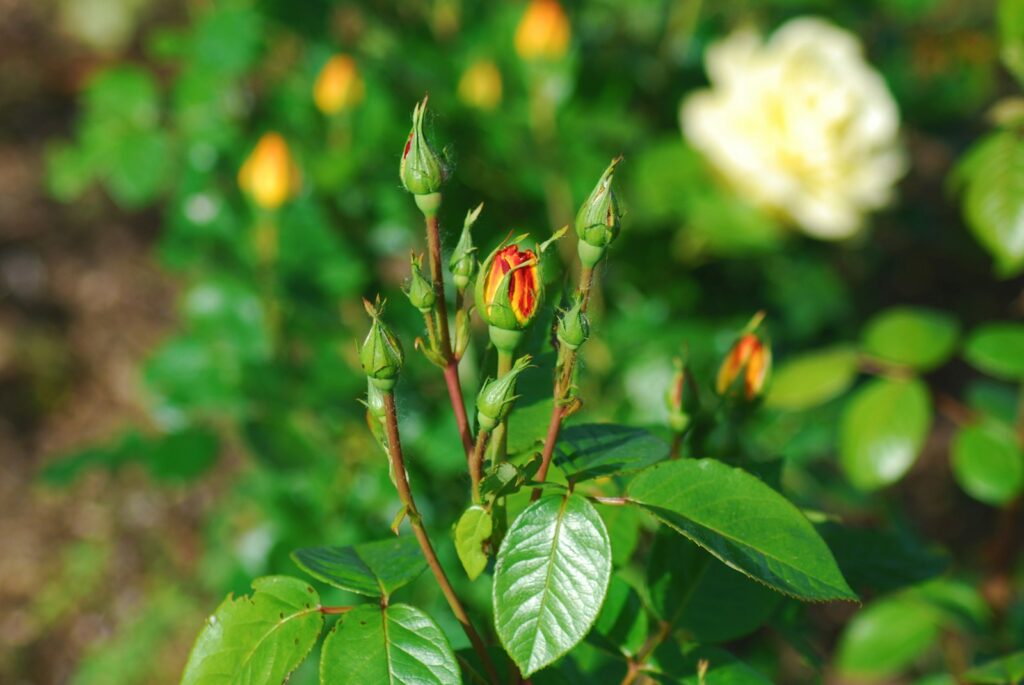
Rosemary fills your garden with a piney, woody scent that bugs like mosquitoes and flies avoid. The plant’s natural oils confuse pests and create a barrier around your space.
It stays green all year, adding color and life to your garden. Plant rosemary near outdoor seating to enjoy its fragrance and natural pest protection.
Rosemary is easy to grow in sunny, well-drained spots. It’s a hardy herb that asks for little but gives a lot in return.
Lemon Balm: citrusy smell deterring ants and flies
Lemon balm gives your garden a bright, citrusy aroma that freshens the air. Its scent naturally keeps ants and flies away from your favorite outdoor spots.
This herb is low-maintenance and grows well in partial shade. You can also use its leaves in tea or cooking for a zesty flavor.
If ants show up, sprinkle cinnamon or vinegar at the base as a gentle deterrent. Lemon balm’s strong smell is enough to keep most bugs away.
It’s a cheerful, useful herb that acts like a natural bug barrier for your garden.
Basil: sweet herbal scent that bugs avoid
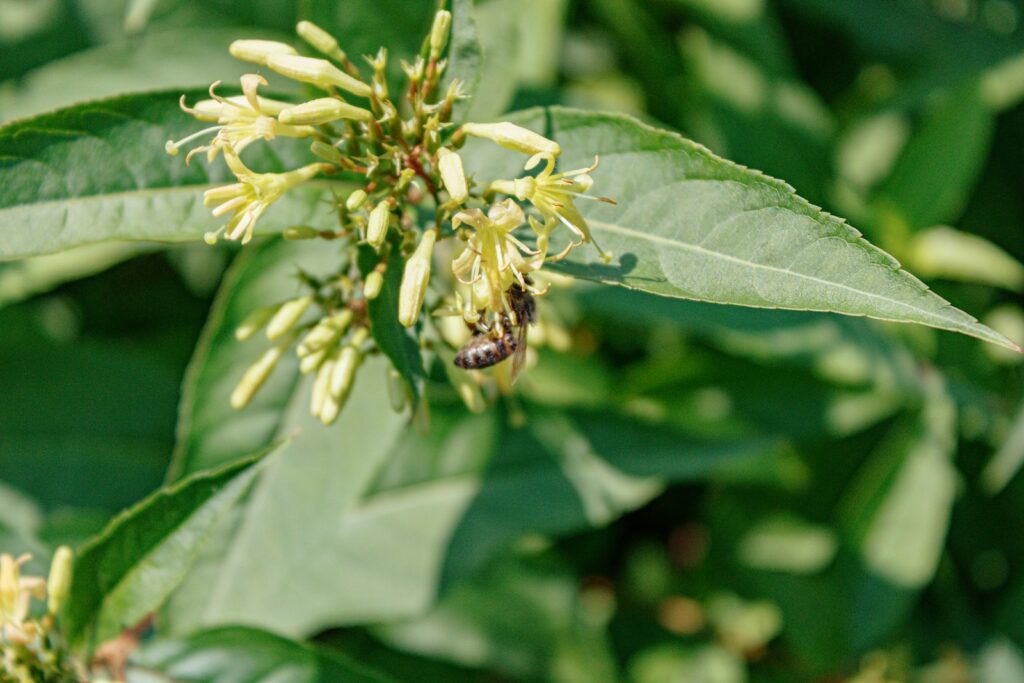
Basil’s fresh, sweet aroma is a summer favorite. Not only does it smell amazing, but it also helps keep mosquitoes, flies, and whiteflies at bay.
Crush the leaves to release oils that make bugs steer clear. Basil thrives in sunny spots and fits into almost any garden.
It also attracts helpful bees and butterflies. Growing basil near vegetables can protect your harvest by confusing pests.
Choose from different types like sweet Genovese or Thai basil for varying scents and bug-repelling power.
Geranium: floral with citronella-like properties
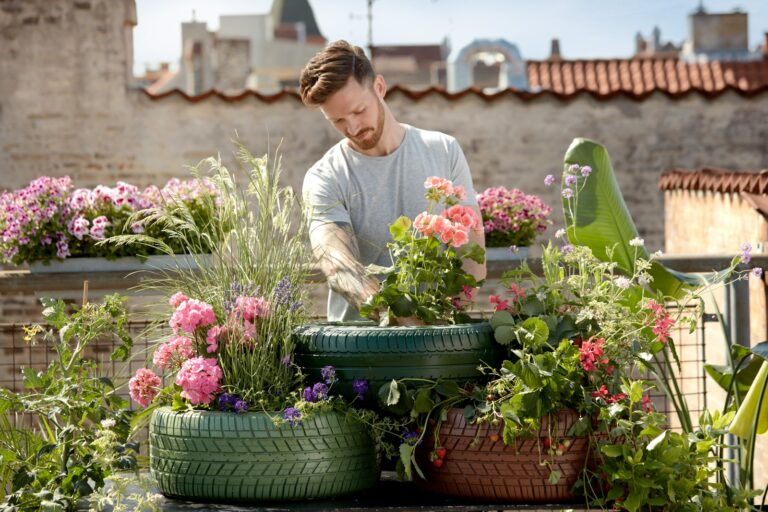
Scented geraniums add a burst of fragrance to your garden with leaves that smell like rose or lemon. The citronella geranium stands out for its sharp, citrusy scent.
Brushing against the leaves releases a strong aroma that mosquitoes and other pests don’t like. You get pretty flowers and natural bug protection in one plant.
Geraniums are easy to care for and work well in pots or beds. Crush a leaf for a quick scent boost whenever you want.
Thyme: earthy, aromatic leaves bugs hate
Thyme’s earthy scent is a reliable way to keep pests away. The oils in its leaves repel mosquitoes and other annoying insects.
It pairs well with plants like tomatoes and strawberries, offering extra protection. Thyme doesn’t draw pests, so your garden stays peaceful.
Thyme attracts helpful insects that eat harmful bugs. It’s a dual-purpose plant for both scent and pest control.
Watch for slugs and snails during wet weather, but otherwise, thyme is a great addition to any garden.
Marigold: vibrant flowers with pest-repelling oils
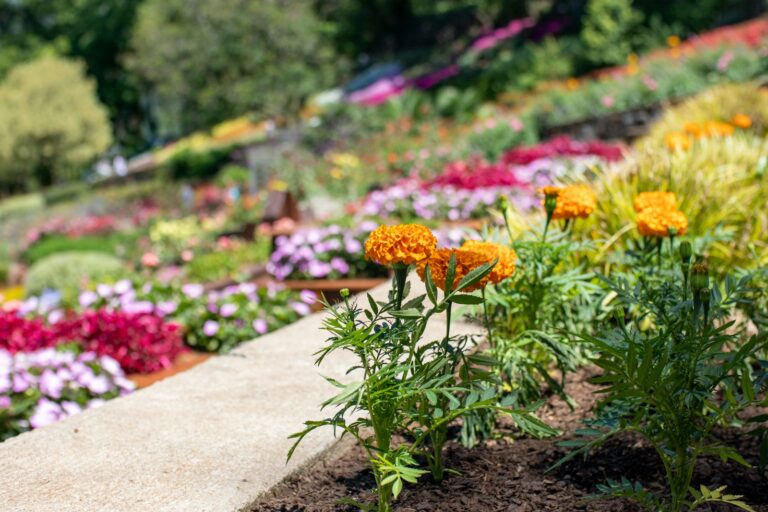
Marigolds light up your garden with golden and orange blooms. Their special oils create a scent that pests like aphids and beetles avoid.
These flowers help protect your plants without chemicals. Marigolds can also attract bees and butterflies, bringing more life to your garden.
They produce a toxin that targets harmful nematodes in the soil. This keeps the roots of your vegetables and flowers safe.
Marigolds are easy to grow and bloom for months. You get color and natural pest control all season long.
Scented Geranium: rose and lemon scented that insects avoid
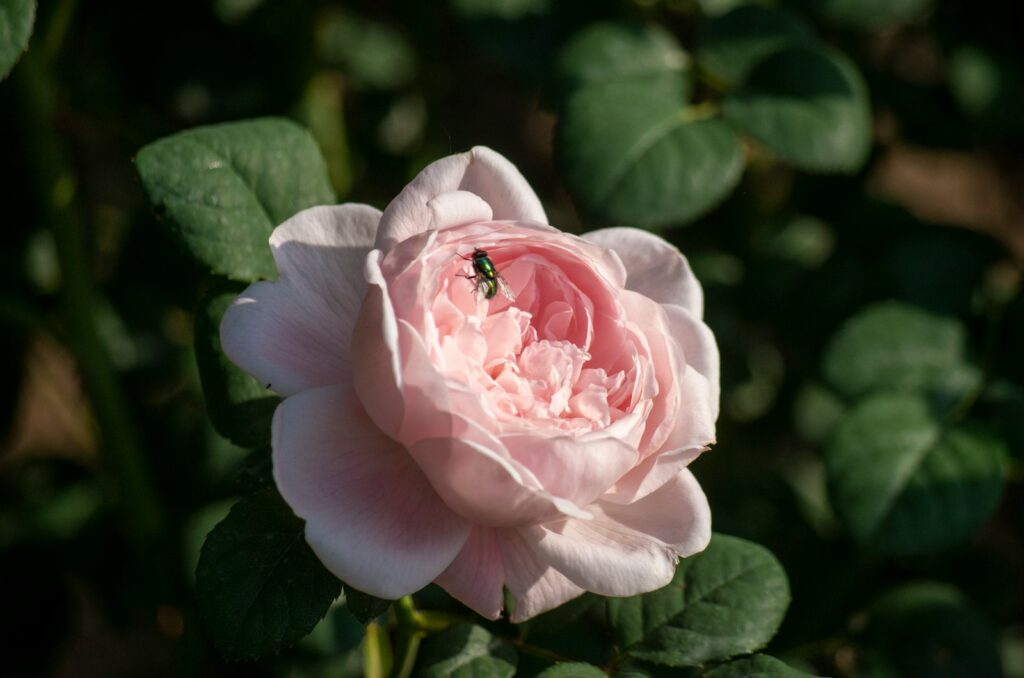
Rose and lemon scented geraniums fill your space with sweet or citrus notes. Touching the leaves releases their lovely fragrance.
These scents are strong enough to keep mosquitoes and wasps away. You can enjoy their beauty without worrying about bugs.
Scented geraniums are easy to grow indoors or outside. Their unique leaves and aromas make them a fun addition to any room or garden.
Eucalyptus: strong menthol scent that bugs dislike
Eucalyptus brings a bold, menthol-like scent to your garden or home. Bugs like mosquitoes, ants, and flies dislike the smell and stay away.
Having eucalyptus nearby masks the scents insects use to find food. Hang fresh eucalyptus in your shower or by entryways for a lasting fragrance.
Eucalyptus oil can be used in a spray for extra bug protection. Its clean scent makes your space feel fresh while keeping pests at a distance.
The Science Behind Fragrant, Bug-Resistant Plants
Some plants give off wonderful aromas and still manage to keep pests away. They do this by producing scents that bugs find unpleasant or confusing.
Essential oils in these plants create smells that many insects avoid. When you brush against the leaves, these oils fill the air and help protect your garden.
Plants like lavender and rosemary can mask the scent of other plants, making it harder for pests to find their favorite meals. Others send out warning signals that tell insects to stay away.
Choosing the right plants helps you enjoy a fragrant garden without the hassle of bugs.
Aromas That Attract vs. Deter Insects
Not all plant scents keep bugs away. Some sweet or fruity aromas attract insects looking for food or places to lay eggs.
Minty, sharp, or strong scents tend to repel pests. Compounds like eucalyptol and thymol, found in plants like mint and sage, do the trick.
| Attracts Insects | Deters Insects |
|---|---|
| Sweet jasmine, honeysuckle | Lavender, rosemary, mint |
| Strong floral scents | Thyme, sage, eucalyptus |
| Fruity or sugary aromas | Lemon balm, citronella |
Picking plants with the right aroma can help you attract helpful bugs and keep the pesky ones away.
Tips For Enjoying Scented Gardens Bug-Free
A garden full of amazing smells doesn’t have to be a magnet for bugs. The way you arrange your plants can make a big difference.
Best Placement For Maximum Fragrance
Place scented plants where you spend the most time, like patios, benches, or near doorways. A gentle breeze will carry the aroma right to you.
Most fragrant plants need plenty of sun to release their oils. Give them space for good air flow so the scent spreads easily.
If you want to enjoy fragrance in the evening, pick plants like lavender and put them near windows or seating areas. That way, the scent drifts inside for you to enjoy even when you’re indoors.
Combining Plants To Enhance Aromas
Ever noticed how some gardens just smell amazing while others barely have a scent? The secret is in mixing different plants based on their scents and natural bug-repelling abilities.
Try pairing strong-smelling herbs like rosemary and basil with flowers such as lavender or nasturtiums. This combination boosts both fragrance and pest control.
You can make a list to plan your garden:
- Herbs: Rosemary, basil, mint
- Flowers: Lavender, catmint, nasturtiums
Plant these in groups so their scents blend and create a richer aroma. Bugs tend to avoid areas where several strong scents mix together.
Be sure to group plants that need similar amounts of water and sunlight. Keeping them happy means your garden will smell great and look vibrant all season.