12 Tips for Keeping Outdoor Plants Alive During Heat Waves
If you’ve ever watched your garden wilt under a blazing sun, you know how stressful a heat wave can be for your plants. Those long, hot days can leave even the hardiest flowers and shrubs looking tired.
With a few simple changes to your routine, you can help your plants not just survive, but thrive through the hottest weeks of summer. Here are some practical tips to keep your outdoor garden looking fresh, even when the temperatures soar.
Water plants early morning for deep soil moisture
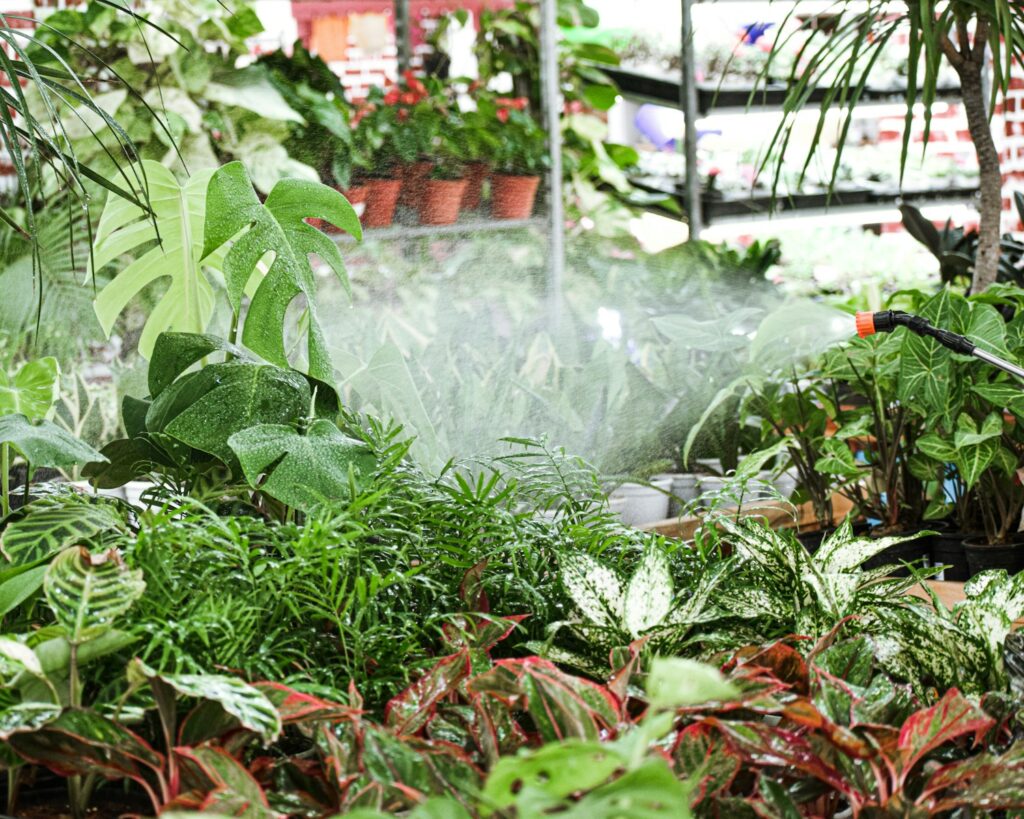
Water your plants early in the morning before the sun gets too hot. The soil can soak up water deeply at this time, giving your plants the moisture they need to stay healthy all day.
Morning watering slows down evaporation since temperatures are cooler. Watering later in the day means much of the water can evaporate quickly, leaving your plants thirsty.
Try to water before sunrise or just after. This keeps the soil moist longer and helps your plants absorb water before the heat hits.
Apply 3-4 inch mulch to retain soil moisture
Add a 3 to 4 inch layer of mulch around your plants. Mulch acts like a protective blanket for the soil and keeps moisture from evaporating too quickly.
Using mulch also cools the soil, which is a big help during hot days. When the ground stays cooler, plants don’t have to work as hard to stay healthy.
Spread the mulch evenly and avoid piling it against the plant stems. Too much mulch on the stems can cause problems like rot.
You can use organic mulch like straw, wood chips, or shredded leaves. These break down over time and add nutrients to the soil.
Use shade cloths to protect from direct sun
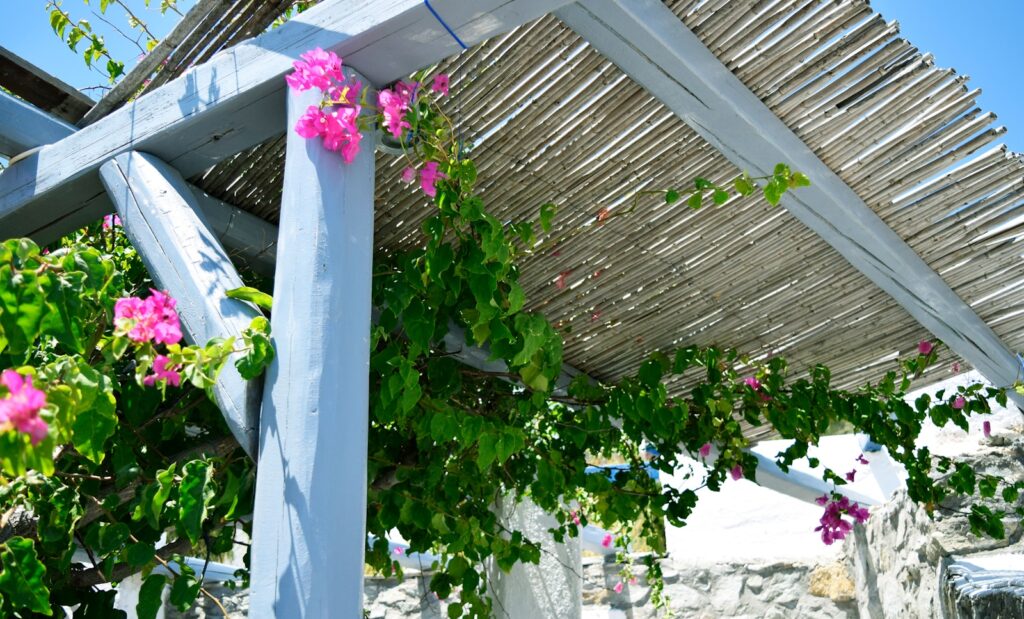
Shade cloth can keep your plants safe from strong sunlight. It blocks harsh rays and lowers the temperature around your plants.
Shade cloth comes in different colors and densities, so you can choose one that fits your plant’s needs. Lighter cloths let some sunlight through, while denser cloths offer more protection.
You can drape shade cloth over plants, hang it with cables, or build a small tunnel with frames. This helps prevent sunburn and heat stress.
Try to cover the most delicate or heat-sensitive plants first. With the right shade cloth, you can create a cooler spot for your garden even during the hottest days.
Choose heat-tolerant plant varieties like Lantana
Picking heat-tolerant plants is a smart move for any summer garden. Lantana is a colorful flower that thrives in hot weather and keeps blooming while other plants struggle.
Lantana loves full sun and can handle drought once it’s established. It also attracts butterflies, adding life and movement to your outdoor space.
These plants come in many bright colors, so you can mix and match to brighten any corner of your garden. Whether you plant them in beds or containers, Lantana stays beautiful through summer’s heat.
Water containers twice daily to prevent drying
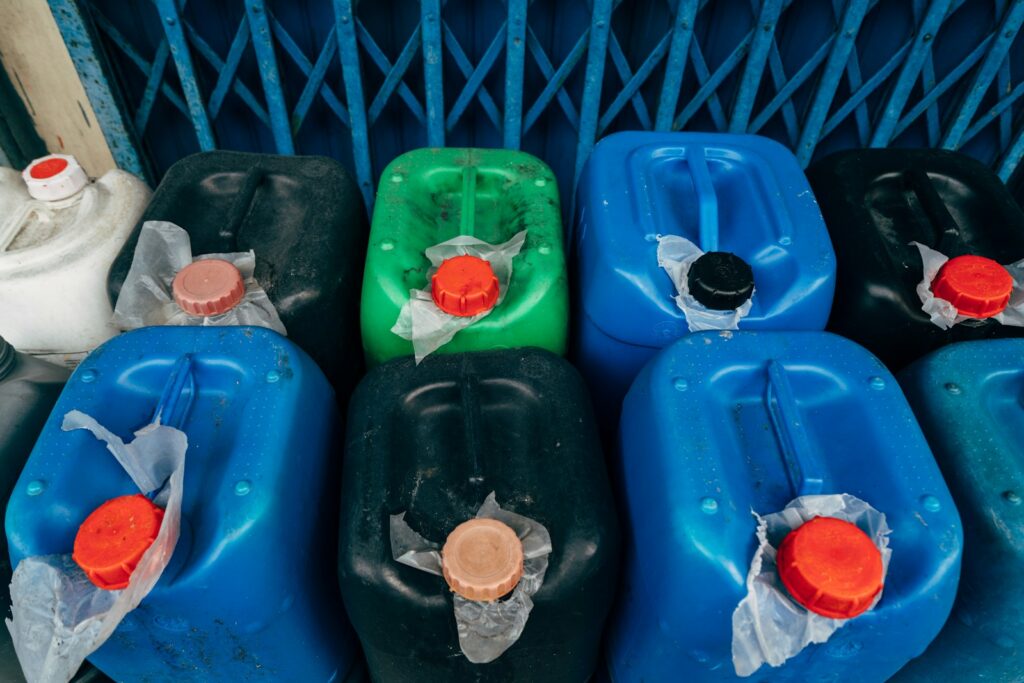
Container plants can dry out fast during heat waves. Water them twice a day, early in the morning and again in the late afternoon, to keep them hydrated.
Containers hold less soil than the ground, so they lose moisture quickly. Twice daily watering gives them a steady supply of moisture and keeps their roots happy.
Make sure to water deeply each time so the water reaches the roots. Shallow watering will not help during extreme heat, and your plants might still suffer.
Prune overcrowded branches for better airflow
Good airflow is crucial for plant health during hot weather. Overcrowded branches block air and trap heat around the plant.
Prune branches that crowd the center or cross over each other. This opens up space and allows sunlight to reach more leaves.
Pruning also lowers the risk of fungal diseases by reducing moisture buildup. You don’t have to cut heavily, just thin out the thickest parts.
Add organic matter to improve soil water retention
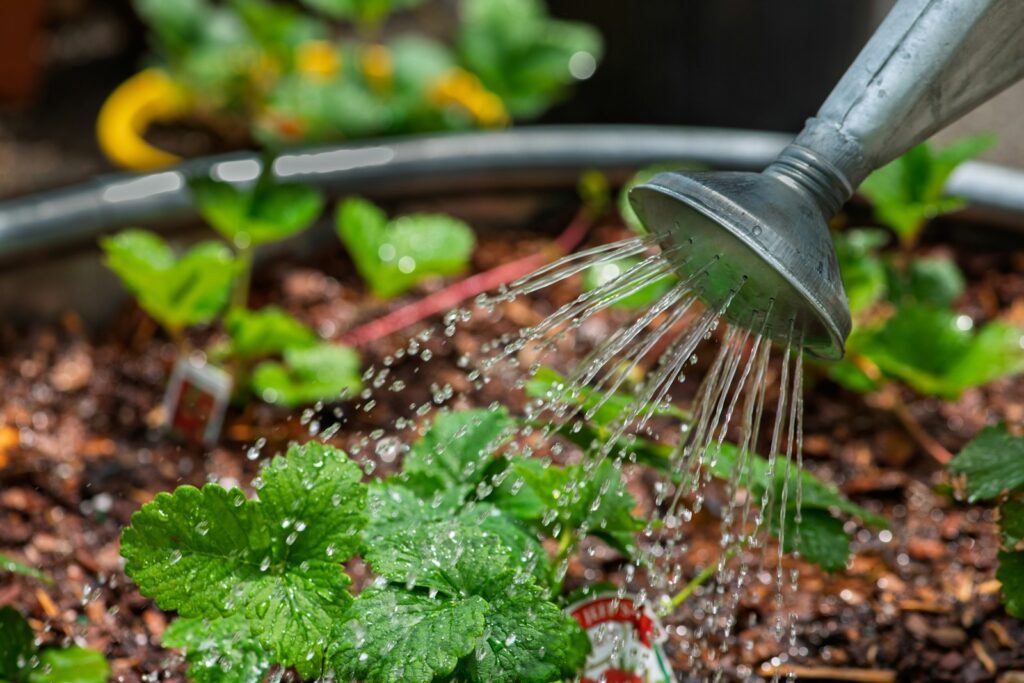
Add organic matter to your soil to help it hold water better. Organic matter acts like a sponge, soaking up moisture and slowly releasing it to the roots.
Mix in compost, mulch, or other organic materials to improve soil structure. This makes it easier for water to soak in and for air to reach plant roots.
Organic matter also feeds tiny soil creatures like earthworms and microbes. These helpers break down the material, making nutrients available to your plants.
Use drip irrigation to deliver water efficiently
Drip irrigation delivers water right to the roots of your plants. This means less water is lost to evaporation or runoff.
Drip irrigation keeps the soil moist without soaking the leaves, which can cause disease. By watering slowly and deeply, your plants develop stronger roots.
Setting up drip irrigation is easier than you might think. Start with a basic system using tubing and emitters, and adjust it as your plants grow or as the weather changes.
Avoid fertilizing during peak heat to reduce stress
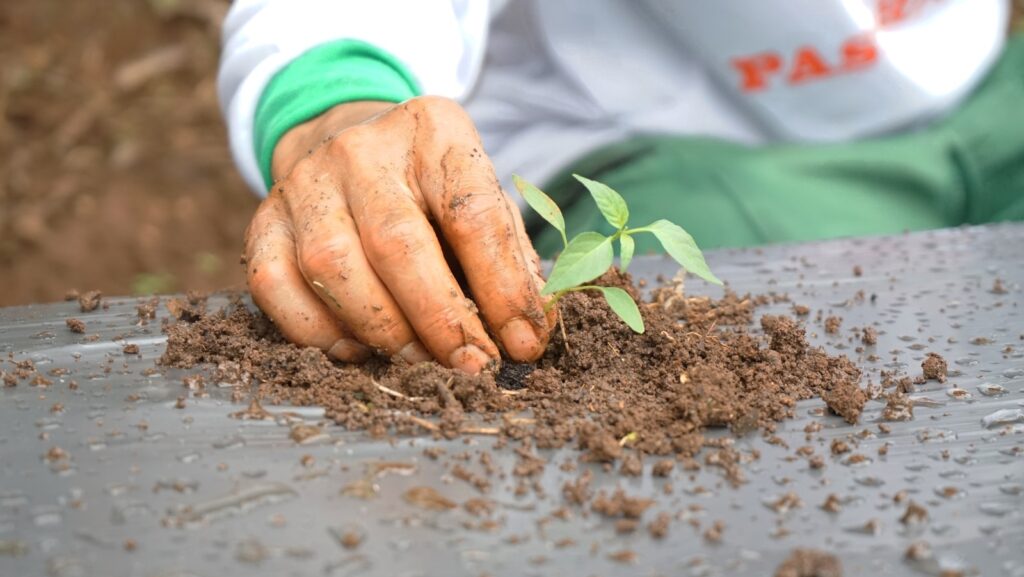
When the sun is blazing, hold off on fertilizing your plants. Heat makes it harder for plants to absorb nutrients, and extra nutrients can burn the roots.
If you want to feed your plants, choose cooler parts of the day like early morning or late evening. Use liquid or water-soluble fertilizers, which are gentler and easier for your plants to take in.
Place reflective materials nearby to deflect heat
Reflective materials can help your plants stay cool by bouncing sunlight away. Something as simple as aluminum foil can make a noticeable difference.
Make sure the shiny side faces outward toward the sun. Place foil sheets behind your plants or around pots to keep the area cooler.
Reflective barriers are an easy and smart way to protect your outdoor garden when temperatures climb.
Group plants with similar water needs together

Grouping plants that need the same amount of water makes caring for them much easier. When you put thirsty plants next to drought-tolerant ones, it can be hard to give each the right amount.
Keep plants with similar water needs in one spot to create specific watering zones. This means you can water each zone just right without guessing.
Try grouping succulents separately from ferns or flowers that need regular watering. It also helps your irrigation system work smarter by targeting only the areas that need water.
Understanding Heat Stress in Outdoor Plants
Heat stress happens when your plants face temperatures that are too high for too long. This can cause damage in many parts of the plant like leaves, roots, and fruit.
You need to know what happens inside your plants and how to spot early signs before serious damage occurs.
How Extreme Temperatures Affect Plants
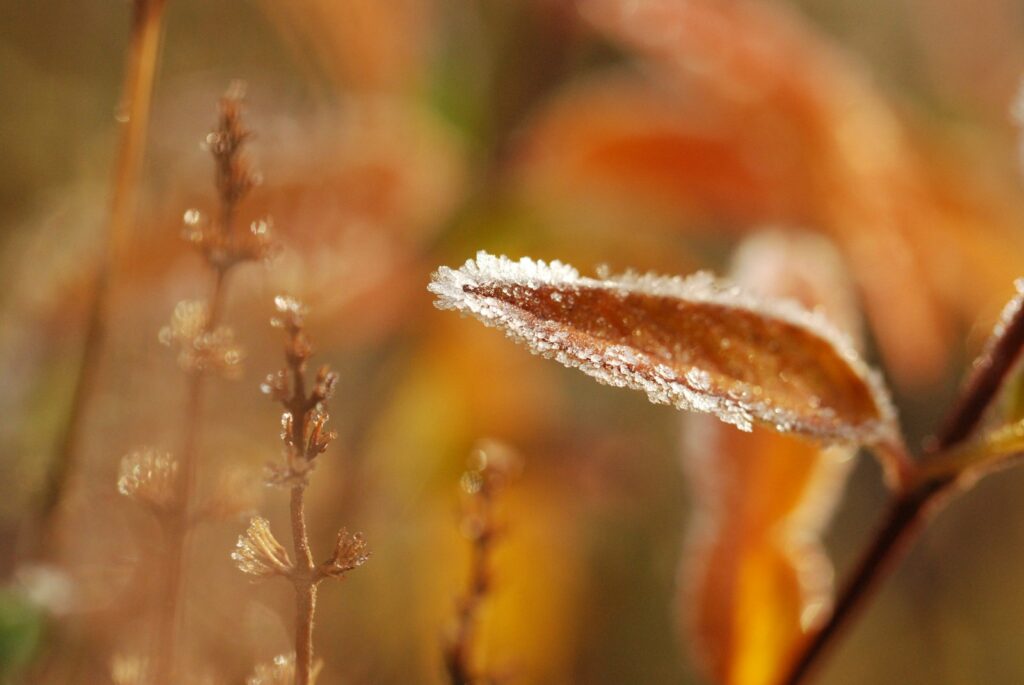
When temperatures rise above a plant’s tolerance, several things happen fast. Water inside the plant evaporates quickly, which dries out the leaves and slows down growth.
Heat can also cause sunburn on leaves, making them brown and crunchy. Roots may get damaged because extreme heat dries out soil faster.
This stops your plant from getting enough water and nutrients. Plants also close their tiny pores to save water, but this limits the air they need for food-making.
Different plants have different heat limits. Knowing what your plants can handle helps you protect them better.
Recognizing Early Warning Signs of Stress
The first signs of heat stress can be subtle. You might see wilting even though the soil is still wet.
Leaves may curl up or turn pale, especially on the edges. If you find brown or burned spots on leaves, these are signs of sun damage.
Flowers and fruit might drop early or stop growing because heat stresses the plant’s energy. Watch your plants closely during heat waves.
Catching these signs early means you can act fast, like watering or shading, before the damage gets worse.
Adjusting Care Strategies for Maximum Plant Resilience
When the weather heats up, your plants need a little extra attention. Small changes in your routine can help them stay healthy through the toughest days.
Switching up your watering habits makes a big difference. Watering deeply and less often helps roots reach down to cooler, wetter soil.
Try watering early in the morning or in the evening. This way, less water evaporates and your plants get a good drink before the sun is at its hottest.
A soaker hose or drip irrigation system is a great way to get water right to the roots. Overhead watering can leave leaves wet, which can actually make them burn faster in strong sunlight.
Check the soil by sticking your finger in about an inch or two. If it feels dry, it is time to water.
Be careful not to overdo it, since too much water can be just as tough on plants as too little.
Soil Management for Improved Moisture Retention
When the weather heats up, keeping your garden soil moist can feel like a constant battle. Dry soil makes it tough for plants to thrive, but there are simple ways to help your garden hold onto water longer.
Adding organic matter like compost or shredded leaves can make a big difference. Healthier soil holds moisture better and supports stronger plant roots.
Mulch is another secret weapon for gardeners. Placing a layer of mulch such as straw, bark chips, or grass clippings around your plants can help lock in moisture and keep the soil cooler.
If your soil feels hard or compacted, break it up gently with a garden fork. This helps water reach plant roots more easily.
Try not to disturb roots during the hottest days, since plants are already working hard to survive. With a little care, your soil can become a reliable ally in beating the summer heat.