7 Warning Signs Your Lawn Is About to Die
Walking outside and seeing your lawn looking less than perfect can be frustrating. Sometimes, trouble starts before you even notice brown spots or thinning grass.
It’s easy to assume your grass just needs a drink, but there could be something bigger happening under the surface. Catching problems early can make all the difference in saving your yard.
Brown or straw-colored patches spreading across the lawn

When you spot brown or straw-colored patches, it’s a sign your grass is under stress. These spots aren’t always the end for your lawn.
A common culprit is Ascochyta Leaf Blight, a fungus that dries out grass but usually clears up with some care. Brown patch fungus is another troublemaker, showing up in hot, humid weather and spreading quickly.
Brown patches might also mean your lawn isn’t getting enough water. Grass will sometimes turn brown to conserve energy during dry spells.
Adjusting your watering routine can help bring your lawn back to life. Keep an eye out for these patches so you can act before things get worse.
Grass blades pulling up easily, indicating pest damage
If your grass lifts away from the ground with little effort, that’s a red flag. Pests like grubs often chew through the roots, leaving your lawn loose and patchy.
You might notice animals digging in your yard, which is another clue grubs are present. These pests work quietly, but their damage is easy to spot once you know what to look for.
Treating the problem quickly helps your lawn recover. Preventive steps next season can keep pests from coming back.
Irregular dead spots that appear overnight
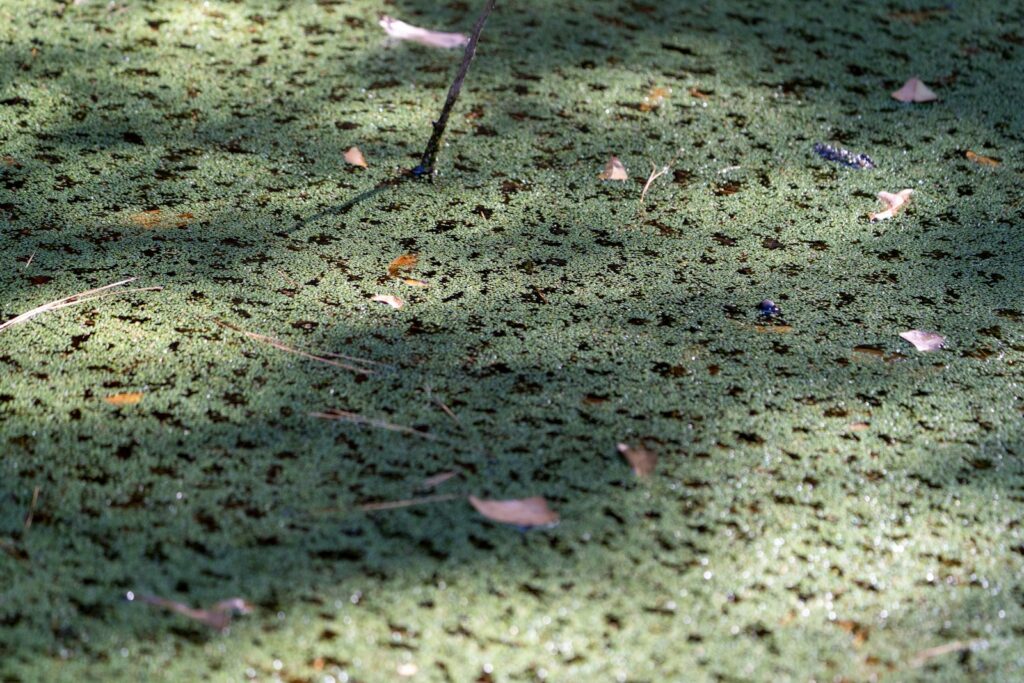
Waking up to strange, dead patches on your lawn is never a good feeling. These spots can pop up quickly and look uneven or oddly shaped.
Lawn diseases or pests are often behind these sudden changes. Fungal infections can move fast and kill grass in small areas.
Pet urine or insects feeding on roots can also leave your lawn looking rough overnight. If you notice webbing or odd colors, investigate further.
Catching these spots early makes it easier to fix the issue before it spreads.
Presence of visible lawn pests like grubs or beetles
Seeing beetles flying around or finding white, C-shaped grubs in the soil is a clear warning sign. These pests feed on grass roots and weaken your lawn from below.
Birds or animals digging up your yard are often after these grubs. Their presence usually means there’s a bigger problem lurking under the grass.
A few grubs aren’t a big deal, but too many can destroy your lawn fast. Regularly check for pests to protect your yard.
Soggy, waterlogged areas causing root rot
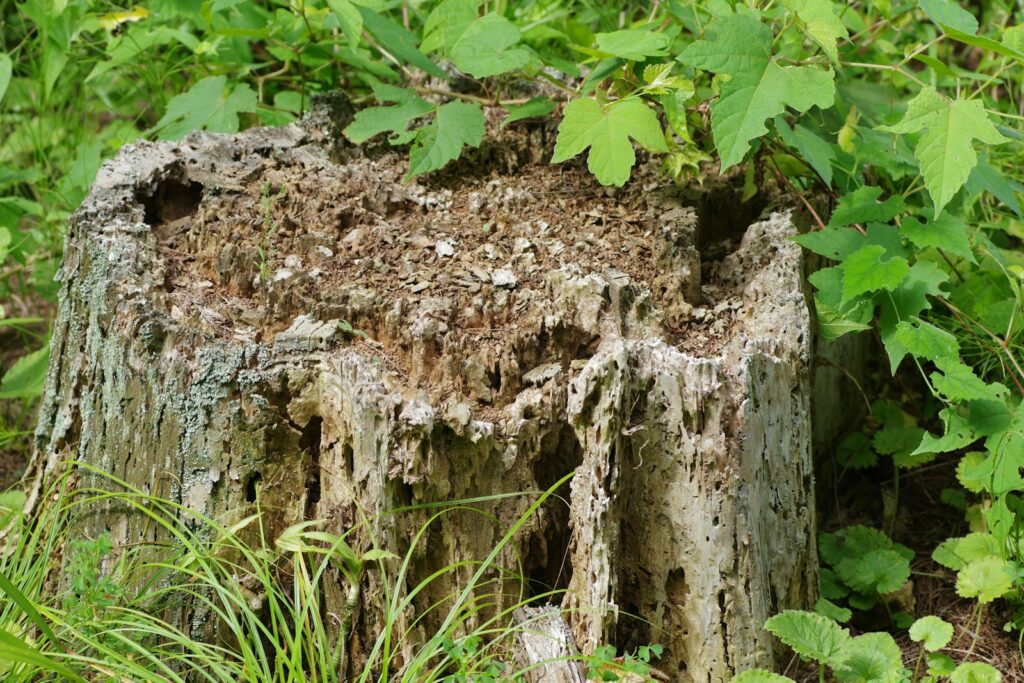
If you notice parts of your lawn staying wet long after it rains, pay attention. Waterlogged soil can lead to root rot, which weakens and kills grass quickly.
Roots need oxygen, and too much water suffocates them. You might see yellow or brown grass and even smell something unpleasant from the soil.
Improving drainage and cutting back on watering can help. Aerating the soil or adding sand can make a big difference.
Addressing soggy spots early gives your lawn a better chance to recover.
Fungal signs such as powdery or slimy spots
White, powdery patches on your grass are a sign of powdery mildew. This fungus loves damp, shady areas and can cover blades like dust.
Slimy, dark areas are another clue that fungi are at work. These patches can make grass feel wet and mushy.
Sometimes you’ll see fuzzy or cobweb-like growths, which means mold is active. Fungal problems block sunlight and steal nutrients from your lawn.
Spotting these signs early helps you treat the problem before it spreads.
Yellowing grass despite regular watering
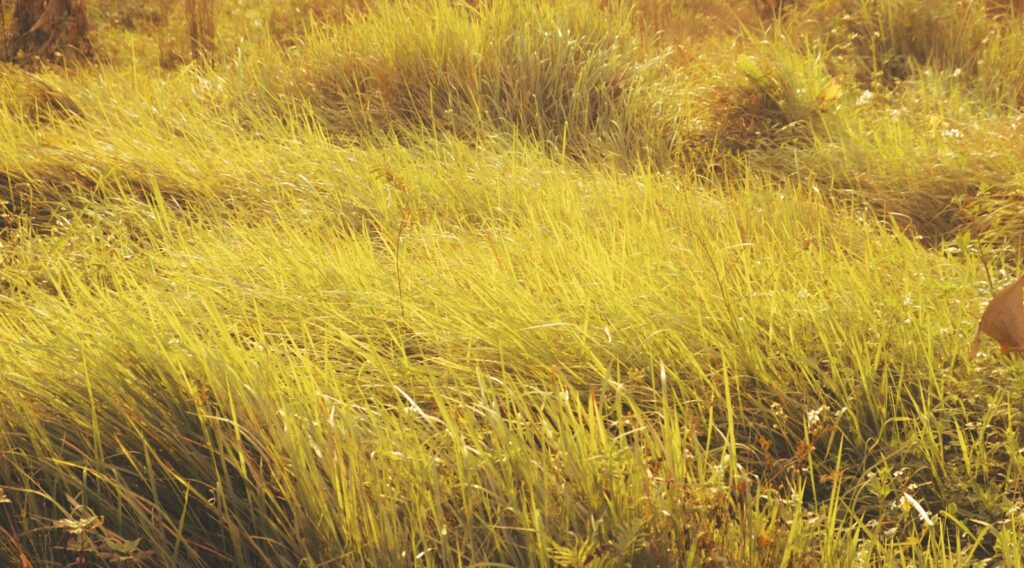
Grass turning yellow even with regular watering can be confusing. Nutrient problems are often to blame, especially a lack of nitrogen.
Overwatering can also cause yellow patches, as drowning roots makes it hard for grass to breathe. Compacted soil can make things worse by blocking air and water from reaching the roots.
Sometimes pests or diseases are behind yellow spots. Early detection is key to turning things around.
What Causes Lawns To Decline?
Lawns can struggle for lots of reasons, and sometimes more than one problem is at play. Knowing what to look for helps you get ahead of damage.
Environmental Stress Factors
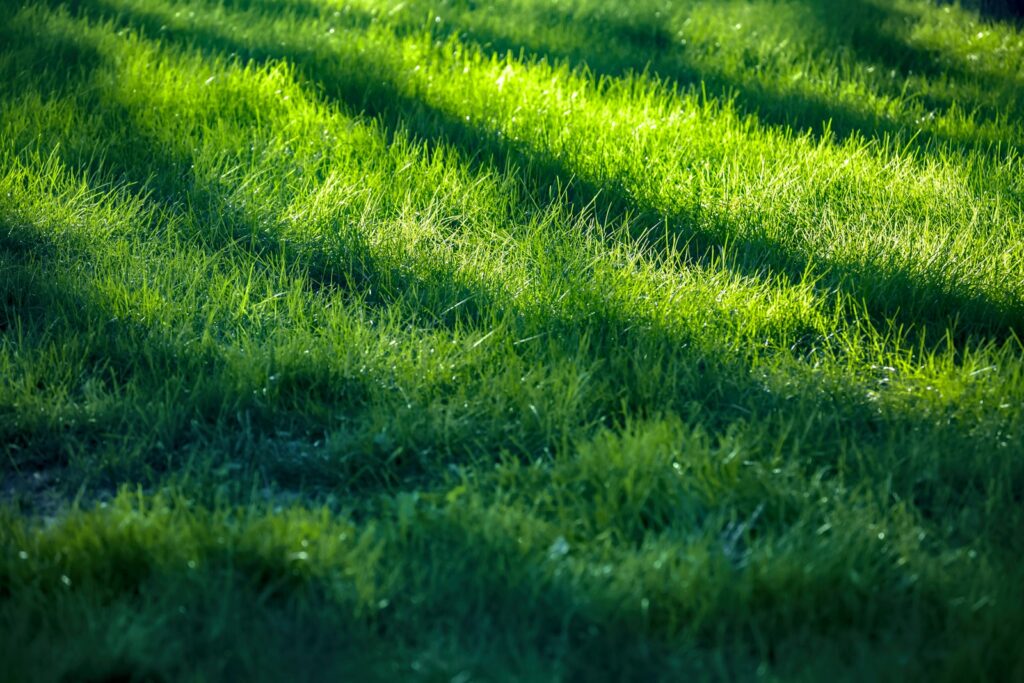
Heat, drought, and too much sun can quickly wear down grass. When water is scarce, lawns turn brown and become brittle.
Cold snaps and frost can also hurt grass, especially if it’s not suited for your area. Heavy shade and poor air movement can trap moisture and invite fungus.
Water deeply but less often to help roots grow strong. Try to avoid mowing during the hottest part of the day.
Soil Health Challenges
Healthy soil is the foundation of a great lawn. Compacted dirt keeps roots from getting air and nutrients, leading to thin or patchy grass.
If your soil is too acidic or alkaline, your lawn can’t absorb what it needs. Testing your soil’s pH can help you spot issues.
Aerating and adding the right fertilizer can improve soil health. Compost and mulch also boost your lawn’s strength.
Pest and Disease Influence

Insects like grubs and chinch bugs can quickly ruin a lawn by eating roots and blades. Early signs include brown patches and thin grass.
Fungal diseases show up as spots, mold, or slimy areas and thrive in wet conditions. Regular checks help catch these problems before they get out of hand.
Use targeted treatments for pests and improve drainage to keep diseases at bay.
Proactive Solutions To Save Your Lawn
Taking action early makes a huge difference in keeping your lawn healthy. Paying attention to watering, feeding, and mowing at the right times helps your grass stay strong.
Early Intervention Strategies
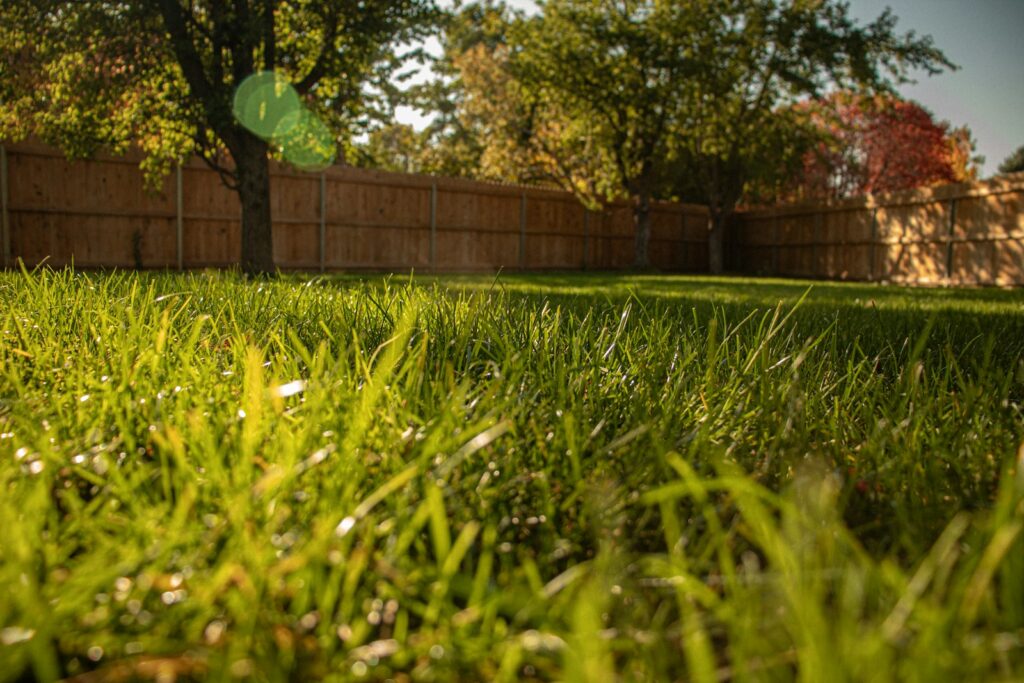
When you notice yellow or brown patches or footprints that don’t bounce back, start with deep watering. Watering once or twice a week in the morning helps roots grow deeper.
Remove dead grass and use mulch clippings to add nutrients. Watch for pests like chinch bugs that cause thinning patches.
If your lawn looks stressed, apply a balanced fertilizer in early summer. Keep your grass at the right height and avoid cutting off too much at once.
Seasonal Maintenance Tips
The way you care for your lawn should shift with the seasons. Spring is the perfect time to aerate compacted soil so water and air can reach the roots.
This step encourages deeper, stronger root growth. Raking and clearing away debris helps keep mold and lawn diseases at bay.
When summer arrives, try watering deeply but less frequently to avoid encouraging shallow roots. Choose a fertilizer with a summer blend high in nitrogen for better color and resilience.
Keep mowing, but raise the blade height during the hottest months. This helps your grass hold onto more moisture and reduces heat stress.
As fall sets in, overseed any bare patches to keep your lawn thick. Watering can be reduced as the weather cools down.
A fall-specific fertilizer can help your grass gear up for winter. Try to stay off the lawn as much as possible late in the year to avoid compacting the soil and causing damage.