Unexpected Things You Can Compost in Winter That Gardeners Always Forget
When winter rolls around, it’s easy to let composting slide. The cold can make it feel like nothing will break down, but there are actually plenty of useful scraps you can still toss in your pile.
Many people miss out on composting in winter, not realizing how many everyday items can keep their pile going strong. Knowing what to add during these chilly months means your compost will be ready to nourish your garden when spring finally arrives.
Eggshells: A Surprising Source of Calcium
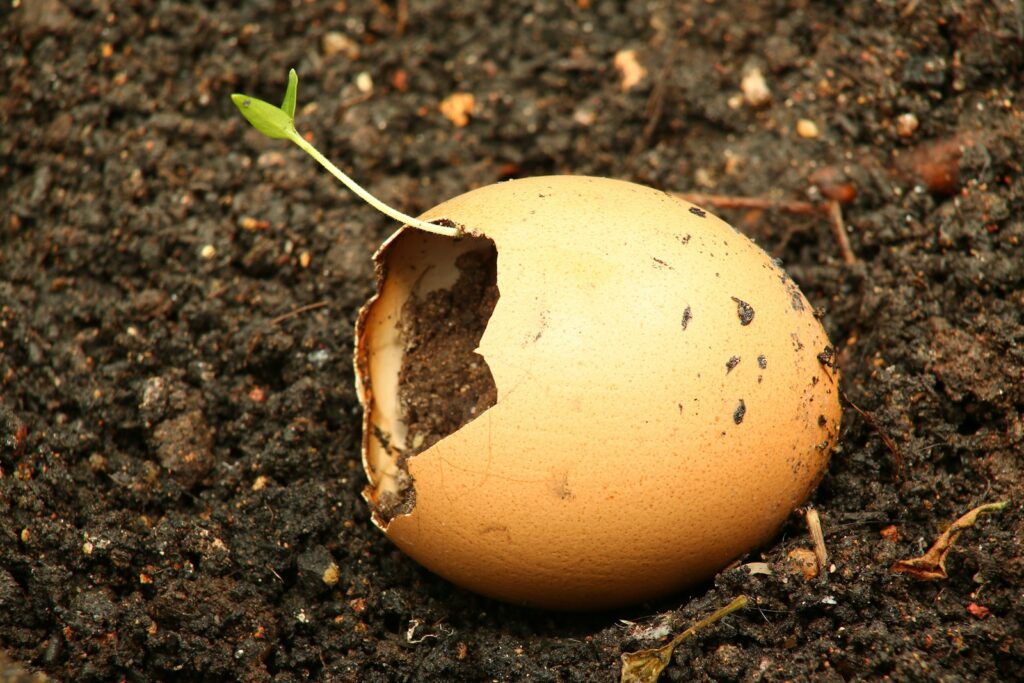
Eggshells often end up in the trash, but they’re packed with calcium, which helps plants grow stronger. Crushing them before composting makes the nutrients more available to your soil.
If you grind eggshells into a fine powder, they break down even faster. Larger pieces take longer but still add value over time.
Sprinkling eggshells in your compost can also help keep pests away, thanks to their sharp edges. Just remember not to overdo it, as too much calcium can affect your soil’s pH.
Coffee Grounds: Great for Winter Compost Heat
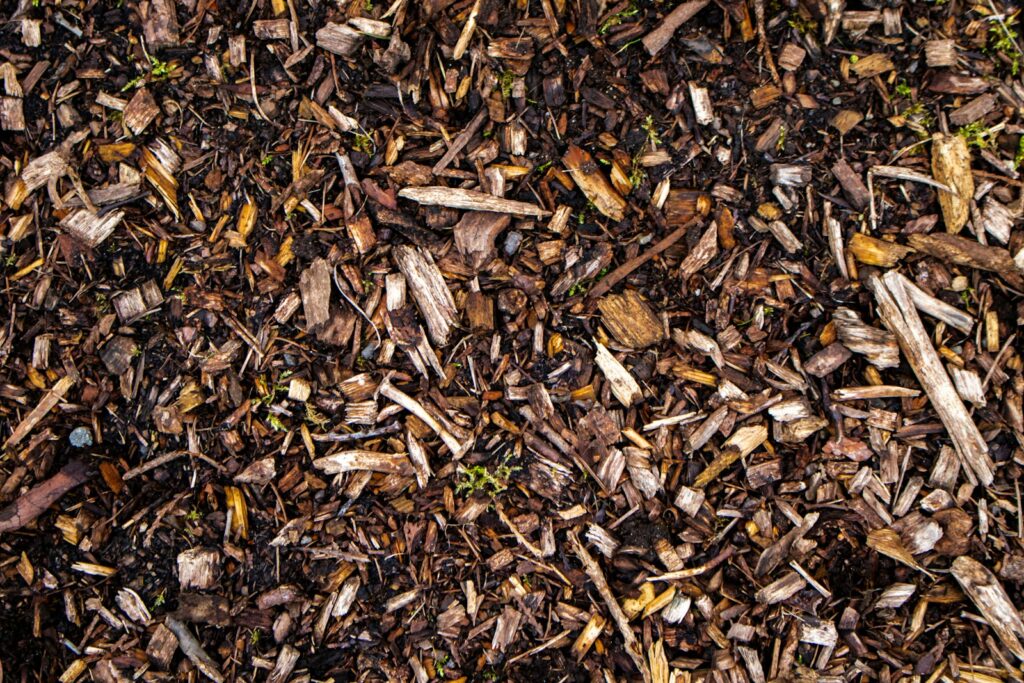
Coffee grounds are a fantastic way to add nitrogen to your winter compost. Nitrogen helps generate heat, which is important for keeping your pile active in the cold.
Let grounds cool before adding them to avoid harming helpful microbes. They mix well with dry leaves and paper, balancing moisture and preventing odors.
Used coffee filters can go in too, as they add carbon. This combo keeps your compost healthy and ready for spring.
Tea Bags (Unbleached): Add Subtle Nutrients
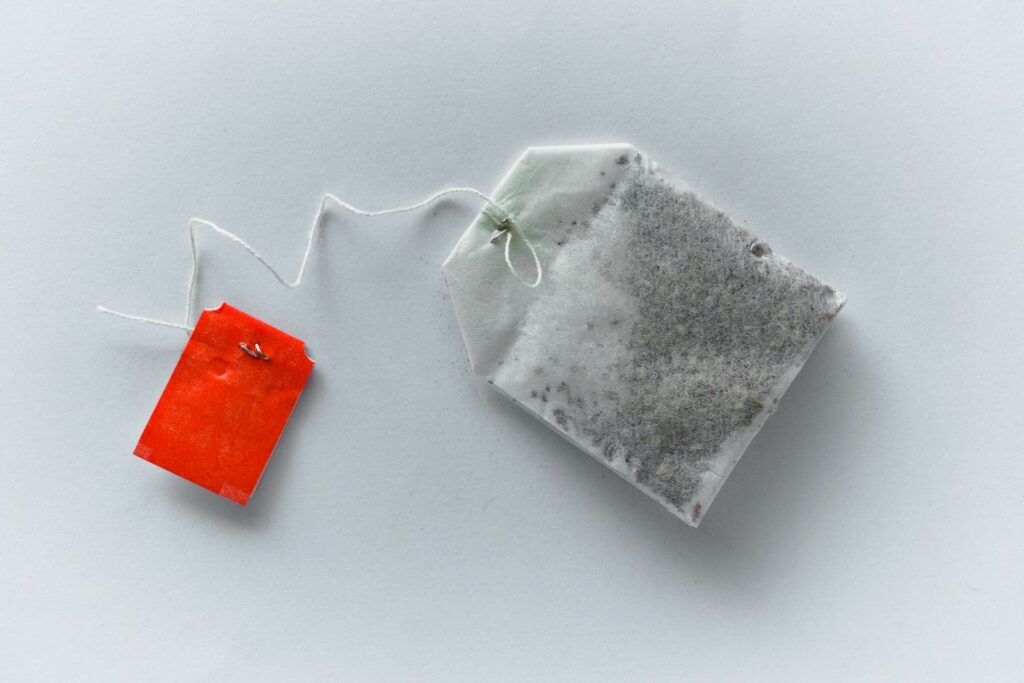
Unbleached, plastic-free tea bags can be composted and break down naturally. They add small amounts of nitrogen and help improve soil texture.
Make sure to use only natural fiber or cotton tea bags. Avoid those with plastic seals, as they won’t decompose properly.
Including tea bags is a simple way to reduce waste and give your compost a gentle nutrient boost.
Citrus Peels: Brighten Your Compost Pile
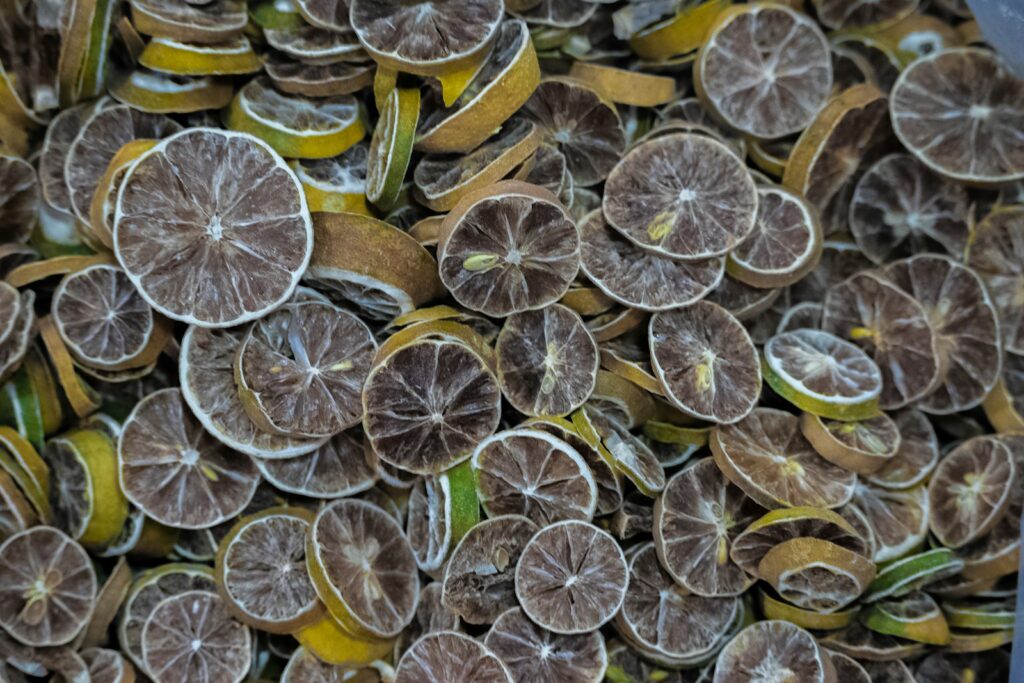
Citrus peels are often overlooked, but they add valuable nutrients and a splash of color to your compost. Chop them into smaller pieces to help them break down faster.
Adding peels in moderation won’t harm your compost’s microbes. They can even help keep your pile smelling fresh during winter.
Hair Clippings: Surprisingly Rich in Nitrogen
Hair clippings are a sneaky way to add nitrogen to your compost. They break down slowly, providing a steady nutrient source for your plants.
Mix hair with other materials to prevent clumping. Pet fur works too, as long as it’s from untreated animals.
Nut Shells Like Walnut and Pecan: Slow Decomposers Worth Adding

Nut shells from walnuts and pecans are high in carbon and decompose slowly. This helps your compost maintain structure and aeration.
Crush or shred shells before adding them. Be cautious with walnut shells, as they can affect some plants, use their compost carefully.
Cardboard Egg Cartons: Shred for Carbon Boost
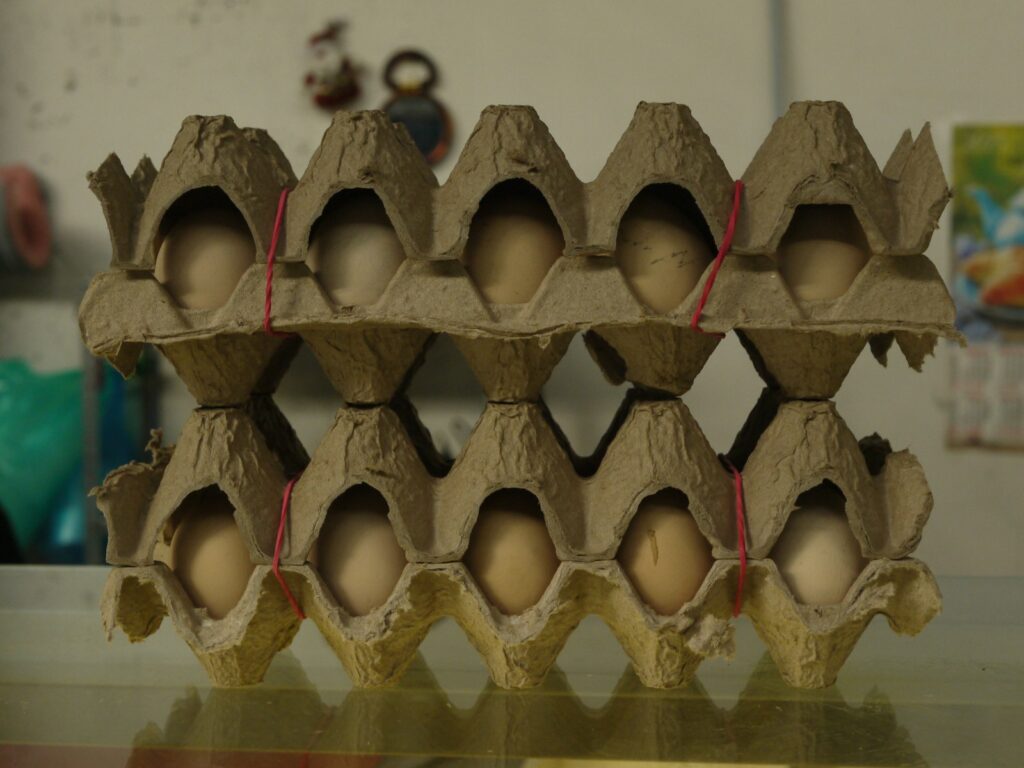
Cardboard egg cartons are an easy way to add carbon to your compost. Rip or shred them to help them break down and improve airflow.
Only use cartons made from cardboard or molded paper pulp. Skip any with plastic or foam.
Pumpkin Seeds: Toss Them In for Extra Nutrients

Pumpkin seeds are full of minerals and vitamins that can enrich your compost. Crushing them before adding helps prevent unwanted sprouts.
Adding these seeds keeps valuable nutrients out of the landfill and in your garden.
Used Paper Towels: Perfect Winter Compost Fillers
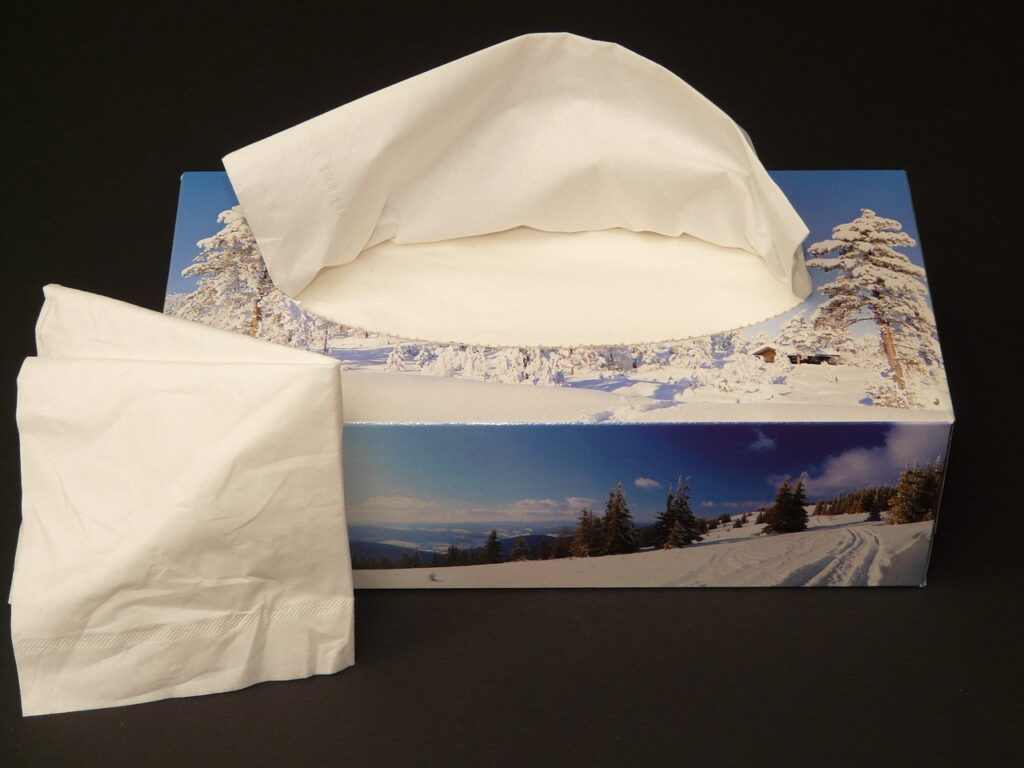
Used paper towels made from natural fibers break down easily, even in winter. They add both moisture and carbon, balancing your compost.
Skip towels soaked with chemicals or bleach. When used for cleaning up fruit or veggie scraps, they’re a perfect fit for the pile.
Paper towels also help keep your compost fluffy and well-aerated.
Corn Husks: Fiber-Packed and Easy to Break Down

Corn husks add structure and fiber to your compost, helping balance out wetter materials. Tear or chop them to speed up decomposition.
They dry out quickly in winter, so monitor moisture levels in your pile. Husks break down over time and contribute valuable nutrients.
Why Winter Composting Works
Even when it’s cold, composting doesn’t have to stop. Microbes keep working, just at a slower pace, and your pile can still break down materials.
Decomposition slows in winter, but the center of your pile stays warmer than the air outside. Insulating with leaves or straw helps keep things moving.
Starting now means you’ll have nutrient-rich compost ready for spring planting. Composting through winter also helps manage waste and supports soil health.
Many people think frozen scraps can’t decompose, but they thaw and break down as temperatures fluctuate. Your pile’s natural heat is usually enough if you keep it balanced.
You don’t need special ingredients, fruit peels, veggie scraps, coffee grounds, and shredded paper all work year-round.
How to Prepare Your Compost Pile for Cold Weather
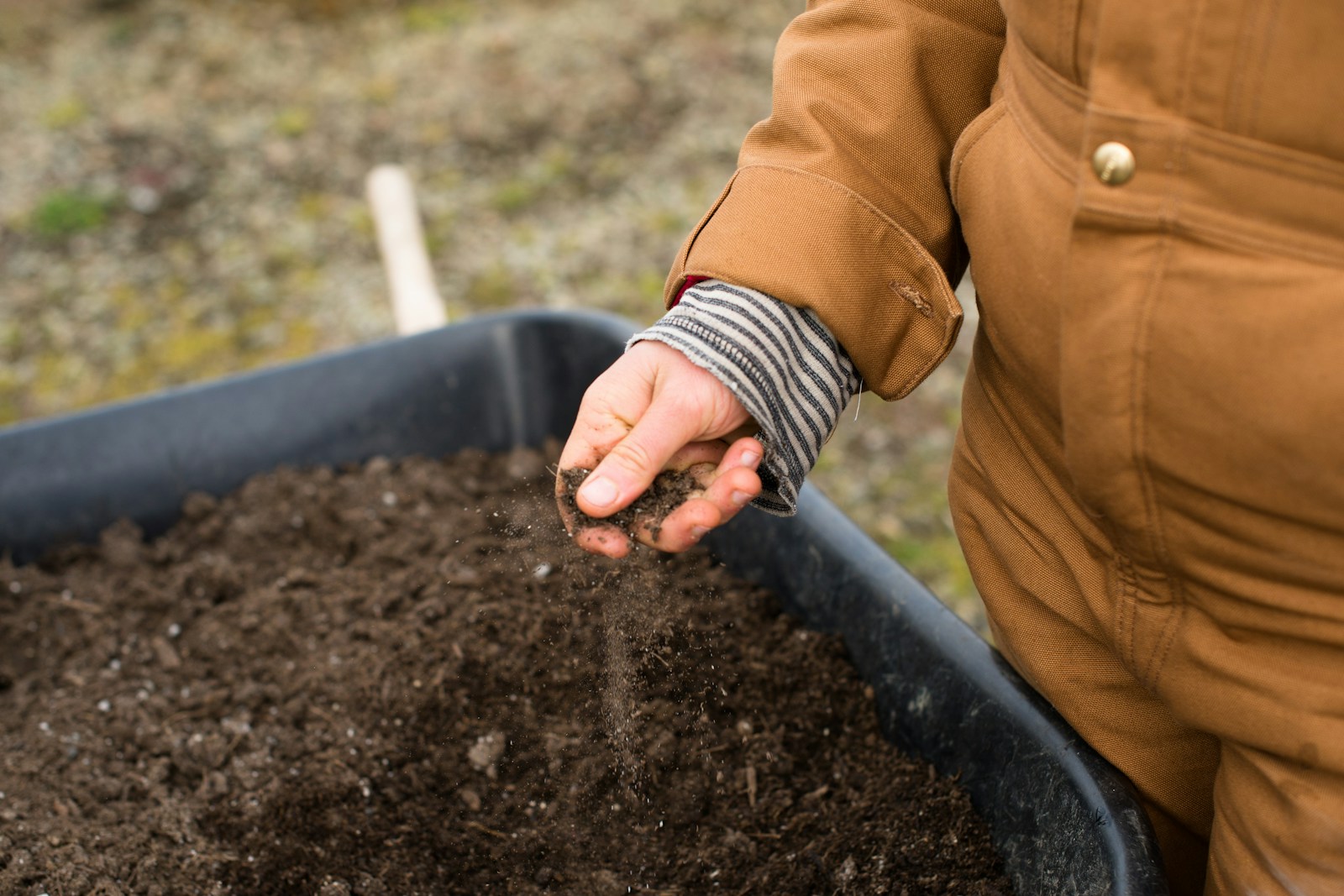
Get your compost ready for winter by keeping it warm and moist. Protect it from freezing, but make sure it doesn’t get soggy.
A well-prepared pile will keep breaking down, giving your garden a head start when spring arrives.
Insulating Techniques
Keeping your compost warm during colder months can feel like a challenge, but a few simple tweaks make a big difference. Try adding insulation around and on top of the pile using straw, dry leaves, or shredded cardboard.
These materials form a thick layer that traps heat and keeps cold air from reaching the core. You can also build a wooden or wire frame around your pile and fill the gaps with hay bales or old blankets.
Placing your compost on soil instead of concrete helps maintain warmth since the ground releases stored heat. Covering the pile with a tarp helps prevent moisture loss while still allowing air to circulate.
Remember to turn the pile regularly to mix in fresh material and distribute heat more evenly. Small changes like these can help your compost stay active even when the temperature drops.
Moisture Management for Winter Composting
Keeping your compost pile healthy in the winter can feel like a challenge. The cold weather slows everything down, so moisture becomes even more important.
Your compost should feel damp, similar to a wrung-out sponge. If it dries out, decomposition slows to a crawl.
On the other hand, too much water can lead to freezing or unpleasant odors. If the pile looks dry, especially under any insulation, add a bit of water.
Snowfall can naturally add moisture, but try not to let water collect on top of your pile. Mixing in coarse brown materials such as straw or shredded paper helps soak up extra water and keeps air moving inside.
Make it a habit to check moisture levels every week. This way, you can keep your compost active and working all winter long.