How to Protect Young Trees from Winter Cracking and Frost
If you’ve ever planted a young tree, you know how much care they need, especially when cold weather rolls in. Winter brings freezing temperatures, harsh winds, and sudden temperature swings that can lead to bark cracking and splitting.
These issues can slow your tree’s growth or even cause lasting damage. Learning a few simple tricks can make a big difference in how your trees handle the cold.
Wrap trunks with breathable Ace-style elastic bandages to prevent sunscald!
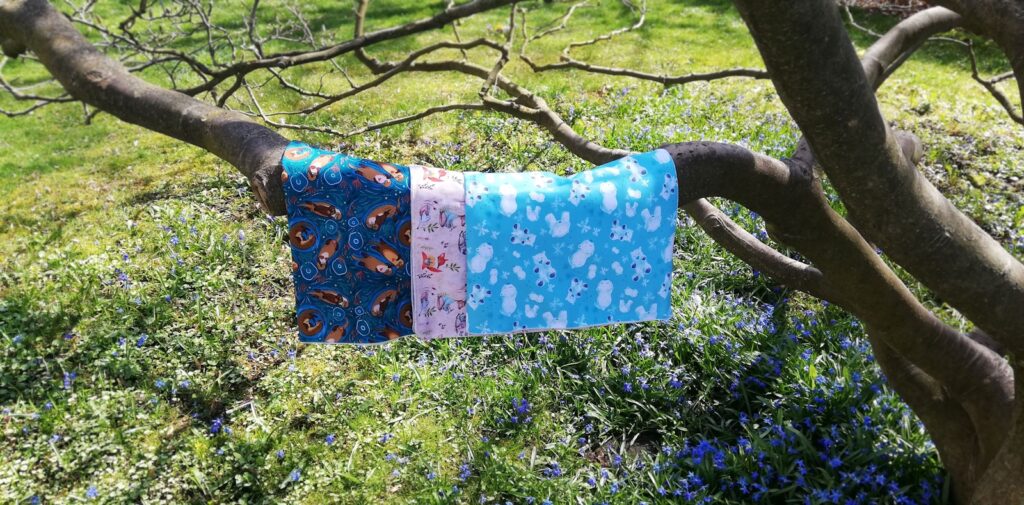
One way to shield your young trees is by wrapping their trunks with breathable Ace-style elastic bandages. The flexibility of these bandages allows the tree to grow without being constricted.
The breathable fabric lets air move through, which helps prevent moisture from getting trapped. This is important because trapped moisture can harm the bark.
The wraps also protect your trees from sunscald. Sunscald happens when winter sunlight heats the bark during the day and then freezing temperatures cause cracks at night.
Wrapping gives your tree insulation against frost cracks. These cracks are caused by sudden temperature drops that freeze and split the bark.
Wrap your trees before the first frost. Start at the base of the trunk and work your way up.
The elastic bandages are easy to use and keep your trees protected all winter.
Apply 2-4 inches of organic mulch around the base to insulate roots!
Keeping your young trees warm at the roots is as important as protecting their trunks. Spread 2 to 4 inches of organic mulch like straw, shredded leaves, or wood chips around the base.
This mulch layer helps insulate the roots from freezing temperatures. It slows down how fast the soil cools and creates tiny air pockets that act like a cozy blanket.
Don’t pack mulch directly against the trunk. Leave a small gap to prevent moisture buildup that can cause rot.
Mulching after the first frost but before the ground freezes is the best timing. In spring, you’ll notice your tree’s roots are stronger and healthier.
Water young trees deeply before the ground freezes for winter strength!
Before the ground freezes, give your young trees a deep watering. This helps their roots stay hydrated and strong through winter.
Even if your tree looks dormant, it still needs water. Cold winds and dry soil can dry out roots quickly.
Water slowly and deeply around the root zone, not just near the trunk. Stop watering once the soil has frozen.
Moist soil holds heat better than dry soil. Giving your tree a good drink before winter helps it bounce back in spring.
Use tree guards or burlap wraps on the south and southwest sides to block harsh sun!
The south and southwest sides of your trees get the most winter sun, which can lead to cracking and frost splits. Placing tree guards or burlap wraps on these sides helps block the intense sunlight.
Wrap the trunk from the base up to the first branch. Burlap creates a barrier against sun and wind, while tree guards made from plastic or other materials also work well.
Put on wraps in late fall and remove them in spring. This prevents problems like trapped moisture or insects.
A little extra care during winter keeps your tree’s bark safe and healthy.
Prune branches properly to reduce wind exposure and mechanical stress!
Proper pruning makes a big difference for young trees facing winter storms. Removing weak or crowded branches reduces wind resistance, which means less stress on the trunk and roots.
Focus on cutting away branches that cross or rub against each other. These can cause wounds and invite disease.
Trim branches growing toward the center to help open up the canopy. This allows wind to pass through more easily.
Prune when the tree is dormant, like late winter or early spring. Use sharp, clean tools for smooth cuts.
Careful pruning encourages strong, healthy growth and helps your tree stand up to harsh weather.
Plant young trees in sheltered spots away from prevailing winds!
Where you plant your tree can make a world of difference in how it weathers the winter. Try to find a spot that’s protected from strong, cold winds.
Areas near fences, buildings, or bigger trees can act as natural windbreaks. Even a small barrier helps reduce stress and damage.
Avoid planting in wide-open spaces where the wind is strongest. When trees are shielded, their bark is less likely to crack.
Choosing a sheltered spot means your tree will have a better shot at thriving all year.
Install plastic or fabric tree wraps in late fall before the first hard frost!
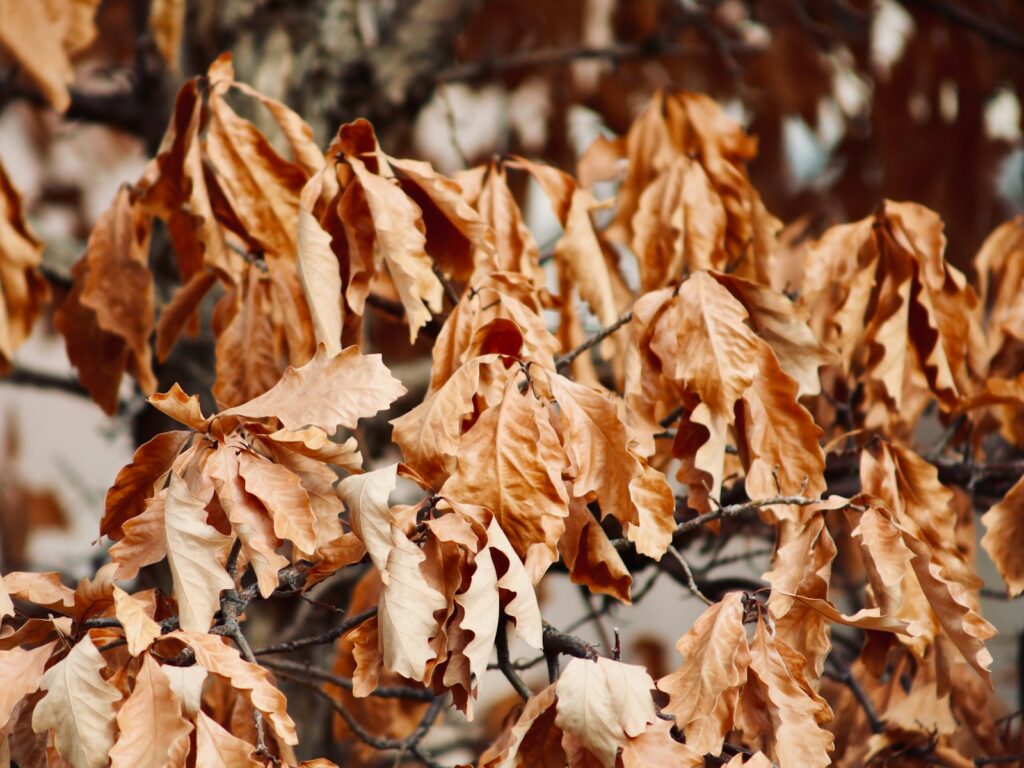
Get your trees ready for winter by wrapping them with plastic or fabric tree wraps before the first hard frost. This shields the bark from sudden temperature drops.
Use long strips of wrap, starting at the base and working up the trunk. Keep the wrap snug but not too tight so the tree can still breathe.
The wrap acts as a barrier against cold air and sunscald. It also helps keep animals from damaging the bark.
Check your wraps during the season and remove them in early spring. This keeps your tree healthy and ready to grow.
Avoid wrapping too tightly to allow air circulation and prevent mold!
When wrapping your young trees, don’t pull the material too tight. Tight wraps can trap moisture and stop air from circulating.
This creates the perfect environment for mold to grow. Keep the wrap snug but loose enough for the tree to breathe.
Breathable materials like burlap are a good choice. Leave some space between layers to help air flow and protect the bark.
Gentle wrapping helps prevent mold and bark damage, making winter cracks less likely.
Use frost cloth or horticultural fleece during extreme cold snaps!
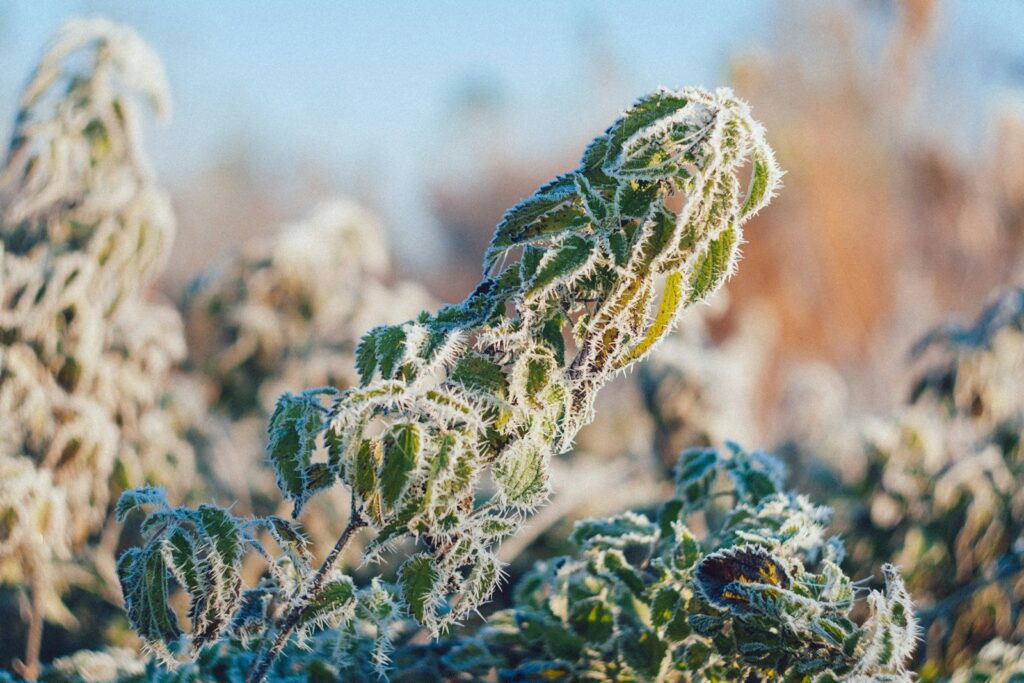
When the forecast calls for a deep freeze, grab some frost cloth or horticultural fleece. These materials are lightweight and let air and moisture pass through.
Drape the fleece loosely over your tree, covering the branches and trunk. Secure the edges with stones or stakes to keep out the cold air.
Frost cloth acts like insulation, trapping warmth around the tree and reducing the risk of cracking. It’s easy to put on and take off as needed.
This is a quick and effective way to protect your young trees during the harshest winter nights.
Regularly inspect trunks for early signs of cracking or sunscald damage!
Keep an eye on your young trees during winter. Check the trunks often for small cracks or sunscald spots.
Sunscald shows up as thin, dead patches on the bark. Cracks usually run vertically down the trunk.
Catching these problems early lets you take action before they get worse. Simple steps like re-wrapping the trunk or adding mulch can help.
Check your trees every week or after big temperature swings. Early attention makes a huge difference.
What Causes Winter Cracking and Frost Splits?
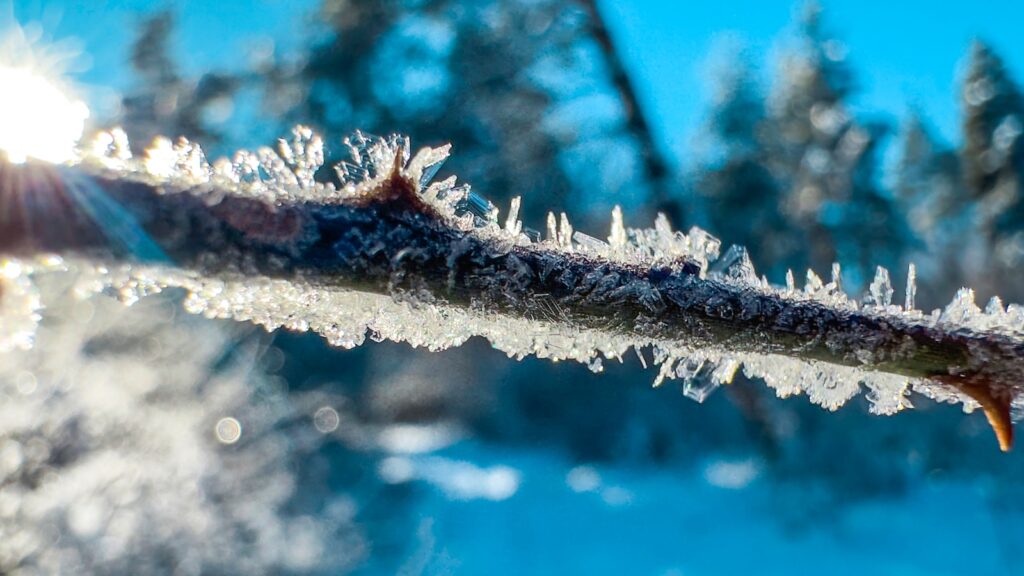
Winter cracking and frost splits are caused by the way tree bark and wood react to cold and sudden temperature changes. These cracks usually run vertically and can get worse if the weather keeps changing.
Understanding why this happens helps you protect your trees better.
Understanding Tree Bark Vulnerability
Young trees have thinner bark that can’t handle extreme stress as well as older trees. The bark and the wood underneath expand and contract at different rates when temperatures change quickly.
This creates pressure inside the trunk, leading to vertical cracks. The sunnier sides of the tree, especially the south, are hit hardest because they warm up more during the day and freeze quickly at night.
If the bark is already thin or damaged, cracking is even more likely.
Impact of Rapid Temperature Fluctuations
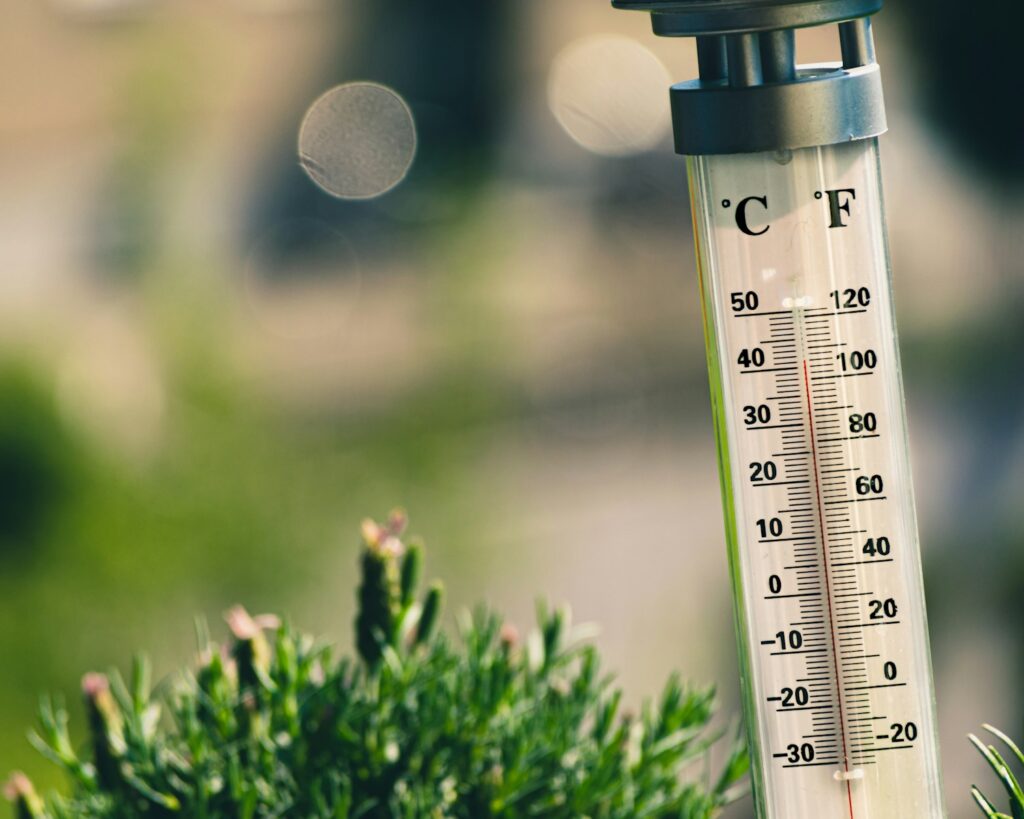
Rapid temperature swings are a big reason for frost splits. When the sun warms the bark during the day, it swells. If the temperature drops fast at night, the wood contracts quickly.
This sudden change causes the bark to split. Water inside the tree can freeze and expand, pushing against the bark and wood.
If this freezing and thawing happens over and over, the trunk gets weaker. Cracks can grow and reopen each winter.
Long-Term Strategies to Reduce Damage
Choosing the right tree and planting it carefully can help prevent winter cracking and frost splits for years to come.
Selecting Cold-Hardy Tree Species
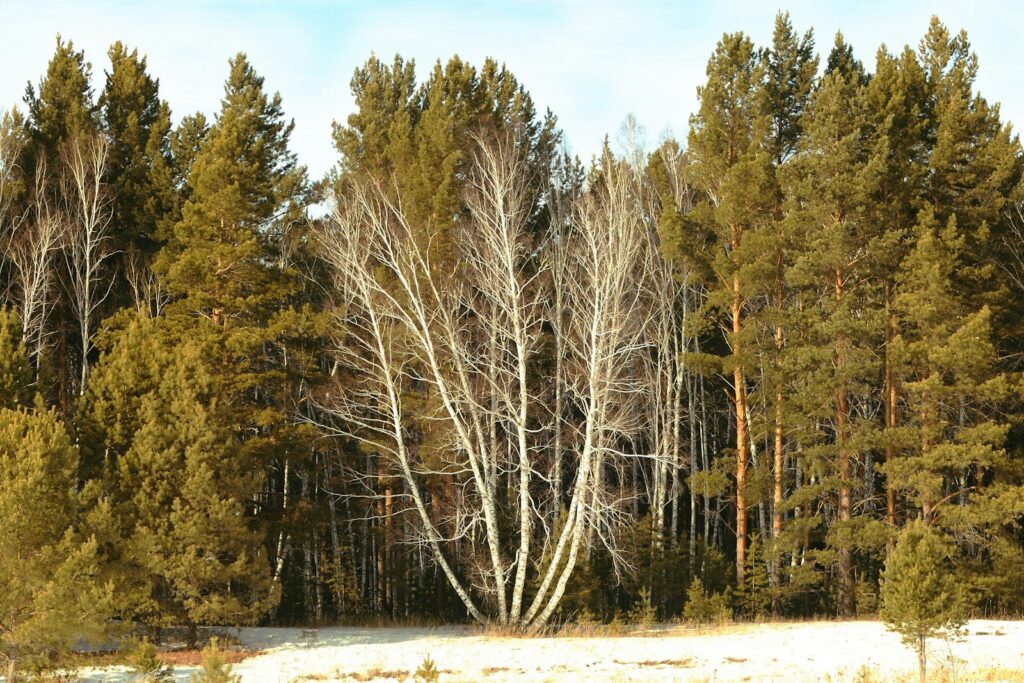
Pick tree species that handle cold temperatures well. Look for varieties that thrive in your hardiness zone and have thicker bark.
Some great cold-hardy choices are maple, oak, and pine trees. These types can resist sunscald and frost damage better than thin-barked species.
Choosing tough trees from the start saves you a lot of work later.
Proper Placement and Planting Techniques
Finding the right spot for your tree can make a big difference in how well it handles winter. If you can, choose a location with some shade during the coldest part of the day, such as the north or east side of a building or near taller plants.
Shade helps shield the bark from harsh sunlight and sudden temperature drops. It can be surprising how much protection a little shade can provide.
When planting, pay attention to depth and make sure the soil around the roots is loose. This gives your tree the best chance to grow strong and healthy.
A layer of mulch around the base helps keep soil temperatures steady. Mulch also protects the roots from freezing, which is especially important for young trees.
Try to steer clear of spots that get a lot of wind. Strong winds can dry out bark and make cracking more likely.