Perennials You Shouldn’t Cut Back Until Spring (And Why) to Boost Growth and Beauty
Every gardener knows that timing is everything, but when it comes to perennials, waiting to cut them back can feel counterintuitive. The urge to tidy up before winter is strong, yet holding off can make a real difference in your garden’s health and even help local wildlife.
Some perennials benefit from being left alone until spring. Not only do they weather the cold better, but they also offer food and shelter to birds and insects when resources are scarce.
Bigleaf Hydrangea
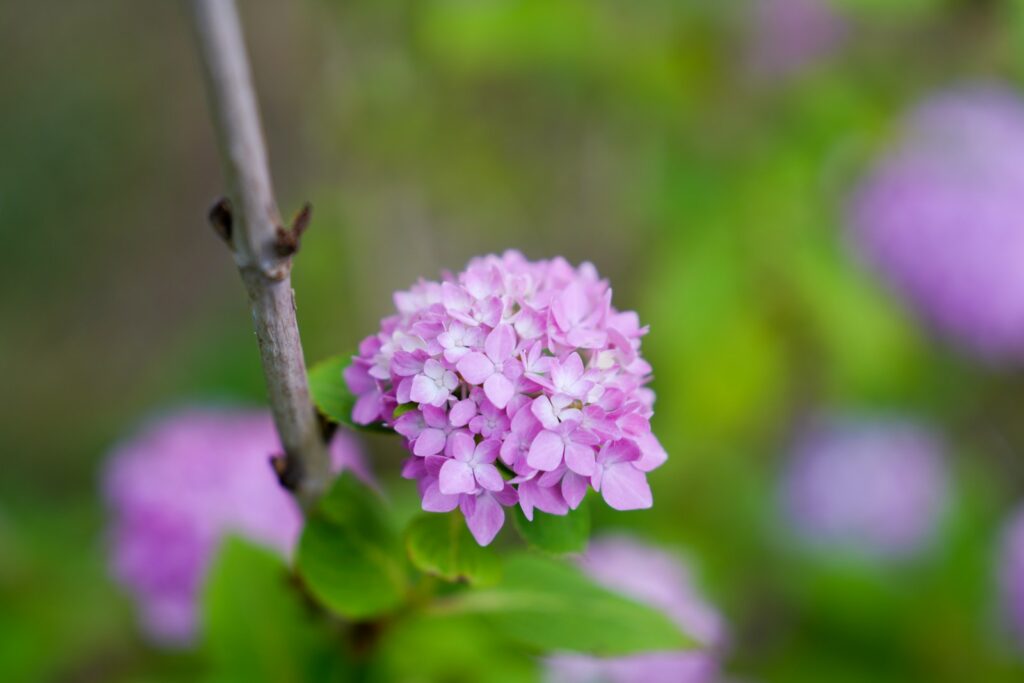
It’s tempting to reach for your pruners, but bigleaf hydrangea needs a little patience. These beauties set their flower buds on old wood, so trimming too early can mean fewer blooms next year.
Once the flowers have faded, that’s your cue to prune. Snip just above a pair of healthy leaves to keep the plant vigorous.
Deadheading faded flowers at this time encourages new growth and keeps things looking tidy. Waiting ensures you’ll enjoy a healthy, vibrant hydrangea when the next season rolls around.
Oakleaf Hydrangea
If you have oakleaf hydrangea, resist the urge to prune in the fall. This plant’s buds for next year’s blooms form on last year’s growth, so cutting now could mean missing out on flowers.
Wait until after the last frost or early spring to trim. This protects the developing buds and helps your plant put on its best show.
When spring arrives, shape your oakleaf hydrangea and remove any dead or weak branches. Avoid heavy pruning in winter to preserve as many blooms as possible.
Coneflowers (Echinacea)
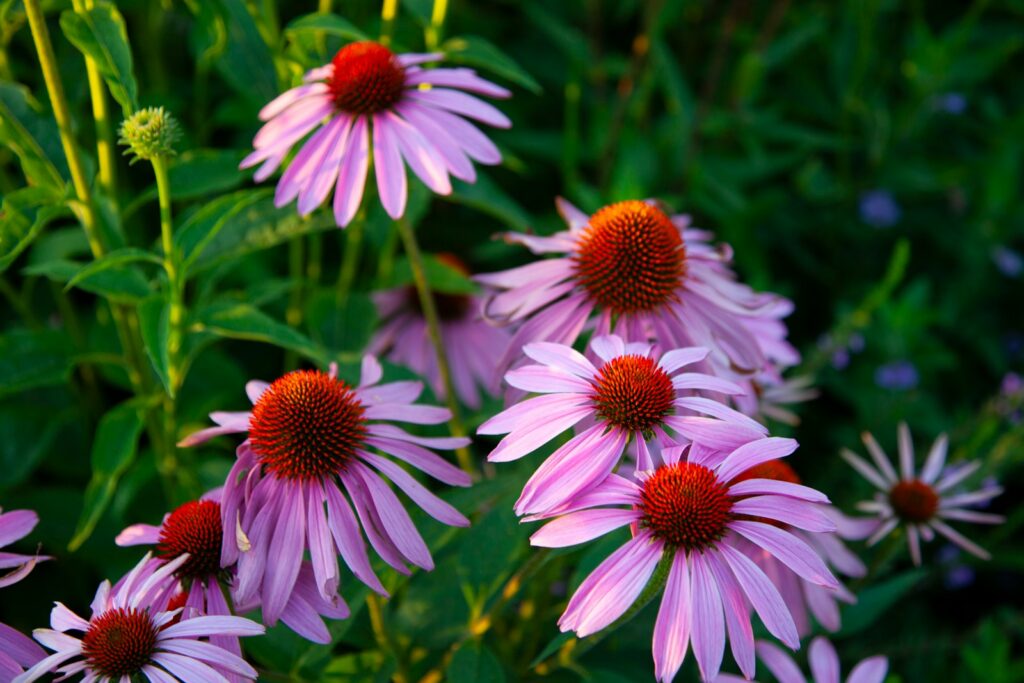
It’s easy to want a neat garden, but leaving coneflower seed heads standing through winter is a gift to local birds. These seed heads provide a much-needed food source when little else is available.
The dried stalks also add character to your winter landscape. Once spring comes, cut back the old growth to make way for new blooms.
Supporting wildlife and keeping your garden interesting during the cold months is a win-win. Hold off on the cleanup and let nature do its thing.
Black-eyed Susans (Rudbeckia)
Leaving Black-eyed Susans up through winter helps more than just your garden’s appearance. Their dried stems and seed heads create important structure for pollinators and birds seeking food and shelter.
Seeds left on the plant can be a lifeline for birds in winter. The leftover stems also offer shelter for beneficial insects.
Letting these plants stand until early spring means less work in the fall and a healthier garden ecosystem. It’s a simple way to support wildlife while keeping your space lively.
Bee Balm (Monarda)
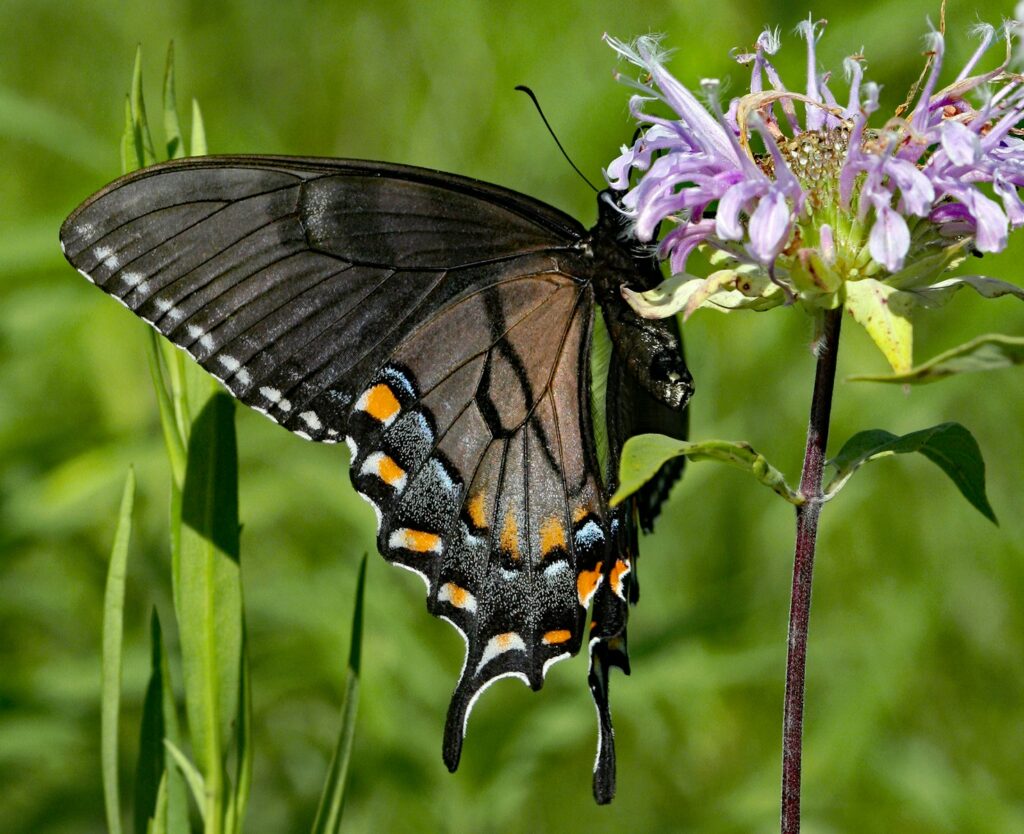
Bee Balm’s dried foliage does more than look rustic—it creates a cozy shelter for helpful insects. These bugs help control pests naturally, keeping your garden in balance.
The old flower heads can also provide food for birds during colder months. Waiting until spring to cut back supports pollinators and keeps your garden healthy.
When new growth appears, that’s the time to prune. Your patience helps both your plants and the tiny creatures that call your garden home.
Russian Sage
Russian sage might look a bit wild by late fall, but cutting it back too soon can leave it vulnerable to cold damage. The old stems act as a protective shield, helping the plant survive winter’s worst.
It’s best to wait until late winter or early spring, after the threat of hard frost has passed. This timing encourages fuller growth and more blooms when the weather warms up.
Letting those stems stand not only protects the plant but also makes spring cleanup easier. Your sage will bounce back stronger for it.
Sedum ‘Autumn Joy’
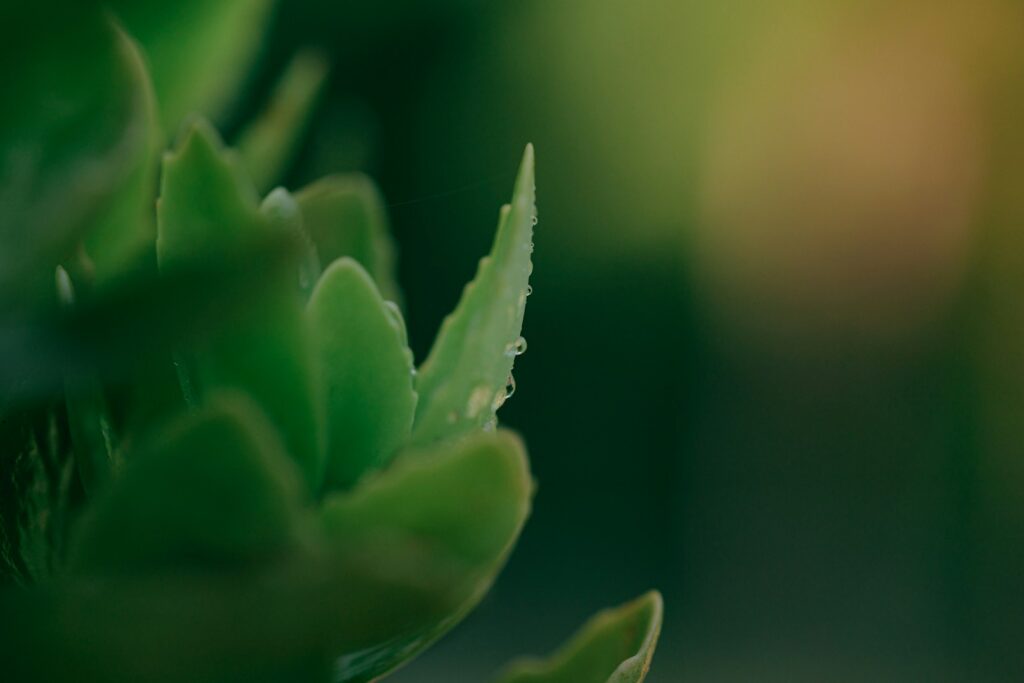
Sedum ‘Autumn Joy’ offers winter interest with its tall stems and dried flower heads. These structures add color and shape to your garden when most other plants are bare.
The seed heads also provide food for birds during the lean months. Leaving them up until early spring helps wildlife and keeps your garden looking lively.
When new growth starts, that’s your signal to trim back the old stems. It’s an easy way to support both beauty and biodiversity.
Delphinium
Delphiniums bring drama to the garden, but their tall, fragile stems are best left alone until spring. Early cutting can cause damage or rot, especially in harsh winter weather.
Wait until early spring to remove any dead or damaged stems. Use sharp shears to cut back to the base, giving new growth a strong start.
Leaving the old growth through winter protects the roots and helps your delphiniums return healthy and vibrant. Spring pruning sets the stage for fuller plants and more blooms.
Peonies
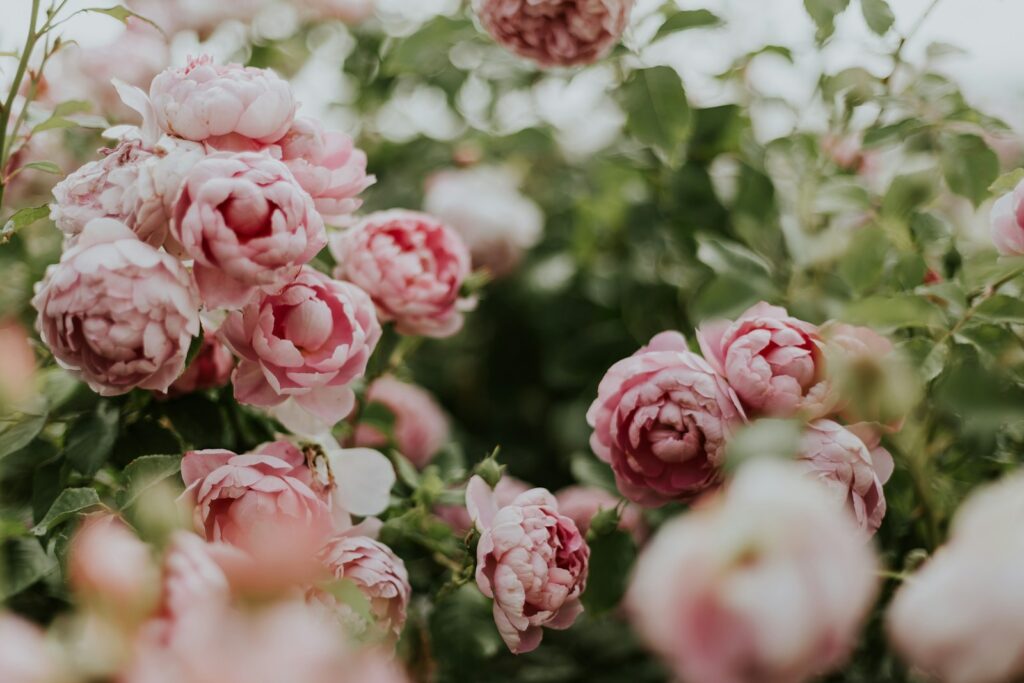
Peony lovers know those early shoots are precious. Cutting back peonies too soon can accidentally remove next year’s flowers before they even get started.
The dead foliage may look untidy, but it shields the crown and new shoots from cold weather. Waiting until spring to tidy up ensures your peonies come back strong.
Hold off on cleanup until you see new growth. Your patience will be rewarded with bigger, brighter blooms.
Coral Bells (Heuchera)
Coral bells benefit from being left alone over winter. Their old leaves protect the crown from cold and frost, acting like a natural blanket.
If you need to tidy up, just remove dead or yellow leaves in late fall. Major cutting should wait until late spring, after the risk of frost has passed.
Avoid fertilizing during winter, as the plant’s growth slows down. Come spring, your coral bells will be ready for new growth and showy flowers.
The Science Behind Cutting Back Perennials
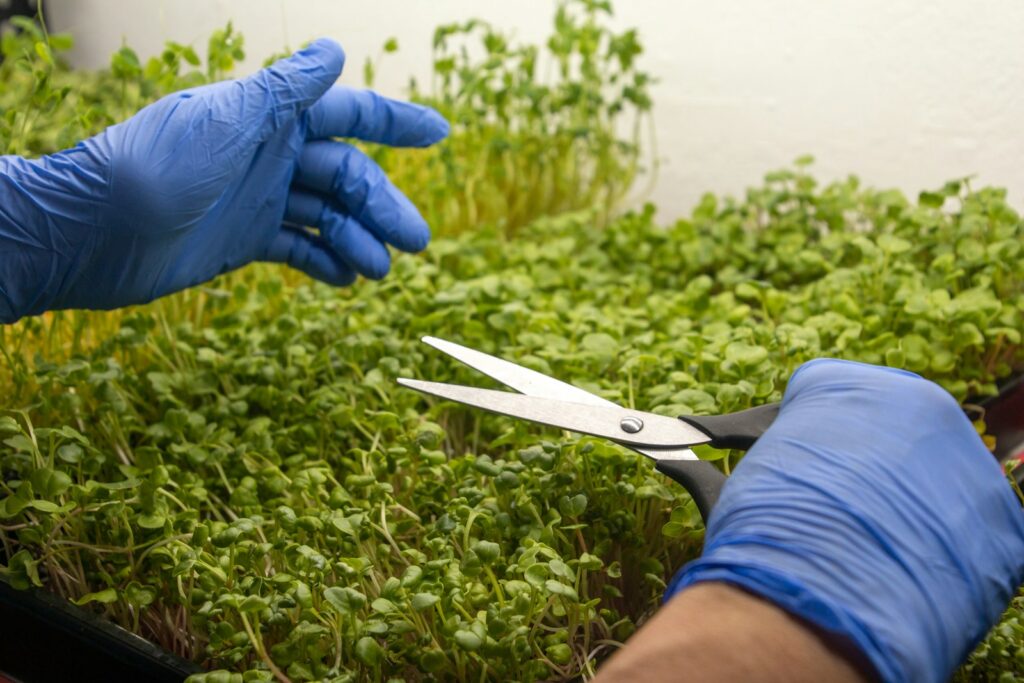
Timing your perennial pruning isn’t just about looks. Waiting until spring gives your plants extra protection and helps them store energy for the next season.
Leaving stems and leaves through winter allows nutrients to travel down to the roots. This stored energy helps perennials survive the cold and come back stronger.
Dead foliage also protects fragile buds and keeps the soil stable. Old stems and roots help retain moisture, reducing stress when spring arrives.
Standing stems and leaves act like a natural blanket, trapping snow and moisture to insulate the soil. This helps prevent deep freezing and protects roots from frost damage.
Old growth also shelters pollinators and beneficial insects, giving them a safe place to overwinter. Birds rely on seeds and shelter from these plants when food is scarce.
Holding off on cutting perennials supports your entire garden ecosystem. It’s a small change that leads to a healthier, more vibrant garden in the long run.
Common Mistakes and How to Avoid Them
It’s easy to make mistakes when cutting back perennials, especially if you’re eager to tidy up. Cutting too early or using the wrong tools can damage plants and reduce blooms next year.
When you prune before the plants go dormant, you rob them of nutrients they need to store in their roots. This can weaken the plant and slow its recovery in spring.
Early cutting also removes shelter for insects and animals, and exposes soil to the elements. You might be cleaning up, but you could be setting your garden back for next season.
Best Tools and Techniques for Spring Cleanup
After a long winter, your garden is probably ready for some attention. Spring is the perfect time to give your perennials a little care.
Reach for sharp, clean tools such as pruning shears or garden scissors. Working with clean tools helps you avoid damaging stems and keeps disease away.
Carefully cut back any dead or damaged growth, making sure to leave healthy shoots untouched. If your plants look crowded, now is a good time to divide them.
Clean cuts allow your plants to heal faster and encourage new growth. Gather up the cut stems and leaves so you do not attract pests.
Once you finish, spread mulch around your plants. This helps keep moisture in and protects roots as they start growing again.