How to Keep Your Houseplants Alive When the Heat Turns On
As soon as the heat comes on indoors, your houseplants start dealing with a new set of problems. Dry air and rising temperatures can leave your favorite plants looking a little sad.
It can be tough to watch your green friends struggle. With a few tweaks to your routine, you can help them stay healthy and lush even when your home feels like a desert.
Move plants to cooler, shaded spots indoors to avoid direct sunlight!
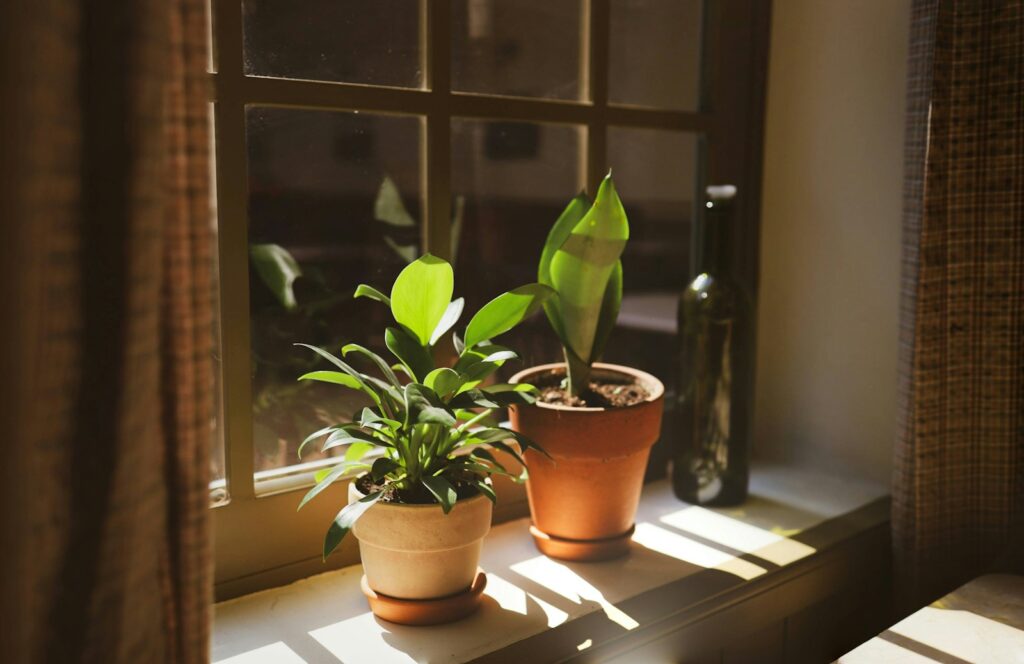
When the heat kicks in, your plants need a break from harsh sunlight. Moving them to cooler, shaded areas inside helps protect their leaves from burning.
Direct sun through windows can be much stronger than outside, so finding the right spot is key. Look for places away from south or west-facing windows if the sun feels too hot.
North or east-facing windows often offer gentler light, which many plants love during hot weather. You can also place plants a few feet away from bright windows to reduce exposure without losing all the light.
Keep an eye on your plants after moving them. If you notice leaves turning yellow or brown, it might mean the spot is still too bright or too warm.
Adjust their location as needed until they look happy and healthy. This simple move can save your plants from stress and keep them thriving even when your home heats up.
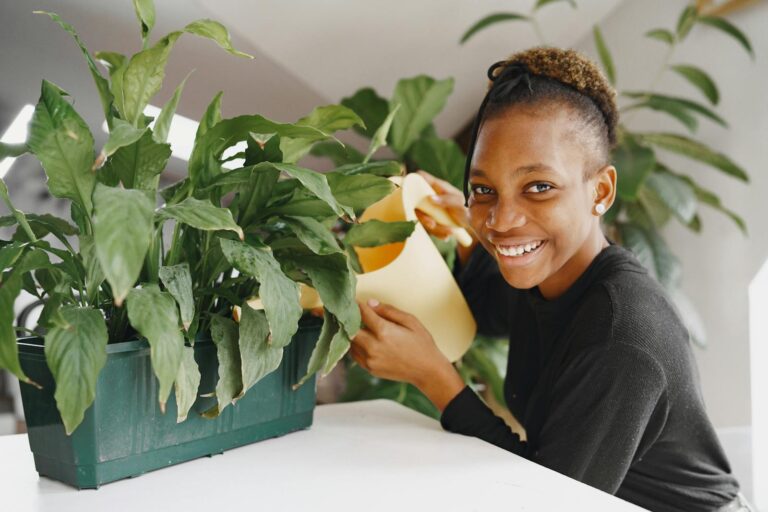
Water early in the morning to keep soil moist during the heat.
You want to give your plants the best chance to soak up water before the sun gets too hot. Watering early in the morning lets the soil absorb moisture deeply.
This helps your houseplants stay hydrated through the hottest parts of the day. When you water before sunrise, less water evaporates.
The cool air means more water reaches the roots where your plants need it most. Taking the time to water deeply in the morning also encourages roots to grow downwards.
Strong, deep roots help plants survive dry spells and heat stress better. Set your alarm or find a routine to water your houseplants first thing.
Use a spray mister to increase humidity around your plants
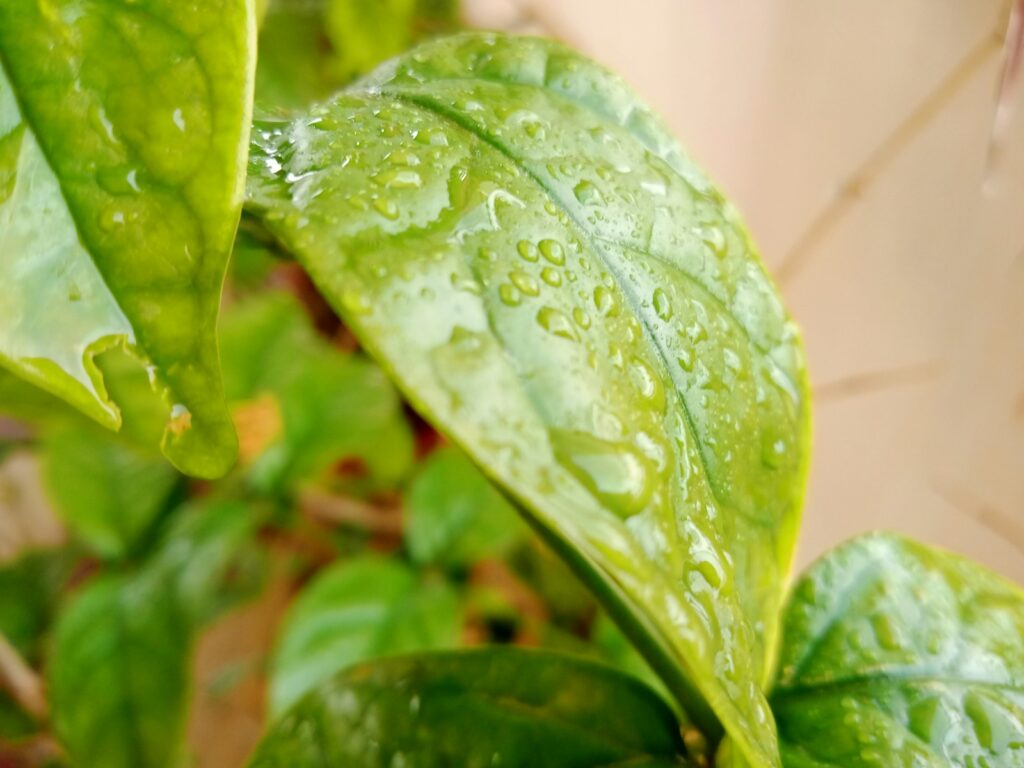
When the heat turns on, the air inside can get really dry, which isn’t great for your houseplants. Using a spray mister is an easy way to help your plants stay happy and hydrated.
You simply fill a clean spray bottle with water and give your plants a gentle mist. This adds moisture right around the leaves.
Misting is especially helpful for plants that thrive in humid environments, like tropical kinds. When you spray a fine mist, it creates a little moist cloud that makes your plant feel more comfortable.
Just remember to mist in the morning or evening to avoid leaf damage from quick drying. It’s important not to overdo it.
A light spray is better than soaking your plants. Focus on the undersides of the leaves where the moisture can really soak in.
Also, clean your mister often to keep it working well and prevent mold or fungus. By using a spray mister regularly, you create a little humidity boost that helps your plants survive when the heat dries the air.
Place pebble trays filled with water beneath pots for extra hydration

When the heat turns on, the air inside your home can get really dry. This makes it harder for your plants to stay healthy.
You can help by using pebble trays filled with water under your pots. The water in the tray slowly evaporates and raises the humidity around your plants.
This extra moisture can keep your plants from drying out. To make a pebble tray, fill a shallow tray with small stones.
Add water just below the top of the pebbles so the plant pots don’t sit directly in water. Then, place your pots on top.
As the water evaporates, it creates a tiny humid zone where your plants live. This works especially well for tropical or moisture-loving plants.
You’ll see the benefits if your plants usually look droopy or dry when the heat is on. Give pebble trays a try, they’re an easy way to keep your houseplants happy and hydrated!
Avoid fertilizing during heatwaves to reduce plant stress
When the heat hits hard, your houseplants are already working overtime to stay healthy. Adding fertilizer during this time can actually make things worse.
Fertilizer pushes plants to grow, but heat puts stress on them, so the two together can cause more harm than good. You want to give your plants a break.
Fertilizing in extreme heat forces them to use more energy when they are already struggling. This can lead to burned leaves or weak roots.
It’s better to hold off until temperatures cool down. If you feel you must fertilize, choose a gentle, slow-release type and avoid the hottest parts of the day.
Less is more right now. Focus on keeping their water needs met and help protect them with shade or mulch.
Use light, breathable fabric covers to shield plants from harsh sun
You want to protect your houseplants when the heat gets intense. Using light, breathable fabric covers is a smart way to give them some shade without blocking air or moisture.
These covers let sunlight through but reduce the strength of direct rays. The fabric creates a barrier that keeps your plants cooler.
It stops leaves from burning while still allowing fresh air to flow around them. This helps prevent heat stress, which can cause wilting or leaf damage.
When you use these covers, check your plants often. If the weather cools down or humidity builds under the fabric, remove it for a while.
Lightweight covers are easy to place over pots or garden beds. You can even use hoops or frames to keep the fabric off the plant leaves.
Group plants together to create a cooler microenvironment
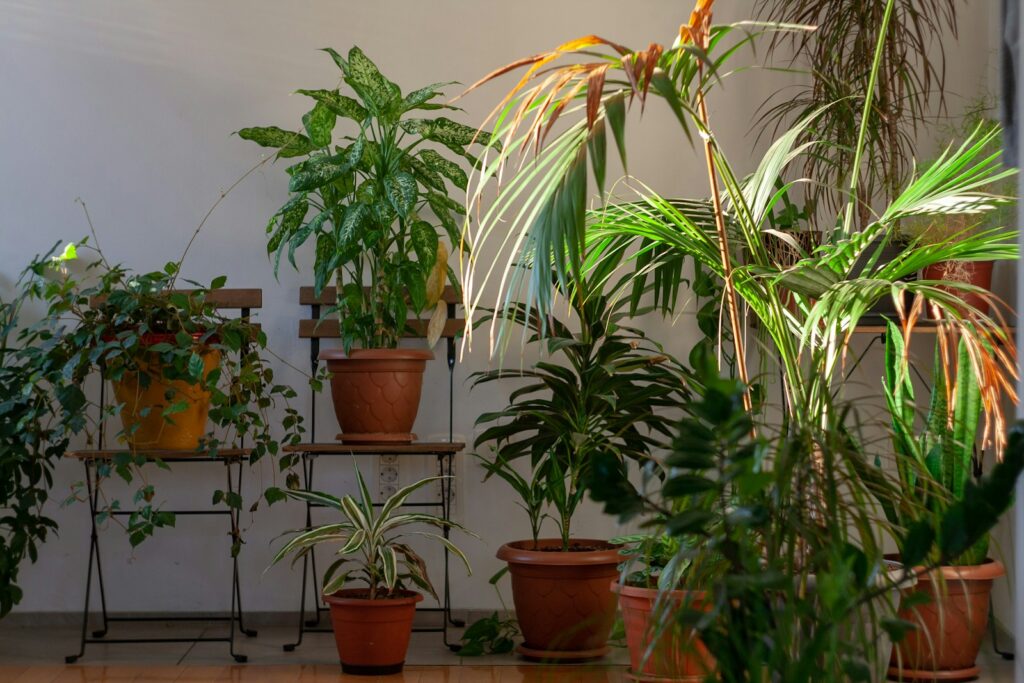
When the heat turns on, grouping your plants can help keep them cooler. By placing plants close together, you create a small area where the air stays moist and cooler than the room around them.
Your plants release moisture through tiny holes in their leaves. When grouped, this moisture stays trapped between them, raising humidity and lowering temperature.
It’s also easier to care for plants with similar needs when they share a space. You can give them the right light and water all at once.
Try grouping your tropical plants or those that love humidity. You’ll see they stay healthier and happier, even when your home heats up.
Repot plants in well-draining soil to prevent root rot in hot weather
When the heat turns on, your houseplants need extra care to stay healthy. One of the best ways to protect them is by repotting in well-draining soil.
This helps water move through easily, stopping roots from sitting in water too long. Roots can rot quickly in warm, wet soil.
Fresh, well-draining soil gives roots the oxygen they need to breathe and grow strong. It also helps nutrients reach your plant better.
Choose a potting mix made for indoor plants or mix your own using ingredients like peat, perlite, or sand. Also, use a pot with drainage holes to let extra water escape.
When you repot, be gentle with the roots. This keeps them healthy and ready to absorb water without stress.
Trim dead or yellow leaves to help plants focus energy on growth
When the heat turns on, your houseplants may start to show signs of stress. One way to help them bounce back is by trimming dead or yellow leaves.
These old leaves no longer help the plant and can use up energy your plant needs for new growth. By removing these leaves, you allow your plant to focus its energy on healthy parts.
This helps your plant stay strong and encourages fresh, green leaves to grow. Yellow or brown leaves won’t turn green again.
If you leave them on, they might attract pests or disease. Use clean scissors or garden shears to snip off dead leaves close to the stem.
Be gentle so you don’t hurt the healthy parts. Doing this regularly during hot months gives your plants the best chance to thrive despite the heat.
Use fans to circulate air and prevent overheating indoors

You can help your houseplants stay healthy by using fans to move air around. When air flows, it stops hot spots from forming, which keeps plants from overheating.
A gentle breeze also helps reduce humidity around the leaves, preventing mold and other problems. Place fans in spots where they can push warm air out and bring cooler air in.
This creates a steady airflow that helps your plants breathe better. Just make sure the fan is not blowing too hard directly on your plants, as strong winds can damage their leaves.
Using fans wisely also improves air quality for your plants. Moving air lowers the chance of pests and diseases, keeping your indoor garden safe during heat waves.
Remember to not use fans in completely closed rooms, especially when it’s very hot. Fresh air is key to keeping your plants happy when the heat is on.
Understanding How Indoor Heat Affects Houseplants
When heat builds up inside your home, your plants face several challenges. They lose moisture faster, their leaves can get damaged, and their roots may struggle to take up water.
Knowing what happens to your plants in these conditions helps you protect them better.
Signs of Heat Stress in Plants
Your plants might start showing clear signs when they are too hot. Look for wilting leaves, even if the soil feels moist.
Leaves may turn brown or crispy around the edges. This is called leaf scorching and happens when the plant loses more water than it takes in.
You might also see leaves curling or dropping early, which is a way for the plant to save water. Another sign is dry, cracked soil that pulls away from the pot edges.
If your plant looks tired or dull, it is struggling to handle the heat.
Common Mistakes to Avoid
One big mistake is overwatering when plants look droopy. Heat stress causes wilting, but too much water can drown roots and make the problem worse.
Avoid placing plants too close to heat sources like radiators or direct sunlight on windows. This can cause sudden heat spikes that burn leaves fast.
Don’t forget to check humidity. Dry air makes plants lose water quicker.
Using a humidity tray or misting leaves can help keep moisture around your plants. Don’t keep plants in pots that are too small.
Small pots dry out faster and stress roots during heat spells. Repotting into a bigger pot can help your plants stay strong.
Optimizing Your Houseplant Microclimate
You can help your houseplants stay healthy by giving them just the right air moisture and placing them where conditions match their needs. Adjusting humidity and choosing the perfect spot indoors can make your plants happier and stronger, especially when the heat hits or the seasons change.
Managing Humidity Indoors

Humidity is a game-changer for your plants, especially in dry, heated rooms. Most houseplants like humidity between 40 percent and 60 percent.
If your air is too dry, leaves might brown or curl. To boost humidity, try these:
- Use a humidifier near your plants.
- Place a water tray with pebbles under your pots; as water evaporates, it raises moisture around the plant.
- Group plants close together to create a mini humid zone.
Spraying leaves with water can help, but don’t soak the soil. Proper humidity stops stress and keeps plants from dropping leaves in hot weather.
Perfect Plant Placement for Winter
As winter sets in, it can be tricky to find the right spot for your houseplants. Many of us have watched a favorite plant struggle after moving it indoors.
Be careful about placing plants near heating vents or in areas where the air feels extra dry and warm. These spots can quickly stress out your greenery.
Look for places with bright but indirect sunlight. Try to keep the temperature steady between 65°F and 75°F.
East or north-facing windows are often great choices during winter. These windows provide gentle light that won’t scorch leaves.
Sometimes, you may need to shift your plants to avoid cold drafts or hot spots. Pay attention to how the light changes throughout the day.
A fan set on low can help move air around the room. This keeps the temperature even and helps prevent plant problems.
If you rotate your plants every week, all sides will get their fair share of light. This simple habit can keep your plants looking full and healthy.