Why Your Holiday Poinsettia Dies So Fast
Nothing says the holidays quite like a bright, cheerful poinsettia on the table or by the front door. But if you’ve ever brought one home, only to watch it wilt and fade before the season is over, you’re not alone.
It can feel like poinsettias are impossible to keep alive, but a few small changes in care can make a big difference. Learning what your plant really needs helps you enjoy its color all season.
Overwatering: Too much water drowns roots and causes leaf drop!
It’s easy to assume that more water means a healthier poinsettia, but this plant is sensitive to soggy soil. When water fills up all the air spaces in the soil, the roots can’t breathe.
Without enough oxygen, roots start to die, and the leaves may turn yellow or drop off. Overwatering can also cause root rot, making it impossible for the plant to take up nutrients.
Before you water, check the top inch of soil. Let it dry out a bit before adding more. Your poinsettia will reward you with longer-lasting color.
Underwatering: Letting soil dry out stresses your poinsettia quickly
If you forget to water, your poinsettia will let you know fast. Leaves will wilt, turn brown at the edges, or even get crispy.
The soil should never be bone dry. Touch the top inch—if it’s dry, give your plant a thorough drink until water runs out the bottom.
Consistent moisture, not too much and not too little, is key for a healthy poinsettia.
Low Light: Poinsettias need bright, indirect light to thrive.
Poinsettias love a sunny spot, but not direct sunlight. Too little light, and they get leggy and weak.
Place your plant near an east, south, or west-facing window with filtered light. Avoid harsh midday rays that can burn the leaves.
A bright spot keeps those festive red bracts looking their best.
Cold Drafts: Sudden temperature drops shock the plant: keep it cozy!
Cold air is tough on poinsettias. Even a quick draft from a door or window can cause leaves to droop or fall off.
Keep your plant away from chilly entryways, vents, or windows that let in cold air. If your home gets cold at night, move the plant to a warmer area.
A steady, warm environment helps your poinsettia stay strong.
Yellow Pollen Flowers: Choose poinsettias without open yellow flowers for longer life
When shopping for a poinsettia, look closely at the center of the red bracts. If you see open yellow flowers with pollen, the plant is already mature and may not last long.
Choose plants with greenish-yellow buds that haven’t opened yet. These will stay fresh and colorful much longer.
This simple tip helps you enjoy your poinsettia through the whole holiday season.
Poor Drainage: Use pots with drainage holes to prevent root rot
If your poinsettia sits in water, the roots can rot quickly. Always use a pot with drainage holes so excess water can escape.
Set the pot on a saucer, but empty any standing water after you water the plant. Roots left in soggy soil will struggle to survive.
Good drainage is an easy way to keep your poinsettia healthy.
Temperature Fluctuations: Keep a steady 65-75°F for optimal health
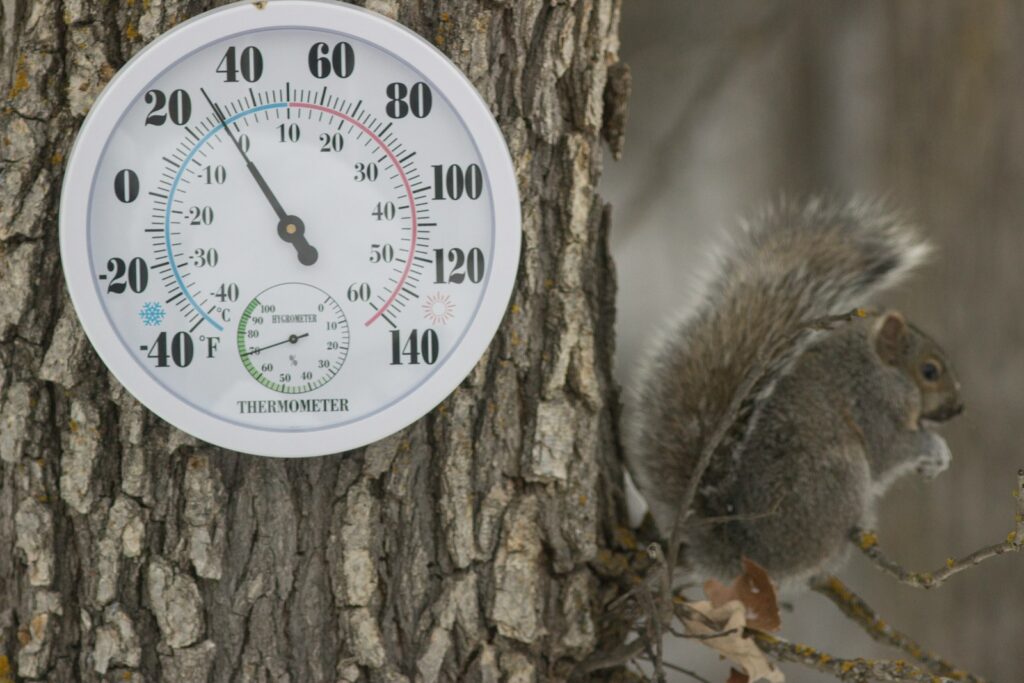
Poinsettias are happiest in a room that stays between 65 and 75 degrees Fahrenheit. Sudden changes, even small ones, can cause leaves to drop.
Avoid placing your plant near doors, windows, or heating vents. These spots can swing from hot to cold quickly.
A steady temperature keeps your poinsettia looking bright and full.
Lack of Humidity: Mist leaves or use a humidifier to mimic their natural habitat
Dry winter air can make poinsettia leaves crispy and brown. These plants come from humid climates and need a little extra moisture.
Mist the leaves lightly with water, or set up a humidifier nearby. This helps keep the air moist and your plant happy.
A little extra humidity goes a long way in keeping leaves soft and vibrant.
Fertilizer Neglect: Feed every 4-6 weeks with balanced houseplant fertilizer
Poinsettias need a bit of food to stay strong through the holidays. Feed with a balanced houseplant fertilizer every four to six weeks, diluted to half strength.
Skip fertilizing in the dead of winter when the plant is resting. The right nutrients keep leaves colorful and healthy.
Ignoring Dead Leaves: Trim brown or wilted leaves to encourage new growth
Brown or wilted leaves sap energy from your poinsettia. Trim them off with clean scissors to help the plant focus on new, healthy growth.
Keeping the plant tidy also helps prevent pests and disease. It’s a quick task that makes a big difference in how your poinsettia looks.
Understanding Why Holiday Poinsettias Decline
Poinsettias can struggle with changes in temperature, light, and humidity once you bring them home. The shift from greenhouse to living room is a big adjustment.
If you notice leaves turning brown, dropping, or wilting, the plant is stressed. Early signs like limp or crispy leaves mean it’s time to check your care routine.
Pro Tips for Thriving Poinsettias
Give your poinsettia bright, indirect sunlight and keep it in a room with steady, moderate temperatures. Avoid cold drafts and hot air from vents or appliances.
Consistent care makes all the difference. Poinsettias are not as tricky as they seem once you know what to watch for.
A little attention helps your holiday plant keep its festive color well into the new year.
Watering Mistakes to Avoid
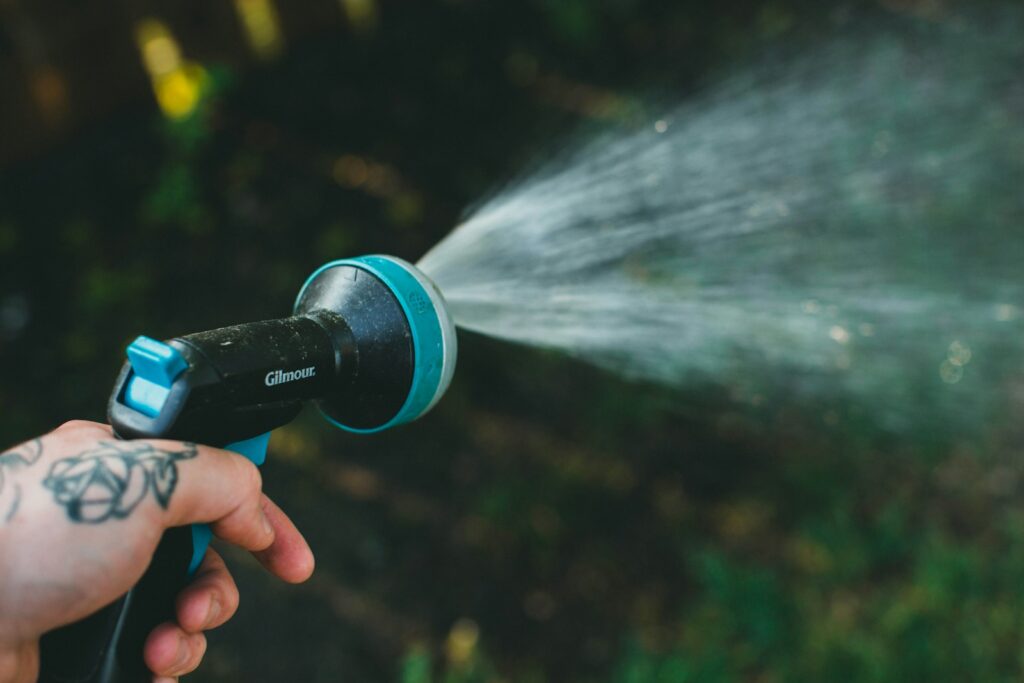
Ever notice your poinsettia looking a little droopy or dropping leaves? This often comes down to how and when you water it.
Water only when the top inch of soil feels dry. Too much water can cause root rot while too little leads to crispy leaves.
Always use room-temperature water. Pour it evenly until you see water draining from the bottom of the pot.
Never let your plant sit in standing water. If your pot doesn’t have drainage holes, it’s time to repot.
Avoid misting the leaves, since poinsettias prefer dry foliage.
A quick trick is to lift the pot. If it feels heavy, there’s probably enough water. If it feels light, that’s your cue to water again.