The One Mulching Mistake That Damages Plants Every Winter
Every winter, gardeners are eager to protect their plants from the cold. Mulch is a go-to for many, promising warmth and moisture retention.
But there’s a common mulching mistake that can actually do more harm than good. It’s surprisingly easy to make, especially when you’re trying to give your plants the best care.
The one mulching mistake that damages plants every winter is applying mulch incorrectly, such as piling it too thick or too close to plant stems. This can lead to rot, attract pests, and stunt root growth.
Learning a few simple mulching habits can keep your plants thriving through the coldest months.
Piling mulch too thick suffocates roots in winter
A thick layer of mulch might seem like it would offer more protection. In reality, piling mulch too deep stops air from reaching the roots.
Roots need oxygen, even during winter. A layer thicker than four inches can trap roots in soggy, poorly ventilated soil.
Water gets stuck under heavy mulch and doesn’t dry out. This can cause roots to rot.
Aim for a layer about two to four inches thick. Always leave space around stems so they don’t stay wet.
Mulching directly against plant stems causes rot
It’s tempting to push mulch right up against plant stems for extra warmth. But this traps moisture where it shouldn’t be.
That dampness invites rot and fungal diseases. Over time, stems weaken and plants can even die.
To avoid this, leave a small gap between mulch and stems. Just a few inches is enough.
This simple step allows air to circulate and keeps stems dry.
Using fresh mulch increases risk of disease
Fresh mulch can look nice and tidy in your garden. However, it often carries fungi and bacteria that thrive in cold, wet conditions.
Applying mulch that hasn’t had time to age or compost creates a haven for these microbes. Your plants are then at risk for infections, especially at the roots and stems.
Letting mulch break down before using it is much safer. Well-aged mulch is less likely to spread disease.
It also mixes into the soil more easily, giving your plants a healthier environment through winter.
Applying mulch too late misses winter protection window
Waiting too long to mulch means missing out on crucial protection. Once the ground is frozen, mulch can’t insulate roots the way it should.
Late mulching also fails to prevent harsh temperature swings. Your plants are left exposed to frost damage.
The best time to mulch is after the ground starts to firm up, but before deep freezes. This timing helps soil freeze slowly and steadily.
Keep an eye on the weather and get your mulch down before winter really sets in.
Volcano mulching damages root flare and traps moisture
Mounding mulch high around the base of a tree, known as volcano mulching, covers the root flare. This part of the tree needs air to stay healthy.
When mulch is piled up against the trunk, it traps moisture and creates a breeding ground for pests and diseases. Bark rot can set in before you know it.
Keep mulch spread out in a flat layer, never touching the trunk. Make sure the root flare stays visible and dry.
Your trees will be healthier and show stronger growth in the long run.
Ignoring mulch moisture levels leads to root stress
Mulch does a great job of holding moisture, but too much can be a problem. If it stays soggy, roots may rot or become stressed.
On the flip side, dry mulch won’t help protect roots from freezing. Plants need the right amount of moisture in the soil to survive winter.
Check your mulch regularly to make sure it’s damp but not soaked. This habit helps prevent root problems and keeps plants ready for spring.
Choosing unsuitable mulch like dyed or treated wood harms plants

Brightly colored, dyed mulch can be tempting, but it often comes from recycled wood treated with chemicals. These chemicals can leach into the soil.
Soil life suffers, and plants may struggle to grow in contaminated conditions. Treated wood mulch can be even more toxic for your garden.
Natural, untreated mulch is a safer choice. It keeps soil healthy and gives your plants the best chance to thrive.
Skip the flashy colors and go for something that supports your garden year-round.
Failing to remove old mulch invites pests and mold
Leaving last year’s mulch in place can turn your garden into a haven for pests. Critters hide in the decaying layers and emerge in spring to attack your plants.
Old mulch also holds moisture, which encourages mold and fungus to grow. Mold spreads quickly and can hurt plant health.
Clearing out old mulch before winter keeps pests and mold at bay. Your garden stays cleaner and your plants start the season stronger.
Leaving mulch patches uneven exposes roots to cold
Uneven mulch coverage leaves some roots exposed to winter cold. These bare spots let frost in and can damage or kill roots.
Even small gaps reduce mulch’s effectiveness at insulating soil. This can stress your plants and slow their growth come spring.
Spread mulch in a smooth, even layer about two to four inches thick. Avoid piling it near stems, but make sure all roots are covered.
A little extra effort now means healthier plants when the weather warms up.
Not adjusting mulch depth for perennial types causes damage
Not all perennials need the same amount of mulch. Some are sensitive to heavy layers and can suffer if you pile it on too deep.
Shallow-rooted plants might get smothered, while deep-rooted perennials often benefit from a thicker layer. Too much mulch can trap moisture and lead to rot.
Learn what each perennial in your garden prefers. Adjust your mulch depth accordingly for each type.
Your plants will thank you with better health and stronger spring growth.
How Mulching Impacts Winter Plant Health
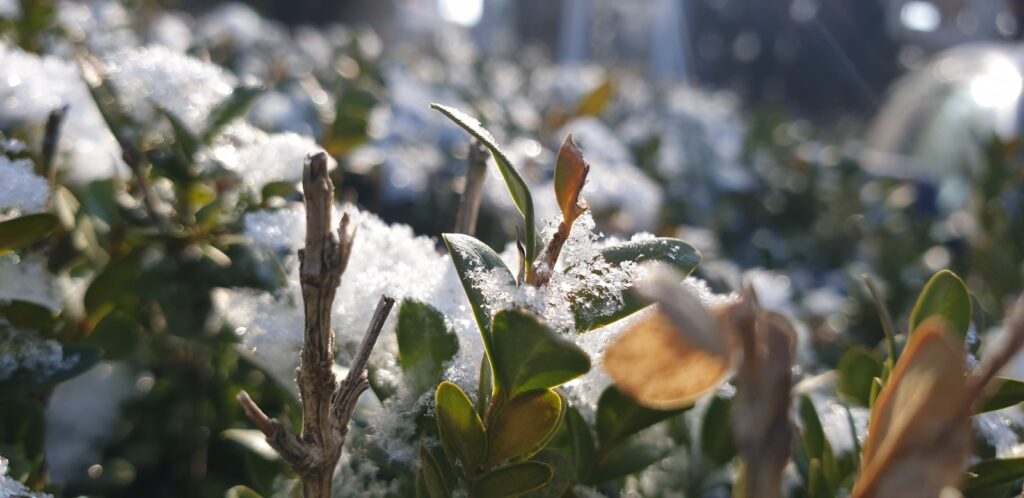
Mulching isn’t just about covering the ground. It’s a key move to help your plants get through winter in good shape.
The right mulch keeps soil moist and acts as a warm blanket for roots. How you apply it makes a big difference in how well your plants are protected.
Understanding Insulation and Moisture Control
Mulch acts as insulation for soil, trapping heat during the day and holding off the cold at night. This helps plants avoid stress from sudden temperature drops.
A good mulch layer also helps soil retain water. Dry soil can freeze faster and harm roots, but too much moisture can cause rot.
The trick is to keep the soil just damp enough. Not too wet, not too dry.
The Role of Proper Mulch Application
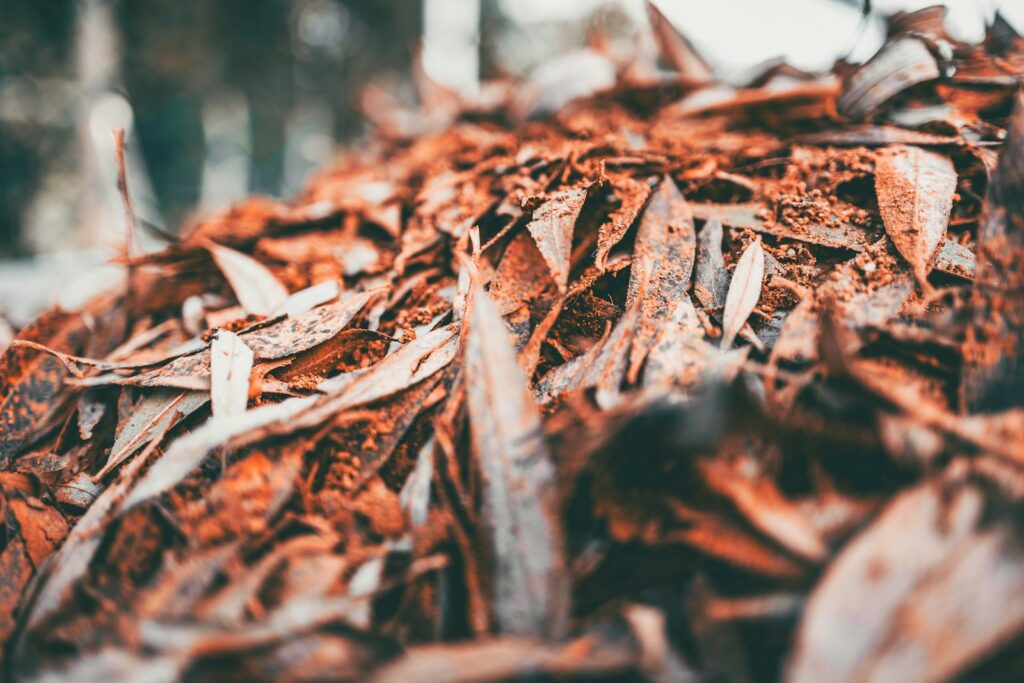
Applying mulch the right way matters. A two to four-inch layer is usually just right—thick enough to protect, but not so thick that the soil can’t breathe.
Start mulching after the ground cools and plants are dormant. Always keep mulch away from plant stems and tree trunks.
Use materials like shredded leaves, straw, or wood chips for the best results. This helps your plants stay safe through even the coldest winter.
Repairing and Preventing Mulch-Related Plant Damage
Catching mulch problems early can save your plants. Making a few adjustments with the seasons keeps your garden healthy year after year.
Early Signs Your Plants Are Suffering

Wilting or yellowing leaves near the base can signal trouble. Moisture trapped too close may be causing root or stem rot.
You might also see stunted growth or mushy stems. Pests and mold love damp mulch that’s piled against stems.
If you spot these signs, gently pull mulch away from the base. Trim away any dead or damaged leaves and loosen compacted soil.
A little attention now can help your plants bounce back and thrive when spring returns.
Seasonal Mulch Adjustments for Success
As the weather cools down, it is time to think about how your garden will fare through the colder months. Mulching in early fall can make a big difference, but it is important to do it right.
Keep a 2 to 3 inch gap around plant stems when applying mulch. This helps prevent moisture from getting trapped and stops pests from settling in over winter.
Use about 2 to 4 inches of mulch to shield roots from the cold. Applying too much mulch can actually harm your plants by limiting their oxygen.
When late winter or early spring arrives, clear away the old mulch. Add a fresh layer to support soil health and get your garden ready for new growth.
Pay attention to the weather and adjust your mulch as needed. Add more if winter is especially cold, or pull some back if the ground is staying warm and wet.
A little attention to mulch can keep your plants protected and thriving through the seasons. Small changes now can lead to a healthier, more vibrant garden come spring.