How to Attract Birds to Your Yard for Natural Pest Control Next Spring
Ever notice how a quiet yard suddenly comes alive when birds drop by? Their visits bring color, music, and a surprising bonus: natural pest control.
Birds are more than just pretty visitors. They help protect your plants by eating pesky insects, giving you a healthier garden without extra effort.
Attracting birds for natural pest control helps reduce the need for harmful chemicals and creates a balanced environment in your yard. By making your space welcoming to birds, you’ll support local wildlife and improve your garden’s health at the same time.
Plant native flowering plants to attract insect-eating birds naturally!
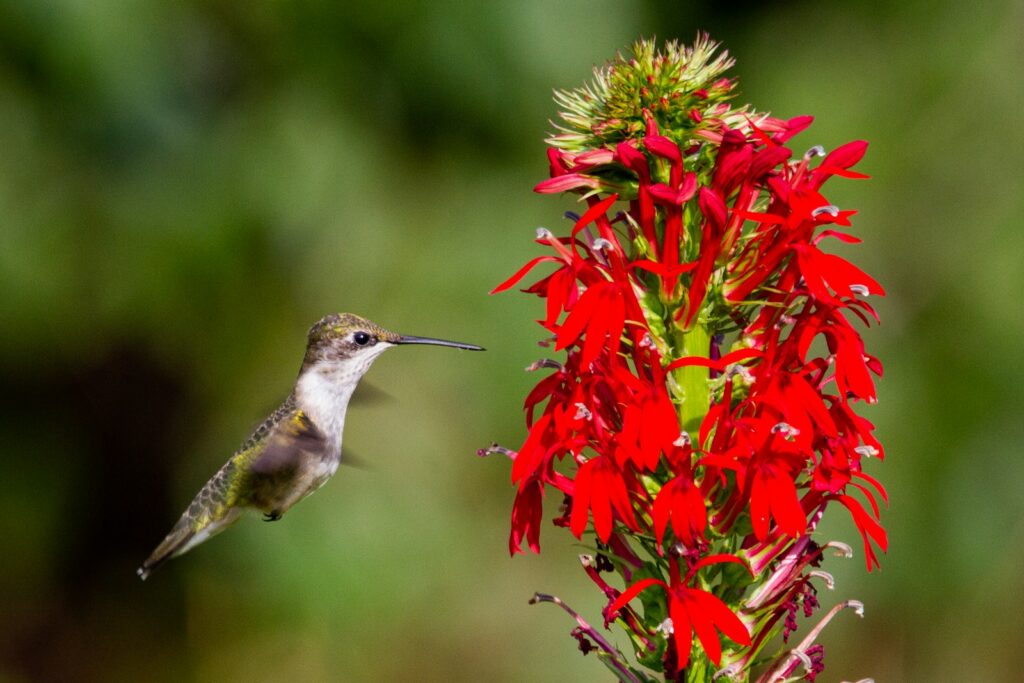
One way to draw birds in is by planting native flowering plants. These attract plenty of insects, which are a favorite food for many bird species.
When birds eat these insects, they help keep pest numbers down in your garden. You get to watch them in action while your plants stay healthy.
Native flowers bloom at different times, providing food for both insects and birds through spring and summer. Birds like warblers, chickadees, and wrens often show up to hunt around these blooms.
Choosing native plants means you’re supporting local wildlife. The insects that grow on these plants are what local birds are used to eating.
Plus, native plants are usually easier to care for since they’re adapted to your area’s soil and weather. Your yard becomes a lively, colorful place that naturally keeps pests in check.
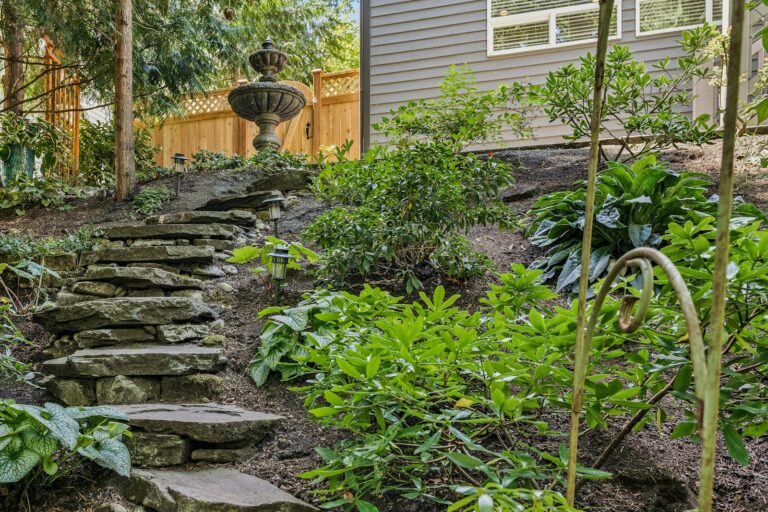
Set up a fresh water source with a birdbath to invite thirsty birds
Adding a birdbath can quickly make your yard more appealing to birds. Clean water is essential for drinking and bathing, so a fresh source brings them in.
Choose a shallow birdbath, about 1 to 2 inches deep, and toss in some small rocks for perching. Birds feel safer when they have places to stand.
Try adding a fountain or dripper for gentle movement. The sound of water is a magnet for curious birds.
Place your birdbath close to trees or shrubs for quick cover. This helps birds feel secure while they visit.
Keep your birdbath out of direct sun to prevent the water from getting too warm. Remember to clean it weekly so the water stays fresh.
A simple birdbath can turn your yard into a busy spot for feathered visitors. You’ll enjoy their company and their help with pest control all spring long.
Grow a variety of native shrubs to provide shelter and nesting spots
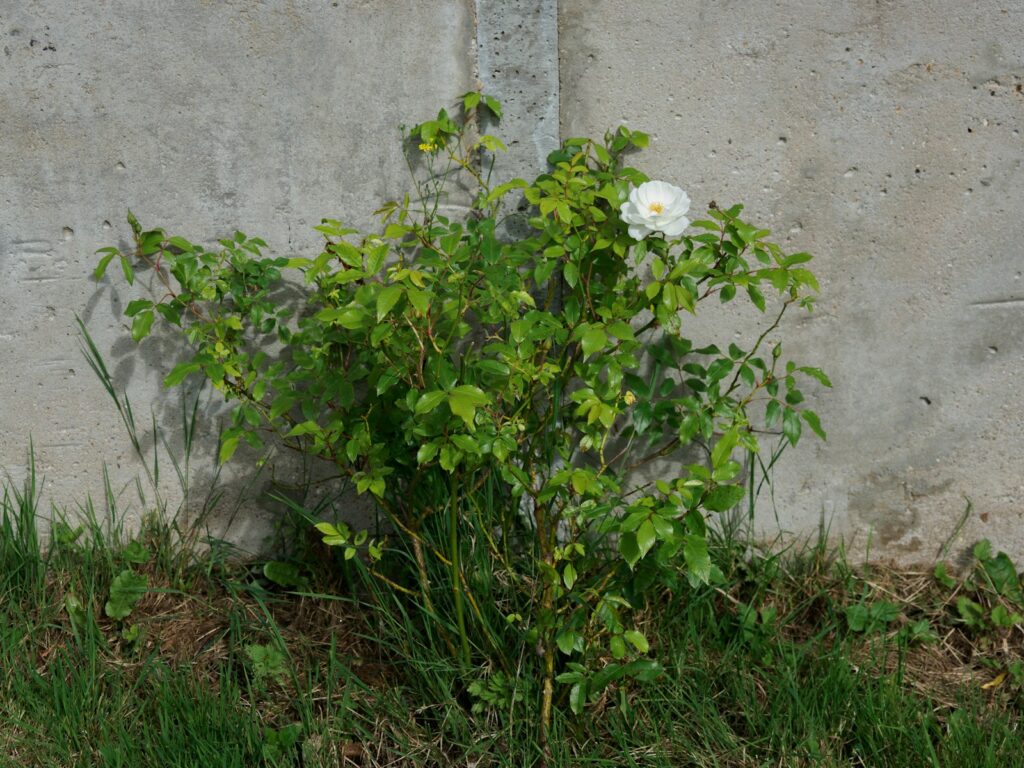
Planting different native shrubs gives birds safe places to hide and nest. Dense shrubs protect them from predators and harsh weather.
When you group several shrubs together, you create cozy spaces birds love for nesting. Birds like wrens, finches, and thrushes often pick these spots to raise their young.
A mix of evergreen and flowering shrubs means shelter all year long. Evergreens offer winter protection, while flowering shrubs attract insects in spring for hungry birds.
By planting native shrubs, you help birds stay close and healthy. As they settle in, they’ll eat insects that could damage your plants.
Avoid chemical pesticides to keep the natural food chain thriving
If you want more birds in your yard, skip the chemical pesticides. These chemicals don’t just kill pests—they also wipe out the insects birds need for food.
A bug-friendly yard means more snacks for birds like caterpillars, beetles, and spiders. When birds find plenty to eat, they’re more likely to stick around.
Pesticides can also harm other helpful creatures, like frogs and pollinators. A chemical-free yard is safer for everyone.
With birds and bugs working together, your garden stays balanced and healthy. You end up with fewer pests and more bird activity next spring.
Include berry-producing bushes like elderberry and dogwood for bird snacks
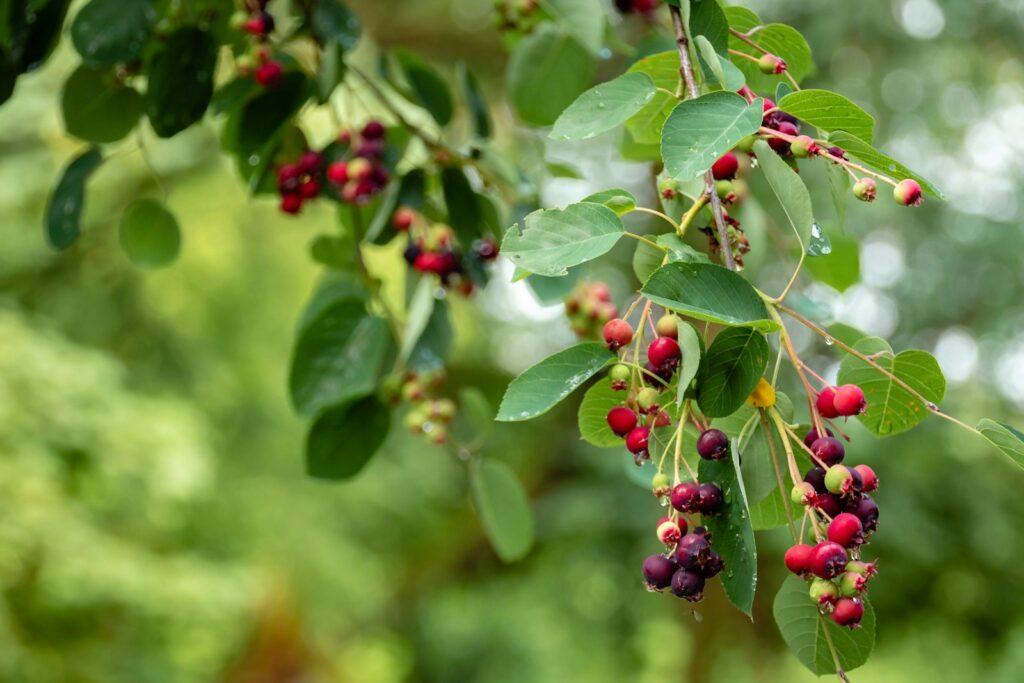
Planting berry bushes is a great way to attract birds. Elderberry and dogwood are favorites because they offer tasty, natural snacks.
Elderberry bushes produce clusters of berries that draw in birds and pollinators. Dogwood’s bright red berries catch the attention of sparrows and chickadees, and they last into the colder months.
These bushes not only feed birds but also add color and shelter to your yard. Birds that come for berries often eat insects too, helping with pest control.
With berry bushes, your garden becomes a popular spot for birds looking for food and a place to nest.
Scatter suet feeders in shaded areas to attract woodpeckers and nuthatches
Placing suet feeders in shaded spots is a great way to bring in woodpeckers and nuthatches. These birds like cooler areas, especially as the weather warms up.
Spread your feeders around in different shady places. This gives birds more options and reduces competition.
Feeders made from durable wood like cedar hold up well outdoors. Keeping them clean and full encourages regular visits.
You might spot chickadees and other small birds joining the feast. With just a little effort, your yard becomes a favorite hangout for natural pest controllers.
Create brush piles for ground-feeding birds and safe hiding places
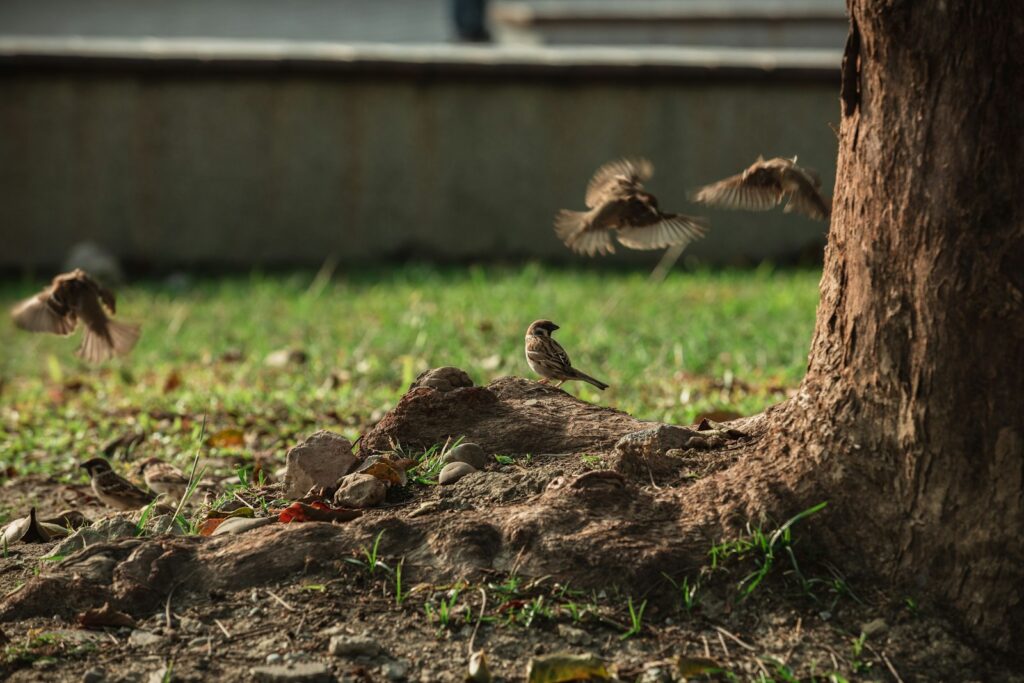
Building brush piles is an easy way to invite ground-feeding birds. Piles of branches, logs, and twigs give birds a safe place to hide and search for insects.
Start with large logs on the bottom, then loosely stack smaller branches on top. Leave some gaps for birds to move through and hunt for bugs.
Put your brush pile near bushes or along fence lines for extra cover. Birds feel safer with hiding spots nearby.
These piles also attract helpful insects, which birds love to eat. With a little effort, you create a shelter that supports both birds and your plants.
Install platform feeders stocked with seeds preferred by local insectivores
Platform feeders can bring insect-eating birds right to your yard. These flat, open feeders are easy for birds like grosbeaks, juncos, and towhees to use.
Fill your feeders with seeds such as black sunflower, white proso millet, or nyjer. Different seeds attract a variety of helpful birds.
Place feeders in quiet spots away from busy areas. Birds will visit more often if they feel safe.
Keep your feeders clean and stocked so birds know your yard is a reliable food source. This simple step can make a big difference next spring.
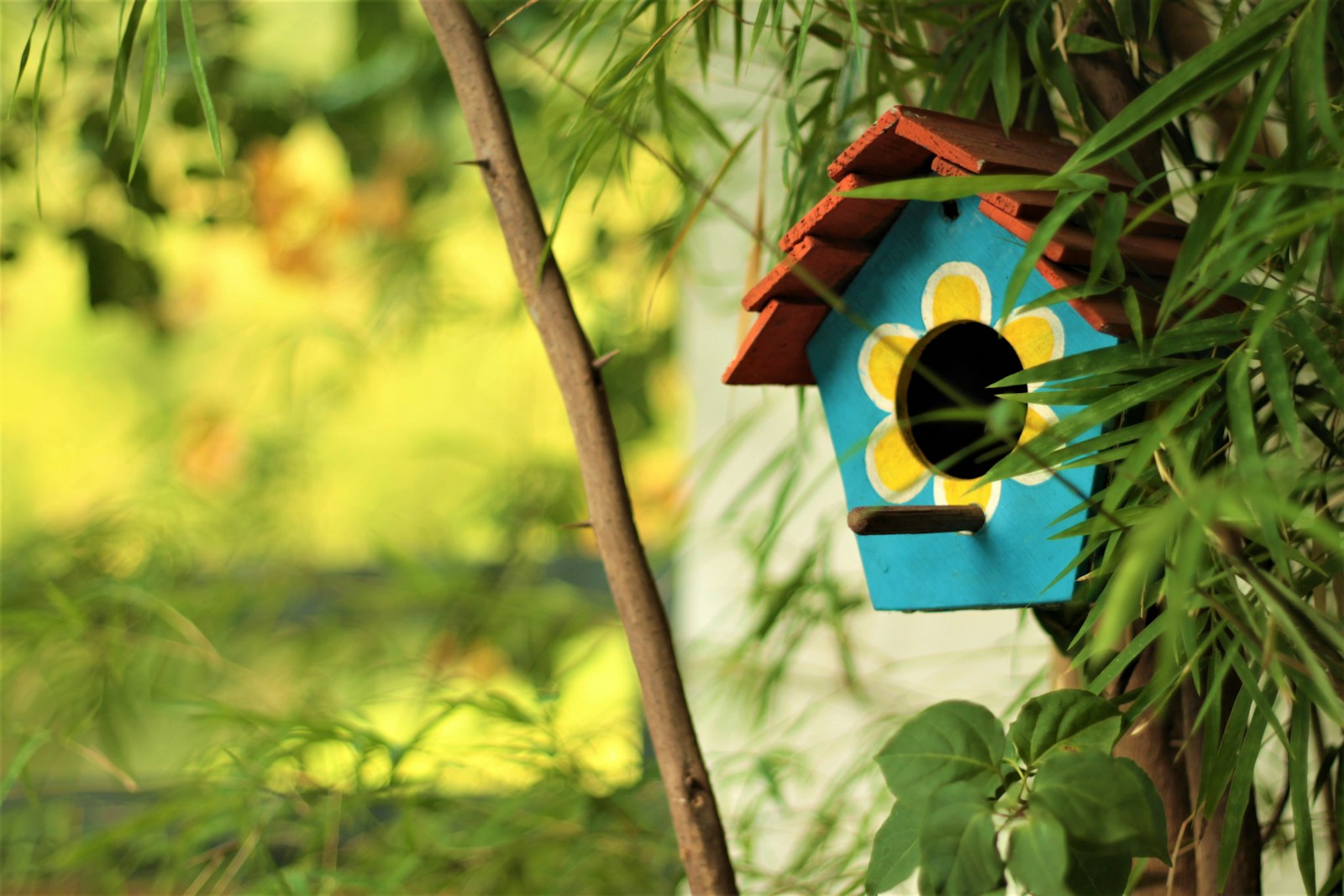
Offer nesting materials like twigs, dried grass, and feathers for spring builders
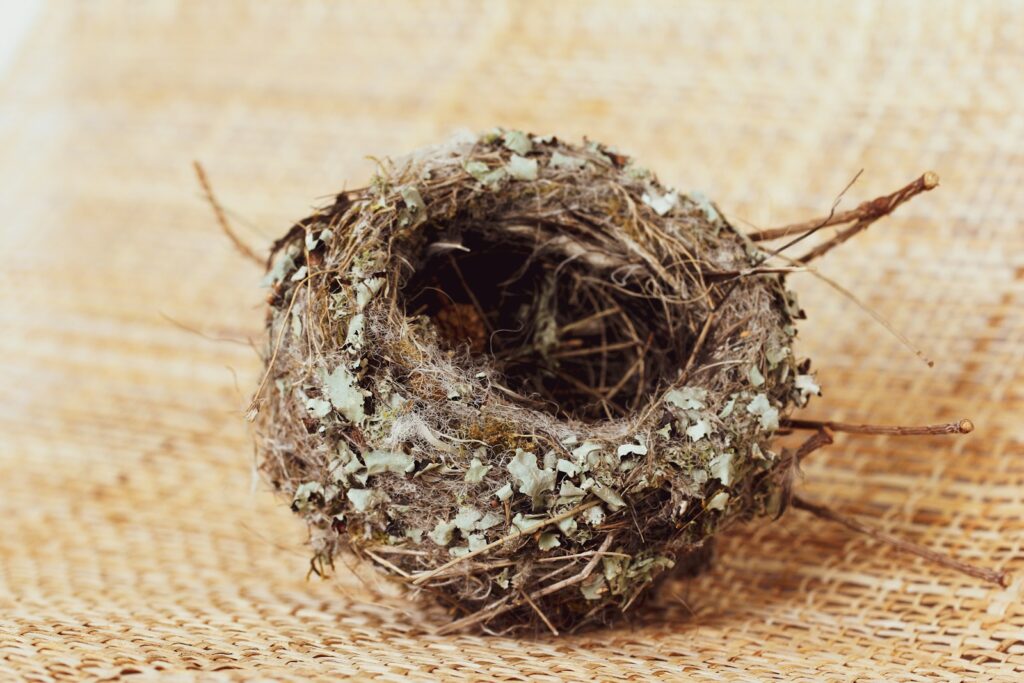
Help birds build their nests by providing natural materials like twigs, dried grass, and feathers. These are perfect for spring nest-building.
Gather small sticks, soft grasses, and clean feathers. Place them in a simple container or pile in your yard.
Birds will collect these items to make cozy homes for their young. Watching them gather supplies is both fun and rewarding.
Offering nesting materials invites more birds to settle in and help control pests naturally.
Maintain a diverse garden with plants supporting native insect populations
A mix of native plants turns your yard into a bird magnet. These plants support local insects, which are a vital food source for birds.
Plants that bloom at different times provide nectar and pollen throughout the year. This keeps insects and birds coming back.
Native plants are adapted to your region and offer the right shelter and food for local wildlife. A diverse garden creates a balanced ecosystem.
Letting some areas stay a little wild gives insects safe places to thrive. When bugs flourish, birds do too, and your garden stays healthier without chemicals.
Understanding the Role of Birds in Natural Pest Control
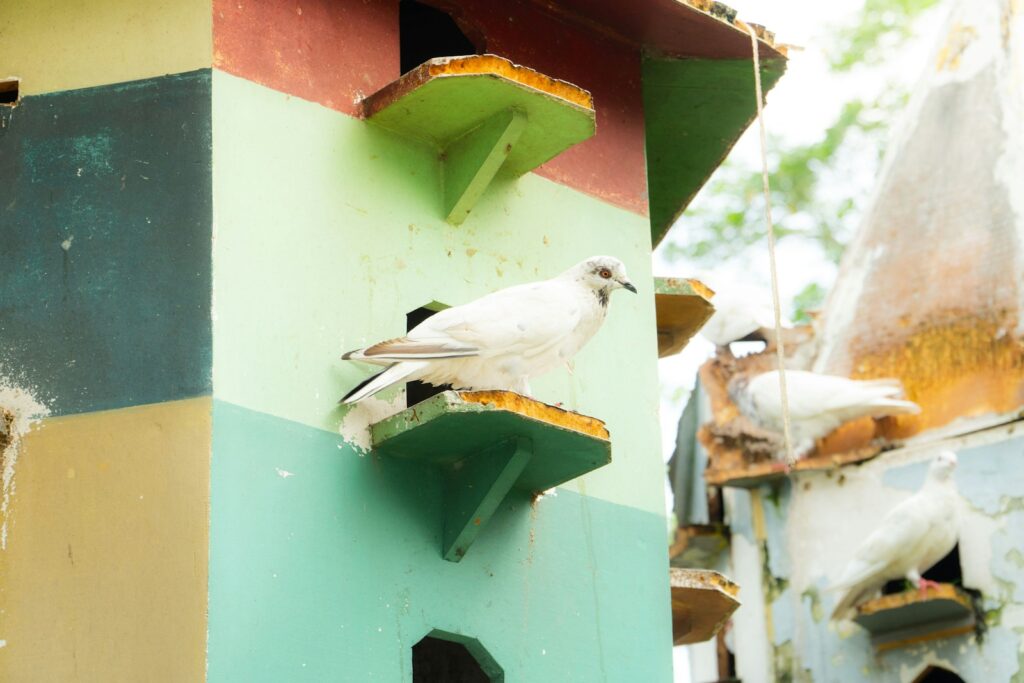
Ever wonder why certain birds seem to flock to your garden during spring? They’re not just looking for a place to perch—they’re after the bugs that bother your plants.
Birds help keep your garden healthy by eating insects that can cause damage. Knowing which birds help and how they do it can make your yard a natural pest-free zone.
How Birds Help Balance Your Garden’s Ecosystem
Birds eat pests like aphids, beetles, and caterpillars. This cuts down on the need for chemical sprays and helps keep the soil and water cleaner.
During breeding season, birds need more protein, so they eat even more insects. This natural boost helps control pest populations when they’re most active.
Birds also help with pollination and spreading seeds, keeping your garden’s ecosystem balanced.
Common Backyard Birds That Eat Pests
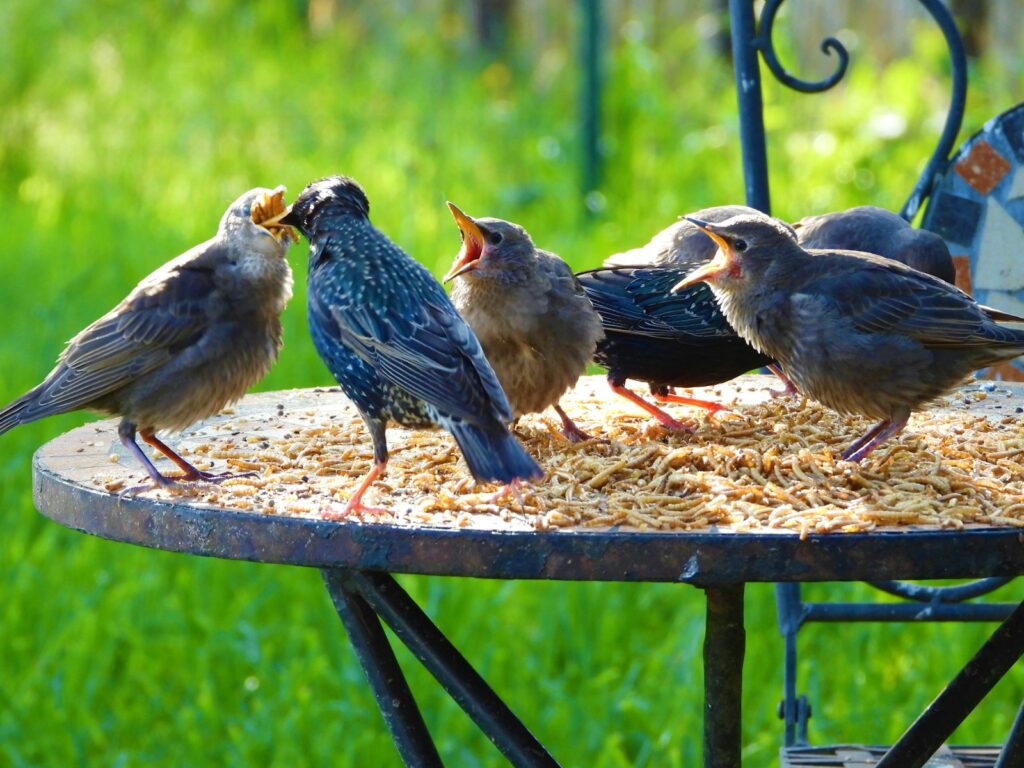
Chickadees, wrens, and nuthatches are some of the best insect-eaters you can attract. They hunt for pests like aphids and caterpillars every day.
Bluebirds, sparrows, and warblers also eat lots of bugs, searching in bushes, trees, and on the ground. Swallows catch flying insects, offering extra protection for your garden.
Providing food, water, and safe nesting spots brings these helpful birds to your yard.
Preparing Your Yard for Springtime Bird Visitors
Getting your yard ready for spring birds is all about creating inviting spaces. Birds are looking for food, water, and shelter as the weather warms up.
Timing matters, too. Making changes before spring ensures birds notice and start using your yard during their busiest season.
Creating a Bird-Friendly Habitat
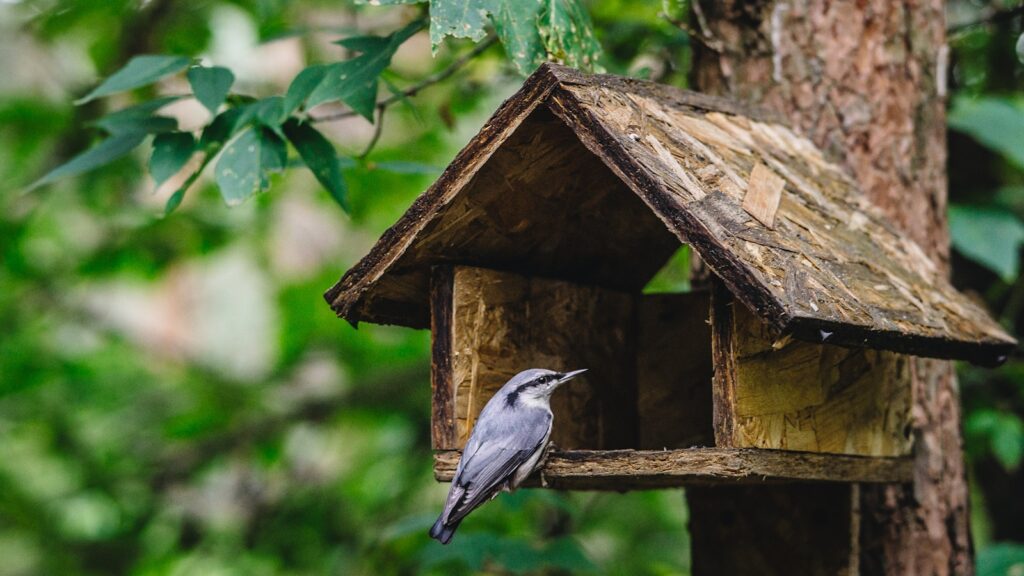
Add native plants like trees, shrubs, and flowers that offer seeds and berries. These plants give birds natural food and safe places to hide.
Layer your plants with ground cover, medium shrubs, and tall trees. This creates feeding, resting, and nesting spots at different heights.
Set up a water source like a small fountain or birdbath. Moving water attracts birds more than still water, so keep it fresh and clean.
Skip pesticides and chemicals to keep your yard safe for birds. Leave piles of leaves or twigs for easy access to nesting materials.
A nearby perch gives birds a place to rest or keep watch for predators. Small touches can make your yard the go-to spot for springtime bird visitors.
Timing Yard Changes for Maximum Bird Activity
As winter starts to fade, it is a great time to think about how your yard can welcome birds. Many migratory birds arrive just as spring begins.
Fixing up feeders and water stations early means birds have food waiting for them when they land. It is a small step that makes a big difference for tired travelers.
Try to do any pruning or planting in late winter or very early spring. This way, you will not disturb birds that are getting ready to nest.
Turning off outdoor lights at night can also help birds find their way. Bright lights can confuse them as they travel.
If you have pets, keeping them inside or away from the garden helps birds feel safe. Little changes like these can turn your yard into a popular spot for birds looking to rest and recharge after a long journey.