What to Do If You Forgot to Plant Your Bulbs Before the First Freeze
It happens to the best of us. Life gets busy and suddenly you realize the first freeze has come and gone, but your bulbs are still sitting in their bags.
You might feel like you’ve missed out on spring blooms. The truth is, there are still plenty of ways to give those bulbs a fighting chance.
Store bulbs in a cool, dry place between 35-45°F to keep them fresh!
If you missed the planting window, don’t panic. You can keep your bulbs in good condition by storing them somewhere cool and dry, between 35 and 45 degrees Fahrenheit.
Find a spot like an unheated basement or garage that stays dry. Use a cardboard box or mesh bag, and add sawdust or vermiculite to help absorb any moisture.
Skip the refrigerator unless you’re sure your bulbs need a chilling period for your climate. Too much cold can be just as bad as too much heat.
Proper storage keeps your bulbs ready for planting when the ground thaws.
Plant bulbs in pots indoors using the “instant planting” method to force early blooms!
Not all is lost if you didn’t get those bulbs in the ground. You can plant them indoors in pots and enjoy flowers ahead of schedule.
Pick bulbs suited for forcing, like tulips, daffodils, or crocus. Use a pot with drainage and fresh potting soil. Plant bulbs close together, pointed end up, and cover with soil.
Water gently, then keep the pots in a cool, dark place for 12 to 16 weeks. This chilling period helps roots develop.
After chilling, move pots to a sunny spot indoors. Shoots will appear, then blooms. It’s a simple way to bring spring inside.
Move unplanted bulbs to pots and let them grow inside before transplanting outside!
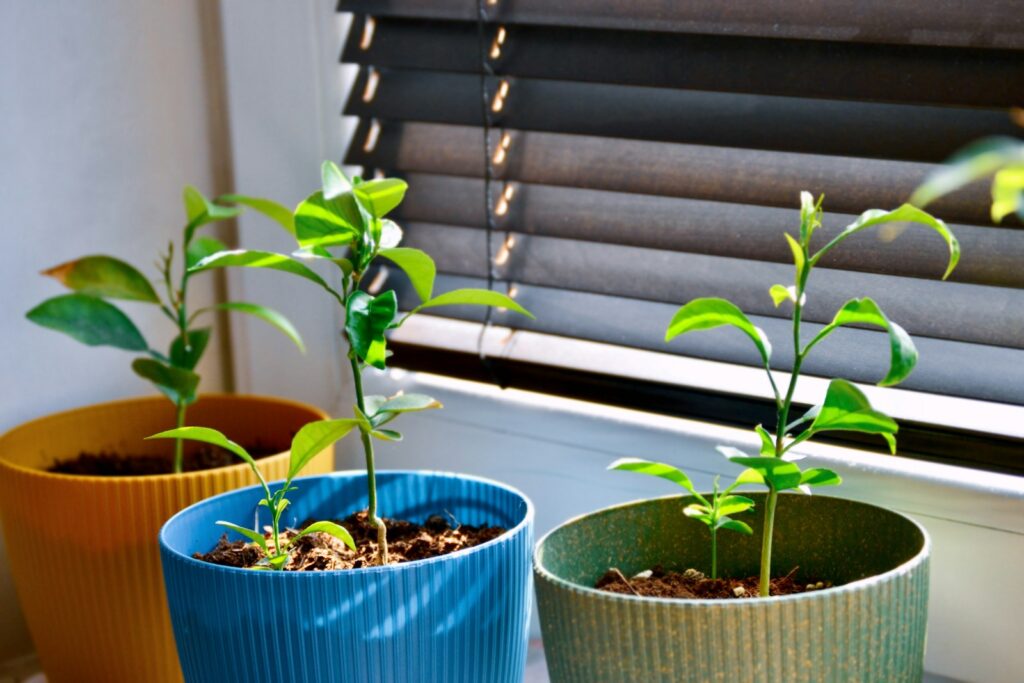
If you’re staring at a bag of bulbs and frozen ground, try potting them up indoors. Use pots with drainage and fill with potting soil.
Plant bulbs at the right depth, just like you would in the garden. Place pots in a cool, bright spot indoors.
Shoots should appear in a few weeks. When spring arrives, start moving pots outside for a few hours each day to get the bulbs used to outdoor conditions.
Once it’s warm enough, plant them in your garden and enjoy the blooms you thought you’d missed.
Dig up bulbs after foliage yellows and plant them in your garden when weather allows!
If you have bulbs that sprouted in pots or indoors, wait until their foliage turns yellow and dies back. This means the bulb has stored enough energy.
Gently dig up the bulbs and let them dry in a cool, dry place for a few days.
When spring returns and the ground is workable, plant the bulbs outside at the correct depth in a sunny, well-drained spot.
This gives your bulbs a fresh start in the garden.
Plant late bulbs as soon as the ground is workable, even after the first frost!
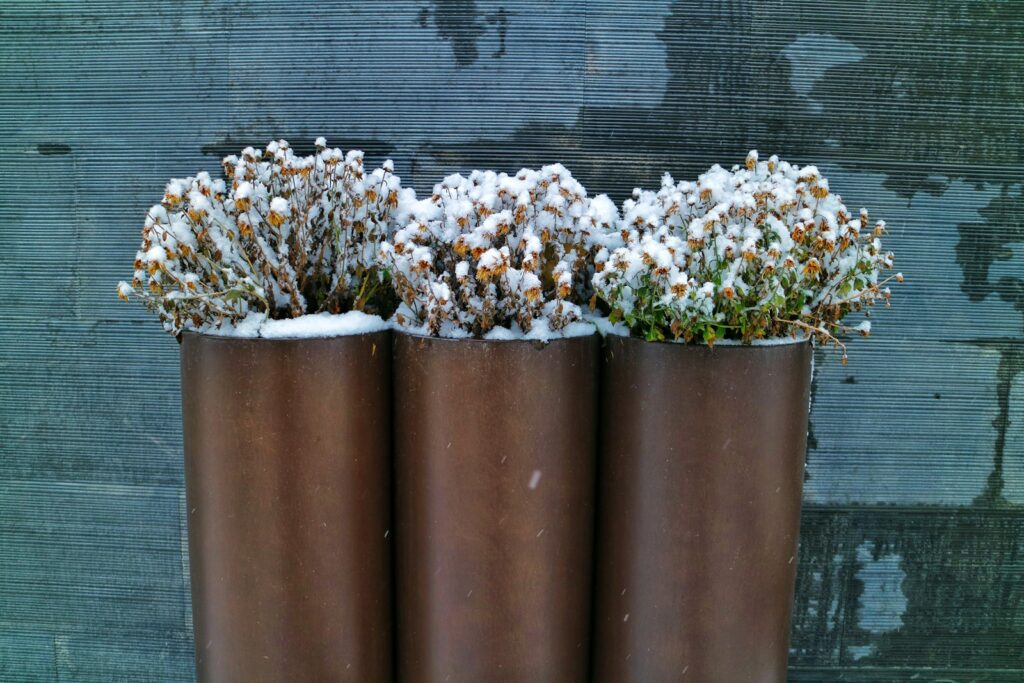
As soon as the soil is soft enough to dig, get those bulbs in the ground. Many bulbs, like tulips and daffodils, can handle a late planting if you move quickly.
Work the soil to about 6 to 8 inches deep. Plant bulbs at the recommended depth for their type.
Mulch well to protect from late cold snaps. Your blooms may arrive a little later, but you’ll still get color in spring or early summer.
Don’t hesitate, plant as soon as you can dig.
Use well-draining soil in pots to prevent bulb rot during indoor forcing!
When forcing bulbs indoors, drainage is everything. Choose a potting mix with perlite or vermiculite to let water flow through.
Make sure your pots have holes at the bottom. Add a layer of gravel or coarse sand if you want extra drainage.
This keeps bulbs from sitting in soggy soil, which can cause rot. Healthy roots lead to better blooms.
Check bulbs for firmness and discard any soft or moldy ones before planting!
Give each bulb a gentle squeeze before planting. Firm bulbs are healthy and ready to grow.
If a bulb feels soft, squishy, or has moldy spots, toss it. Mold and rot can spread quickly to other bulbs.
Sorting now means you’re only planting the best, giving your garden a head start when spring comes around.
Give bulbs a chilling period in the fridge if they missed natural cold outdoors!
If your bulbs didn’t get a cold period outside, use your fridge. Put bulbs in a paper or mesh bag and keep them away from fruit.
Set the temperature between 35 and 40 degrees Fahrenheit. Most bulbs need 12 to 16 weeks to chill.
Check on them occasionally to make sure they aren’t too damp. If they’re moist, let them dry out a bit before putting them back.
After chilling, plant them outside or force indoors for blooms.
Water bulbs moderately indoors but avoid overwatering to prevent mold!
Indoors, bulbs need just enough water to keep the soil damp. Overwatering leads to mold and rot.
Let the soil dry out a bit between waterings, like a wrung-out sponge.
If you spot mold or smell something off, cut back on water and move bulbs to a drier spot. Good airflow helps prevent problems.
Careful watering keeps your bulbs healthy until they’re ready for the garden.
Prepare garden beds by loosening soil to help late-planted bulbs root quickly!
Before planting late bulbs, loosen up your garden soil. Use a fork or spade to break up compacted areas.
Aim for soft, crumbly soil that drains well. Add compost to boost nutrients and moisture retention.
Work the soil a few inches deep so bulbs can settle in and grow roots fast. This gives them a better shot at blooming, even if they’re late to the party.
Understanding the Impact of a Missed Planting Window
Missing the ideal planting time can be frustrating. Cold soil and freezing weather make it tough for bulbs to get started, but not all hope is lost.
Your bulbs might still be viable if you know what signs to look for.
How Freezing Temperatures Affect Bulbs
Frozen ground makes it hard for bulbs to root. Bulbs need to start growing roots before soil freezes.
Some bulbs can handle a bit of cold once planted, but if left unplanted, they might dry out or rot. Many bulbs actually need a chill period to bloom well.
Don’t force bulbs into frozen ground. Store them cool and dry, or try indoor planting until the soil thaws.
Common Signs Bulbs May Still Be Viable
Check bulbs for firmness. Soft, mushy, or smelly bulbs are usually beyond saving.
Look for green shoots, these are a good sign the bulb is still alive. Bulbs that are very dry or shriveled may not recover.
Mold or slime are red flags. Healthy bulbs feel heavy and have intact skins.
| Signs Your Bulbs Are Good | Signs Your Bulbs Are Bad |
|---|---|
| Firm to touch | Soft, mushy, or smelly |
| Presence of green shoots | Mold or slime |
| Intact outer skin | Very dry or shriveled |
Knowing what to look for helps you decide which bulbs are worth planting.
Creative Solutions for Late Bulb Planting
Just because you missed the first freeze doesn’t mean you have to miss out on spring flowers. There are still ways to enjoy those bulbs.
Using Containers and Pots
Containers are a great option when it’s too late to plant in the ground. Choose pots with drainage and fill them with well-draining soil.
Plant bulbs at a depth about twice their height. Keep pots outside in a shady, cool spot to help roots develop.
When the weather warms, move pots to where you want blooms. You control the watering, so keep soil moist but not soggy.
Container planting gives you flexibility and a second chance at spring color.
Forcing Bulbs Indoors for Spring Blooms
Ever wish you could have fresh flowers brightening up your home while it’s still chilly outside? Forcing bulbs indoors lets you enjoy colorful blooms long before spring arrives.
Start by chilling your bulbs in the fridge for about ten to twelve weeks. Make sure to keep them away from fruits since some fruits release gases that can damage the bulbs.
Once chilled, plant the bulbs in pots filled with moist soil. Put the pots in a cool, dark spot for a few weeks to help the roots develop.
After that, move the pots to a warm, sunny area to encourage the flowers to bloom. Hyacinths, crocuses, and paperwhites are some of the best choices for this project.
Bringing spring into your living room is a fun way to beat the winter blues. Plus, you don’t need to worry if you forgot to plant bulbs outdoors last fall.