How to Revive a Sad Winter Fern in Dry Indoor Air
If your fern is looking sad this winter, you’re definitely not alone. When the air inside gets dry, ferns often respond with droopy, brown, or crispy leaves.
Ferns love moist air and need a little extra care during the colder months. With a few easy tweaks, you can help your plant perk up and bring a splash of green back into your home.
Increase humidity with a cool-mist humidifier nearby!

Set up a cool-mist humidifier close to your fern. This adds moisture to the air and helps prevent browning or curling leaves.
Position the humidifier so the mist reaches your plant without soaking the pot. Clean the humidifier regularly for fresh, healthy moisture.
Cool-mist humidifiers work well during winter when heaters dry out the air. They’re quiet and safe to run day or night.
Mist fern leaves daily using a spray bottle filled with room temperature water.
Give your fern a daily mist with room temperature water. This keeps the leaves moist and helps them stay green.
Misting is extra helpful when your home’s air is dry. Try misting in the morning so the leaves have time to dry out during the day.
Avoid using cold water, which can shock the plant. Keep a spray bottle handy so you remember to mist every day.
Place your fern in bright, indirect light: avoid direct sunburn!
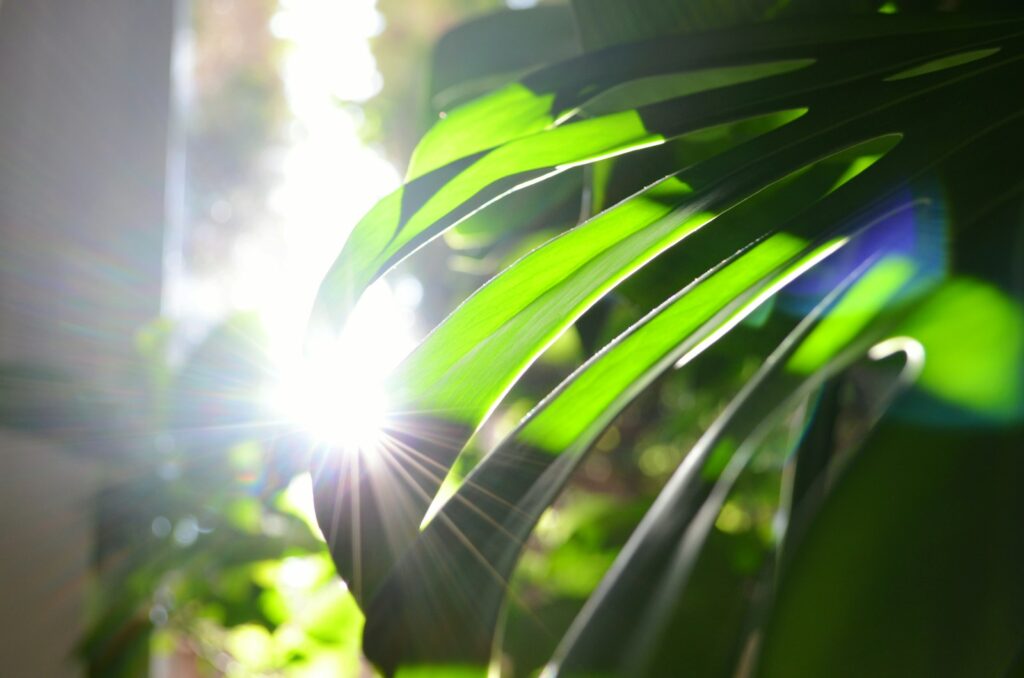
Ferns thrive in bright, indirect light. Place your plant near a window where sunlight is filtered or reflected.
Direct sunlight can burn the delicate fronds and cause brown spots. A north- or east-facing window is usually a safe bet.
If light is low, move your fern closer to the window but keep it out of harsh sun. Think soft, gentle light rather than intense beams.
Keep your fern away from cold drafts and heat vents for comfort
Your fern will do better in a spot with steady, gentle warmth. Cold drafts from windows or doors can dry out and stress your plant.
Heat vents can also be a problem since the hot air dries the soil and fronds. Find a place away from vents and chilly spots to keep your fern comfortable.
A south-facing window with indirect light is often a good choice, as long as it’s not drafty or near a heater.
Use a pebble tray filled with water under the pot to boost moisture.

Create a simple pebble tray by filling a shallow tray with pebbles and adding water just below the tops. Set your fern’s pot on the pebbles.
The water will slowly evaporate, raising humidity around the plant. Make sure the pot isn’t sitting directly in water to avoid root rot.
Top up the water as needed. This quick fix helps your fern feel more at home during dry winter days.
Trim off any brown, crispy leaves to encourage fresh new growth!
Grab some sharp scissors or pruners and snip away brown or crispy leaves. This lets your fern focus on new, healthy growth.
If just the tips are brown, trim those off. For fully brown leaves, cut them at the base.
Removing dead leaves keeps your plant looking tidy and makes it easier to spot any new issues. After trimming, your fern can put its energy into growing strong, green fronds.
Water consistently, keeping soil moist but never soggy—check daily!
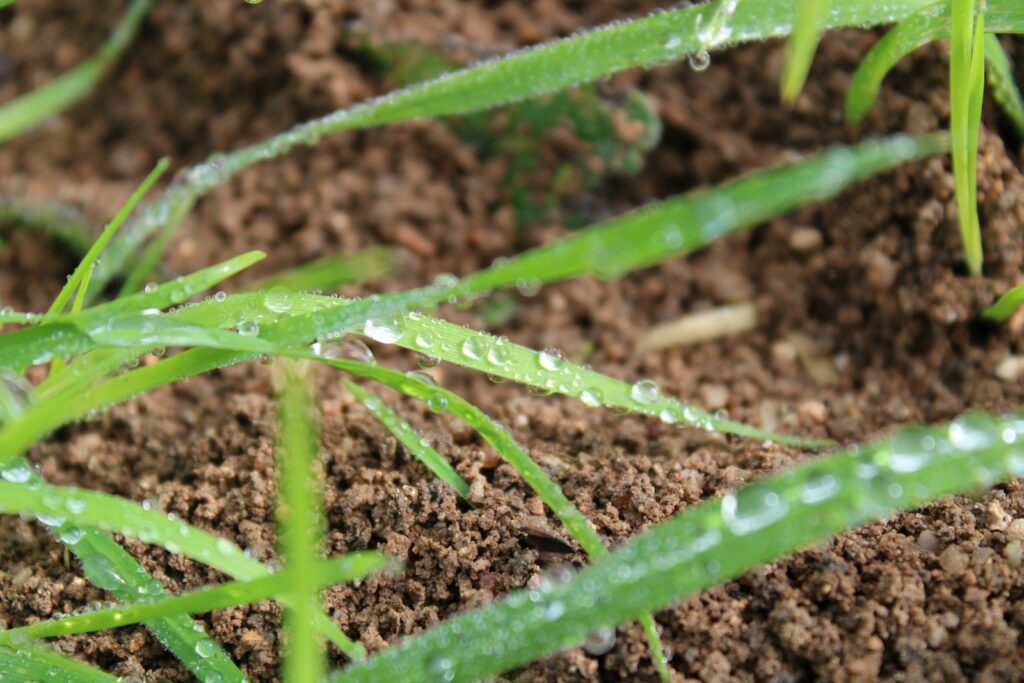
Water your fern regularly to keep the soil evenly moist. Touch the soil each day; if the top inch feels dry, it’s time to water.
Water deeply so the roots get enough moisture, but make sure excess water drains away. Ferns like moisture, not soggy roots.
Consistent watering helps your plant recover from dry air and keeps it healthy all winter.
Repot your fern in well-draining, peat-based soil for healthy roots
If your fern still looks sad, try repotting it in fresh, well-draining soil. A peat-based mix holds moisture without letting roots sit in water.
Choose a pot slightly bigger than the old one to give roots room to grow. Gently shake off old soil and set your fern in the new mix.
Water thoroughly after repotting to help the roots settle in. This can give your fern a fresh start.
Group plants together to create a mini humidity oasis indoors
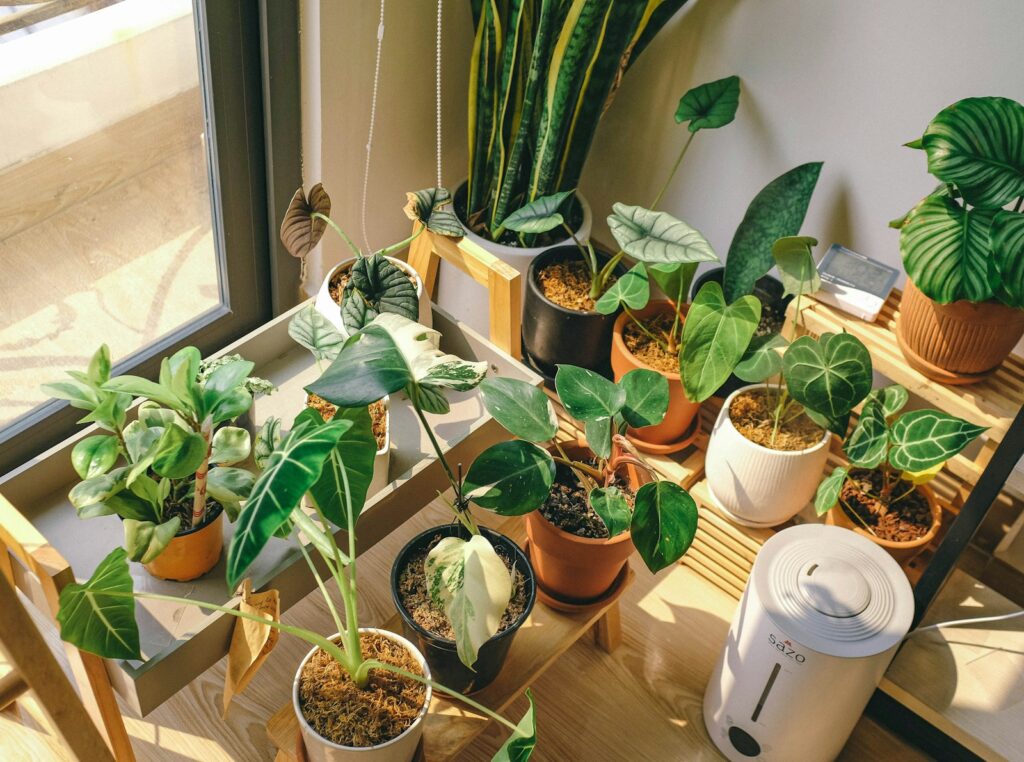
Put your fern near other plants to boost humidity. When plants are grouped, they share moisture through their leaves and soil.
This creates a little oasis of humidity, which helps ferns thrive. Use plants with similar water needs so you can care for them easily.
Watch for changes in your fern’s leaves, if they look happier and greener, your mini oasis is working.
Turn your fern regularly to ensure even light exposure on all sides
Rotate your fern every week or two so all sides get light. Ferns naturally lean toward the sun, and turning them keeps growth even.
If light only comes from one direction, turning your plant is especially important. This simple step helps your fern stay full and balanced.
Your plant will look healthier and more vibrant with regular rotation.
Understanding Why Ferns Struggle in Winter
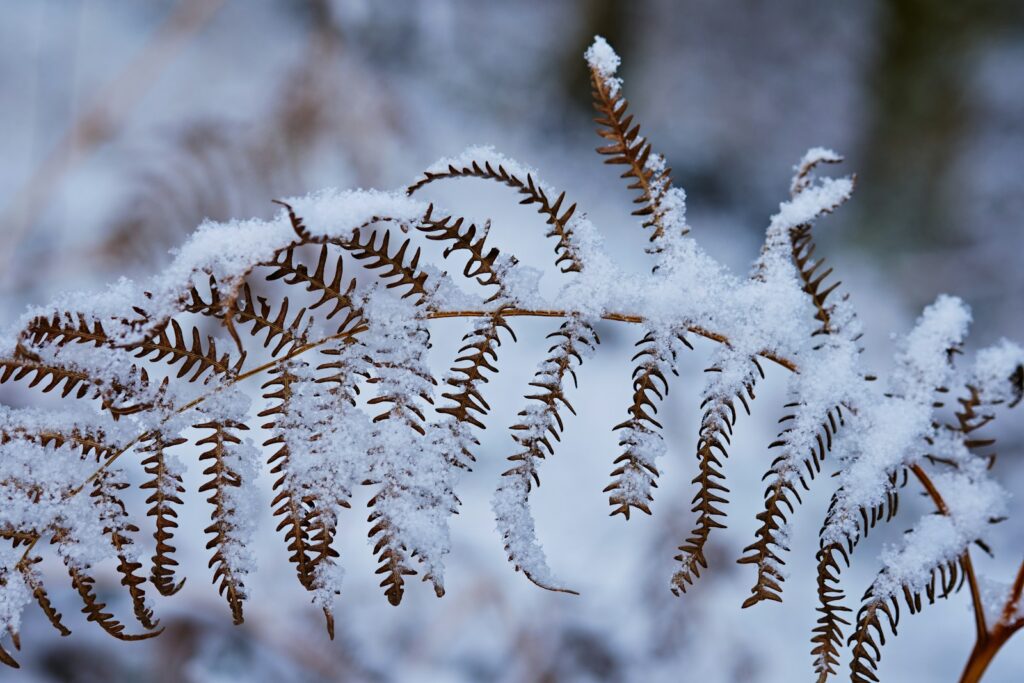
Winter brings a lot of changes for indoor ferns. The air gets dry, and the light isn’t as strong as it is in other seasons.
These shifts can make your fern look droopy, brown, or stressed. Knowing what’s going on helps you give your plant what it needs to recover.
Impact of Dry Indoor Air on Fern Health
Dry air is tough on ferns. Heating systems make the air inside your home lose moisture, and ferns need humidity to thrive.
When humidity drops below 40 percent, your fern loses water through its leaves faster than it can replace it. This leads to crispy tips and brittle fronds.
Keeping the room’s humidity between 40 and 60 percent helps your fern stay green and soft. Tools like humidifiers or pebble trays can make a big difference.
Common Symptoms of Distressed Ferns
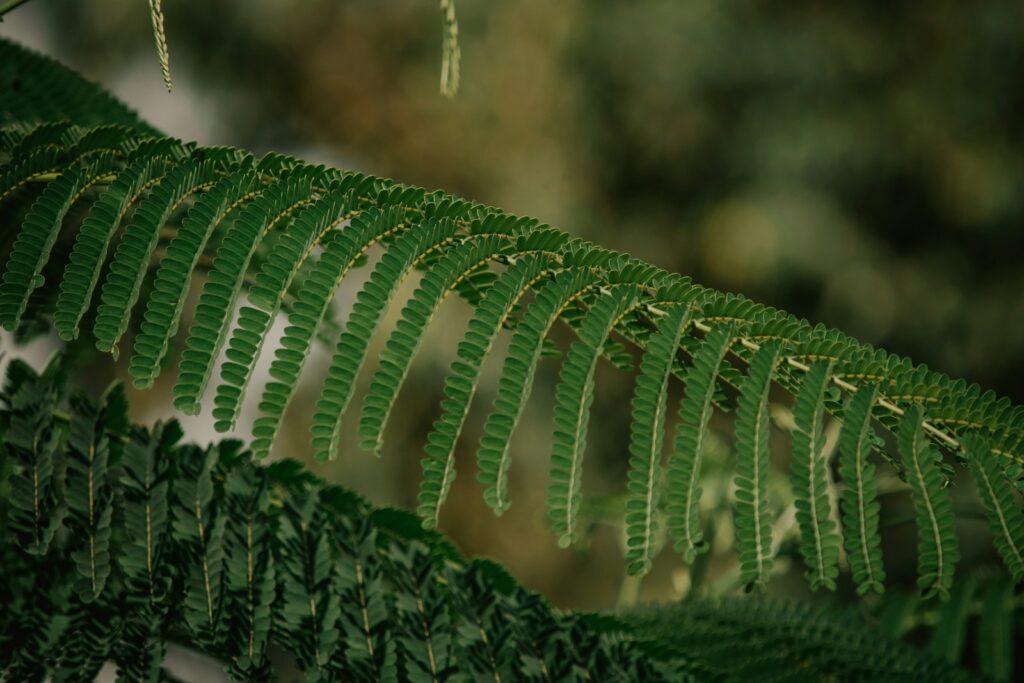
A struggling fern will show yellow or brown spots on its leaves. Wilting, drooping, or stunted growth are other clear signs.
Sometimes, your fern may drop fronds as it tries to survive. Brown edges and crispy leaves are common when the air is too dry.
Catching these symptoms early means you can help your fern recover before things get worse.
Creating the Perfect Recovery Environment
Bringing your fern back to life is all about creating the right conditions. Focus on humidity, gentle light, and stable temperatures.
Boosting Humidity for Indoor Ferns
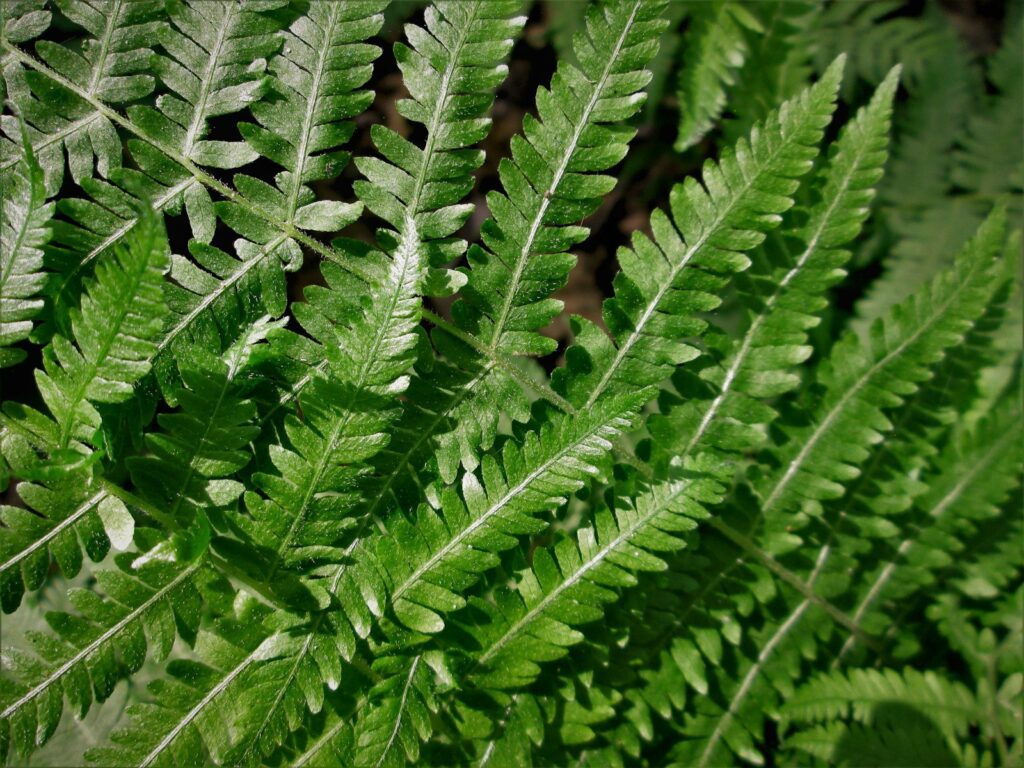
Ferns crave moist air, especially when indoor heating dries things out. Use a tray of water and pebbles under the pot, mist the leaves daily, or group plants together for higher humidity.
A humidifier near your fern can keep moisture levels just right. Aim for 50 to 60 percent humidity to keep your fern’s leaves lush and green.
Optimal Light and Temperature Adjustments
Finding the right spot for your fern can make all the difference. Place it where it gets bright, indirect light.
Direct sunlight can scorch the delicate leaves. An east-facing window or light filtered through a sheer curtain works well.
Keep your fern away from cold drafts and heat vents. Temperatures between 65°F and 75°F (18°C to 24°C) are comfortable for most ferns.
Sudden changes in temperature can stress your plant. Try to keep the environment steady so your fern can thrive.