Why Your Outdoor Containers Keep Cracking
Ever looked out at your garden in spring and noticed your favorite pots split or broken? It’s a common frustration, especially after a long winter.
Cold weather is tough on outdoor containers, but there are ways to keep them looking good year after year.
The main reason your outdoor containers keep cracking is that water inside them freezes, expands, and breaks the material. Knowing this can help you protect your pots and keep them safe through cold seasons.
Water Absorption and Freezing Damage
Outdoor containers made from terracotta, unglazed clay, or concrete are porous. They soak up moisture like a sponge.
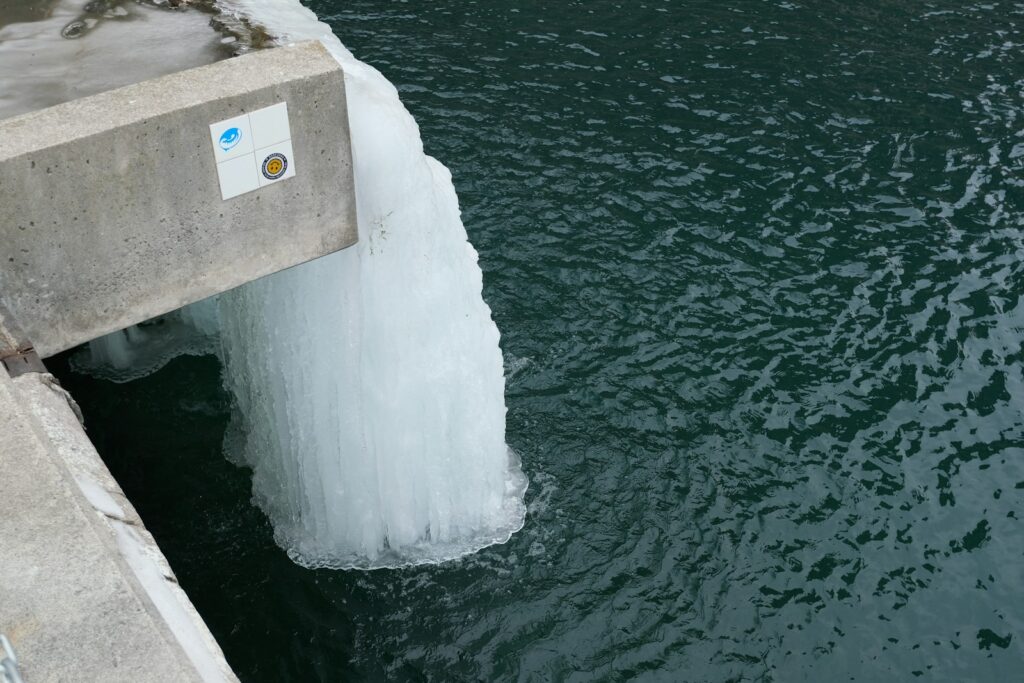
Once the temperature drops, any trapped water starts to freeze. Frozen water expands and pushes against the walls of your container.
Even tiny cracks let in more water each time it rains. Every freeze and thaw cycle makes the damage worse.
Over time, your once-perfect planter can break apart. Keeping your containers dry before winter is key.
Using sealants or paints designed to block water can help. Storing pots in a frost-free place also stops water from freezing inside.
Use Waterproof Sealant on Pots
A waterproof sealant can be a game changer for your outdoor containers. It keeps water from soaking into tiny cracks and freezing inside.
Before applying, make sure your pots are clean and dry. Spread a layer of sealant all over, especially on edges and handles.
Sealants are easy to find and not expensive. Clear versions keep the look of your pots, while tinted ones give a fresh finish.
Reapply each year before winter. Your outdoor containers will last much longer.
Store Terracotta Pots Indoors
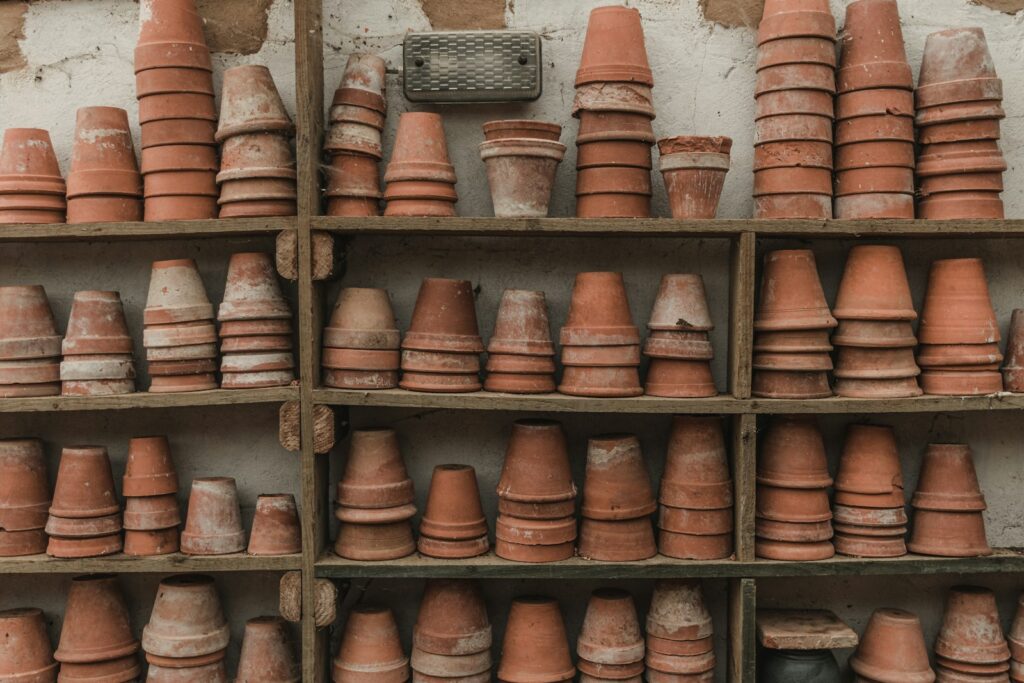
Bringing terracotta pots inside during winter can really make a difference. Cold weather causes clay to freeze and expand, which leads to cracks.
If you have space, store your pots in a garage or basement. Remove excess soil to prevent pests and mold, but you don’t have to clean them perfectly.
For larger pots that are hard to move, place them under a covered area like a porch. Raise them on bricks or pallets to keep them off the cold ground.
Covering them with a tarp adds extra protection. When spring arrives, your pots will be ready for planting again.
Wrap Pots with Burlap or Bubble Wrap
Give your outdoor containers an extra layer of protection by wrapping them in burlap or bubble wrap. These materials act like a cozy jacket, keeping the cold out.
Wrap the pot in bubble wrap, using two or three layers for best results. Burlap is another good option because it’s tough and breathable.
Secure the wrap with string or tape. Add mulch or straw around the base for even more insulation.
This simple step keeps roots warmer and helps your pots last longer through winter.
Elevate Pots to Prevent Water Pooling
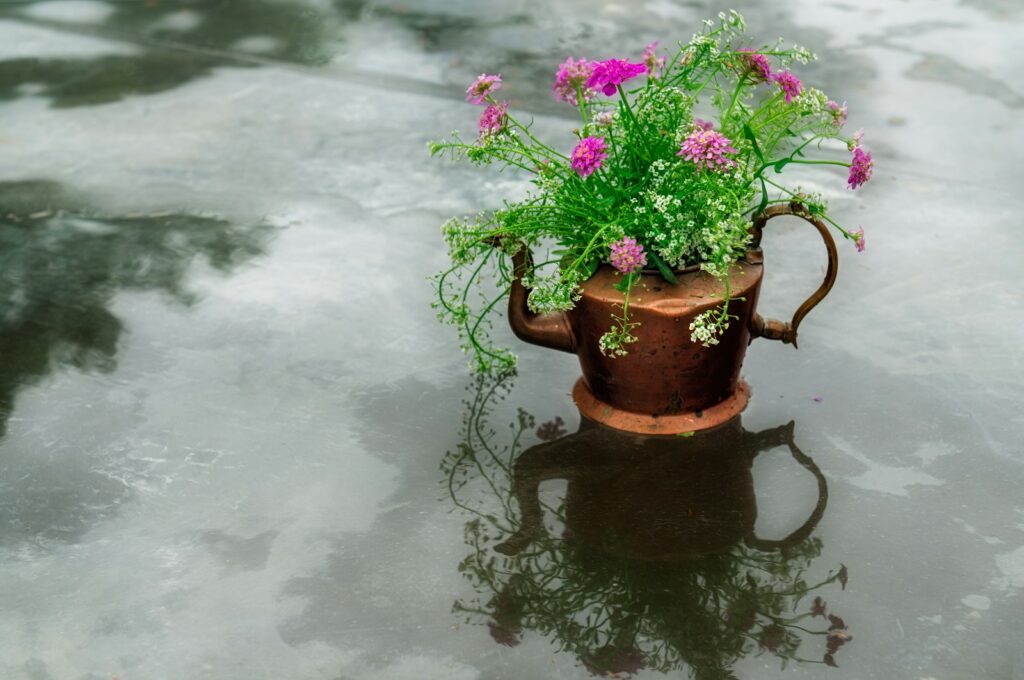
Raising your containers off the ground can help prevent cracks. When pots sit on wet surfaces, water collects underneath and freezes.
Use pot feet or small blocks under your containers. This helps water drain away and keeps pots dry.
Elevation also improves air flow around your pots. Better airflow means moisture evaporates quickly, reducing the chance of ice forming.
Try materials that won’t absorb water like plastic or metal pot feet. Avoid placing pots directly on soil, and use gravel or a hard surface with supports instead.
Use Frost-Resistant Planters
Choosing frost-resistant planters can help you avoid cracked containers. These are made from materials that handle freezing temperatures better.
Plastic, fiberglass, or resin pots are good choices. They don’t absorb water like terracotta or ceramic.
Some containers have thicker walls or built-in insulation. This adds extra protection from frost.
Using frost-resistant containers means less worry when the temperature drops. Your garden stays looking great, and your pots last longer.
Drain Excess Water from Containers
Excess water in your pots can cause them to crack when it freezes. Water at the bottom expands as it turns to ice, putting pressure on the container.
Make sure your containers have drainage holes. If not, carefully drill some or add small stones at the bottom.
After heavy rain, check your containers for pooling water. Tip the pot to drain it out and keep the soil from getting soggy.
Empty pot saucers regularly so water can’t freeze inside. Managing water well keeps your containers strong during winter.
Avoid Overwatering Before Frost
Watering your containers too much before frost can lead to cracks. When water in the soil freezes, it expands and puts pressure on your pots.
As temperatures drop, cut back on watering. Let the soil dry out a bit before the cold sets in.
Only water when your plants really need it. Dry soil means less chance of cracking during frost.
Choose Plastic or Fiberglass Containers
Plastic and fiberglass pots are great for handling cold weather. They resist freezing temperatures much better than ceramic or terra cotta.
Plastic containers are lightweight and less likely to break if dropped. They come in many shapes and sizes.
Fiberglass pots are strong and don’t absorb water, so they avoid damage from freezing moisture. They also look stylish in any outdoor space.
Choosing these materials means less worry about your containers breaking during winter.
Place Pots in Sheltered Locations
Find sheltered spots for your outdoor containers to keep them safe. Moving pots close to walls, fences, or under eaves shields them from wind and freezing rain.
Grouping your pots together creates a small microclimate. This helps protect fragile materials from sudden cold snaps.
If you have a covered porch, garage, or shed, store your empty pots there during winter. Even blocking direct exposure to frost can save your containers from splitting.
Understanding the Science Behind Outdoor Container Cracking
When cold weather hits, your containers face two main challenges: changing temperatures and water moving through the pot. These forces work together to weaken your pots.
How Temperature Fluctuations Cause Damage
Rapid rises and drops in temperature put stress on your containers. Materials like terracotta and ceramic shrink in the cold and expand when they warm up.
This constant shrinking and expanding creates tiny fractures over time. Sudden cold snaps can make these fractures worse, especially for fragile pots.
Plastic or metal containers handle winter better because they don’t change size much in the cold.
Moisture and Freeze-Thaw Cycles Explained
Water seeps into tiny cracks or pores in your pots. As temperatures drop, the water freezes and expands, pushing on the pot from the inside.
This expansion forces cracks to get larger. When the ice melts, water seeps further in, ready to freeze again later.
Porous materials like terracotta are most at risk. Non-porous materials like fiberglass or plastic let less water in, so they usually last longer.
Proactive Solutions for Long-Lasting Pots
Keeping your containers safe through winter means picking strong materials and placing them wisely. The right pot and placement can keep your containers from cracking, even when it gets cold.
Choosing Durable Materials
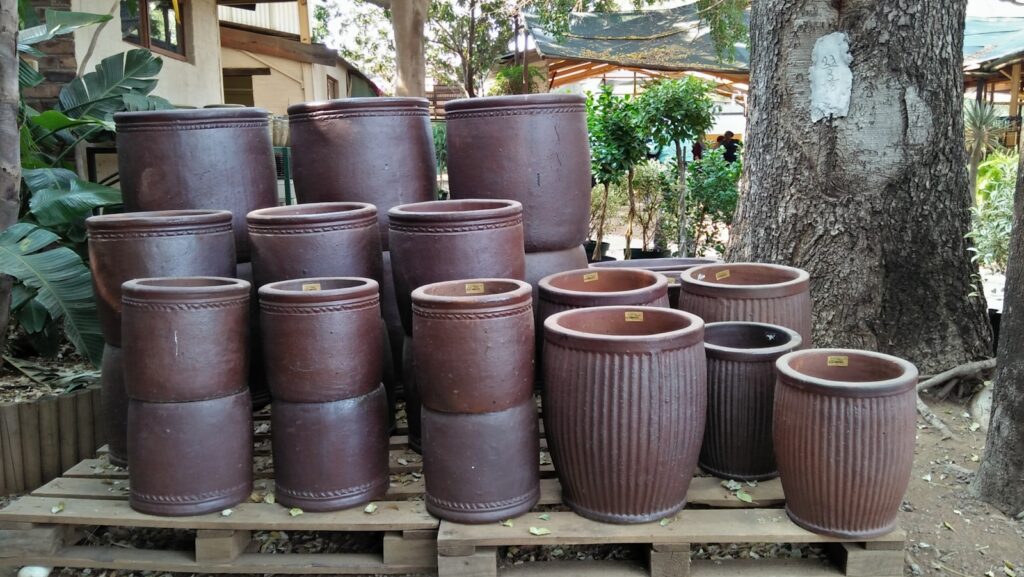
Look for containers made from plastic or resin. These don’t absorb water, so they won’t crack when it freezes.
Terracotta and ceramic, while pretty, soak up water and freeze inside, causing cracks. If you prefer these materials, choose thicker pots or those made for outdoor use.
Some containers come with a glaze or sealant to help stop water from seeping in. Adding a protective coating to your existing pots can help, too.
Tip: Avoid very light and thin materials, as they are more likely to crack in freezing weather.
Placement Strategies to Protect Containers
Finding the right spot for your pots can make a big difference, especially when the weather turns cold. Placing them directly on soil or concrete can lead to frozen moisture and cracked containers.
Instead, try setting your pots on bricks, wooden slats, or special pot feet. This keeps them off the chilly ground and helps protect them from damage.
Look for sheltered areas to reduce wind and frost, such as near a wall or under a covered patio. If you have fragile pots, consider rotating them to warmer spots when temperatures drop.
Tip List for Placement:
- Elevate pots off cold ground
- Place near walls to retain heat
- Use covers or wraps for extra warmth
- Move delicate pots indoors during extreme freezes