How to Keep Your Amaryllis or Paperwhites Blooming Longer Indoors
When the weather turns cold and gray, bringing amaryllis or paperwhites inside is a simple way to add color and cheer to your home. These bulbs are an easy way to brighten your space and enjoy fresh flowers, even when your garden is resting.
If you want those blooms to stick around, a few small changes in your care routine can make a big difference. With a little attention, you can keep your flowers looking vibrant for weeks.
Keep your amaryllis or paperwhites in a cool room around 60-65°F after blooming to extend flower life!
As soon as your amaryllis or paperwhites burst into bloom, try moving them to a cooler spot in your home. Aim for a room that stays between 60 and 65 degrees Fahrenheit.
This cooler temperature slows down the plant’s metabolism and helps those gorgeous flowers last much longer. Find a spot with bright, indirect light so the blooms don’t fade too quickly.
Too much direct sun can shorten their lifespan, but they still need light to stay healthy. It’s all about balance.
Watch your watering, too. Keep the soil moist but not soggy, and avoid letting water pool around the bulb.
Turn your amaryllis plant occasionally to ensure even light exposure and prevent leaning.
Ever notice your amaryllis leaning toward the window? That’s totally normal, but you can help it stand up straight by turning the pot every few days.
Light from all sides keeps the stalks strong and upright. Just a small turn now and then is enough.
Even light helps the leaves and flowers grow evenly. Your plant will look fuller and healthier this way.
Water amaryllis only when the top inch of soil is dry to avoid overwatering and bulb rot.

Before you water your amaryllis, check the soil. If the top inch feels dry, it’s time to give it a drink.
Too much water is a fast way to make the bulb rot, which ends the blooming party early. Make sure your pot has good drainage so the roots don’t sit in water.
Pour water around the soil, not directly onto the bulb’s neck. Clay or terracotta pots are great for pulling away extra moisture.
Use bright, indirect light for paperwhites to keep blooms vibrant and strong indoors
Paperwhites love lots of light, but direct sun can be too harsh. Place them near a window with filtered sunlight, think sheer curtains or blinds.
A south or west-facing window usually works well. If natural light is limited, try moving your paperwhites closer to the window during the day.
Steady, indirect light keeps the stalks tall and the flowers bright white. Your space will stay cheerful and fragrant.
Avoid letting the pots sit in water, good drainage is key to healthy bulbs and longer blooms!
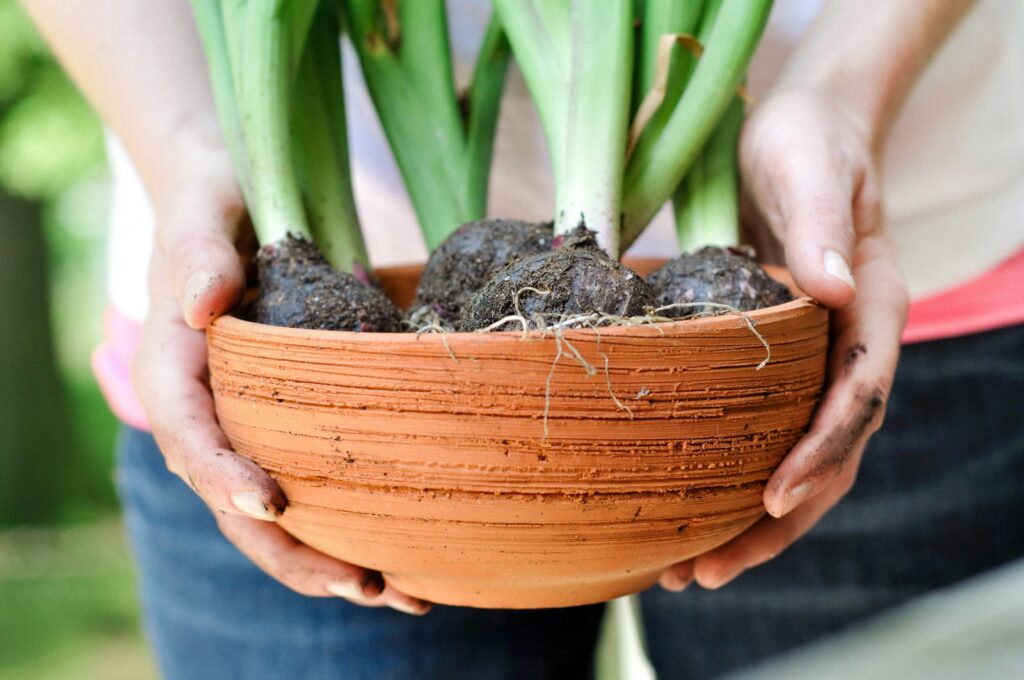
If you want your blooms to last, make sure there’s no standing water under your pots. Good drainage keeps the bulbs healthy and prevents rot.
Choose pots with drainage holes, or use a smaller pot with holes inside a decorative one. Potting soil that drains well is important, too.
Check the saucer under the pot regularly and empty out any water that collects. Little details like this can really help your flowers stick around.
Repot amaryllis bulbs every 2-3 years with fresh potting mix to maintain nutrient levels and encourage rebloom.
Every couple of years, give your amaryllis a fresh start. Take the bulb out, remove the old soil, and repot it with new potting mix.
Pick a pot that’s just a bit bigger than the bulb. Too much extra space can cause issues.
After repotting, water well and put the plant in a bright spot. Fresh soil gives your amaryllis the nutrients it needs for another round of blooms.
For paperwhites, maintain humidity indoors by misting lightly to keep petals fresh and fragrant.
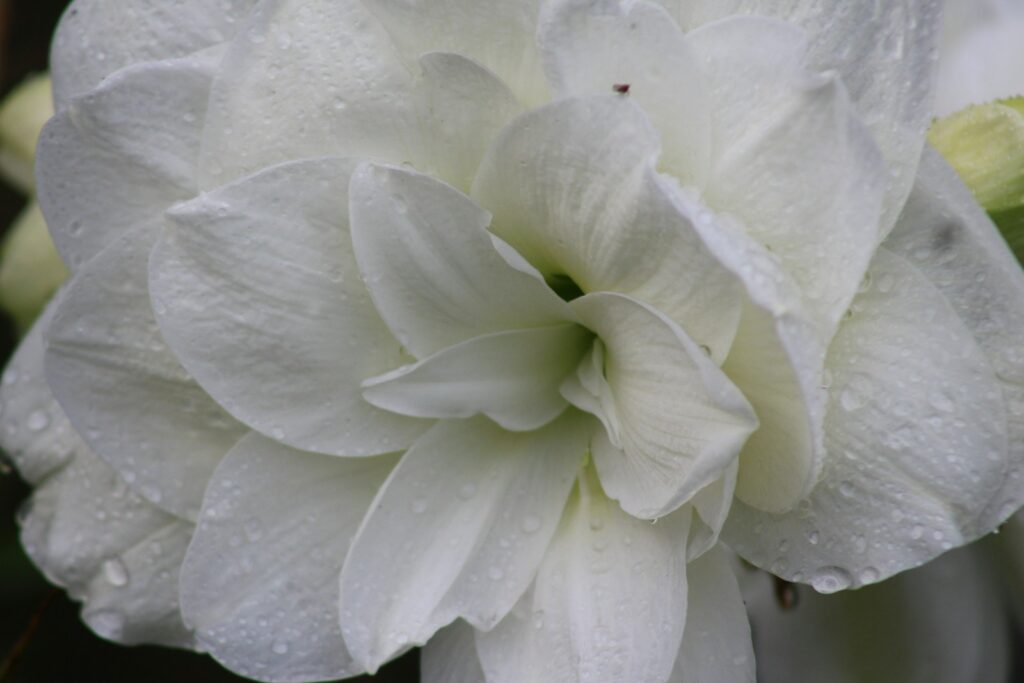
Dry indoor air can make paperwhites wilt faster. A light misting with water helps keep the petals soft and fragrant.
Use a spray bottle to mist the blooms and the air around them, but don’t soak the bulbs or leaves. This is especially helpful if you have the heat running.
A little extra humidity goes a long way in keeping your flowers looking and smelling their best.
Stagger planting dates with new bulbs indoors so you have overlapping blossoms all season long!
Want a steady stream of blooms? Try planting new bulbs every couple of weeks.
As one batch starts to fade, the next will be ready to take over. This keeps your home colorful and lively for much longer.
Just remember to give each group the right care, light, water, and the right temperature.
Bring bulbs indoors in fall and let amaryllis warm to 70-75°F to initiate bud formation before cooling them down
In fall, bring your amaryllis bulbs inside and let them warm up to around 70-75°F. This helps kickstart bud formation.
After a few weeks in a warm spot, you’ll see new growth. When the buds appear, move the plant to a cooler room (60-65°F) to help the blooms last longer.
Adjusting the temperature like this can really stretch out your flower display.
Use a balanced liquid fertilizer every 2 weeks during active growth to nourish your blooming plants.

When your amaryllis or paperwhites are actively growing, feed them with a balanced liquid fertilizer every two weeks.
Look for one with equal parts nitrogen, phosphorus, and potassium. Dilute it to half strength and apply after watering to avoid root burn.
Regular feeding during the growing phase keeps your plants strong and encourages longer-lasting blooms.
Understanding Amaryllis and Paperwhites
Amaryllis and paperwhites are two of the easiest bulbs to grow indoors during winter. Each has its own personality and bloom style.
What Makes Amaryllis and Paperwhites Unique
Amaryllis bulbs put out big, showy flowers on thick stems. You’ll usually get two to four large blooms per stalk.
They need bright, indirect light and prefer cooler rooms once they’ve started blooming. It takes about 4 to 8 weeks for amaryllis to flower indoors.
Paperwhites bloom faster, usually in 4 to 6 weeks. Their clusters of small, fragrant white flowers can fill a room with scent.
Paperwhites don’t need a chilling period and like steady, moderate temperatures. Their blooms don’t last as long, but they’re quick to flower and easy to grow.
Their Indoor Blooming Cycle

Amaryllis and paperwhites have different rhythms. Amaryllis starts with green shoots, then blooms, and finally rests for a few months before starting over.
Paperwhites grow and bloom quickly, then they’re done. Most people toss the bulbs after flowering, since they rarely rebloom indoors.
Plant paperwhites in mid-October for winter flowers. Amaryllis can be timed for blooms throughout the season.
Quick tip:
| Feature | Amaryllis | Paperwhites |
|---|---|---|
| Bloom Time | 4-8 weeks | 4-6 weeks |
| Flower Size | Large, bold | Small, clustered |
| Fragrance | Mild to none | Strong and sweet |
| Dormancy | Yes (rest period needed) | No |
Common Challenges and Solutions
Keeping those blooms around can be tricky, especially with indoor heat and changing light. A few simple tweaks can help your flowers stay vibrant.
Avoiding Premature Fading
Keep your bulbs in a cool spot, ideally between 60-70°F, to slow down wilting. Too much heat can make flowers fade quickly.
Give them bright, indirect light instead of direct sun. This helps the blooms last without drying out.
Water only when the top inch of soil is dry, and don’t let the roots sit in water. Overwatering can lead to root rot and shorten your plant’s blooming time.
Maintaining Vibrant Blooms

Feed your plants with a mild liquid fertilizer every two weeks while they bloom. This helps the flowers stay bright and healthy.
Rotate your plant every few days so all sides get light evenly. This keeps stems from leaning and encourages full blooms.
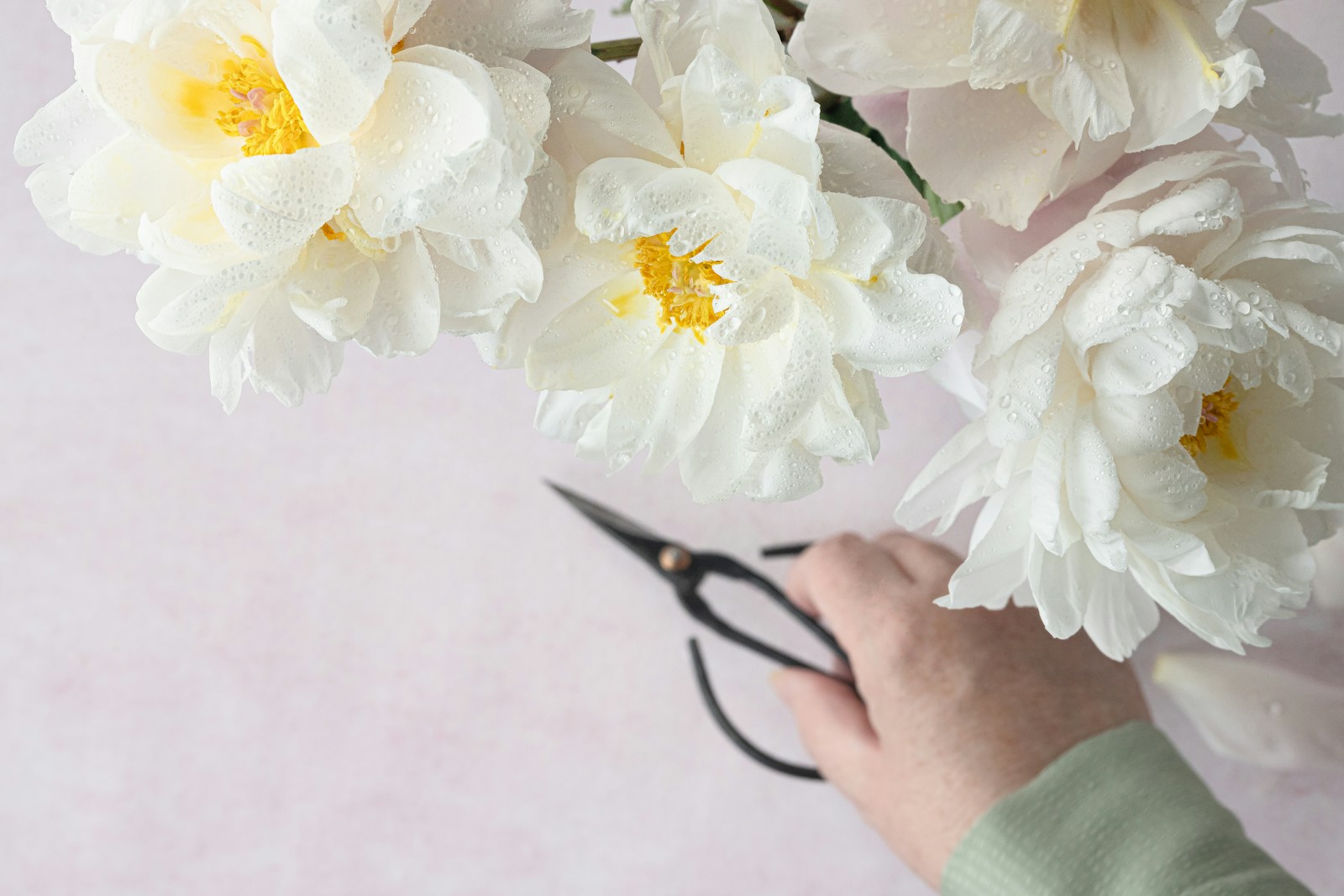
Keep an eye out for wilting leaves or drooping flowers. Remove any fading blooms by cutting the flower stalk close to the base.