Unexpected Places You Can Still Forage Garden Materials in Winter
When winter sets in, it’s easy to think the garden is off-limits until spring. But if you look a little closer, there are still plenty of treasures to find outdoors, even in the coldest months.
It can be oddly satisfying to discover materials hiding in plain sight, just when you thought everything was dormant. Sometimes, the best finds are the ones you stumble upon when you least expect it.
Underneath Evergreen Trees for Pine Needles
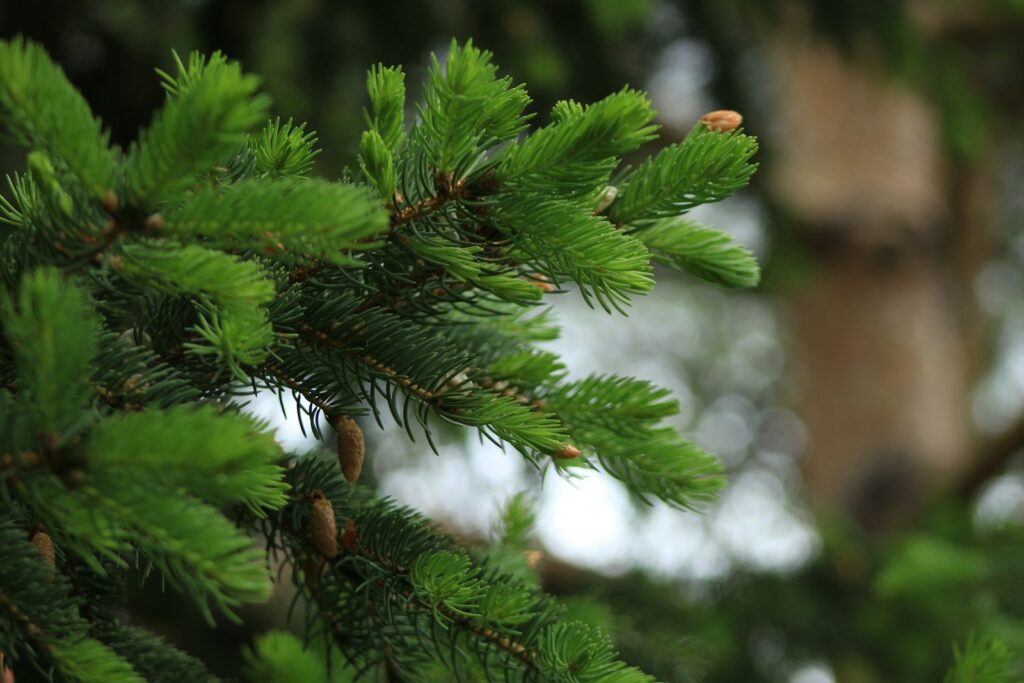
Evergreen trees drop pine needles all winter, and these soft, lightweight needles make excellent mulch. They help retain soil moisture and give your garden beds a rustic, woodland vibe.
Gathering pine needles is simple. Just sweep or rake them into piles and collect what you need.
They’re perfect for paths and for acid-loving plants like blueberries and azaleas. Because pine needles decompose slowly, they last a long time and help keep weeds at bay.
Along Fence Lines for Wild Nettles
Fence lines often hide wild nettles, even in winter. These plants love rich, moist soil, which you’ll often find along old fences.
If you spot nettles, remember to wear gloves to avoid their sting. Nettles are full of nutrients and can add a fresh, green boost to your winter foraging.
Harvest the young shoots for teas or soups, or dry them for later. Once you know how to prepare them, the sting isn’t a problem.
Next time you walk your property, check along the fences, you might be surprised by what’s growing there.
At the Base of Birch Trees for Birch Bark
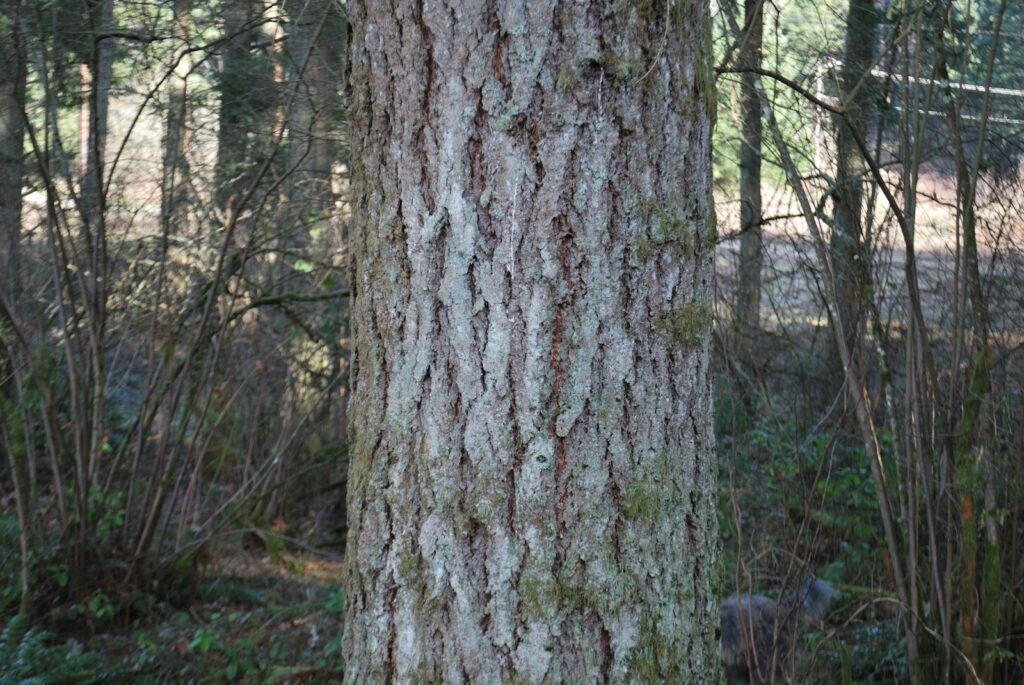
Birch trees offer something special in winter: their distinctive bark. The bark peels away in thin, papery layers and stands out with its bright white color.
Birch bark is strong and flexible, ideal for crafts, kindling, or making small containers. Always take only what you need to keep the tree healthy.
When you peel it, you’ll notice the smooth, white outer layer and a softer inside. This bark has been used for centuries and is still easy to find, even in cold weather.
Snow-Free South-Facing Walls for Wild Garlic
South-facing walls soak up more sun, melting snow faster and warming the ground. This creates the perfect spot for wild garlic to pop up early, even when other areas are still frozen.
Wild garlic’s broad, green leaves are easy to spot, and you might notice a faint garlicky scent nearby. These fresh greens can show up weeks before spring arrives.
Forage near these sunny walls to enjoy a flavorful harvest when you least expect it. It’s a simple way to add some green to winter meals.
Inside Hollow Logs for Winter Mushrooms
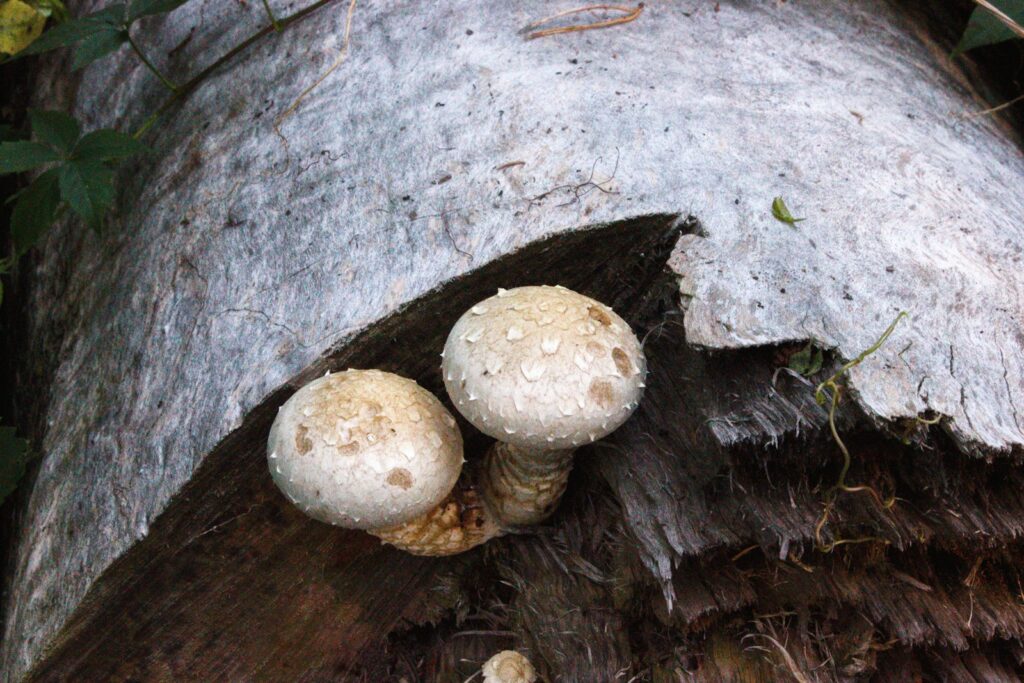
Hollow logs might look empty, but they can be hiding winter mushrooms. The inside of the log shields mushrooms from freezing winds and harsh temperatures.
Look for tough, rubbery mushrooms growing inside or around the base of these logs. Some mushrooms even emerge during winter thaws, especially in moist, shaded areas.
You can also use hollow logs to grow your own mushrooms by inserting spawn and letting them develop slowly through the cold months.
Next to Frozen Streams for Watercress
Even in winter, watercress can thrive near streams that haven’t completely frozen over. The plant’s bright green leaves are easy to spot in shallow, fast-moving water.
Watercress has a peppery taste and grows best where the water is clean and cool. Always check for pollution before harvesting.
Adding watercress to your winter meals brings a fresh, nutrient-packed punch when other greens are scarce. Foraging by a stream can make a chilly walk feel like an adventure.
In Ivy-Covered Garden Corners for Ivy Leaves

Hidden corners of the garden often hold thick patches of ivy that stay green all winter. Ivy leaves are tough and glossy, perfect for winter crafts or arrangements.
Clip a few stems to bring some color indoors or to use in wreaths and garlands. Ivy tends to thrive in shady spots, so check where sunlight is limited.
These quiet corners can surprise you with vibrant leaves, brightening up gray winter days. It’s a fun way to forage without disturbing the rest of your garden.
Beneath Leaf Litter for Buried Roots
Don’t be too quick to clear away fallen leaves in winter. Underneath that layer, roots and small shoots are protected and waiting for spring.
Leaf litter keeps the soil insulated and moist, making it easier for roots to survive the cold. Carefully digging around the edges can reveal root cuttings you can use to start new plants.
As the leaves break down, they feed the soil and help your garden beds stay healthy. Sometimes, what’s hidden beneath the mess is the most valuable.
In Garden Shrubs for Rose Hips
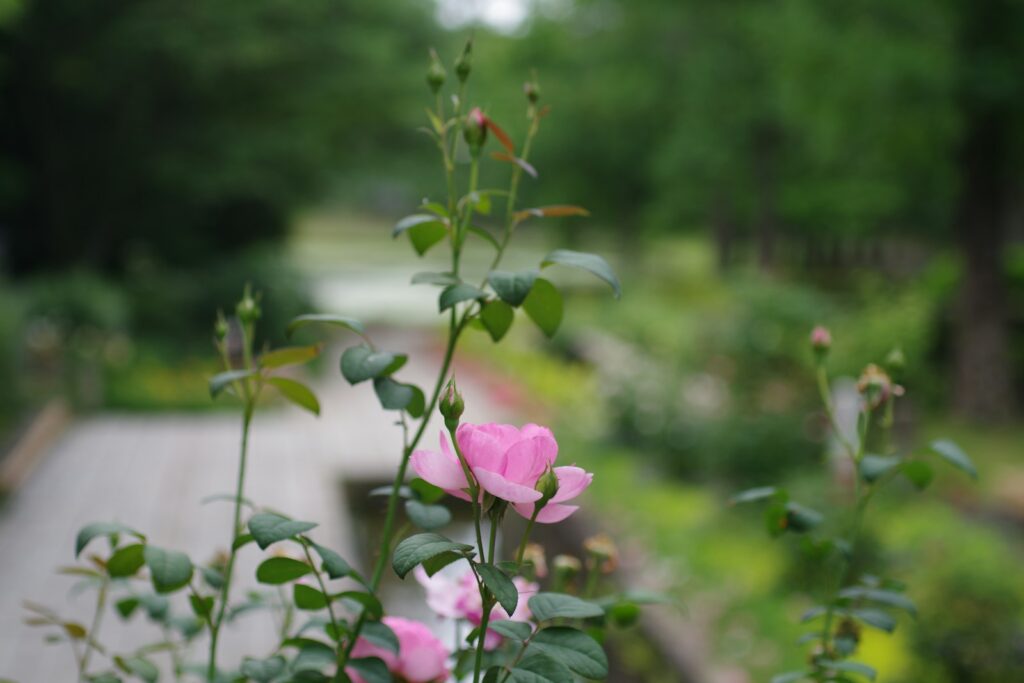
Rose hips often linger on garden shrubs long after the flowers fade. These bright red or orange fruits add color to winter gardens and are packed with vitamin C.
After the first frost, rose hips get sweeter and softer. Use scissors to snip them from the stems, leaving some for birds and wildlife.
Rose hips can be made into tea, jams, or even a natural remedy. Keep an eye on your rose bushes, you might find more than you expect.
On Deadwood for Lichens
Deadwood in the garden is a haven for lichens, even during winter. These hardy organisms cling to old logs and branches, bringing color and texture to bare wood.
Lichens come in many shapes and shades, perfect for craft projects or winter decorations. Gently collect a few without damaging the wood or disrupting the ecosystem.
Deadwood with lichens is also important for local wildlife, offering shelter and food for insects and birds. Sometimes, the most overlooked spots hold the most life.
Responsible Foraging Techniques
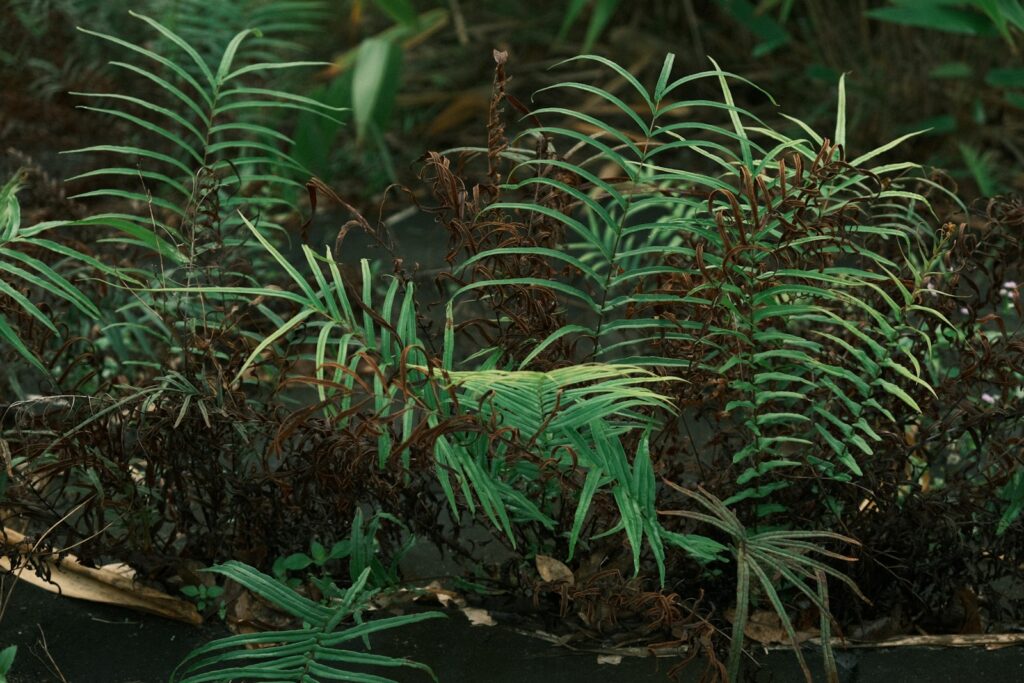
Winter foraging is rewarding, but safety and respect for nature should always come first. Slippery ground and unfamiliar plants can be risky, so staying alert is key.
Wear warm, waterproof clothes and sturdy boots to avoid frostbite or slipping. Keep an eye on the weather and let someone know where you’ll be.
Use a field guide or an app to help identify plants and materials. If you’re not sure about something, it’s better to leave it alone.
Short winter days mean less daylight, so plan your trips carefully. Bring water and snacks, since cold weather can be surprisingly dehydrating.
Foraging in winter can turn an ordinary day into an adventure, and you never know what you’ll discover until you start looking.
Legal and Ethical Harvesting
Before you head out to forage, make sure you know where you are allowed to gather. Many parks and private lands have rules about collecting plants or natural materials.
Always check local regulations or ask landowners for permission. This can save you from trouble and helps protect the environment.
Take only what you actually need. Avoid removing an entire plant or large sections of a tree.
Being gentle when harvesting helps plants survive and regrow. This way, others can enjoy foraging too.
Pay attention to wildlife habitats. Steer clear of nesting spots and areas where animals find shelter or food.
Never take plants that are protected or endangered. Making thoughtful choices means nature stays healthy and ready for everyone to enjoy.