How to Save Money by Starting Perennials from Seed in Winter
Ever looked at your garden budget and wished you could stretch it a little further? Starting perennials from seed during winter is a clever way to fill your yard with blooms without breaking the bank.
You get to experiment with all kinds of flowers and plants, and the best part is they’ll come back year after year. This is a chance to try your hand at gardening, even when it’s cold outside.
You don’t have to rely on nursery plants when you can start your own at home. It’s a satisfying process and a great way to bring life to your garden before spring even begins.
Choose hardy perennials like yarrow and delphinium for early sowing
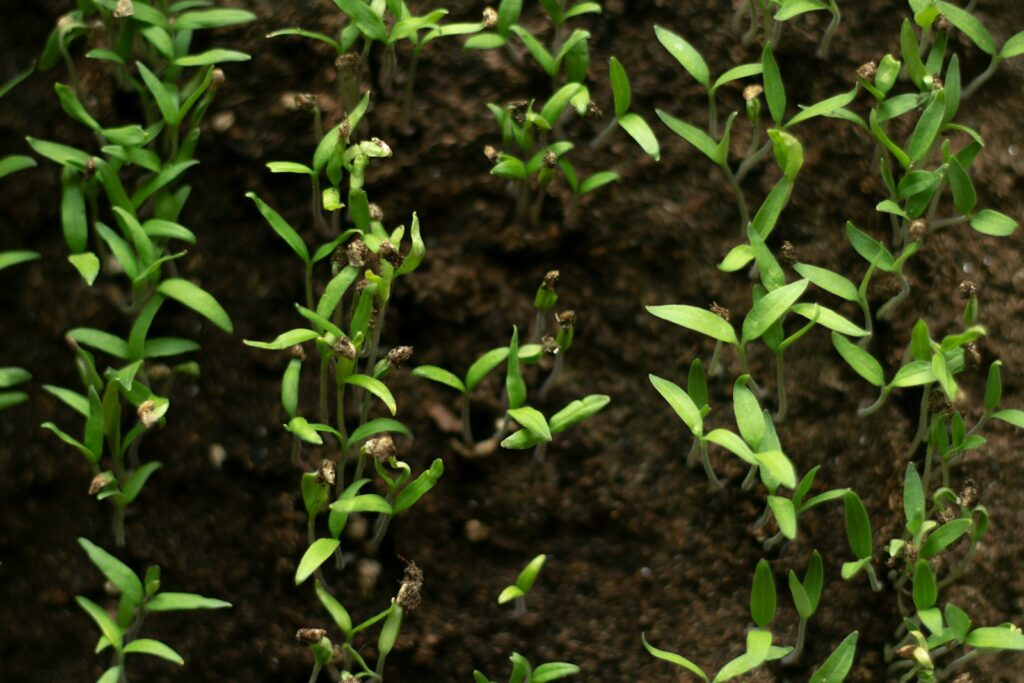
Hardy perennials such as yarrow and delphinium are perfect for starting from seed in winter. These plants thrive when you give them an early start indoors or by winter sowing outdoors.
Yarrow is simple to grow and brings bright, lasting flowers to your yard. Delphinium takes some patience but rewards you with tall, colorful spikes.
Both plants enjoy well-drained soil and plenty of sunlight. Starting seeds early gives them time to develop into sturdy seedlings before facing outdoor weather.
You don’t need fancy equipment. Containers or trays you already have at home will do the job.
Use winter sowing in repurposed plastic containers outdoors
Ever wondered what to do with those empty milk jugs or salad containers? Turn them into mini greenhouses for your seeds.
Cut the containers so you can open and close the top. Add drainage holes and air vents for healthy seedlings.
Fill the bottom with moist potting soil and plant your cold-hardy perennial seeds. Close the containers and set them outside to experience real winter weather.
The cold helps your seeds know when to wake up and grow. Recycling plastic containers keeps costs down and helps the environment.
Winter sowing is simple and doesn’t require special tools. Just containers, soil, seeds, and a bit of patience.
Start seeds indoors with grow lights to jumpstart growth
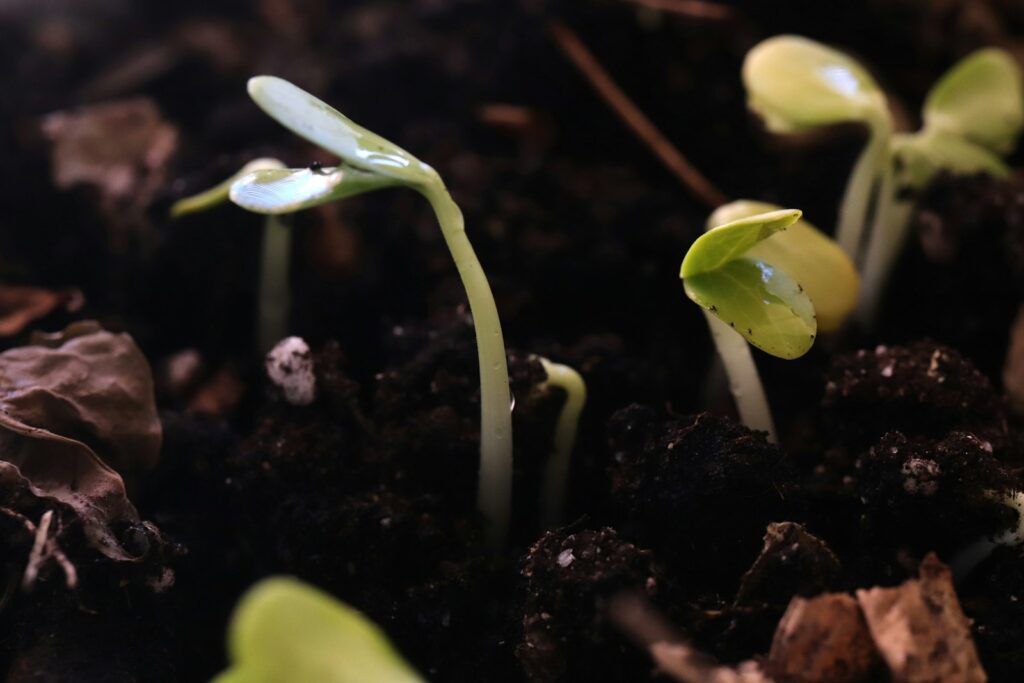
If your home doesn’t get much sunlight in winter, grow lights can give your seeds the boost they need. These lights help your seeds get the right amount of light even during the darkest months.
Set up is straightforward. Place the lights a few inches above your seedlings and keep them on for 12 to 16 hours a day.
Grow lights let you control the environment for your plants. This helps prevent weak or leggy seedlings.
Your perennials will be stronger and bigger by the time it’s warm enough to move them outside.
Apply cold stratification to trigger seed germination
Some perennial seeds need a cold, moist period to sprout. This process is called cold stratification.
Place seeds in a damp paper towel inside a plastic bag and pop them in the fridge for a few weeks. The length of time depends on the seed, usually between four and twelve weeks.
After their cold nap, your seeds will be ready to grow. It’s a simple step that makes a big difference.
Sow seeds in January to get a strong spring start
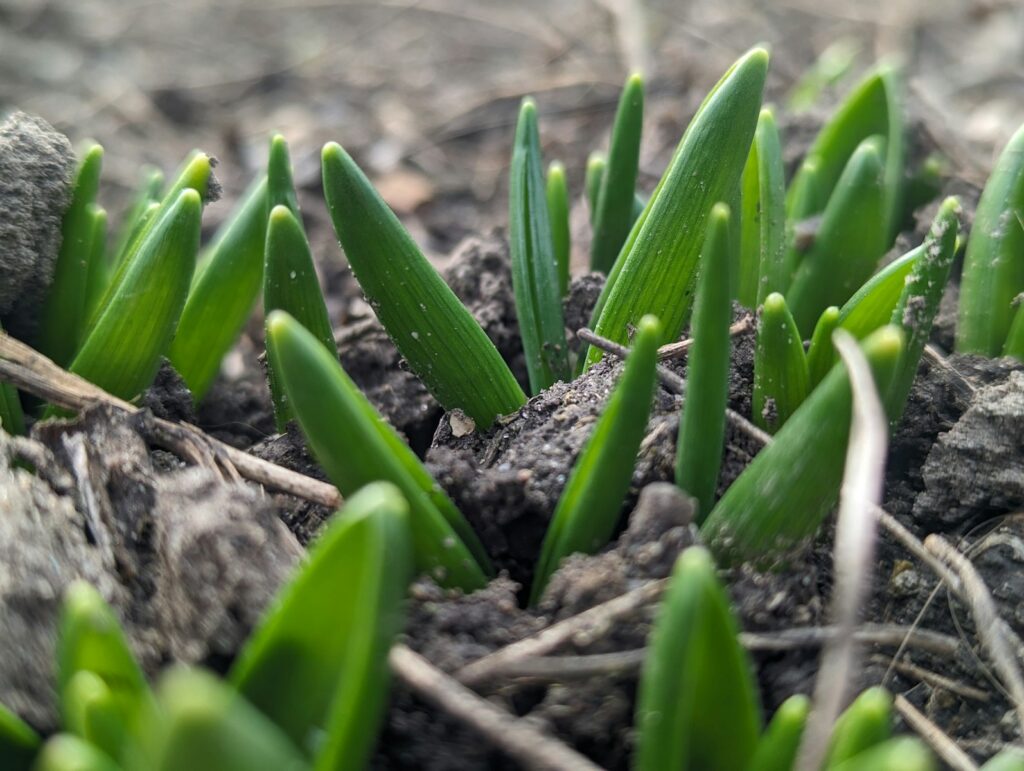
Getting your seeds started in January gives them plenty of time to toughen up before spring. They’ll experience enough cold to help them germinate naturally.
You don’t need anything fancy, just some plastic milk jugs or small greenhouses to protect the seeds and keep them moist.
By sowing in January, you let nature do a lot of the work for you. Your garden will be ready to burst into life as soon as the weather warms.
Let nature do the work with an almost hands-off approach
Life gets busy, but that doesn’t mean your garden has to suffer. Starting perennials from seed in winter lets you take a more relaxed approach.
By mimicking natural conditions with light and cooler temperatures, seeds grow into strong seedlings with less fuss.
Check on them occasionally and water when needed. Letting nature handle the rest can be surprisingly effective.
This approach saves time and money while still giving you a healthy, thriving garden.
Save hundreds by avoiding nursery plant prices
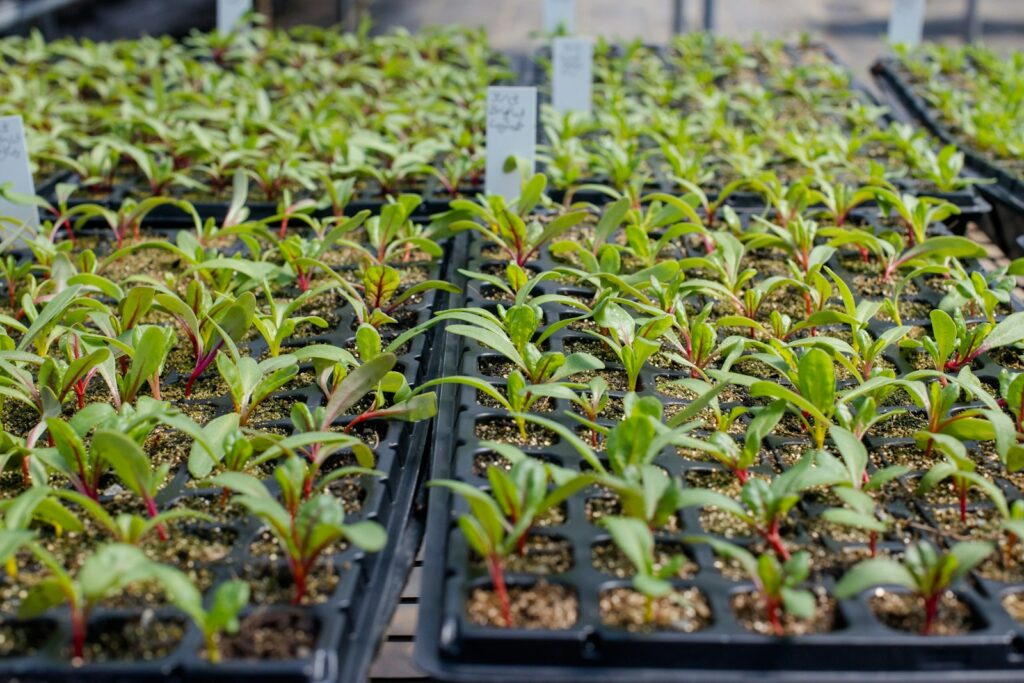
Buying plants at the nursery can add up fast. Seeds, on the other hand, are much more affordable and let you grow more for less.
Starting perennials from seed in winter means you get a head start while skipping the high nursery prices.
You also get to choose from a wider variety of plants, many of which you won’t find as mature starts at the store.
Create sturdy seedlings by exposing them to chilly spring temps
Help your seedlings toughen up by gradually introducing them to cool spring air. This exposure helps them develop thicker stems and better resistance to pests.
Start by putting seedlings outside for short periods on mild days. Slowly increase their outdoor time over a week or two.
By the time spring is in full swing, your seedlings will be ready to thrive. They’ll be more likely to bloom in their first summer, too.
Diversify your garden by starting uncommon perennials from seed
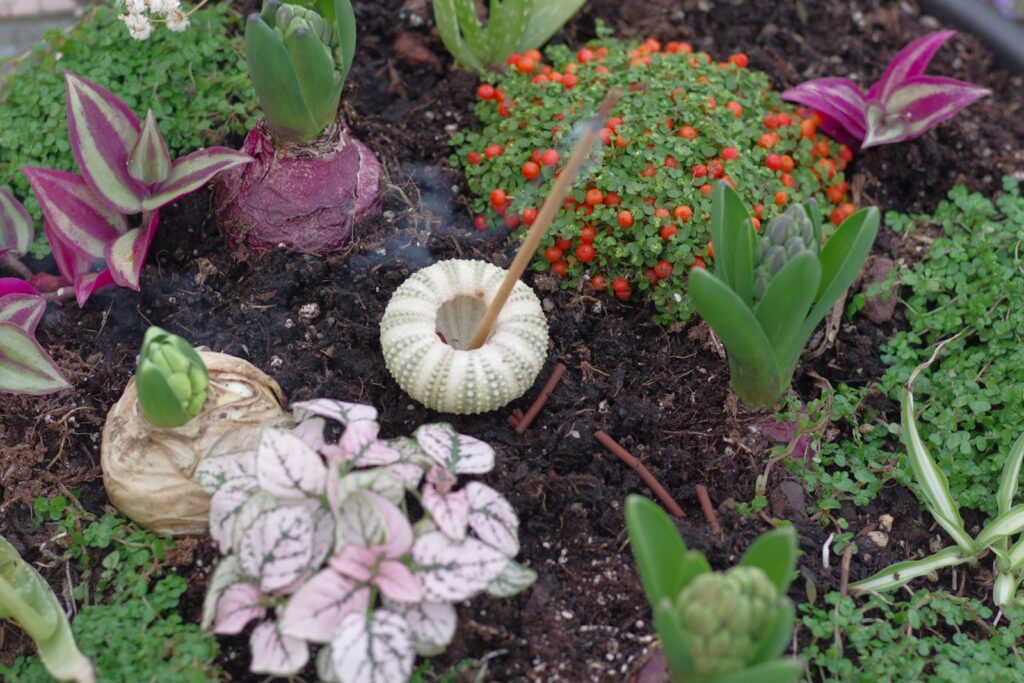
Want a garden that stands out? Try growing uncommon perennials like Joe Pye weed, lupine, or Agastache from seed.
These unique plants often need cold stratification, which is easy to do at home in winter. You’ll get more variety and save money.
Experimenting with new flowers keeps gardening exciting. Watching rare blooms appear is a rewarding experience.
Use sealed containers outdoors for moisture and cold protection
Protect your seeds from winter’s harshest conditions by using sealed containers outdoors. This shields them from excess moisture and freezing temperatures.
Make sure your container is airtight to prevent water from getting in. Adding a desiccant like silica gel helps keep things dry.
Place the container in a sheltered spot to block strong winds and heavy snow. The seeds still get the cold they need, but stay safe from damage.
This method is affordable and simple. You get to watch your plants grow from tiny seeds without spending a fortune.
Understanding Winter Sowing Methods
Winter sowing takes advantage of cold weather to start seeds outside. Using basic containers and natural temperature changes, you can grow perennials with less effort and cost.
What Makes Winter Sowing Unique
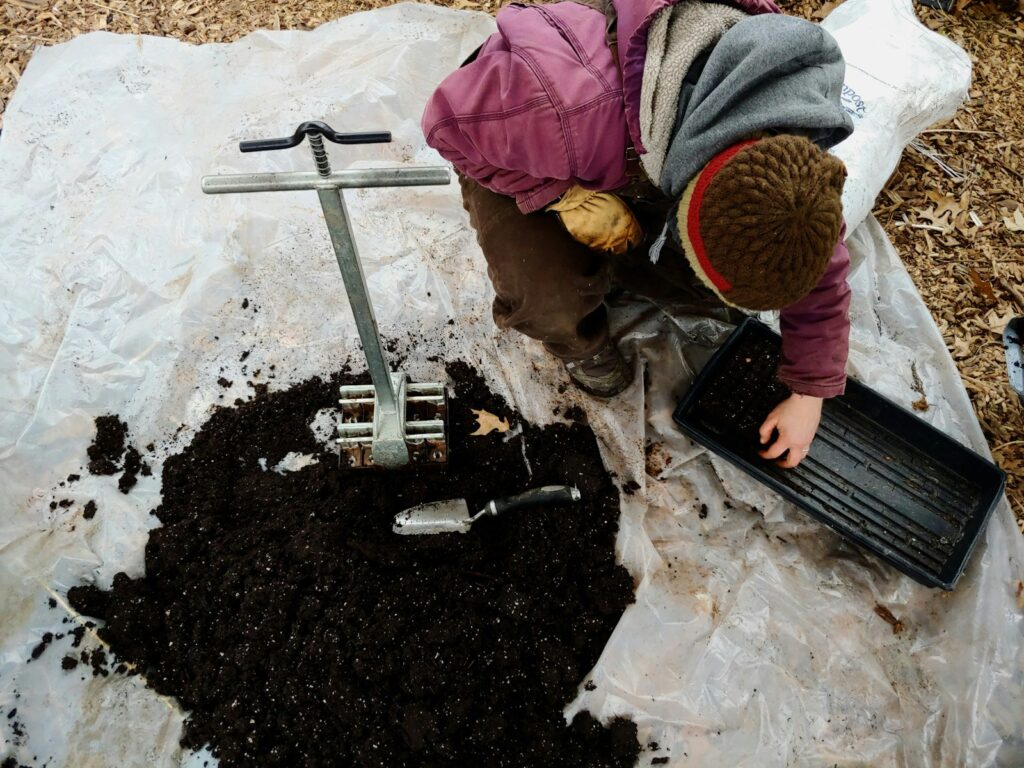
With winter sowing, you plant seeds in containers like recycled milk jugs during late fall or winter. These containers protect seeds from harsh weather while letting in air, water, and light.
The seeds rest through winter and sprout when conditions are right. You don’t need grow lights or heat mats, and you save space in your home.
Containers outside catch rain and snow, so you water less often.
Indoor vs. Outdoor Seed Starting
Starting seeds indoors means managing temperature, light, and moisture. This often requires buying extra equipment and keeping a close eye on your seedlings.
Winter sowing outdoors uses the natural environment, which means less work and fewer supplies. Plants started outside develop strong roots and adapt to weather changes early.
This makes them ready to transplant sooner and saves you money on equipment and replacements.
Maximizing Savings With Perennial Seeds
Choosing seeds over transplants is a smart way to stretch your gardening budget. You can reuse simple materials for starting your plants, too.
Cost Comparison: Seeds vs. Transplants
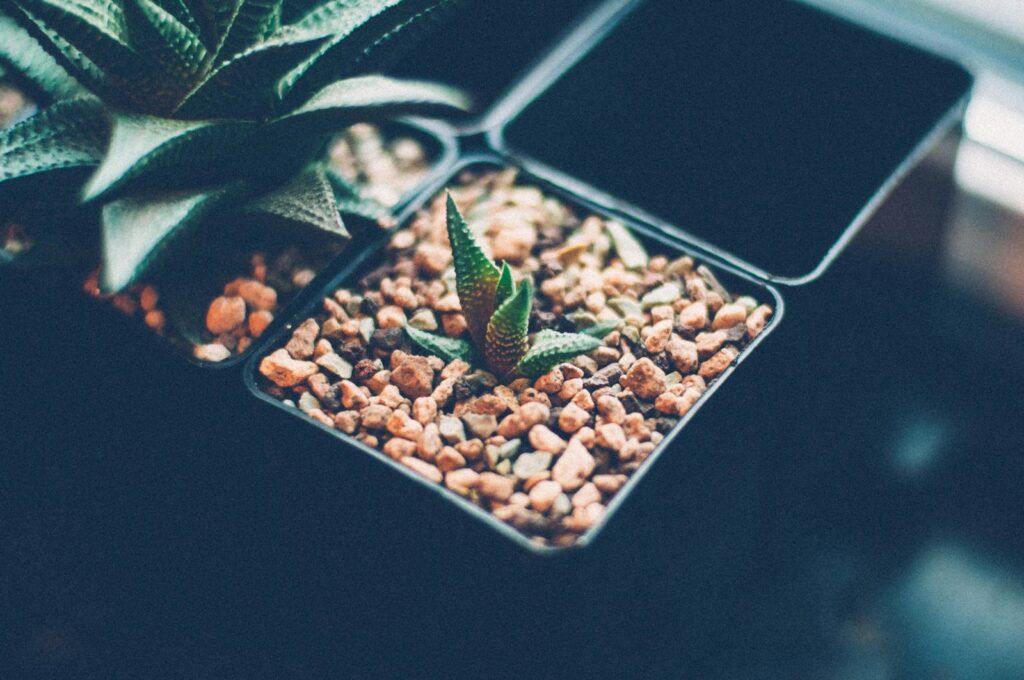
A packet of perennial seeds usually costs less than five dollars and contains dozens of seeds. Buying young plants can cost three to eight dollars each.
Starting with seeds gives you more plants for the same money. Even if some don’t sprout, you still save.
Getting a head start by sowing seeds in winter means your plants will be strong and healthy by spring. This cuts down on extra work and saves you money in the long run.
Reusing Materials for Seed Starting
Starting seeds at home does not have to be expensive or complicated. Everyday items like yogurt cups, egg cartons, or cut plastic bottles can make great seed pots.
These containers hold soil and moisture just fine for new seedlings. You can also grab scrap paper or old newspapers to create seed trays or labels.
Broken pots or trays from previous seasons still work well for starting seeds. This approach is a simple way to save money and cut down on waste.
If you have access to an old grow light, that can help your seedlings thrive during the colder months. A sunny window can also give your plants the light they need.
Making use of what you already have makes the whole process easier and more enjoyable. It is surprising how much you can do without having to buy anything new.