How to Prevent Winter Mold on Indoor Seedlings for Thriving Healthy Greens
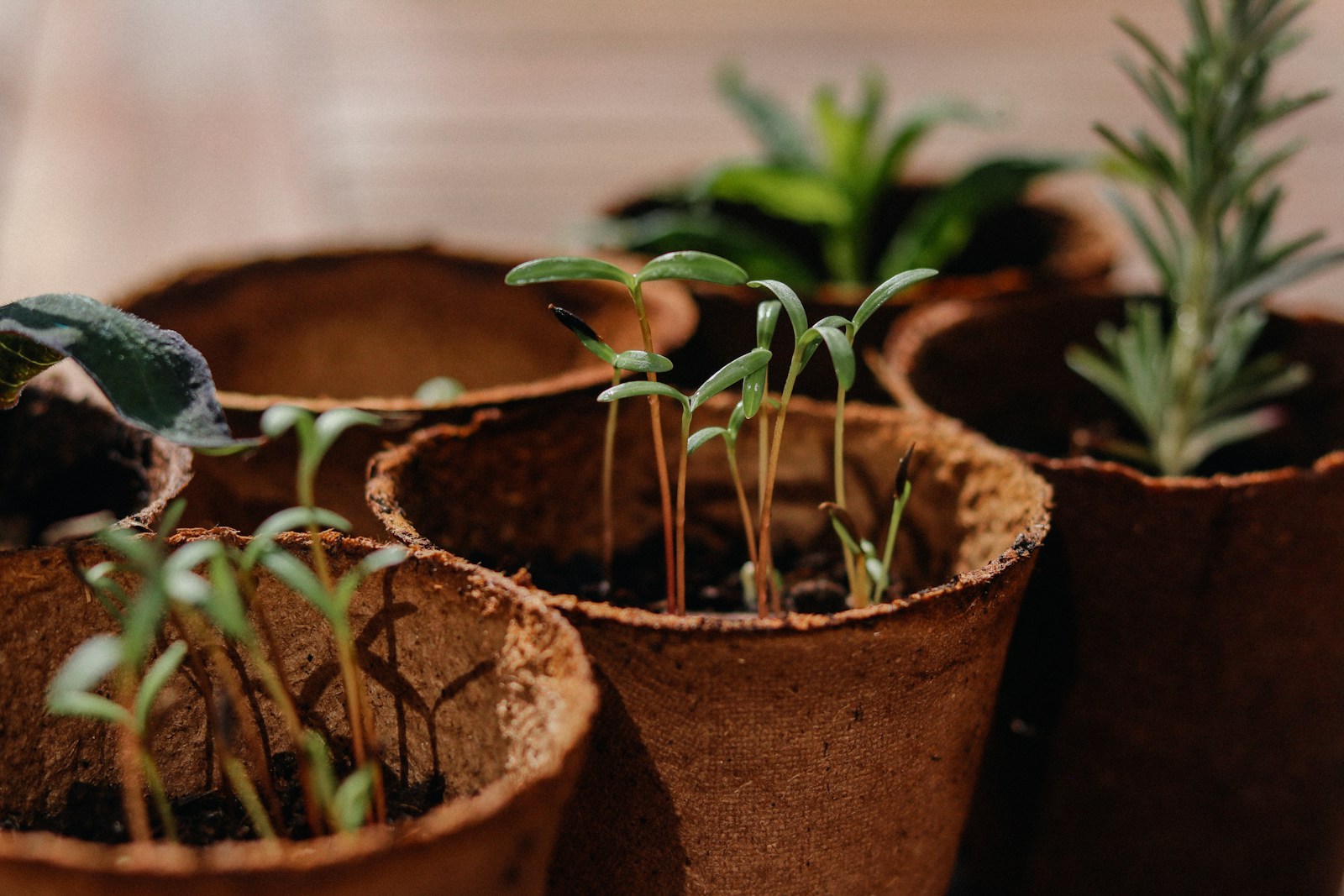
Starting seeds indoors in winter is a hopeful way to bring a little green into your home when it’s cold outside. It feels good to see those first sprouts, but then you might notice fuzzy white spots or a musty smell, mold has arrived.
Mold can quickly take over your seed trays if you’re not careful. It can slow down your seedlings or even kill them.
Ensure Proper Drainage in Seedling Trays
Seedlings need trays with holes at the bottom so water can escape. If water sits in the tray, roots can rot and mold will find a home.
If your trays don’t have holes, you can add some with a drill or even a sharp tool. This simple fix lets extra water drain away and keeps the soil from getting soggy.
Try not to overdo it with the watering can. Even with good drainage, too much water invites mold.
Use Sterile Seed Starting Mix
Start your seeds in a sterile seed starting mix instead of regular garden soil. This helps keep mold spores and bacteria out right from the beginning.
You can buy pre-sterilized mixes or sterilize your own by heating it up in the oven. This gives your seedlings a clean, healthy place to grow.
Old soil from outside or last year’s pots often has hidden mold spores. Stick with a fresh, light mix for the best results.
Avoid Overwatering Your Seedlings
It’s easy to think that seedlings need a lot of water, but soggy soil is a recipe for mold. Only water when the top inch of soil feels dry.
If you notice a musty smell or see the soil staying wet for days, cut back on watering. Your seedlings will do better with less water than too much.
Mixing in perlite or sand can help water flow through the soil faster. This keeps the roots from sitting in water and helps prevent mold.
Increase Air Circulation with Fans
Still air and moisture create the perfect place for mold to grow. A small fan on a low setting keeps the air moving and dries out damp spots.
Set up a fan nearby, but don’t point it directly at the seedlings. A gentle breeze is all you need.
If you can, crack a window for a little fresh air. Good airflow stops mold before it starts.
Place Seedlings Near Bright, Indirect Light
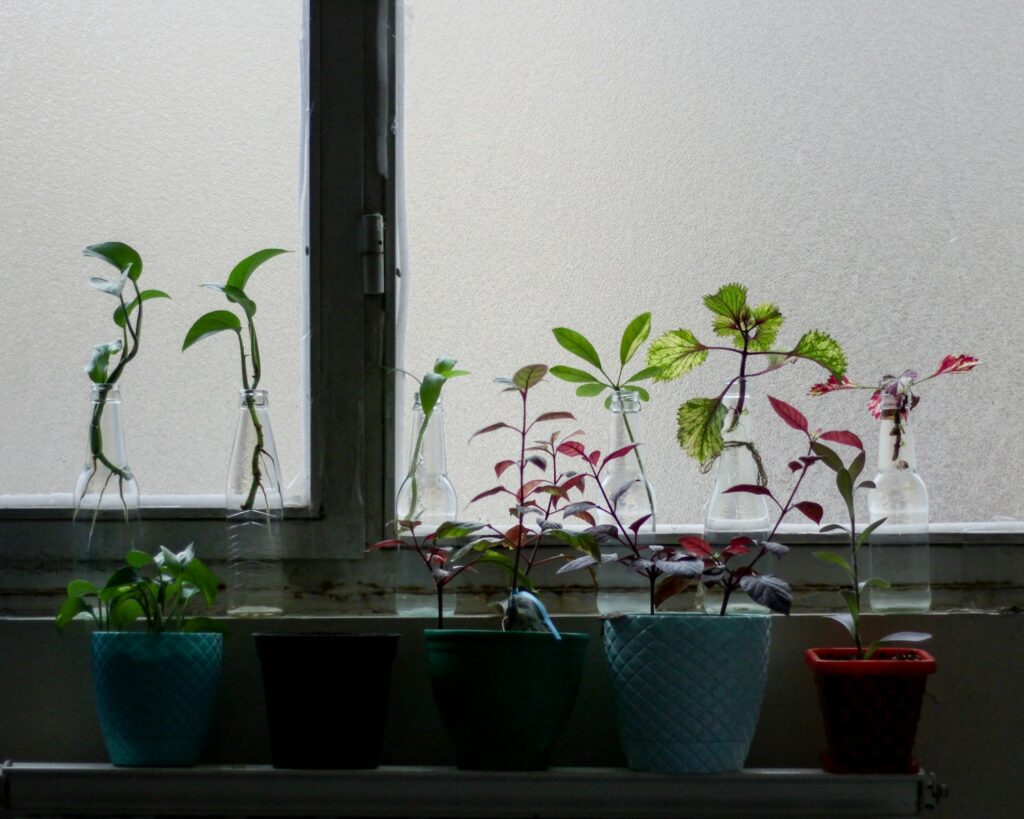
Seedlings need lots of light to grow strong, but direct sun through a window can be too much. Find a spot with bright, gentle light, like an east or west-facing window.
If you don’t have enough natural light, try using a grow light for 12 to 16 hours a day. Keep the light a few inches above the seedlings and move it up as they grow.
Light not only helps seedlings grow, but it also keeps the soil surface drier and less inviting for mold.
Remove Dead Leaves Promptly
Check your seedlings every day for yellow or dead leaves. These can trap moisture and become a hiding spot for mold.
Gently pinch off any dead parts and toss them in the trash. This quick habit keeps your seedlings fresh and healthy.
Space Seedlings to Prevent Crowding
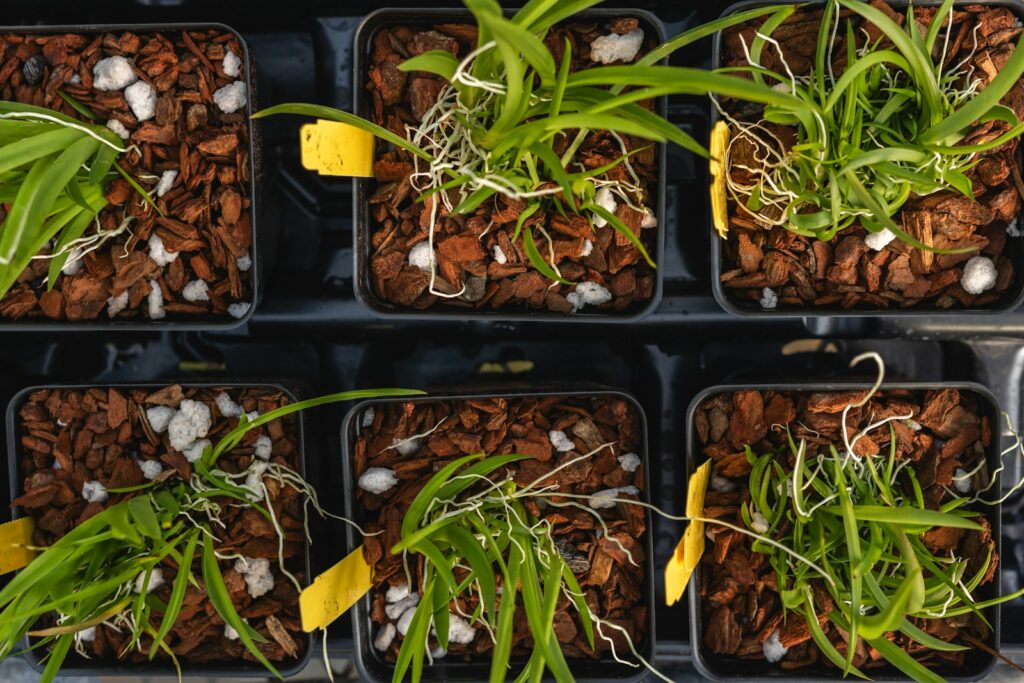
Give your seedlings some room to breathe. When they’re crowded together, air can’t move around them and moisture hangs around.
If you notice seedlings getting too close, gently separate them when transplanting. More space helps prevent mold and lets each plant get the light and nutrients it needs.
Use a Soil Surface Cover like Vermiculite
Sprinkling a thin layer of vermiculite on top of the soil helps keep it from staying too wet. Vermiculite is light and lets air through, which mold doesn’t like.
It also helps the soil hold just enough moisture without getting soggy. Your seedlings will appreciate this extra protection.
Maintain Indoor Humidity Around 40-50%
Mold loves humidity, especially over 60 percent. Try to keep your indoor humidity between 40 and 50 percent.
A cheap hygrometer can help you check the air in your growing space. If things get too damp, a small dehumidifier or opening a window can help.
Fans and good airflow also help keep humidity at healthy levels for your plants.
Regularly Scoop Mold Off Soil Surface
If you spot fuzzy white or gray patches on the soil, scoop them off with a spoon right away. Removing mold early stops it from spreading.
Let the soil dry out before watering again. You can also add a bit of fresh potting mix to the top if needed.
These little steps keep your seedlings healthier through the winter.
Understanding the Causes of Winter Mold on Seedlings
Mold usually shows up when there’s too much moisture and not enough air movement. Winter air can be damp and cold, which makes it easy for mold to take hold.
Humidity and Temperature Factors
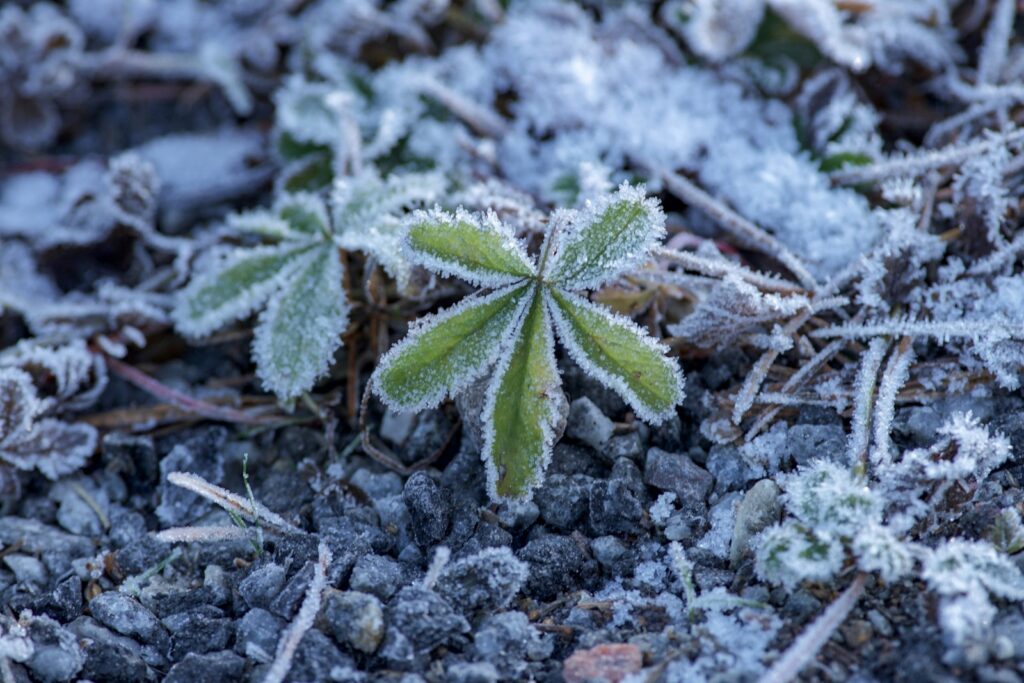
High humidity indoors makes it easy for water to collect on soil and leaves. This is just what mold needs to grow.
Cool winter temperatures slow down evaporation, so the soil stays wet longer. Wet soil is a magnet for mold.
Keep an eye on humidity and let the top of the soil dry before watering again. These small changes can make a big difference.
Poor Air Circulation Effects
When air can’t move around your seedlings, moisture builds up and mold appears. Stagnant air is a big problem in winter.
Space your seedlings apart and use a fan if you can. Fresh air helps keep mold away and your seedlings upright.
Optimal Growing Environments for Mold Prevention
A good growing environment balances light, soil, and water. This keeps moisture under control and helps your seedlings stay healthy.
Ideal Lighting Conditions
Bright, indirect light helps seedlings grow strong and keeps the soil surface from staying too wet. Place trays near a sunny window or use grow lights for 12 to 16 hours a day.
If you use grow lights, keep them about six to twelve inches above the plants. Turn them off at night to give your seedlings a rest.
Steady light and good airflow together create a space where mold can’t take over. Your seedlings will thank you with healthy, green growth.
Soil and Watering Techniques
Picking the right soil can make all the difference when starting your seedlings. Well-draining mixes with perlite or vermiculite help keep excess moisture away from roots.
Touch the top layer of soil before watering. If it feels dry, give your seedlings a drink.
Avoid overwatering, which can leave the soil soggy and encourage mold. Light misting is a good way to maintain humidity without drenching the soil.
Set your pots on trays that have drainage holes. This keeps the roots from sitting in water and helps prevent problems.
Empty any water that collects in saucers under your pots. Keeping things tidy like this helps your seedlings stay healthy.
Let air circulate around your seedlings so the soil dries out between waterings. A small fan on low can gently move the air and keep things fresh.