What Gardeners Should Be Doing in January to Make Spring Easier
January can feel like a quiet pause for your garden, but there’s actually a lot you can do right now to set yourself up for a fantastic spring. With a little planning and preparation, you’ll make things smoother and more enjoyable when the busy season arrives.
This is the month to get ahead while everything is still calm. A bit of effort now pays off in healthier plants and less stress later.
Plan your spring garden layout on paper for a smooth start!

Grab a notebook or a piece of paper and start sketching out your spring garden. Seeing your ideas on paper helps you figure out where each plant will go and how to use your space well.
Think about sunlight in each part of your garden. Place taller plants where they won’t shade out shorter ones.
You can use a simple drawing or a computer program to map things out. Jot down which plants you want and when you’ll plant them to keep things organized.
Planning your irrigation system now is a huge help. Decide where hoses or drip lines will go so watering is hassle-free later.
Order fruit plants like strawberries and figs for early spring planting
If you want fresh fruit from your own garden, January is a great time to order strawberries and figs. Getting your plants early means you’ll be ready to plant as soon as the weather warms up.
Strawberries are easy to grow, even in containers. Figs love mild climates and reward you with sweet fruit if you plan ahead.
Ordering now gives you the best selection of healthy plants from nurseries or online. When your plants arrive, keep them in a cool, frost-free spot indoors until it’s time to plant.
Prune apple and pear trees now to prevent fireblight damage
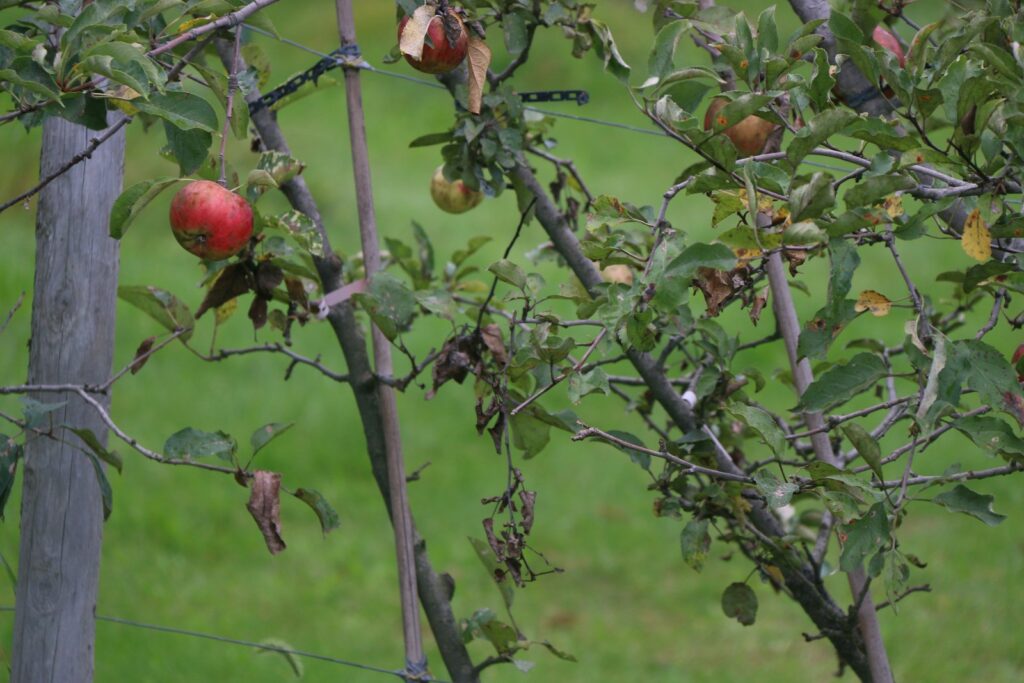
Give your apple and pear trees some attention this month. Pruning while they’re dormant helps stop fireblight, a nasty bacterial disease.
Focus on removing small upright shoots and crowded branches in the center. This opens up the tree for better air flow.
Always clean your pruning tools between cuts to avoid spreading bacteria. Burn or bury the cut branches so the disease doesn’t come back.
Clean and sharpen your gardening tools to be ready for action
Take a little time in January to clean and sharpen your gardening tools. Sharp, clean tools make gardening safer and easier.
Scrub off dirt and rust with a wire brush or cloth. After cleaning, sharpen blades with a file or sharpening stone.
Oil the metal parts to prevent rust and keep everything moving smoothly. These small steps now mean you’ll be ready to get to work when spring arrives.
Start seeds indoors for tomatoes, peppers, and herbs
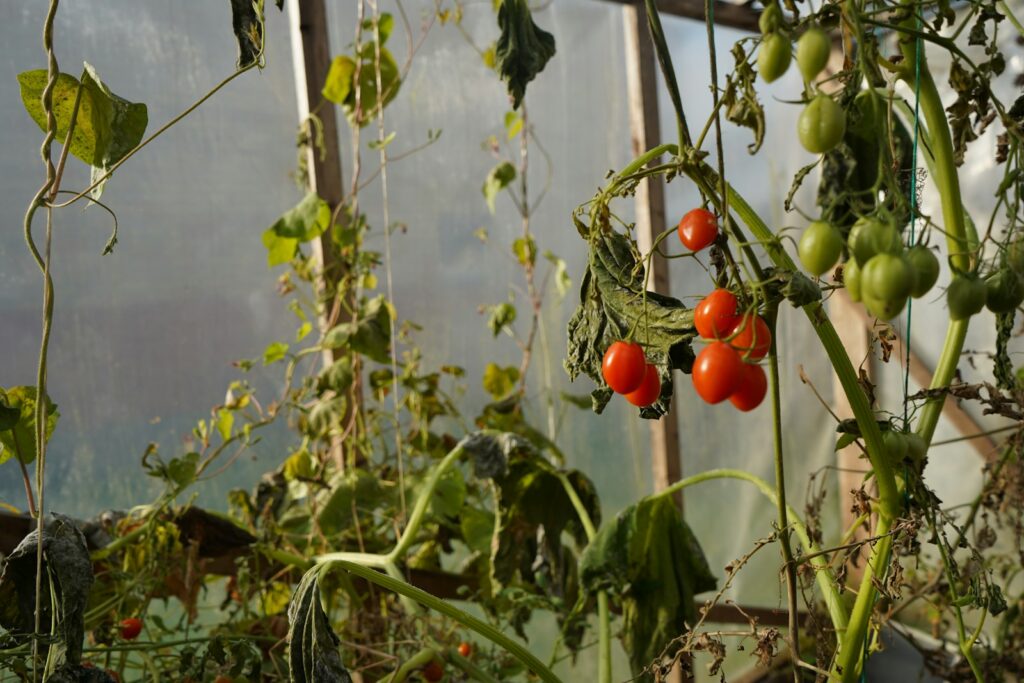
If you’re dreaming of juicy tomatoes and fresh herbs, start seeds indoors this month. A warm, sunny spot and good seed-starting soil are all you need.
Keep the soil moist but not soggy. A grow light can help your seedlings get enough light during winter’s short days.
Starting seeds inside lets you pick from more varieties than you’ll find at the store. As seedlings grow, give them space and plenty of light.
Before moving them outside, let your plants adjust to outdoor conditions gradually.
Remove winter debris to give your garden a fresh start
Clear away dead leaves, broken branches, and old plant material from your garden beds and lawn. This gives your plants more light and air, and stops mold and disease from getting a foothold.
Be gentle as you clean so you don’t disturb new buds or delicate soil. Use a rake or your hands to pull out debris.
Cleaning up now also helps you spot winter damage early. It’s a simple way to make spring gardening easier.
Prep your soil with compost and organic matter for richer blooms
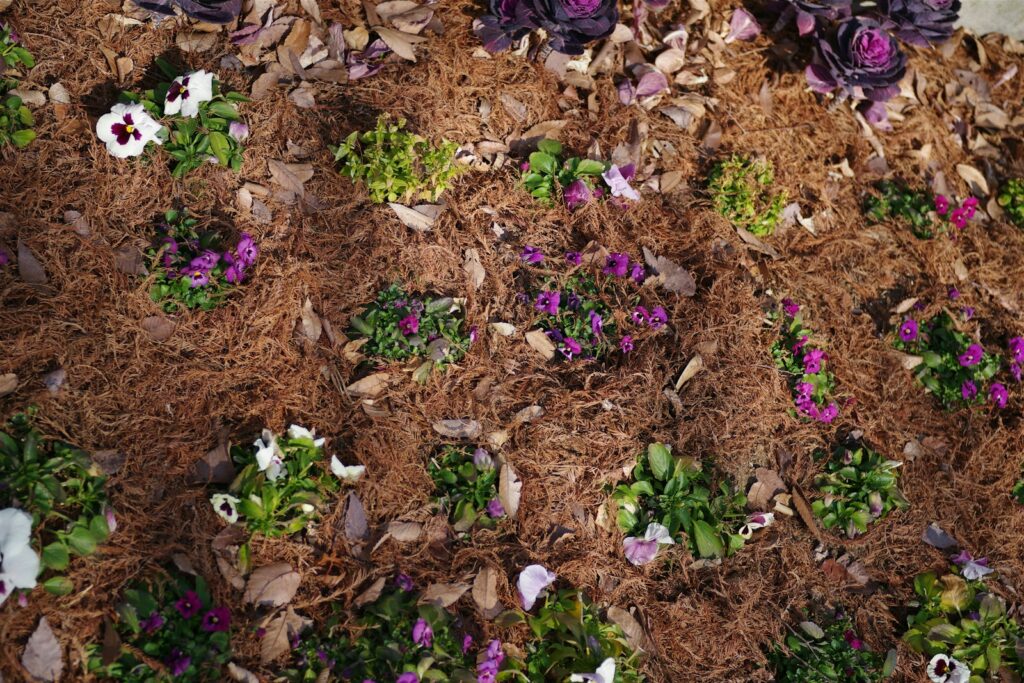
Give your soil a boost by adding compost or organic matter in January. This gives it time to break down and feed your plants.
Mix in kitchen scraps, yard waste, or store-bought compost to improve soil structure. Healthy soil holds water better and lets roots breathe.
Compost feeds helpful microbes that make your garden thrive. Get this done now for brighter, stronger blooms in the months ahead.
Check seed packets and organize them by planting dates
Gather all your seed packets and look them over. Check for important details like planting depth and germination times.
Sort your seeds by planting dates. Writing these on the packets makes it easy to know when to start each one.
Organizing your seeds now helps you stay on track and avoid missing the best planting windows. A little prep now means less stress later.
Set up cold frames or cloches to harden off seedlings
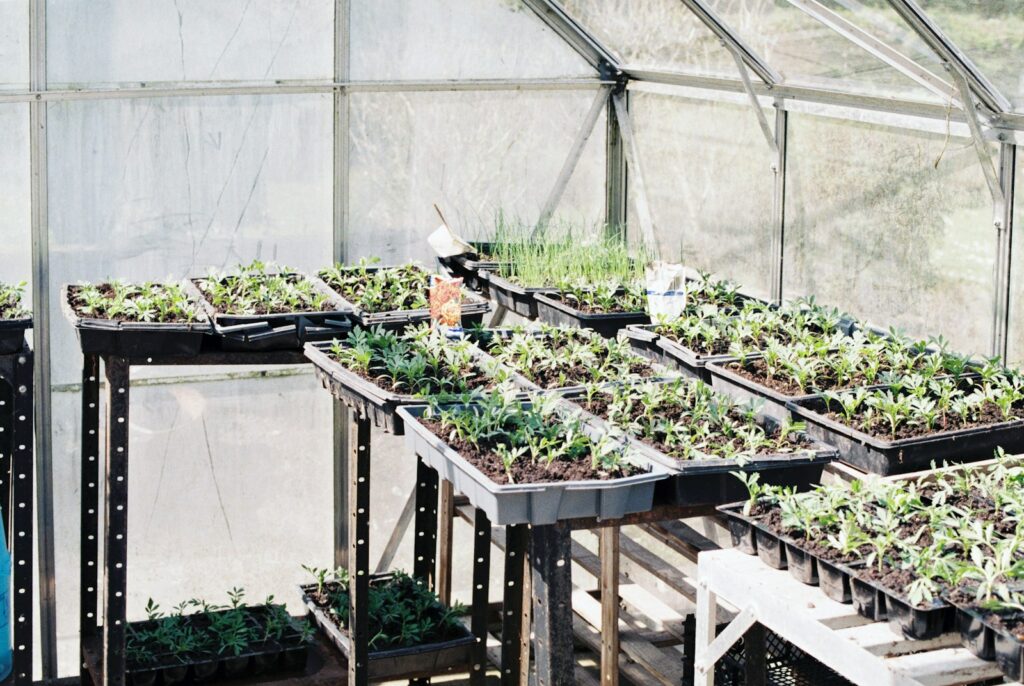
Get your cold frames or cloches ready this month. These help protect young seedlings from chilly weather as they adjust to life outdoors.
Cold frames act like mini greenhouses, trapping warmth and keeping frost away. Cloches cover individual plants, shielding them from wind and cold.
Starting this process in January helps your seedlings toughen up before spring. It’s a simple step that makes a big difference.
Start a pest and disease prevention plan early to protect plants
Begin thinking about pest and disease prevention before problems start. Walk through your garden and look for signs of trouble left over from last year.
Plan your planting layout with crop rotation and disease-resistant varieties in mind. Early mulching helps keep pests away and supports healthy roots.
Attract beneficial insects or set up barriers for young plants. If you start now, you’ll have fewer pest headaches later in the season.
Understanding January’s Impact on Spring Growth

What you do in January shapes how your garden grows in spring. Prepping soil and caring for plants in winter can make a big difference.
Winter cleanup and pruning reduce places for pests and diseases to hide. Planning your seed order and garden layout now puts you ahead when the season gets busy.
Adding compost or mulch in January improves soil and helps roots stay healthy. These small tasks set your garden up for a strong, healthy start.
Soil Biology Changes During Winter
Even in winter, things are happening under the soil. Microbes slow down but keep breaking down plant material, turning it into nutrients for spring.
Freeze-thaw cycles help mix organic matter deeper into the soil and improve aeration. Adding compost now gives microbes a boost before planting time.
Maximizing Dormant Season Opportunities
January’s slow pace is your chance to get important garden work done. Shape your plants for better growth and get ahead of pest problems.
Pruning Techniques for Healthy Spring Growth
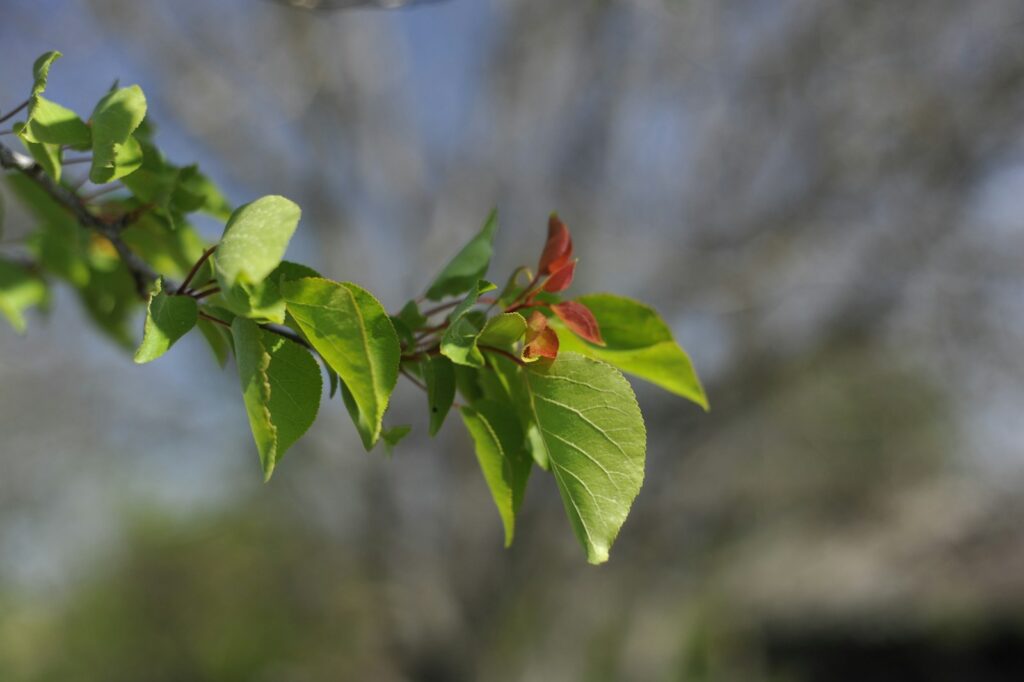
Prune fruit trees, roses, and shade trees while they’re dormant. Remove dead or weak branches and make smooth cuts just above outward-facing buds.
This encourages healthy growth and better air flow. Trim no more than one-third of a plant at a time, and always use clean, sharp tools.
Look for damaged or crossing branches and remove them. Pruning now gives your garden structure and helps prevent spring diseases.
Early Pest Prevention Strategies
January gives you a chance to get ahead of garden pests before they become a problem. Take a close look under bark, on branches, and at the base of your trees and shrubs for pest eggs or larvae.
Common overwintering pests include aphids and scale insects. Spotting them early can save you trouble later.
Dormant oil sprays are helpful for fruit trees and shrubs. These sprays smother eggs and young pests without damaging your plants.
Make sure to apply dormant oil on calm days when temperatures are above freezing. This helps the spray work effectively and protects your plants.
Clearing away fallen leaves and cleaning up garden beds removes hiding spots for pests. A tidy garden is less inviting to unwanted bugs.
Paying attention now can make a big difference once the weather warms up. Early effort means healthier plants and fewer headaches later in the season.