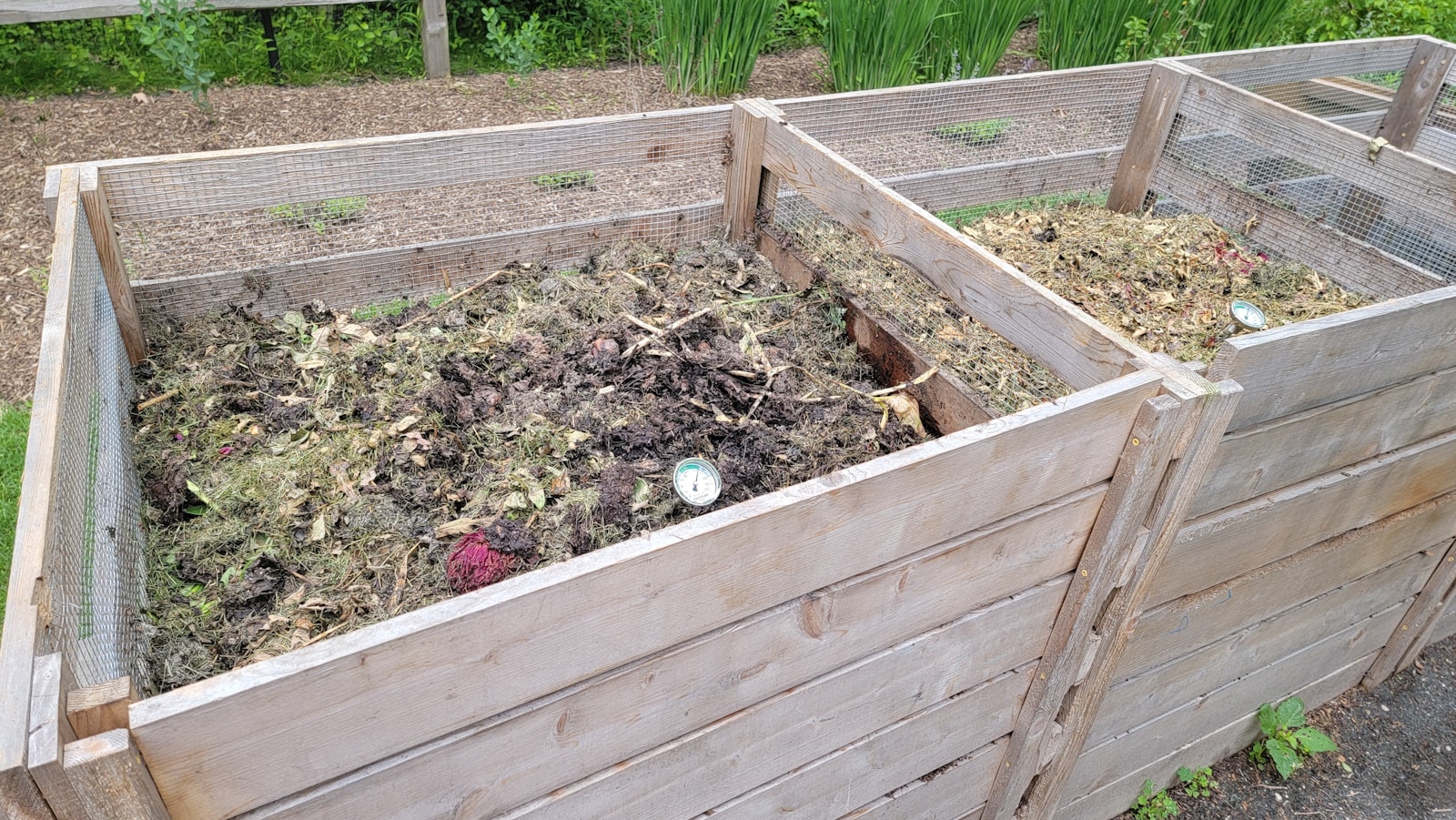
Why Worms Are Disappearing From Your Compost In Winter
If you’ve ever peeked into your compost bin in winter and wondered where all the worms went, you’re not alone. Many gardeners notice their hardworking worms seem to vanish as soon as the cold weather rolls in.
It’s unsettling to see your compost slow down just when you want it to keep working. Understanding what worms need in winter can help you keep your compost healthy and active.
Worms tend to leave or hide when the temperature drops or conditions change, but knowing why this happens can help you keep them safe and active. This article will guide you through the reasons behind their disappearance and what you can do to support your worms through the winter season.
Worms Need Warm Temperatures Between 55°F and 77°F to Thrive
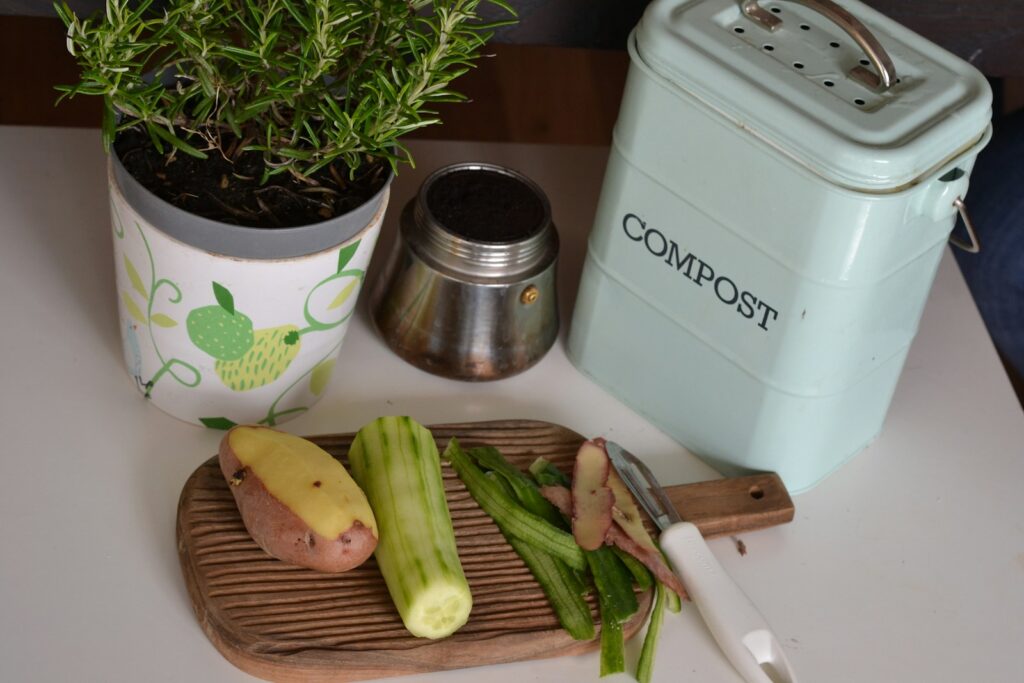
If you want your worm compost to stay busy, keeping the temperature just right is key. Worms do their best work when it’s between 55°F and 77°F.
When it gets too cold, they slow down and stop breaking down your scraps. Below 50°F, your worms will start to become sluggish.
They won’t move around much or eat like they do in warmer weather. If the temperature drops near freezing, your worms are in serious trouble and might not survive.
Worms don’t like big temperature swings either. That’s why it’s smart to keep your bin out of direct cold wind or frost.
A spot where the temperature stays steady helps your worms stay active and healthy. You can bring your bin indoors or to a sheltered area in winter.
This keeps your little helpers cozy and ready to work. Remember, warm and consistent temperatures keep your worms lively and your compost turning!
Extreme Cold Kills Compost Worms Over Winter
When winter hits hard, your compost worms face a big challenge. If the temperature drops below freezing, many worms simply cannot survive.
They are cold-blooded, so extreme cold can stop their bodily functions and cause them to freeze. In colder regions, worms often enter a sort of hibernation when it gets chilly.
But if the temperatures stay too low for too long, their chances of survival drop quickly. You might notice your worms disappear or stop working in your bin.
The outside temperature isn’t always what matters most. The temperature inside your compost bin is key.
If the bin isn’t insulated, the cold can reach the worms and harm them. Without protection, many worms will die.
You can help your worms survive by creating a warmer, insulated space or moving the bin indoors. Keeping your worms cozy means they’ll be ready to get to work when spring arrives!
Worms Migrate Deeper into Soil for Insulation
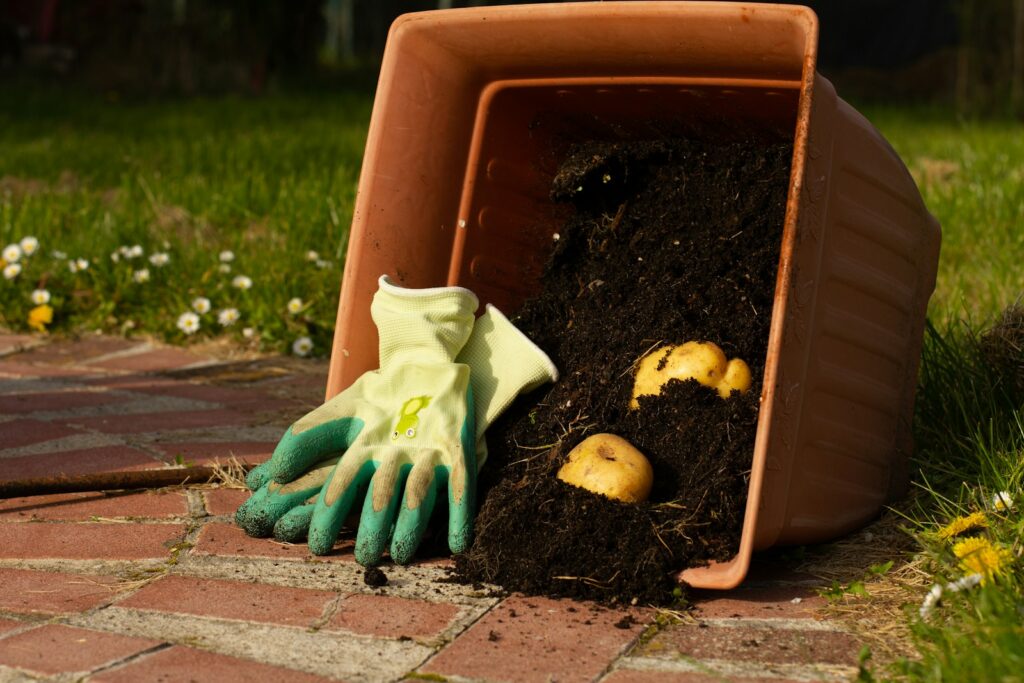
When winter comes, you might notice fewer worms in your compost. That’s because worms move deeper into the soil to stay warm.
The top layer of soil gets cold fast, and worms need a cozy spot that won’t freeze. Deeper soil holds heat better because the earth acts like a natural blanket.
This helps worms avoid freezing temperatures. They dig down where it’s more stable, so their bodies don’t slow down too much.
You’ll find they stay in these hidden places until the weather warms up again. If your compost looks empty in winter, don’t worry, your worms are just taking shelter underground.
By understanding this, you can adjust your compost setup. Keeping it insulated or adding extra bedding can encourage worms to stay active a little longer.
Excess Moisture Causes Worms to Leave the Bin
If your worm bin feels too wet, your worms will notice it fast. Worms need just the right amount of moisture, about as damp as a sponge that’s been wrung out.
When it’s too soggy, oxygen can’t reach them, making it hard for them to breathe. Extra moisture leads to a yucky, smelly mess called leachate.
This liquid drains through your compost and creates an environment where worms don’t want to live. When they start crawling out or disappearing, it’s often because they’re trying to escape these wet conditions.
You might see mold or mildew growing too, which means the bin is too wet. This is a sign to act quickly.
Drain any standing water, add dry bedding like shredded paper or cardboard, and mix the bin to improve airflow. By fixing excess moisture, you make your worm bin a place where your worms want to stay and keep turning your kitchen scraps into great compost, even in winter!
Lack of Proper Bedding Material Upsets Worms
If your worms are disappearing in winter, one big reason could be that their bedding isn’t right. Worms need a cozy, moist place to live.
Without proper bedding, they can become stressed and try to escape. Good bedding absorbs moisture and keeps the worms comfortable.
Materials like shredded newspaper, coconut coir, or aged compost work well. These create the perfect environment for worms to stay warm and safe, even when it’s cold outside.
When the bedding is dry or too packed, worms struggle to move and breathe. That can make them leave your compost bin or even die.
So, keeping the bedding fluffy and damp is super important. You should also prepare your bedding a few days before adding worms.
This helps the materials settle and starts the good bacteria that worms need. With the right bedding, your worms will stick around and keep turning your compost all winter long!
Inadequate Food Supply Makes Worms Disappear
If your worms are disappearing during winter, one big reason might be that they don’t have enough food. Worms rely on organic scraps and bedding material to stay healthy and active.
When food runs low, they start to lose energy and may even die or try to escape. Your compost bin needs a steady supply of scraps like vegetable peelings, coffee grounds, or crushed eggshells.
Without these, the worms won’t have the nutrients they need to survive the cold months. You might think worms just eat anything, but they need a balanced diet to keep going.
Also, sometimes food breaks down too slowly in cold weather. This means there isn’t enough fresh, easy-to-eat material for the worms.
Mixing food scraps into the bedding before adding worms can help. It creates a good environment where tiny microbes grow, which worms love to eat!
Keep feeding your worms little by little during winter. This helps keep their food fresh and supports their survival.
Your care can make a big difference in whether your worms stay active or disappear.
Worms Avoid High Heat and Direct Sunlight Exposure
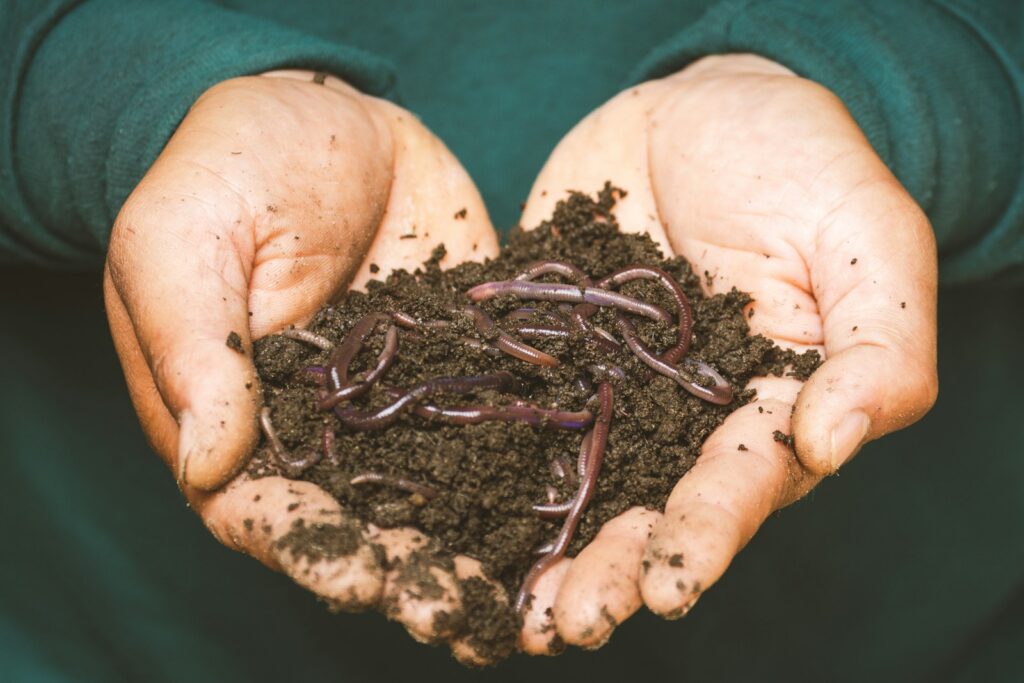
You might notice your worms disappearing when it gets too hot outside. Worms do not like high heat because it dries them out quickly.
Their skin needs to stay moist for them to breathe, so direct sunlight can be very dangerous for them. If your compost bin is in the sun, the worms will try to escape or hide deeper in the pile.
They prefer shady, cooler places where the temperature stays steady. When it gets too hot, above 85 degrees, they slow down and can even die if the heat lasts too long.
Keeping your bin in the shade is a simple way to protect your worms. You can also add moisture regularly to help keep their environment damp.
Even placing a frozen water bottle in the bin can refresh the space during hot days. This way, your worms stay healthy and active, and you keep your compost working well all year round!
Poor Ventilation Leads Worm Escape Attempts
When your compost bin doesn’t have enough airflow, your worms start to get uncomfortable. Poor ventilation causes carbon dioxide and other gases to build up.
This makes the air inside stale and hard for your worms to breathe. Too much moisture can also collect without good air movement.
Damp conditions can lead to mold and rot, which worms don’t like. They might try to leave the bin to escape these unpleasant conditions.
You can help by making sure your bin has holes or vents for fresh air to get in. If you use a closed container, adding a small fan or opening the lid sometimes can really improve airflow.
Good ventilation keeps the environment inside balanced so your worms stay happy. When they have plenty of fresh air, they won’t try to crawl away during cold winter days or any other time.
Covering the Bin with Insulating Materials Helps Retain Heat
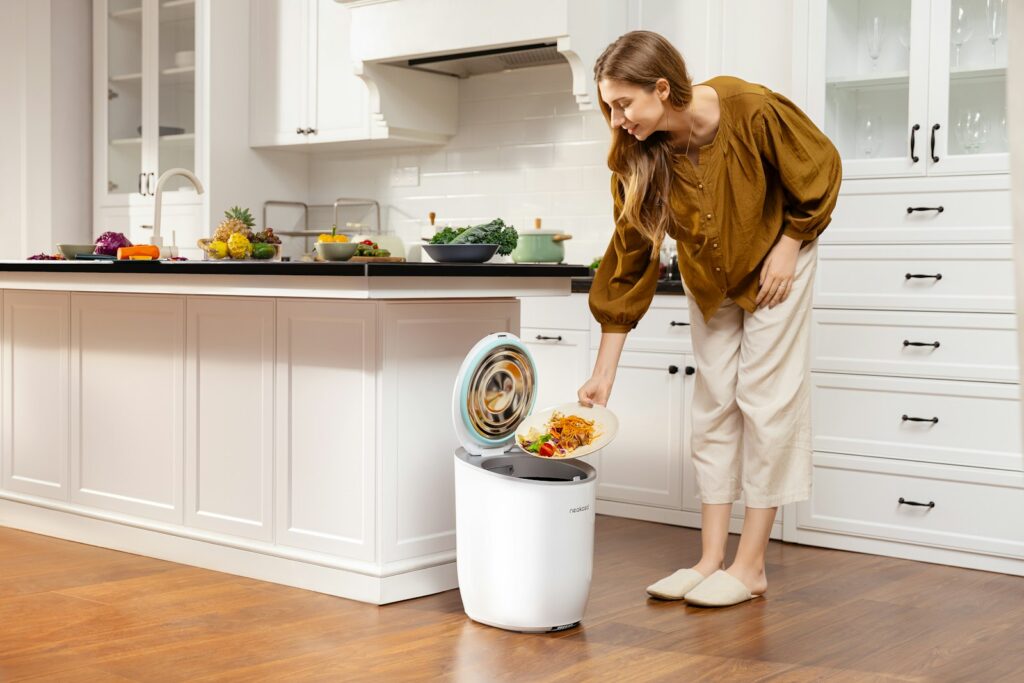
You can keep your worm bin cozy through winter by covering it with insulating materials. Things like straw, blankets, or bubble wrap work well to trap heat inside the bin.
This keeps your worms from getting too cold when the outside temperature drops. Insulating your bin slows down heat loss.
That means the worms will stay active and healthy longer. You don’t need fancy equipment, just simple materials that you might already have at home.
Try wrapping the bin or placing a thick layer of straw on top. This creates a barrier against the cold air.
If you put your bin in a garage or basement, adding insulation helps even more. Remember to check the temperature inside the bin, not just outside.
If your bin stays warm, your worms will stick around and keep composting through winter.
Bringing the Bin Indoors Prevents Freeze Damage
Bringing your worm bin indoors is one of the best ways to protect your worms from freezing temperatures. When outside, the cold can cause the bin to freeze, which stops the worms from moving and breaks down their environment.
Inside, your bin stays warmer, keeping the worms active and healthy. You don’t need a fancy heated room, a closet or laundry room works well because it stays above freezing.
Moving the bin indoors also helps you control moisture and airflow. This keeps your compost from getting too wet or dry, which is important for worm survival.
You can continue feeding your worms without worrying about the cold slowing them down. Plus, when your bin is inside, you can check on the worms more often.
This lets you fix any problems early, like bad smells or mold.
The Science Behind Compost Worm Behavior
Your worms’ activity depends a lot on temperature, moisture, and oxygen levels in the bin. These factors change in winter and cause worms to behave differently or even disappear from your compost.
Understanding these changes helps you keep your worm farm healthy all year.
Winter Temperature Impacts
Worms are cold-blooded, so their body temperature matches the environment. When your compost bin gets too cold, usually below 50°F (10°C), worms slow down.
They eat less and move less, sometimes burrowing deeper to escape the cold. If the temperature drops too much, worms can go dormant or move into the soil below your bin, where it’s warmer.
This explains why they seem to disappear during winter but come back when it warms up. You can protect the bin by insulating it with blankets or moving it to a warmer spot.
Keeping the temperature steady helps your worms stay active and continue breaking down scraps.
Moisture and Oxygen Fluctuations
In winter, moisture in your compost can change a lot. Cold air holds less water, so the bin can dry out quickly.
Worms need a moist environment like a damp sponge to breathe through their skin and stay alive. Too much moisture is also a problem.
If your bin gets soggy from rain or melted snow, the worms might be starved of oxygen. They prefer air pockets in the compost, so waterlogged conditions force them to leave or even die.
To avoid this, check moisture regularly. Add dry bedding like shredded newspaper if it’s too wet.
If it’s dry, spray water to keep the balance. You want moist, not soaking wet, soil for happy worms.
Creating a Worm-Friendly Winter Environment
To keep your compost worms active during the cold months, you need to adjust their living conditions and food supply. Warmth is key, so you’ll want to protect them from freezing temperatures and moisture loss.
At the same time, feeding them right for slower winter activity helps prevent waste build-up and keeps your worms healthy.
Insulation Methods for Outdoor Compost
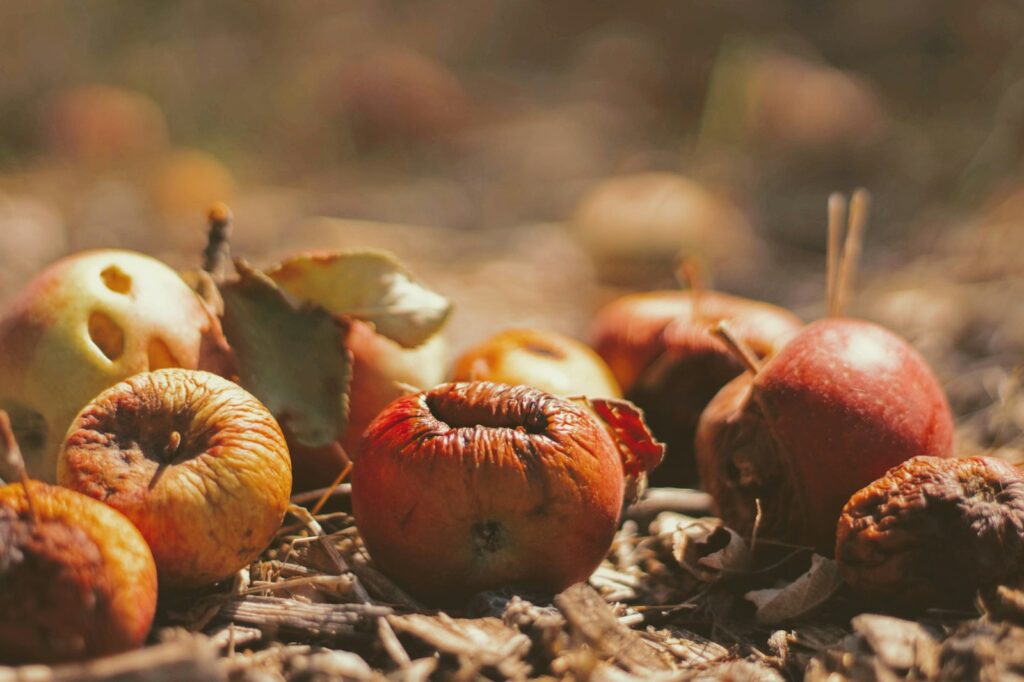
Keeping your worm bin insulated is vital when temperatures drop. Wrap your bin with burlap, straw, or old blankets to block cold winds.
You can also add a thick layer of shredded leaves, hay, or cardboard on top of the compost to trap heat inside. If possible, place your worm bin in a sheltered spot, like near a building or under a roof.
Avoid placing it directly on cold ground. Elevate it on a wooden pallet or bricks to keep cold and moisture from seeping in.
Tip: Use an insulated box or add a heat pack designed for worms if winters get very harsh where you live. Avoid letting the temperature fall below 40°F (4°C) because worms slow down and may die below that.
Adjusting Feeding Habits for Cold Months
When winter rolls in, worms tend to slow down and eat less. Their metabolism drops with the temperature.
It helps to cut back on how much you feed them. Try giving about half or even a third of what you would in the warmer seasons.
If you add too much food, it can start to rot and smell since the worms take longer to compost it. No one wants to lift the bin lid and get hit with a bad odor.
Choose food that breaks down slowly, such as crushed eggshells or dry leaves. Fresh fruit and veggies can freeze or rot quickly, making a mess in the bin.
Skip adding meat, dairy, or anything oily during the colder months. These items are more likely to cause issues when the worms are less active.
Cover any food scraps with bedding to help keep things warm inside the bin. This also helps keep pests away.
If it gets really cold, you might want to stop feeding altogether for a bit. Once things start to warm up, you can slowly add food back in.