How to Pick the Right Grow Lights for Your Indoor Garden
Keeping houseplants happy indoors can be a challenge, especially if your space doesn’t get much natural sunlight. The right grow light can make all the difference, turning a dim corner into a lush mini-jungle.
With shelves full of options at the store, it’s easy to feel overwhelmed. Here’s how to figure out which grow light will help your plants thrive, no matter the season.
Understand Your Plant’s Light Needs
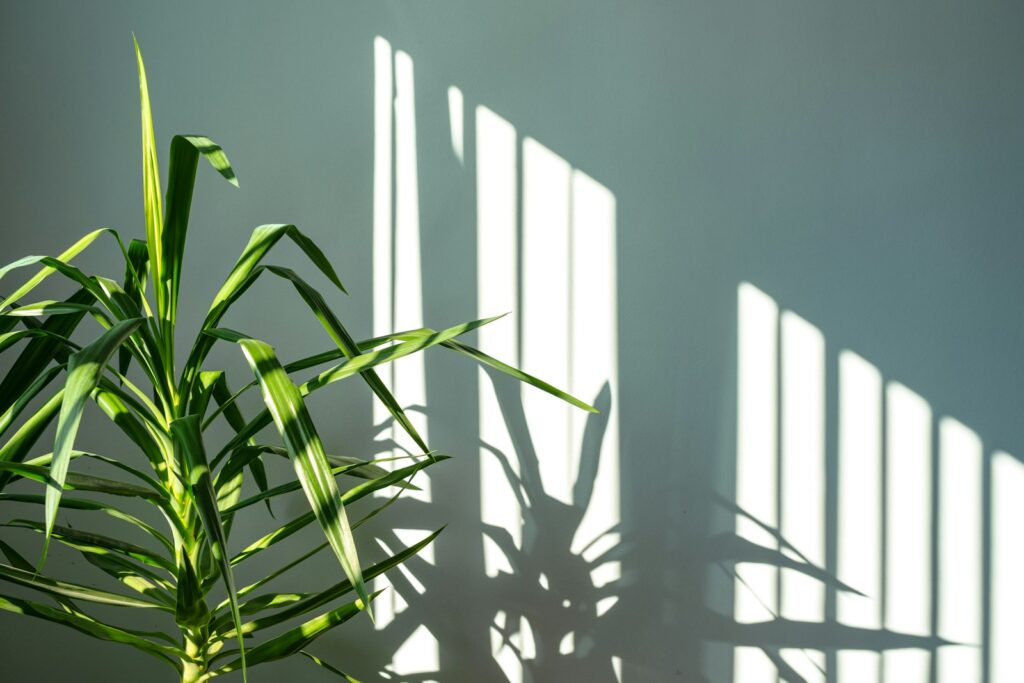
Start by thinking about what your plants actually want. Some are sun-lovers, while others prefer a bit of shade.
Seedlings need intense light to grow strong. Mature houseplants are usually fine with less.
Herbs and veggies often want as much light as you can give them. The color of the light matters too, not just the brightness.
Blue light encourages leafy growth. Red light is important for flowering and fruiting.
Most indoor plants need about 12 to 16 hours of light each day. Using timers can help you keep a steady routine.
Choose Between LED and Fluorescent Lights
You’ll probably end up choosing between LED and fluorescent grow lights. Each type has its own benefits.
LED lights use less energy and last for years. They don’t get very hot, so your plants stay comfortable.
Fluorescent lights are usually cheaper at first. They work well for seedlings and herbs but use more electricity and need replacing sooner.
If you want strong, healthy plants and lower energy bills, LEDs are a great pick. Fluorescents can work if you’re just starting and want to keep things simple.
Consider Full Spectrum Grow Lights
Full spectrum grow lights are designed to give your plants all the colors of light they need. This helps at every stage, from sprouting to flowering.
These lights mimic sunlight, so your plants can grow no matter what’s happening outside. Many full spectrum LEDs are also energy efficient.
Check the wattage and how much heat the light gives off. Make sure it covers your whole garden area.
You won’t need to swap bulbs for different growth stages. Full spectrum lights keep things easy and flexible.
Look for Adjustable Light Intensity
Grow lights with adjustable brightness let you match the light to your plant’s needs. This is helpful because seedlings and mature plants need different amounts of light.
Being able to dim or brighten your lights helps prevent burning your plants. It also saves energy and can extend the life of your lights.
Adjustable intensity gives you more control as your garden changes. It’s a handy feature for any indoor gardener.
Evaluate Coverage Area of the Light
Not every grow light covers the same amount of space. Measure your growing area before you buy.
Make sure your light is powerful enough to reach every plant. If your space is big, you might need more than one light.
The height you hang your light affects how much area it covers. Too close can burn plants, but too far means weak growth.
A coverage calculator can help you figure out what you need. Even lighting means healthier plants all around.
Check for Heat Output and Ventilation
Some grow lights give off a lot of heat, which can dry out or burn your plants. LEDs usually stay cooler, but it’s still something to watch.
Good airflow is important to keep your garden at a steady temperature. Fans or vents can help move warm air away.
If your lights have built-in cooling or adjustable settings, use them. Hang your lights at the right distance to avoid overheating.
Managing heat keeps your plants happier and your lights working better.
Pick Energy-Efficient Models
Energy-efficient grow lights help your plants and your wallet. LEDs are a top choice since they use less power and run cooler.
Look for lights with strong energy ratings or “energy-saving” labels. These models give you bright light without wasting electricity.
Energy-efficient lights usually last longer, so you won’t have to replace them as often. This saves money and time over the long run.
Opt for Timers for Automated Lighting
Timers take the guesswork out of your lighting routine. You won’t have to remember to switch lights on and off every day.
A timer keeps your plants on a steady schedule, which is important for healthy growth. You can set the exact hours your plants get light.
Digital timers are easy to program and can handle power outages. Mechanical timers are simple and reliable.
Using a timer saves energy and helps your plants get the regular light they need.
Shop for Popular Brands Like Spider Farmer and Mars Hydro
When you’re ready to buy, brands like Spider Farmer and Mars Hydro are worth checking out. Both are trusted by indoor gardeners.
Spider Farmer lights are known for strong performance and useful features. They offer good coverage and are energy efficient.
Mars Hydro is a good choice if you want powerful lights at a more affordable price. Some of their models can be linked together for bigger spaces.
Both brands usually offer warranties and helpful customer support. Reading reviews can help you choose the right model for your needs.
Select Lights with Good PAR Ratings
PAR stands for Photosynthetically Active Radiation. It measures how much usable light your plants get for photosynthesis.
A higher PAR rating means your plants are getting more of the light they need to grow. Make sure the light covers both blue and red spectrums for the best results.
Match the PAR output to your plant’s stage. Seedlings need less, while mature plants need more. Adjustable lights give you flexibility as your garden changes.
Understanding Light Spectrum for Indoor Plants
The color of your grow light affects how your plants grow. Blue light is great for leaves and roots, especially when plants are young.
Red light helps with flowering and fruiting. Plants need both blue and red light, but the balance matters.
Full-spectrum lights mix different colors to mimic sunlight. This gives your plants what they need at every stage.
Leafy greens like more blue light, while flowering and fruiting plants want more red. If you grow a mix, adjustable or full-spectrum LEDs are a smart move.
Matching the light spectrum to your plants helps them grow better and produce more.
Energy Efficiency and Cost Considerations
It’s important to think about how much energy your grow lights use. You want healthy plants without a shocking power bill.
LED lights cost more at first but use less electricity and last longer. Fluorescent lights are cheaper upfront but need more power and don’t last as long.
HID lights are bright but use the most energy and create more heat. That can mean extra costs for cooling.
Cost factors to consider:
| Type | Upfront Cost | Energy Use | Lifespan | Heat Output |
|---|---|---|---|---|
| LED | Higher | Low | Long | Low |
| Fluorescent | Low | Medium | Medium | Medium |
| HID | Medium | High | Medium | High |
LEDs usually give you the best value over time, keeping your plants happy and your bills in check.
Tips for Lowering Your Electricity Bill
If you’ve ever opened your electricity bill and felt your jaw drop, you’re not alone. Many indoor gardeners look for ways to trim those monthly costs.
Try using timers to run your grow lights only when your plants actually need them. Adjusting your lights to the right height above your plants can also make a difference, since it prevents wasting power on empty space.
Switching to energy-efficient models with quality drivers and chipsets helps your lights use less electricity. Reflective surfaces can also help by bouncing light back to your plants instead of letting it escape.
Grouping plants with similar light needs together can make your setup more efficient. This way, you avoid giving some plants too much light while others don’t get enough.